
Search History
Popular Searches
English
Dealer Login / Sign Up
In Malaysia, mention "Xiaomi" and most people immediately visualize value-for-money smartphones or an expansive ecosystem of smart home gadgets. However, over the past two years, the global automotive discourse has been dominated by Xiaomi's aggressive foray into the EV space.
Latest market ripples suggest that Xiaomi Auto is already in the early stages of negotiating with local partners, aiming for an official Malaysian debut in 2027.
While a year-long wait might seem distant to eager enthusiasts, this timeline aligns perfectly with Xiaomi's strategic roadmap to solidify its domestic production before spearheading a global rollout.
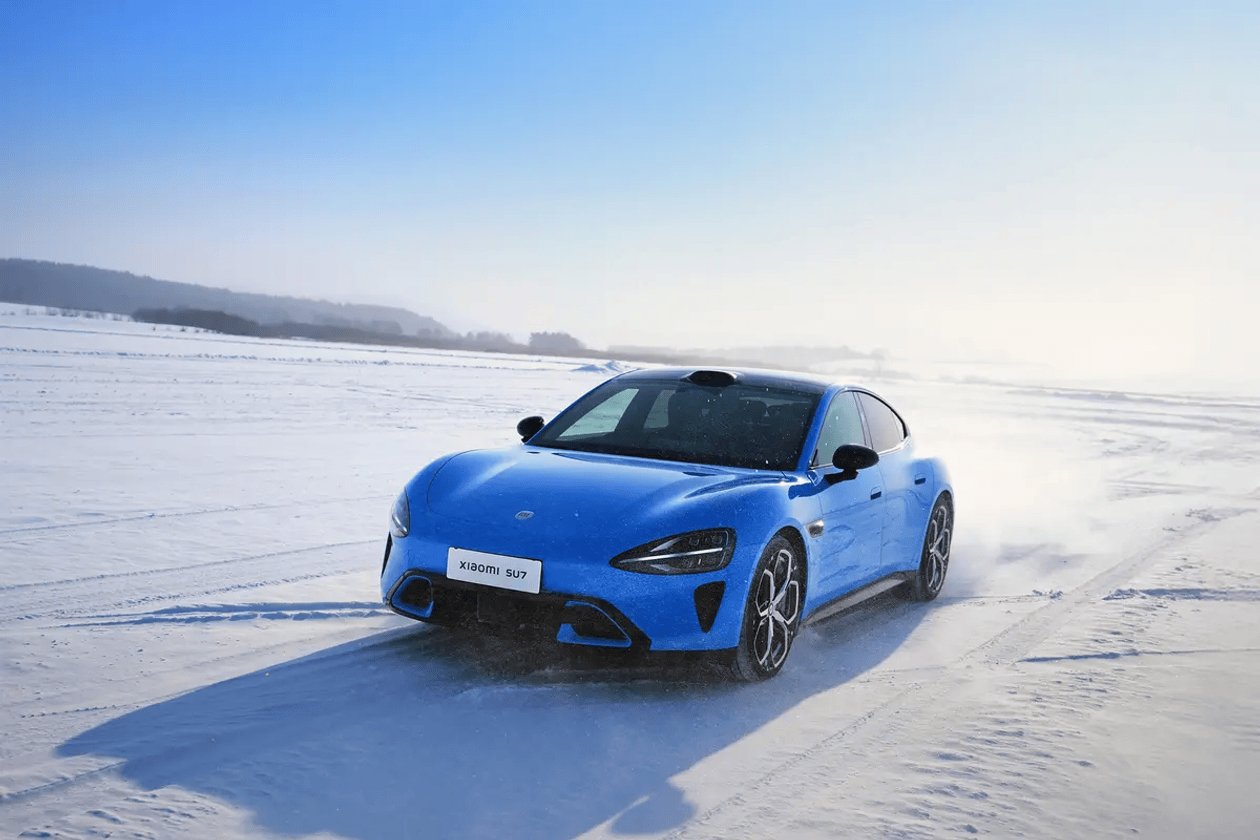
If your knowledge of Xiaomi EV is stuck on the first-gen SU7, you're already falling behind. Xiaomi has recently introduced a more formidable iteration. According to the latest official specifications:
The Range King: The SU7 Pro variant now boasts a CLTC range of 902km.
The Performance Beast: The flagship SU7 Ultra features a triple-motor setup producing a mind-blowing 1,548 PS.
Next-Gen Chassis Tech: To bridge the gap in driving dynamics, Xiaomi has debuted its self-developed chassis technology.
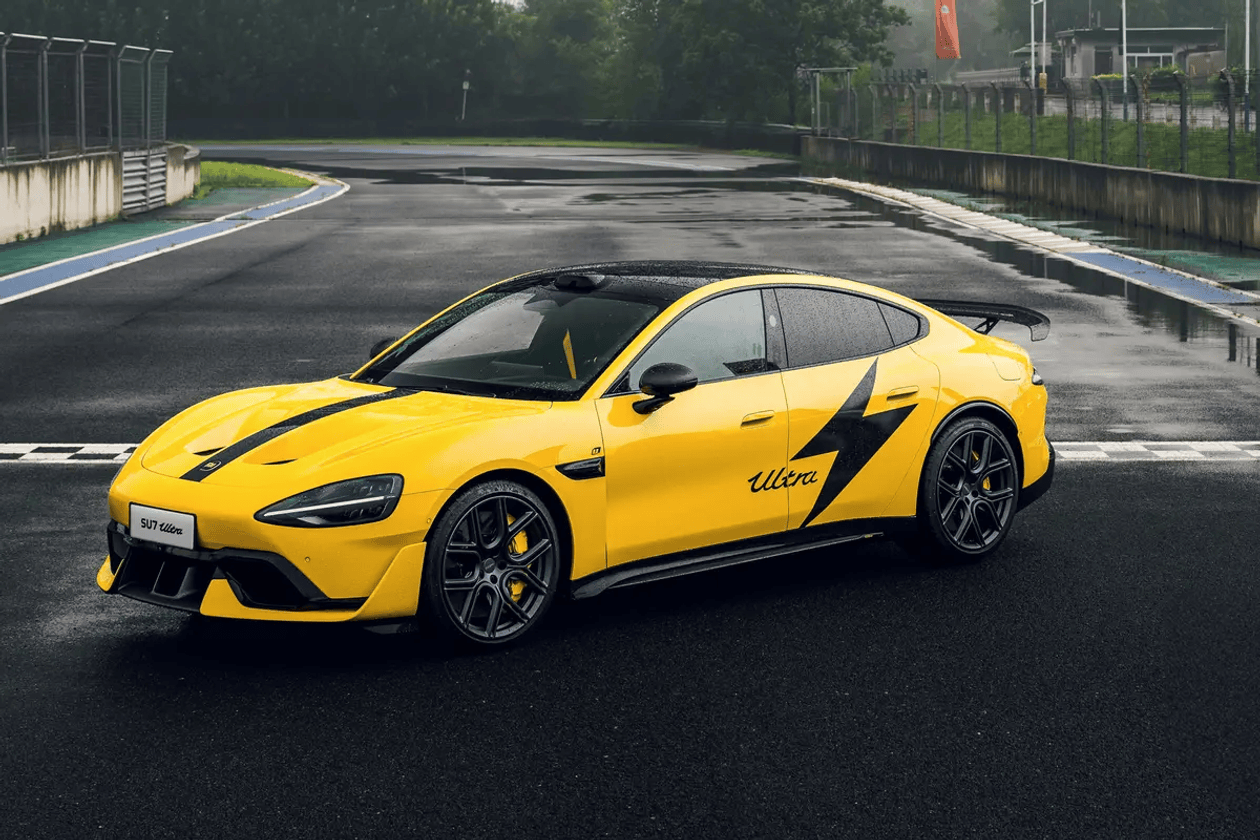
Xiaomi President Lu Weibing has officially confirmed that Xiaomi Auto's global expansion is slated for 2027. Within this roadmap, Southeast Asia — and specifically Malaysia — emerges as a high-priority destination. Our nation's mature automotive supply chain and robust CKD (Completely Knocked Down) ecosystem provide the ideal springboard for Xiaomi to scale its regional presence.
The true "X-factor" lies in local partnerships. If Xiaomi secures a collaboration with an established automotive powerhouse such as Sime Darby Motors, the resulting CKD tax incentives could be a game-changer. This would allow the SU7, and even the highly anticipated EREV (Extended Range EV) SUVs, to enter the market as price-aggressive "disruptors".
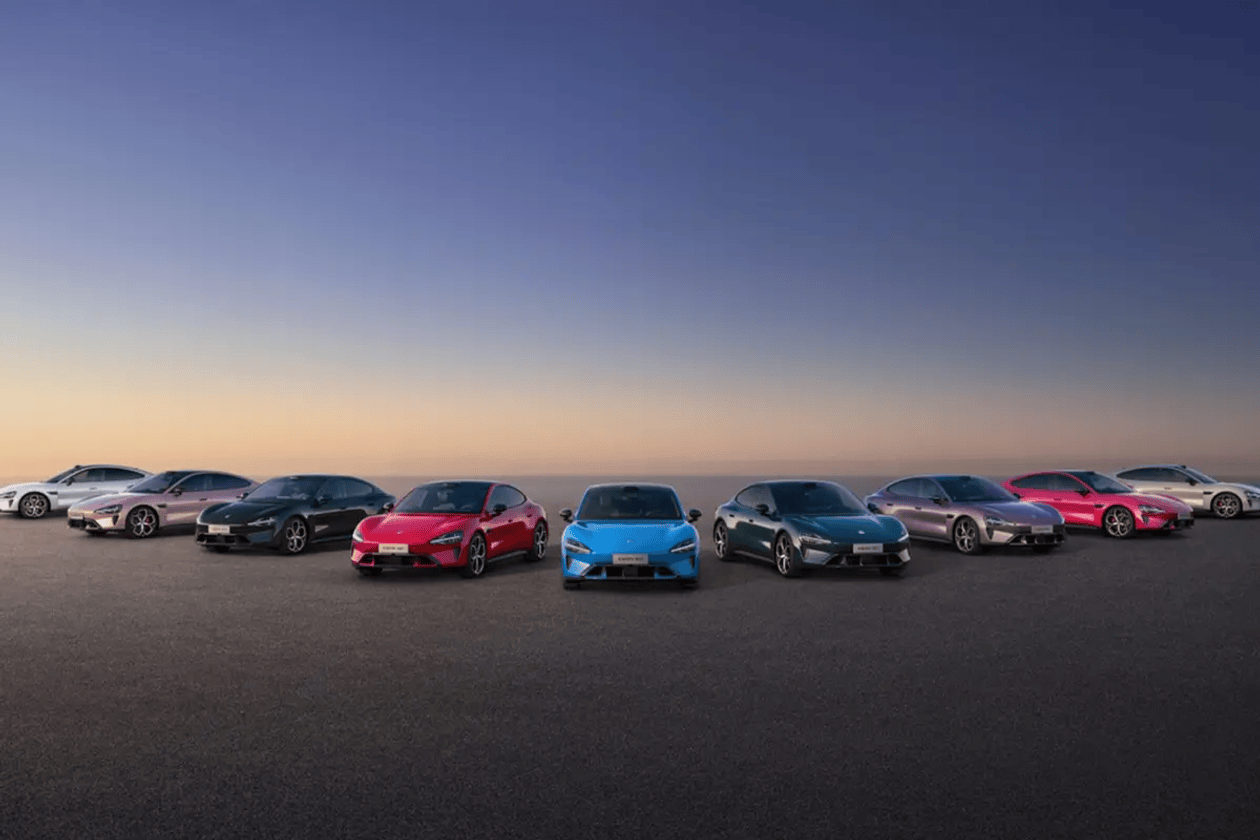
Despite its massive success in China, breaking into the Malaysian automotive landscape comes with significant hurdles that transcend smartphone marketing:
Automotive Brand Trust: Malaysians are comfortable spending RM100 on a power bank or RM3,000 on a phone, but dropping RM200,000 on a Xiaomi vehicle is a different psychological leap. To bridge this "trust gap", the density and reliability of its 3S/4S service network — providing genuine after-sales support — will be the ultimate litmus test.
Ecosystem Localization: A core USP is the HyperOS "Human x Car x Home" integration. However, the system's success depends on how seamlessly it adapts to local Google Services, Spotify, and Waze integration. If the localized user interface feels clunky or restricted compared to its Chinese counterpart, the "Smart Cabin" advantage could evaporate.
A Market at Boiling Point: By 2027, the local EV sector will be fiercely contested. Beyond the dominance of BYD and Tesla, national giants Proton and Perodua will have established their own EV footprints. Whether Xiaomi can maintain its "Price-to-Performance King" reputation in a saturated market remains a critical question.
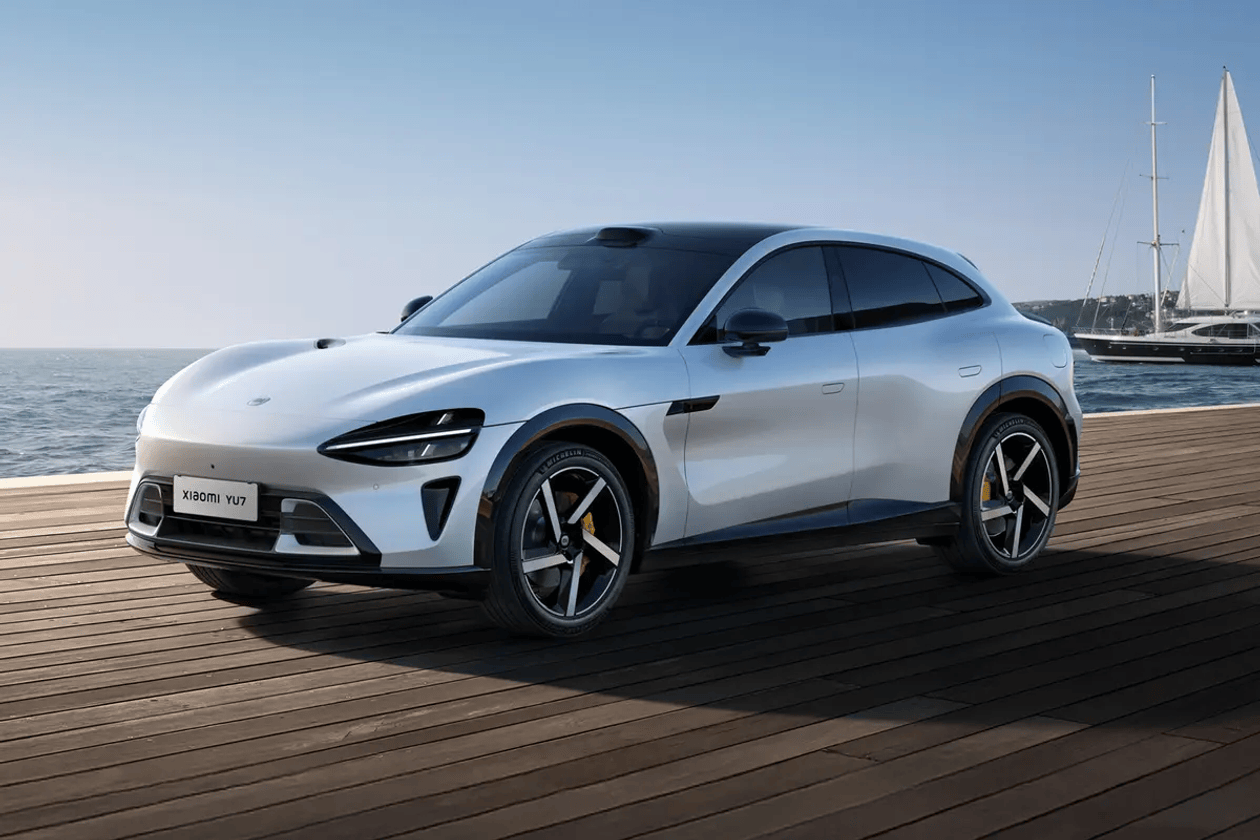
For Xiaomi Auto, entering the Malaysian market is no longer a question of "if", but a strategic matter of "when" and "how". If 2027 indeed marks its official arrival, we could soon witness a surge of "smartphones on wheels" redefining our local roads.
As a local consumer, which direction are you leaning toward? Are you eyeing the 902km-range SU7, or are you holding out for a family-friendly SUV to suit your lifestyle?

Your go-to source for all things automotive in Malaysia. 🚗 Latest reviews, breaking news, launches & industry trends.
+ Follow This weekend is your chance to own a Volvo Selekt Certified Used Car, priced from just RM 148,000.
What are you waiting for?
#volvo 1 minute ago
This weekend is your chance to own a Volvo Selekt Certified Used Car, priced from just RM 148,000.
What are you waiting for?
#volvo 1 minute ago  We saw this accident this morning, and here’s a reminder to everyone: please drive safe. 2 days ago
  The G50 BMW 3 series is now here, adopting much of the i3's design elements.
So, where's the BMW M3?
#bmw #BMW3Series 4 days ago
The G50 BMW 3 series is now here, adopting much of the i3's design elements.
So, where's the BMW M3?
#bmw #BMW3Series 4 days ago Get the latest car news first!
Your go-to source for all things automotive in Malaysia. 🚗 Latest reviews, breaking news, launches & industry trends.
This weekend is your chance to own a Volvo Selekt Certified Used Car, priced from just RM 148,000.
What are you waiting for?
#volvo 1 minute ago We saw this accident this morning, and here’s a reminder to everyone: please drive safe. 2 days ago The G50 BMW 3 series is now here, adopting much of the i3's design elements.
So, where's the BMW M3?
#bmw #BMW3Series 4 days ago  ProtonGWMVolkswagenJAECOOVolvoPeroduaToyotaHondaTESLAMitsubishiMazdaJetourCheryBYDLexusBMWMercedes-BenziCAURZeekrIsuzuNissanLeapmotorPorscheFordOMODAMINIMGSuzukiXPengHyundaiWulingKiaSubaruDenzaGACLand RoverDongfengCAMAudiPeugeotFotonMAXUSsmartDaihatsuJACJMCMaseratiLotusAlfa RomeoRenaultGolden DragonKaiceneSeresLamborghiniFerrariJeepRolls-RoyceLepasAston MartinMcLarenChevroletBentleyFiatBAICForthingGeelyRoeweAeolusChanganARCFOXDeepalExeedHongqiVoyahJaguarKGMBuforiAcuraCadillacDodgeAbarthINEOSMHEROJMEVFreelander
 © 2024 Bitauto.com. All Rights Reserved.
Bitauto (www.yiche.com and www.bitauto.com) is one of the most visited automotive websites in China. We provide detailed info on Chinese car brands available in your area. Please note that the information provided on this website is based on publicly available data and is for reference only. It may not be fully updated or accurate at all times.
Help us improve our website


