
Search History
Popular Searches
English
Dealer Login / Sign Up
The Malaysian automotive landscape is in a state of shock following reports that the Ministry of Investment, Trade and Industry (MITI) has imposed rigid new mandates for BYD's local assembly (CKD) plans. Due to a policy deadlock over a RM200,000 price floor and an 80% export quota, BYD's Tanjong Malim facility — originally slated for production in late 2026 — has reportedly ground to a halt.
This isn't just a setback for one brand; it's a litmus test for Malaysia's EV transition. Let’s break down why these requirements feel so disconnected from reality.
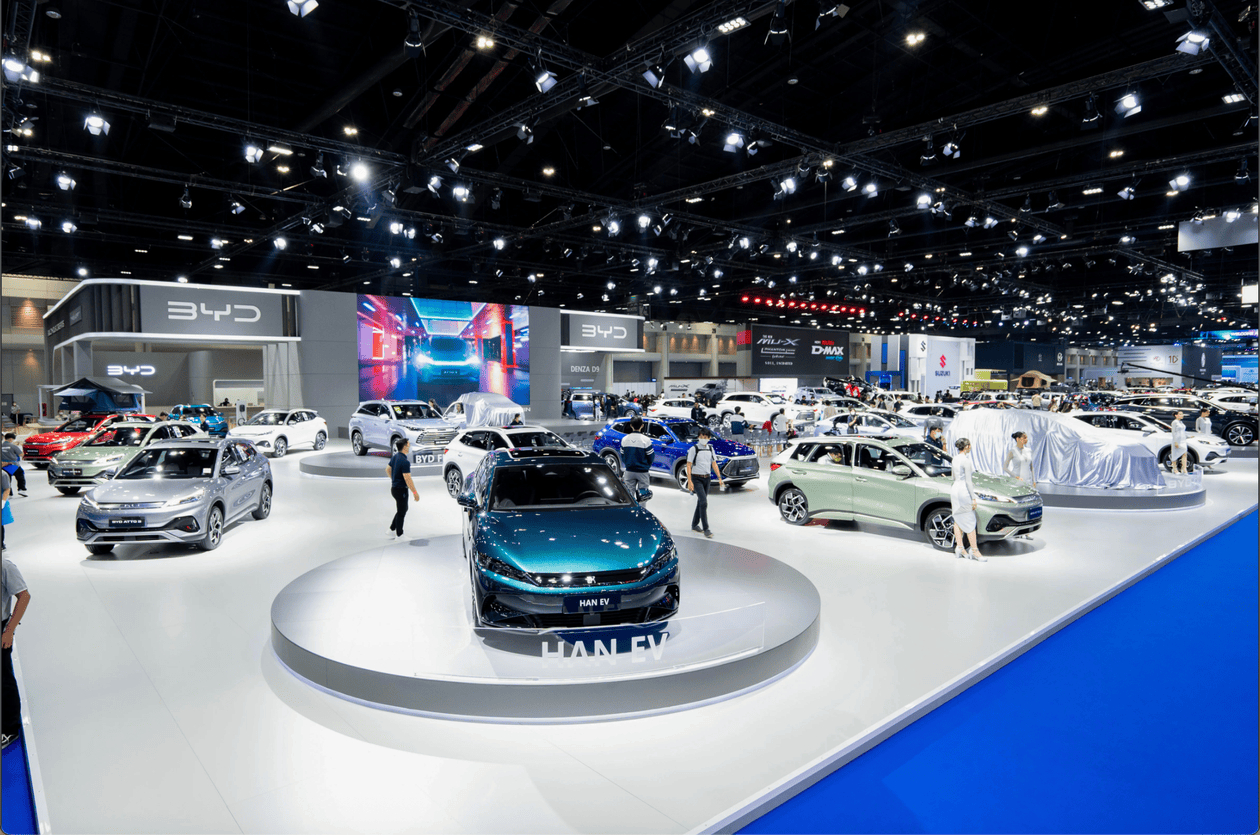
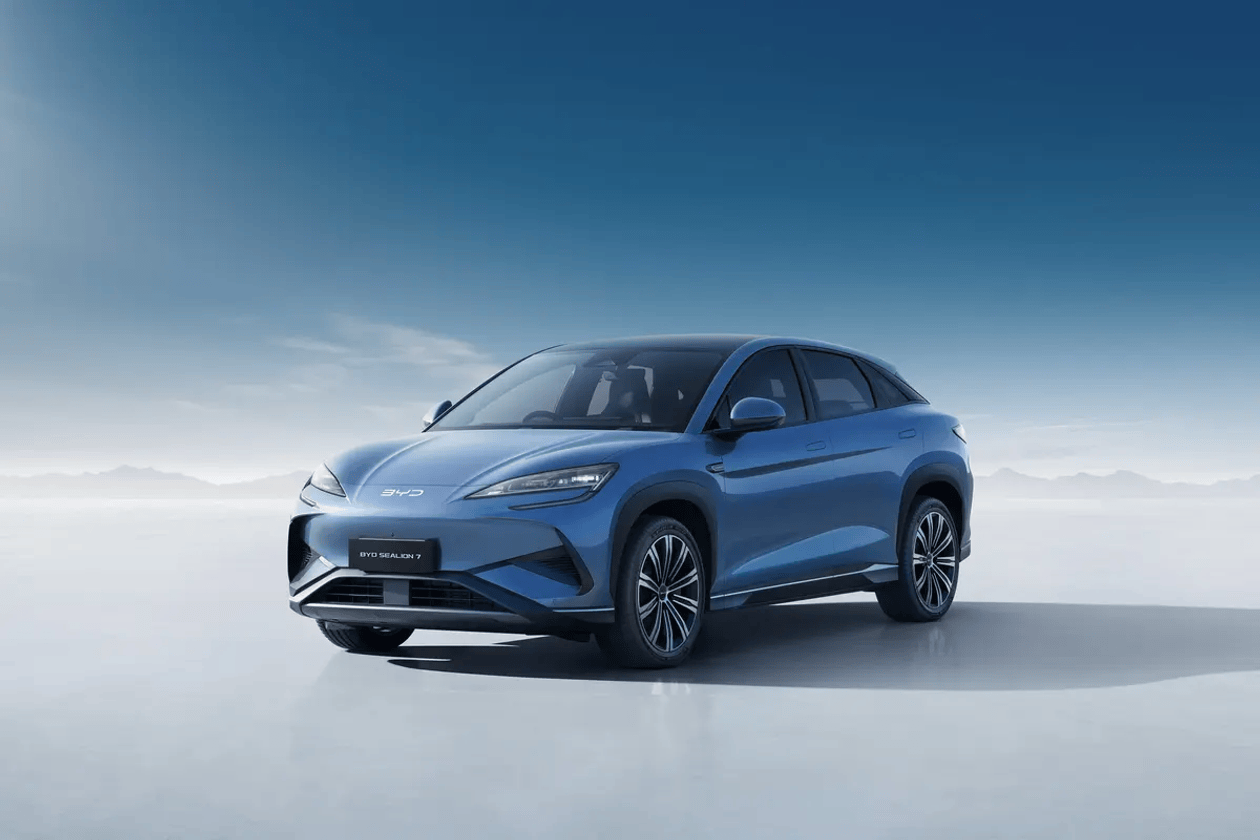
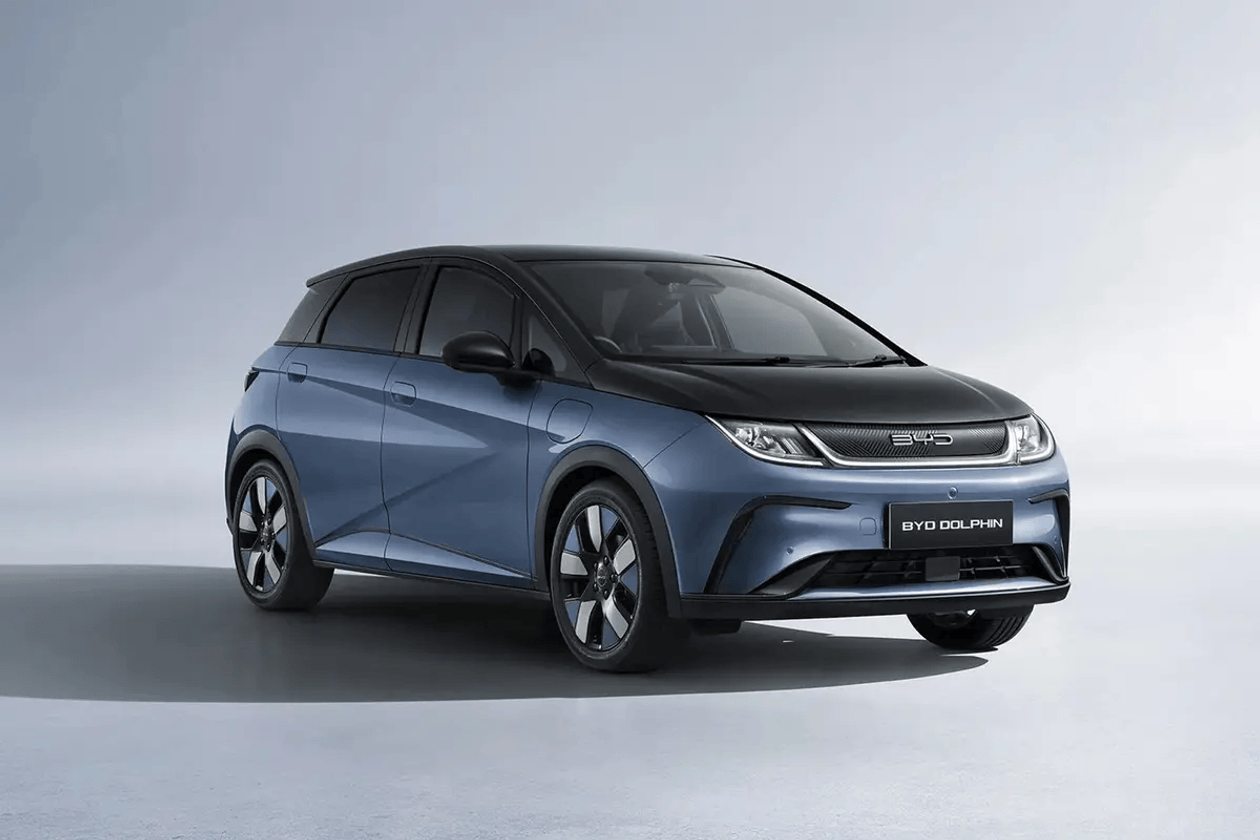
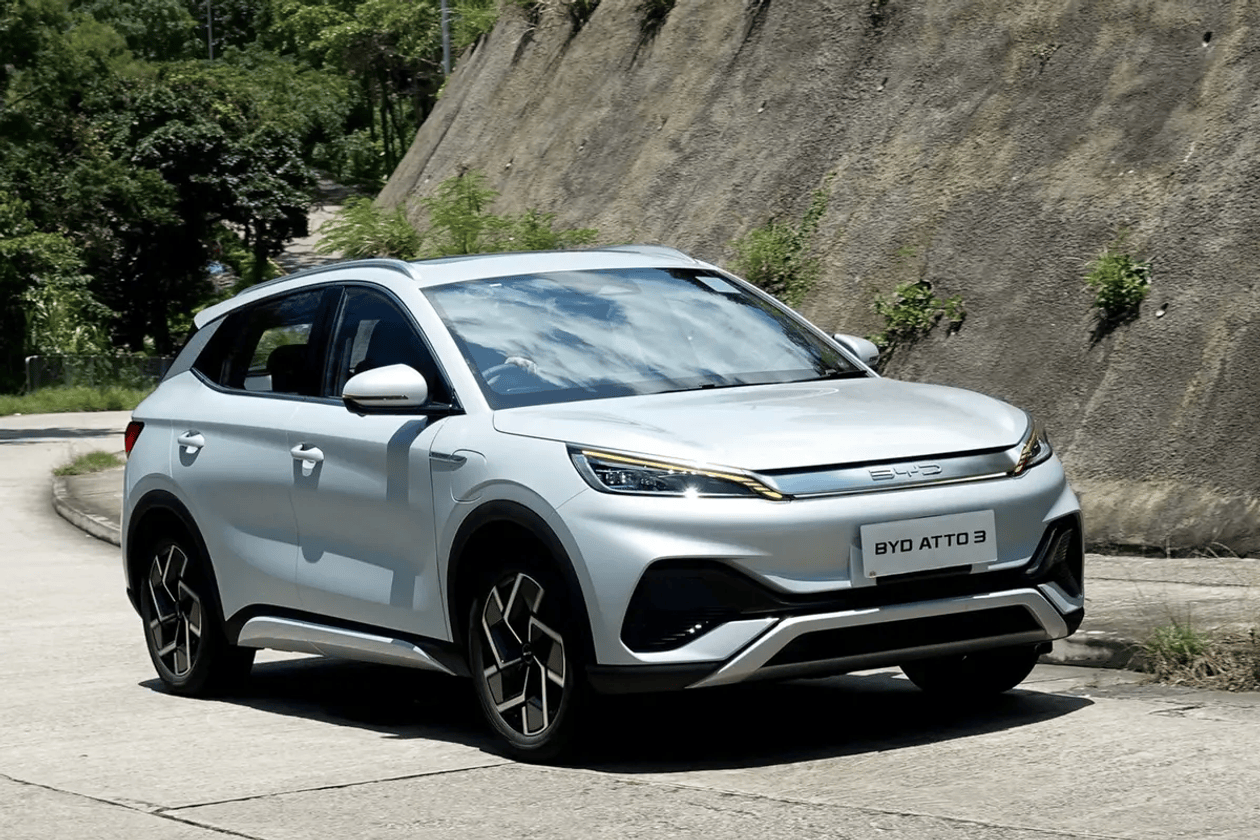
MITI's alleged mandate that BYD's CKD EVs must be priced above RM200,000 presents a baffling economic paradox. Look at the current lineup: from the Atto 3 to the newly launched Sealion 7 (priced at RM199,800), these are all CBU models sold below that mark. If moving to local assembly results in a higher price tag, where is the incentive for the consumer — or the manufacturer? Typically, CKD is the gateway to affordability through tax incentives and reduced duties. By artificially inflating the price floor, the government effectively kills the primary cost-benefit of local manufacturing.
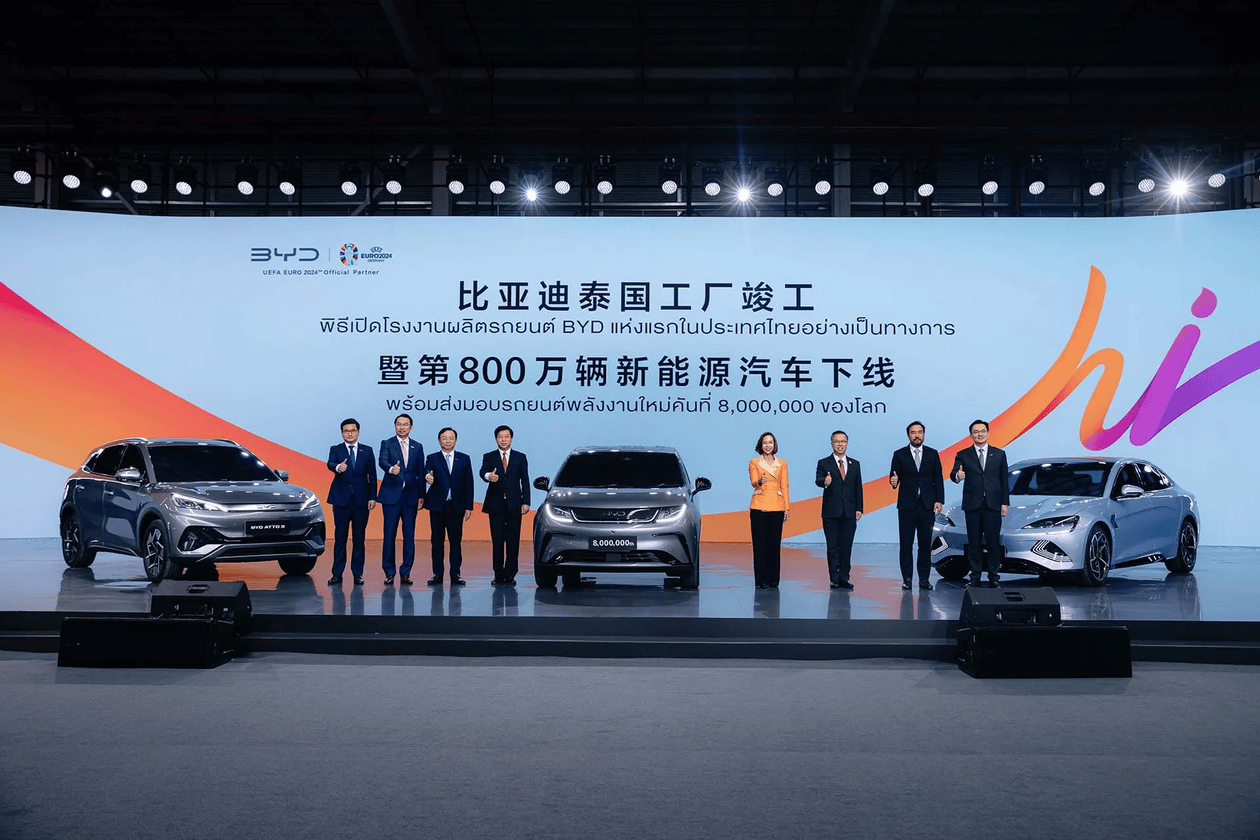
The requirement to export 80% of local production is, quite frankly, an "impossible mission". BYD has already established massive, high-capacity manufacturing hubs in Thailand and Indonesia. With those markets covered, one must ask: where is the Malaysian-made stock supposed to go? Forcing a massive export volume in a region where we currently lack a competitive supply chain compared to our neighbors feels more like a deterrent than a cohesive industrial strategy.
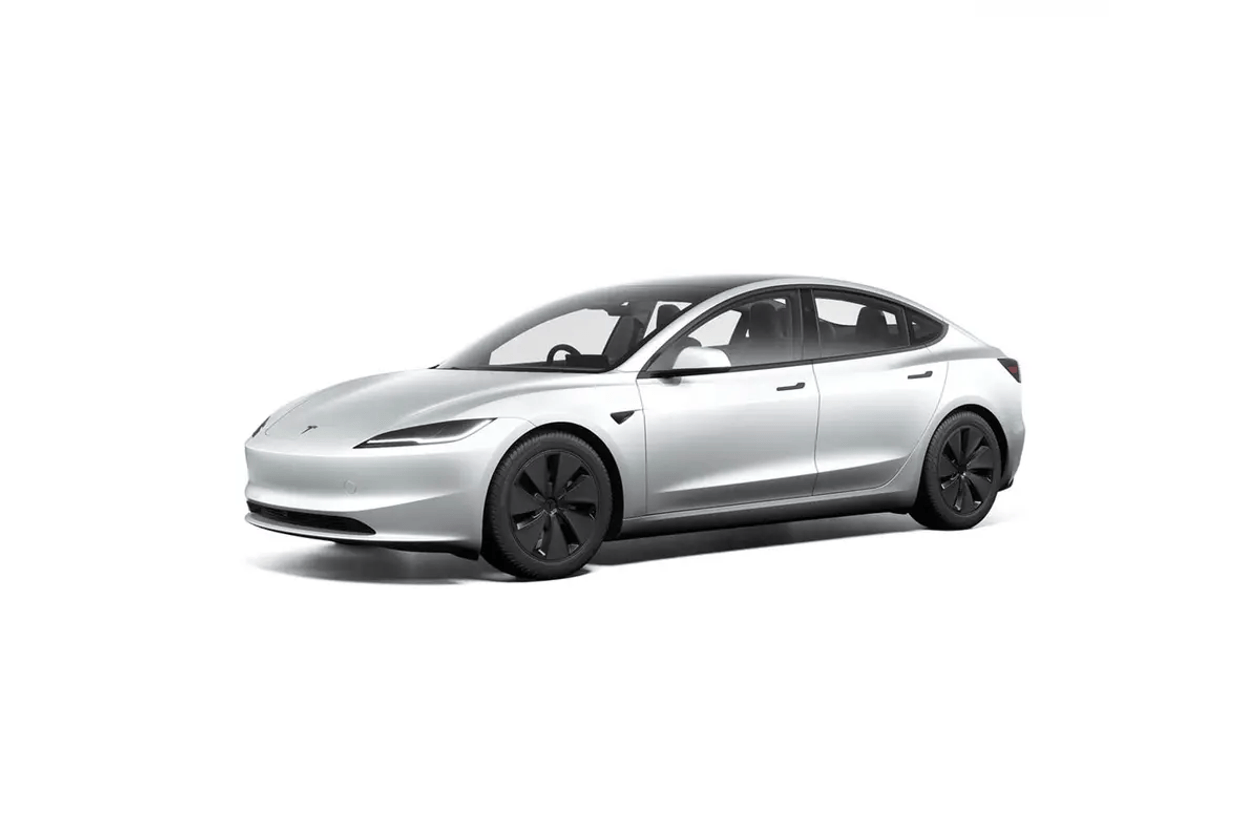
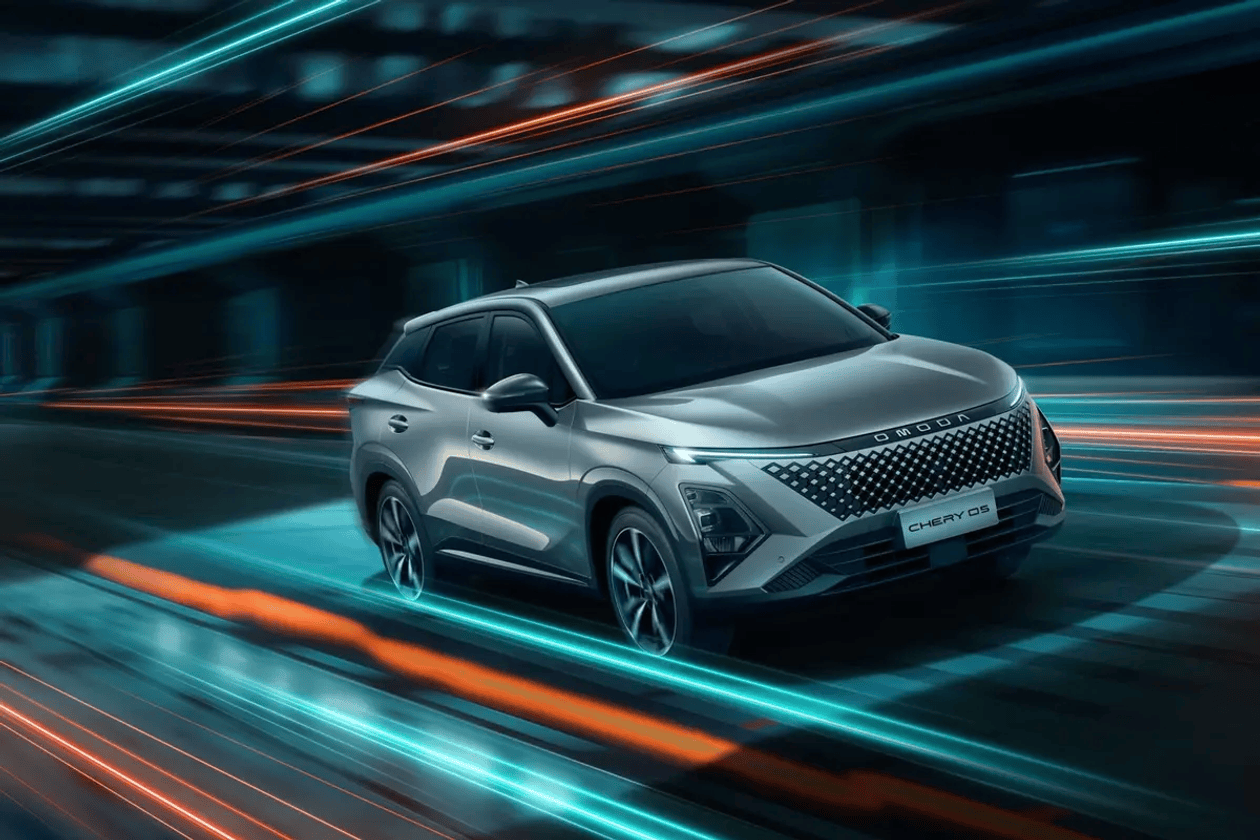
The local automotive industry is rightfully whispering about "double standards". Under the Global Leaders initiative, Tesla continues to operate under a unique set of privileges, allowing it to sell the Model 3 below RM150,000 without the burden of local assembly mandates. Meanwhile, Chery's RM2.2 billion investment in the Chery Smart Auto Industrial Park (Hulu Selangor) was reportedly greenlit under "existing terms", free from the 80% export quota now being pushed onto BYD. This raises a question: Why are the goalposts being moved specifically for BYD?
Minister Johari Abdul Ghani has been vocal about the government's stance: rigid CKD requirements are essential to safeguard 700,000 jobs and protect the domestic automotive ecosystem. However, looking at the 2026 market reality:
Proton e.MAS 7: Now fully localized and starting at RM99,800, the e.MAS 7 dominates the budget segment.
Perodua QV-E: Perodua is aiming for an even lower barrier to entry, targeting the heart of the mass market.
While protecting local jobs is a noble and necessary objective, shielding national cars through artificial price floors for competitors often leads to market stagnation. It's worth remembering that fierce competition was the very catalyst that accelerated Proton's EV timeline in the first place.
The timing of these rigid EV mandates couldn't be worse for the average Malaysian. With global oil prices surging and the government slashing the BUDI95 subsidy quota to 200 liters starting tomorrow (April 1, 2026), motorists are desperate for a viable exit from fossil fuel volatility. By artificially inflating EV prices via the RM200,000 floor price, MITI is essentially shooting its own "green agenda" in the foot.
It's clear that MITI is walking a tightrope between welcoming foreign investment and ensuring the long-term survival of our local automotive ecosystem. The mission to protect the 700,000 jobs tied to Proton and Perodua is a noble and non-negotiable goal. However, the modern automotive world thrives on healthy, unfiltered competition. While BYD's stalled plans are a setback, we remain hopeful that this is merely a "pause for recalibration" rather than a permanent roadblock.
The real challenge for the government is to find a pragmatic middle ground — one that nurtures our national brands without making the switch to EVs an impossible luxury for the average Malaysian. In an era of surging living costs and the reality of slashed fuel subsidies, a diverse and accessible market is the only true engine that will drive Malaysia toward its green energy goals.
What do you think is the best way to support our local industry while keeping EVs within reach for everyone? Let's discuss in the comments.

Your go-to source for all things automotive in Malaysia. 🚗 Latest reviews, breaking news, launches & industry trends.
+ Follow This weekend is your chance to own a Volvo Selekt Certified Used Car, priced from just RM 148,000.
What are you waiting for?
#volvo 1 minute ago
This weekend is your chance to own a Volvo Selekt Certified Used Car, priced from just RM 148,000.
What are you waiting for?
#volvo 1 minute ago  We saw this accident this morning, and here’s a reminder to everyone: please drive safe. 2 days ago
  The G50 BMW 3 series is now here, adopting much of the i3's design elements.
So, where's the BMW M3?
#bmw #BMW3Series 4 days ago
The G50 BMW 3 series is now here, adopting much of the i3's design elements.
So, where's the BMW M3?
#bmw #BMW3Series 4 days ago Get the latest car news first!
Your go-to source for all things automotive in Malaysia. 🚗 Latest reviews, breaking news, launches & industry trends.
This weekend is your chance to own a Volvo Selekt Certified Used Car, priced from just RM 148,000.
What are you waiting for?
#volvo 1 minute ago We saw this accident this morning, and here’s a reminder to everyone: please drive safe. 2 days ago The G50 BMW 3 series is now here, adopting much of the i3's design elements.
So, where's the BMW M3?
#bmw #BMW3Series 4 days ago  ProtonGWMVolkswagenJAECOOVolvoPeroduaToyotaHondaTESLAMitsubishiMazdaJetourCheryBYDLexusBMWMercedes-BenziCAURZeekrIsuzuNissanLeapmotorPorscheFordOMODAMINIMGSuzukiXPengHyundaiWulingKiaSubaruDenzaGACLand RoverDongfengCAMAudiPeugeotFotonMAXUSsmartDaihatsuJACJMCMaseratiLotusAlfa RomeoRenaultGolden DragonKaiceneSeresLamborghiniFerrariJeepRolls-RoyceLepasAston MartinMcLarenChevroletBentleyFiatBAICForthingGeelyRoeweAeolusChanganARCFOXDeepalExeedHongqiVoyahJaguarKGMBuforiAcuraCadillacDodgeAbarthINEOSMHEROJMEVFreelander
 © 2024 Bitauto.com. All Rights Reserved.
Bitauto (www.yiche.com and www.bitauto.com) is one of the most visited automotive websites in China. We provide detailed info on Chinese car brands available in your area. Please note that the information provided on this website is based on publicly available data and is for reference only. It may not be fully updated or accurate at all times.
Help us improve our website


