
Search History
Popular Searches
English
Dealer Login / Sign Up
Proton has confirmed that, in line with the capacity expansion plans for its Tanjung Malim plant, it will locally assemble key components for electric vehicles (EV) and hybrid electric vehicles (HEV), including Electric Drive Units (EDU) and Dedicated Hybrid Transmissions (DHT).
This announcement was issued by DRB-Hicom, following a recent statement from the Ministry of Investment, Trade and Industry (MITI) on the National Automotive Policy (NAP). Earlier, amid market discussions regarding the local assembly (CKD) of BYD vehicles, MITI had reaffirmed the country's automotive investment policies. Proton's move is seen as a proactive response to the government's stance.
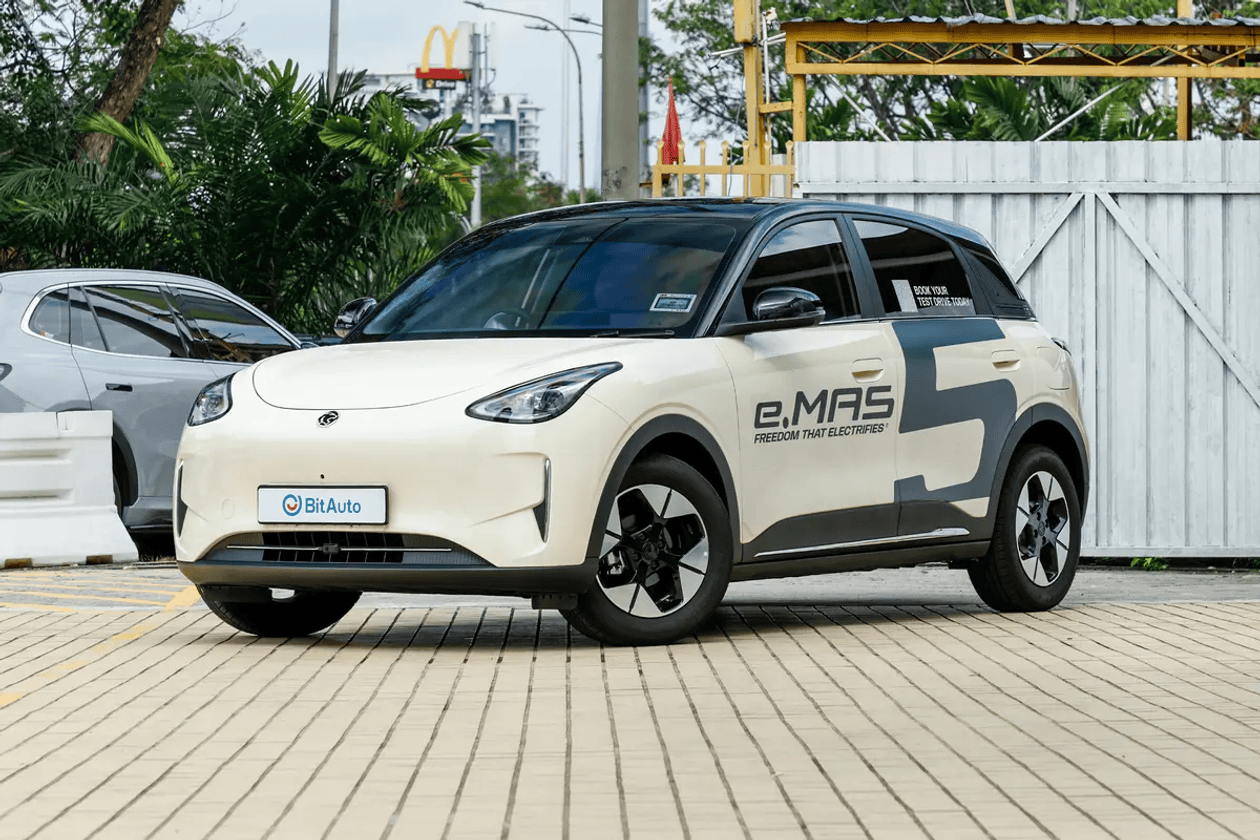
Localized Assembly: Proton will produce core electrification components in Tanjung Malim, Perak, to support its future lineup of hybrid and fully electric models.
Core Role of AHTV: This strategic move is anchored in the Automotive High-Tech Valley (AHTV). Proton will play a pivotal role in this project, aiming to establish AHTV as a national-level automotive technology hub encompassing R&D, talent development, and advanced manufacturing.
Supply Chain Contribution: As Malaysia's first national car brand, Proton's total local procurement exceeded RM17 billion over the past five years (2021–2025). With the acceleration of the electrification transition, procurement value is expected to rise further to RM30 billion between 2026 and 2030.
"We are fully committed to supporting the government's long-term industrial and mobility aspirations by strengthening the local automotive ecosystem, developing Malaysian talent, and contributing to sustainable industry growth," said Tan Sri Syed Faisal Albar, Chairman of Proton and Group Managing Director of DRB-Hicom.
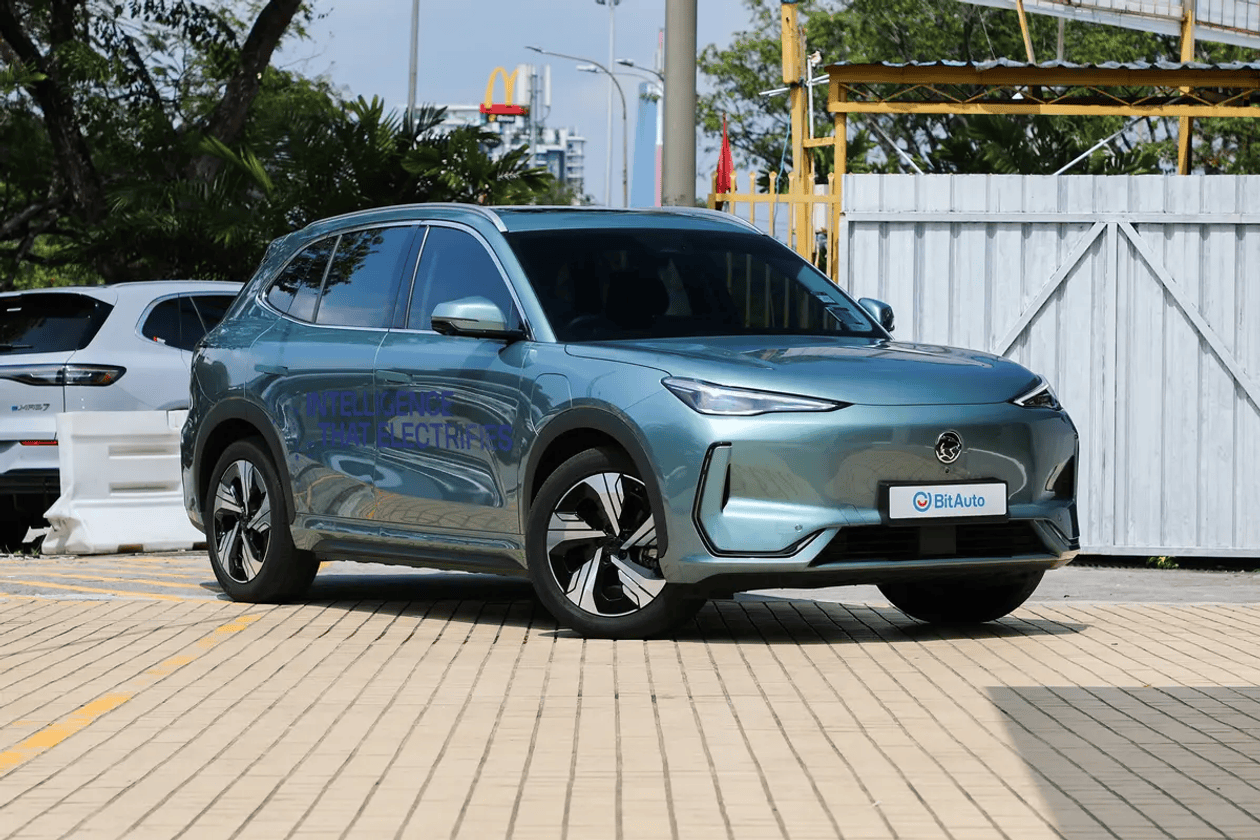
Proton's firm commitment to locally assembling EDUs and DHTs goes beyond mere compliance with NAP 2020 requirements. It represents a strategic move to end the long-standing technical dependence on imported components. For Malaysian consumers, local production of these core parts will deliver clear advantages, including significantly lower maintenance costs and improved parts availability for future electric models.
As AHTV takes shape, Tanjung Malim will not only be Proton's production base but also a regional powerhouse for new energy vehicles across Southeast Asia.

Your go-to source for all things automotive in Malaysia. 🚗 Latest reviews, breaking news, launches & industry trends.
+ Follow This weekend is your chance to own a Volvo Selekt Certified Used Car, priced from just RM 148,000.
What are you waiting for?
#volvo 1 minute ago
This weekend is your chance to own a Volvo Selekt Certified Used Car, priced from just RM 148,000.
What are you waiting for?
#volvo 1 minute ago  We saw this accident this morning, and here’s a reminder to everyone: please drive safe. 2 days ago
  The G50 BMW 3 series is now here, adopting much of the i3's design elements.
So, where's the BMW M3?
#bmw #BMW3Series 4 days ago
The G50 BMW 3 series is now here, adopting much of the i3's design elements.
So, where's the BMW M3?
#bmw #BMW3Series 4 days ago Get the latest car news first!
Your go-to source for all things automotive in Malaysia. 🚗 Latest reviews, breaking news, launches & industry trends.
This weekend is your chance to own a Volvo Selekt Certified Used Car, priced from just RM 148,000.
What are you waiting for?
#volvo 1 minute ago We saw this accident this morning, and here’s a reminder to everyone: please drive safe. 2 days ago The G50 BMW 3 series is now here, adopting much of the i3's design elements.
So, where's the BMW M3?
#bmw #BMW3Series 4 days ago  ProtonGWMVolkswagenJAECOOVolvoPeroduaToyotaHondaTESLAMitsubishiMazdaJetourCheryBYDLexusBMWMercedes-BenziCAURZeekrIsuzuNissanLeapmotorPorscheFordOMODAMINIMGSuzukiXPengHyundaiWulingKiaSubaruDenzaGACLand RoverDongfengCAMAudiPeugeotFotonMAXUSsmartDaihatsuJACJMCMaseratiLotusAlfa RomeoRenaultGolden DragonKaiceneSeresLamborghiniFerrariJeepRolls-RoyceLepasAston MartinMcLarenChevroletBentleyFiatBAICForthingGeelyRoeweAeolusChanganARCFOXDeepalExeedHongqiVoyahJaguarKGMBuforiAcuraCadillacDodgeAbarthINEOSMHEROJMEVFreelander
 © 2024 Bitauto.com. All Rights Reserved.
Bitauto (www.yiche.com and www.bitauto.com) is one of the most visited automotive websites in China. We provide detailed info on Chinese car brands available in your area. Please note that the information provided on this website is based on publicly available data and is for reference only. It may not be fully updated or accurate at all times.
Help us improve our website


