

HomeBeauty

Search History
Popular Searches
Dealer Login / Sign Up

喺馬來西亞嘅 SUV 市場,好多買家揀車嗰陣都會拿本田 CR-V 同豐田 Corolla Cross 嚟比較。這兩款車價錢同定位都好接近,今日我哋就從多個方面做詳細比較,幫你省返做功課嘅時間。
本田 CR-V 喺馬來西亞嘅 OTR 售價係 RM 178,200 - 195,900,一共有 4 個版本,包括 2026 e:HEV 2.0L 2WD RS(RM 195,900)、2026 1.5T 4WD V(RM 181,900)、2026 e:HEV 2.0L 2WD E(RM 178,200) 等。
豐田 Corolla Cross 喺馬來西亞嘅 OTR 售價係 RM 133,800 - 148,800,一共有 3 個版本,包括 2026 HEV 1.8L GR Sport(RM 148,800)、2026 HEV 1.8L Standard(RM 140,800)、2026 1.8L Standard(RM 133,800) 等。
從價錢睇,豐田 Corolla Cross 嘅起步價比本田 CR-V 平咗 RM 44,400。老實講,喺呢個價位段,幾千塊嘅差距其實唔算大,關鍵始終係看整體嘅性價比同長期使用成本。

本田 CR-V 搭載 2.0L 4-cyl,馬力 170 hp。官方油耗 8.0 L/100km。
豐田 Corolla Cross 搭載 1.5L Turbo,馬力 140 hp。官方油耗 7.0 L/100km。
動力方面,本田 CR-V 嘅 2.0L 4-cyl 比豐田 Corolla Cross 嘅 1.5L Turbo 多出 30 匹馬力,中段加速更有信心,尤其係跑高速公路超車嗰陣。不過豐田 Corolla Cross 嘅油耗可能較好,日常市區通勤差別唔會太大。

本田 CR-V 採用 FWD 驅動方式。
豐田 Corolla Cross 採用 FWD 驅動方式。
兩款車嘅驅動方式一樣,都係 FWD,日常駕駛感受唔會有太大區別。

本田 CR-V 保修 5 年/無限制里程,保養間隔 每 10,000km 或 6 個月。
豐田 Corolla Cross 保修 5 年/無限制里程,保養間隔 每 10,000km 或 6 個月。
兩款車嘅保修條件一樣,呢方面唔使煩惱。實際保養成本仲要睇品牌嘅服務網絡同零件價格,建議去車友群問問真實車主嘅經驗。

本田 CR-V 同豐田 Corolla Cross 都係馬來西亞市場嘅主流選擇,適合家庭使用、日常通勤。如果你更睇重品牌口碑同二手價,可以優先考慮口碑更好嗰款;如果你更在意性價比同配備,就揀配備更豐富嗰款。始終都係建議兩款都去試駕,親身體驗先至係最重要嘅。

總計嚟講,本田 CR-V 同豐田 Corolla Cross 都係馬來西亞市場好唔錯嘅車型。揀邊輛,關鍵始終係睇你嘅個人需求同預算。建議大家做好功課,多比較幾間車行嘅報價,再去試駕做最終決定。買車係件大事,花少少時間做功課絕對唔會錯。

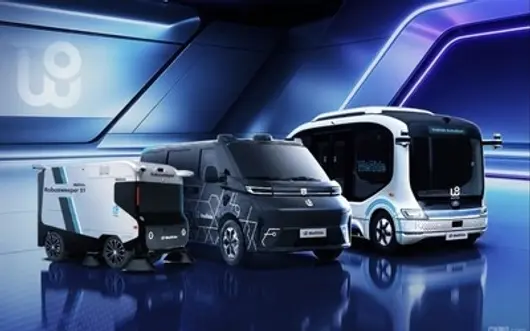
[CNMO Tech News] On September 9, at the 2026 Private Economy Innovation Development Conference held in Wenzhou, Zhejiang, the All-China Federation of Industry and Commerce officially released the "2026 Cases of Private Enterprises Developing New Quality Productive Forces". Global autonomous driving technology company WeRide was successfully selected based on systematic practice in core technology innovation of autonomous driving and scaled commercial operations.

WeRide Product
The conference was co-hosted by the All-China Federation of Industry and Commerce and the People's Government of Zhejiang Province, with the theme "Innovation Gathering Power · Empowering the Future". Also released concurrently were "2026 Report on Innovation Status of the Top 1000 Private Enterprises in R&D Investment", "2026 Private Enterprise R&D Investment and Invention Patent Top 500 List", and other important results.
Since its establishment in Guangzhou in 2017, WeRide has always adhered to promoting industrial innovation through technological innovation. As a local high-quality private technology enterprise in Guangzhou, WeRide is a typical private benchmark for Guangdong to layout new tracks in autonomous driving and cultivate new quality productive forces.
Relying on the self-developed WeRide One autonomous driving general technology platform, WeRide landed open road Robotaxi commercial operation, autonomous driving shuttle paid operation, unmanned sanitation and unmanned freight and other full-scenario applications in Guangzhou first, effectively reducing the cost of scaled deployment. This platform modularizes software algorithms, hardware modules, and cloud architectures, allowing taxis, shuttles, sanitation vehicles, freight vehicles, etc., to share about 90% of the underlying algorithms. The HPC 3.0 computing platform equipped on the vehicle has computing power up to 2000 TOPS, completing 2 trillion operations per second.

WeRide Product
In the 2023 "59 Companies Changing the World" selection by the American "Fortune" magazine, WeRide ranked eighth, being the only Chinese enterprise selected.
As of now, WeRide's autonomous driving business has covered 13 countries and over 60 cities globally. The company is the only technology enterprise globally to simultaneously hold autonomous driving licenses from eight countries: China, UAE, Singapore, France, USA, Saudi Arabia, Belgium, and Switzerland.
Regarding fleet scale, as of July 31, 2026, WeRide's global L4 autonomous driving fleet scale is about 3400 vehicles, among which pure unmanned Robotaxis exceed 1800 units, having become one of the largest scale commercial Robotaxi fleets globally. Some overseas regional businesses have achieved phased operational profitability.
In the first half of 2026, WeRide achieved revenue of 346 million yuan, a year-on-year increase of 73.3%; overseas revenue increased year-on-year by 154.4%; gross profit margin increased from 30.6% in the same period of the previous year to 36.6%. In the second quarter, overseas revenue increased year-on-year by 164% and quarter-on-quarter by 169%.

In the Malaysian SUV market, many buyers compare the Honda CR-V and Toyota Yaris Cross when choosing a car. These two cars are quite close in price and positioning. Today, we will make a detailed comparison from multiple aspects to help you save time on research.
The OTR price of the Honda CR-V in Malaysia is RM 178,200 - 195,900, with a total of 4 versions, including 2026 e:HEV 2.0L 2WD RS (RM 195,900), 2026 1.5T 4WD V (RM 181,900), 2026 e:HEV 2.0L 2WD E (RM 178,200) etc.
The OTR price of the Toyota Yaris Cross in Malaysia is RM 99,900 - 109,900, with a total of 2 versions, including 2026 1.5L Standard (RM 99,900), 2026 HEV 1.5L Standard (RM 109,900) etc.
Looking at the price, the starting price of the Toyota Yaris Cross is RM 78,300 cheaper than the Honda CR-V. To be honest, in this price range, a difference of a few thousand doesn't count as much; the key is overall value for money and long-term usage costs.
The Honda CR-V safety rating is 5★ (ASEAN NCAP), active safety systems include Honda SENSING (ACC, CMBS, LKAS, RDM).
The Toyota Yaris Cross safety rating is 5★ (ASEAN NCAP), active safety systems include TSS.
The safety ratings of both cars are the same. Safety features are quite comprehensive in this class. The safety of new cars is not poor nowadays, so there is no need to worry too much about this point.
The Honda CR-V body length is 4500 mm, trunk 450 L.
The Toyota Yaris Cross body length is 4400 mm, trunk 400 L.
Regarding space, the Honda CR-V body is 100 mm longer than the Toyota Yaris Cross, so the interior seating space is slightly more spacious, especially the rear legroom. If you often carry family members or need to place a stroller, a larger body is indeed more practical.
Honda CR-V warranty 5 years/unlimited mileage, maintenance interval every 10,000km or 6 months.
Toyota Yaris Cross warranty 5 years/unlimited mileage, maintenance interval every 10,000km or 6 months.
The warranty conditions for both cars are the same, no need to worry about this. Actual maintenance costs depend on the brand's service network and parts prices. It is recommended to ask real owners in car owner groups for experience.

Overall, both the Honda CR-V and Toyota Yaris Cross are excellent models in the Malaysian market. Which one to choose depends on your personal needs and budget. We suggest doing your research, comparing quotes from multiple dealerships, and test driving before making a final decision. Buying a car is a big matter; spending time on research will never go wrong.

9月9日下午,国际原油价格再度爆发,布伦特原油突破每桶100美元关口。与此同时,天然橡胶直逼2万元大关,炭黑逼近“万元时代”。原材料全线上涨之下,中策、佳通、万力、浦林成山等约30家轮胎企业接连发布涨价函,行业年内第三轮涨价潮汹涌而来。

油价破百,供应缺口扩大
截至发稿,布伦特和纽约原油双双上涨,布伦特年内累计涨幅超60%。中东局势持续升级是直接推手:美军摧毁5艘载有原油的伊朗油轮,沙特多处能源设施遭胡塞武装袭击。Rystad Energy数据显示,霍尔木兹海峡每日原油运输量已从战事重燃前的800万—900万桶骤降至200万桶以下;IEA预计今年全球石油供应每日减少430万桶,降幅约4%。


高盛、美国银行、汇丰等机构纷纷上调油价预测,高盛警告若局势进一步升级,油价或涨至120美元/桶。9月11日24时国内油价将迎来调价窗口,据金联创测算,汽柴油零售价应上调260元/吨。
橡胶、炭黑双线冲高
橡胶市场同步飙升。9月9日收盘,上期所天然橡胶主连报19770元/吨,距2万元大关仅一步之遥;此前一天,20号胶主力刷新上市以来纪录,合成橡胶单日涨4.59%,橡胶系“三兄弟”集体冲高。

炭黑涨势更为凶猛。其上游煤焦油拍卖成交价较上周同期涨近1500元,逼近历史高点;N220市场价约9628元/吨,同比涨近36%,N330单日涨幅曾达550元,市场关于炭黑“万元时代”的讨论迅速升温。煤焦油占炭黑成本约70%-80%,炭黑又占轮胎成本约15%,涨价正沿产业链逐级传导。

卓创资讯数据显示,与一个月前相比,混合胶、丁苯橡胶、顺丁橡胶、炭黑N330分别上涨8.75%、16.67%、20.65%、16.89%——四大核心原料全线暴涨。国泰君安期货分析师指出,油价推升丁二烯、供应收缩、泰国割胶受阻叠加厄尔尼诺减产预期、产业链涨价氛围强化,构成三重驱动。
30企集体宣涨,年内第三轮涨价潮
成本重压之下,涨价函密集落地:
中策橡胶自9月15日起全钢工程胎上浮3%-5%,10月1日起其余非公路产品上浮3%;佳通自9月27日起,替换市场所有品牌产品整体上调2%-4%;万力自9月23日起,国内半钢胎部分产品上调3%-5%,不排除后续继续调价;浦林成山自9月26日起,替换市场全钢胎、斜交胎整体上调3%。方兴橡胶、威海橡胶、建新橡胶等也相继跟进。


据不完全统计,8月下旬以来,风神、三角、正新、玛吉斯等超20家企业已发布调价通知,本轮调价企业总数达30家左右,主流涨幅2%-5%。




In the Malaysian SUV market, many buyers compare the Honda HR-V and Subaru Crosstrek when choosing a car. These two cars are quite close in price and positioning. Today we will make a detailed comparison from multiple aspects to help you save time on research.
The Honda HR-V OTR price in Malaysia is RM 115,900 - 143,900, with a total of 4 versions, including 2026 e:HEV 1.5L RS (RM 143,900), 2026 1.5T V (RM 137,900), 2026 1.5T E (RM 130,900), etc.
The Subaru Crosstrek OTR price in Malaysia is RM 145,000 - 160,000, with a total of 1 version, including 2.0L e-Boxer (RM 150,000), etc.
From the price perspective, the starting price of the Honda HR-V is indeed RM 29,100 cheaper than the Subaru Crosstrek. If your budget is limited, Honda's entry-level version can already meet daily needs. But also note that the few thousand difference in price might involve trade-offs in features, which depends on your specific needs.

Honda HR-V features a 1.5L Turbo, 140 hp. Official fuel consumption 7.0 L/100km.
Subaru Crosstrek features a 1.5L Turbo, 140 hp. Official fuel consumption 7.0 L/100km.
Both cars use the same powertrain, and the driving experience is basically the same in daily use. Fuel consumption is also similar, so no need to worry too much about this point.

Honda HR-V body length 4500 mm, boot space 450 L.
Subaru Crosstrek body length 4400 mm, boot space 400 L.
In terms of space, the Honda HR-V body is 100 mm longer than the Subaru Crosstrek, making the interior seating space slightly more spacious, especially rear legroom. If you often carry family members or need to fit a stroller, the slightly larger body is indeed more practical.
Honda HR-V uses FWD drive configuration.
Subaru Crosstrek uses FWD drive configuration.
Both cars have the same drive configuration, both FWD, there won't be much difference in daily driving feel.

Both Honda HR-V and Subaru Crosstrek are mainstream choices in the Malaysian market, suitable for family use and daily commuting. If you value brand reputation and resale value more, you can prioritize the one with better reputation; if you care more about cost-performance ratio and features, choose the one with richer configurations.
Ultimately, it is recommended to test drive both, personal experience is the most important.
Overall, both Honda HR-V and Subaru Crosstrek are very good models in the Malaysian market.
Which one to choose depends mainly on your personal needs and budget.
It is recommended to do your research well, compare quotes from a few dealers, and then test drive to make a final decision.
Buying a car is a big matter, spending some time on research will never go wrong.


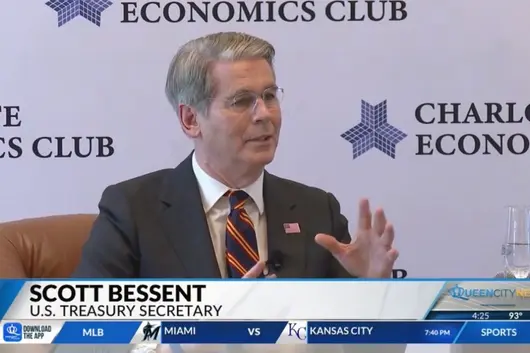
Dalam ucapan penting di Charlotte Economics Club, Menteri Kewangan Amerika Syarikat Scott Bessent memfokuskan kepada jenama automotif China, BYD. Tindakan ini sendiri memancarkan isyarat yang kuat: dalam keadaan reka bentuk semula ketara struktur industri automotif global, jenama China tidak dapat diabaikan.

Bessent berkata dalam ucapan itu bahawa BYD ialah kereta luar biasa yang dibeli pengguna dengan kos $35,000 dan menawarkan pengalaman setara nilai $70,000. Penilaian terbuka ini daripada pegawai tinggi Amerika Syarikat dengan cepat menarik perhatian luas di arena pendapat antarabangsa. Ia bukan sahaja pengiktirafan terhadap kekuatan produk jenama tunggal, malah mencerminkan semakan semula pasaran global terhadap akumulasi teknologi dan tahap pembuatan kereta baharu elektrifik China.
Penilaian ini bukan pujian terasing, tetapi berdasarkan prestasi pasaran kukuh. Data menunjukkan, sehingga Ogos, jualan luaran kenderaan persendirian dan pikap BYD mencapai 189,000 unit, meningkat 134.6% berbanding tahun sebelum, menambahkan lebih 100,000 unit berbanding tempoh sama tahun lepas, terus merobohkan rekod jualan luaran selama lima bulan berturut-turut. Lebih mencolok ialah, Januari hingga Ogos, jualan kumulatif luaran BYD 1.158 juta unit, angka ini melebihi sasaran jualan luaran tahun 2025 iaitu 1.0496 juta unit. Model seperti Yuan UP, Keluarga Dolphin, Song PLUS menjadi pasukan utama di pasaran luaran, mereka menunjukkan kekuatan penetrasi pasaran di Asia Tenggara, Eropah, Amerika Selatan.
Mengapa BYD dapat menonjol dalam persaingan antarabangsa yang sengit? Inti terasnya adalah parit teknologi dalam. BYD mencapai autonomi sepenuhnya bagi tiga teknologi teras: bateri, motor dan kawalan elektronik. Keupayaan penyelidikan dan pembangunan industri keseluruhan sedemikian, membolehkan BYD mengawal kos dan kualiti dari sumber, melalui pembuatan teliti berskala besar, mengubah kelebihan teknologi kepada kelebihan produk. Di pasaran luaran, pengalaman penggunaan mewah ditanda kira-kira $70,000, BYD menawarkan harga $35,000 kepada pengguna global, ini bukan perang harga mudah, tetapi perubahan logik premium jenama luaran tradisional.

Dalam nilai rantai industri automotif global yang didominasi syarikat automotif tradisional Eropah dan Amerika, premium jenama sering dibina di atas akumulasi sejarah seratus tahun. Namun, seiring aliran kerja peng Elektrikanan dan pengisian pintar, elemen teras persaingan berpindah secara asas. Pengguna tidak lagi hanya bayar Logo jenama, malah lebih tumpu pada kecekapan sistem tiga tenaga, keupayaan pemanduan pintar, penggunaan ruang dan kos memiliki kenderaan keseluruhan. BYD凭借 kebolehpercayaan Bateri Pisau, sistem hibrid super DM-i yang rendah bahan api serta Platform 3.0 e yang efisien, memberikan pengalaman penggunaan melebihi kereta bahan api tradisional pada harga sama.
"Nilai setara 70,000 Dolar AS" yang Bessent sebut, pada hakikatnya merujuk kelengkapan kaya, prestasi kuasa, kekedaman dan konfigurasi teknologi, yang capai tahap model berharga tinggi jenama mewah tradisional. Contohnya, sistem Yunniyan yang ia dukung dapat tingkatkan kualiti pemanduan secara ketara, DiLink perhubungan pintar memberikan interaksi manusia mesin lancar. Fungsi yang pernah dianggap eksklusif kereta mewah, kini pada model BYD menjadi piawai, meningkatkan dengan ketara rasa nilai kos produk.
Berhadapan kesan kaku luaran "harga rendah kualiti rendah", BYD jawapan kukuh melalui prestasi penghantaran sebenar. Di pasaran Eropah, BYD ATTO 3 (iaitu Yuan PLUS di dalam negara) berulang kali tempat teratas jualan SUV elektrik pelbagai negara; di Thailand, Brazil pasaran baharu, BYD lebih cepat menduduki hadapan bahagian pasaran. Pencapaian ini tidak boleh dipisahkan dari ketegasan strategik BYD menguasai pasaran luaran. Dari jualan jaringan tempatan sehingga perkhidmatan selepas jualan, dari infrastruktur tempatan sehingga undang-undang antarabangsa, BYD sedang bina keupayaan operasi global.
Kereta baharu elektrifik China menuju ke landasan baharu global dengan kekuatan keras. Landasan ini bukan lagi pengembangan skala mudah, tetapi persaingan komprehensif teknologi, jenama, perkhidmatan. Kes kejayaan BYD menunjukkan pembuatan China beralih "Pembuatan China" ke "Pembuatan Cerdas China" laju, inovasi teknologi tingkat nilai tambah, pelan global tingkat keupayaan risiko.
Perlu diperhatikan, pengembangan pantas BYD luaran juga timbul kebimbangan pembekal kepentingan tradisional. Rintangan perdagangan, siasatan subsidi anti bukan pasaran cara pelbagai. Namun, peraturan pasaran akhirnya ditentukan oleh undi pengguna. Apabila produk mampu kos rendah nilai tinggi, sebarang langkah pentadbiran sukar jangka halang kecenderungannya. Ucapan Bessent walaupun dari mulut pegawai Amerika, tetapi refleks hasrat pengguna rasional global terhadap produk berkualiti.
Masa hadapan, BYD akan teruskan pelaburan pasaran luaran. Selain eksport kenderaan lengkap, BYD di Hungary, Thailand, Brazil bina pangkalan pengeluaran, dorong pengeluaran tempatan. Model "Pengeluaran Global, Jualan Global" ini, akan kurangkan lagi kos logistik, pendekkan tempoh penghantaran, dan lebih baik adaptasi permintaan pasaran tempatan. Seterusnya, BYD juga perkuat kerjasama dengan pembekal komponen antarabangsa terkenal, masuk sistem rantai pasaran global, capai keuntungan bersama.
Dari Shenzhen ke dunia, laluan pertumbuhan BYD ringkasan kebangkitan industri automotif China. Ia membuktikan selagi teruskan inovasi teknologi, pegang garis dasar kualiti, hormat peraturan pasaran, jenama China mempunyai keupayaan sepenuhnya global pentas hormat. Sebutan nama oleh Bessent hanya permulaan. Dengan lebih banyak perusahaan China seperti BYD menuju ke luaran, peta industri automotif global akan dilukis semula. Bagi pengguna global, ini bermaksud pilihan lebih banyak, harga lebih baik dan pengalaman lebih baik. Dan inilah, manfaat terbesar perdagangan bebas dan kemajuan teknologi.
In the Malaysian SUV market, many buyers compare the Honda HR-V and Volkswagen Tiguan when choosing a car. These two models are quite close in price and positioning. Today, we will make a detailed comparison from multiple aspects to save you the time of doing research.
The Honda HR-V OTR price in Malaysia is RM 115,900 - 143,900, with a total of 4 versions, including 2026 e:HEV 1.5L RS (RM 143,900), 2026 1.5T V (RM 137,900), 2026 1.5T E (RM 130,900), etc.
The Volkswagen Tiguan OTR price in Malaysia is RM 206,540 - 260,024, with a total of 2 versions, including 2025 Allspace 2.0T R-Line (RM 260,024), 2025 Allspace 1.4T Elegance (RM 206,540), etc.
In terms of price, the starting price of the Honda HR-V is indeed RM 90,640 cheaper than the Volkswagen Tiguan. If your budget is limited, Honda's entry-level version can already meet daily needs. However, be aware that the few thousand RM difference might involve trade-offs in features, depending on your specific requirements.
The Honda HR-V safety rating is 5★ (ASEAN NCAP), with active safety systems including Honda SENSING (ACC, CMBS, LKAS, RDM).
The Volkswagen Tiguan safety rating is 5★ (Euro NCAP), with active safety systems including IQ.Drive.
Regarding safety features, both cars have received good ratings. However, there are some differences in functionality between the Honda HR-V's Honda SENSING (ACC, CMBS, LKAS, RDM) and the Volkswagen Tiguan's IQ.Drive. If you value active safety, you can compare their feature lists closely.
The Honda HR-V adopts the FWD drive system.
The Volkswagen Tiguan adopts the FWD drive system.
Both cars have the same drive system, both FWD, so there won't be much difference in daily driving experience.
Honda HR-V warranty: 5 years/unlimited mileage, maintenance interval: every 10,000km or 6 months.
Volkswagen Tiguan warranty: 3 years/100,000km, maintenance interval: every 10,000km or 6 months.

The Honda HR-V and Volkswagen Tiguan are both mainstream choices in the Malaysian market, suitable for family use and daily commuting. If you value brand reputation and resale value more, consider the one with the better reputation first; if you care more about cost-performance ratio and features, choose the model with richer configuration. Ultimately, we suggest test driving both; experiencing them personally is the most important.

Overall, the Honda HR-V and Volkswagen Tiguan are both excellent models in the Malaysian market. Which one to choose depends mainly on your personal needs and budget. It is recommended to do your research, compare quotes from several dealerships, and then test drive to make a final decision. Buying a car is a big matter; spending some time researching is definitely worth it.

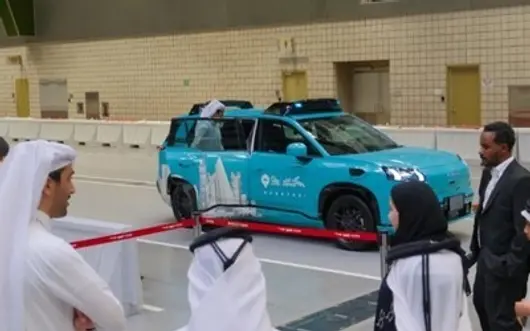
[Maklumat Sains dan Teknologi CNMO] Menurut maklumat rasmi, 7 September hingga 9 September, Forum Pengangkutan Elektrik Pemanduan Autonomi Kedua diadakan di Doha National Convention Centre. Semasa forum, Pony.ai bersama syarikat pengangkutan negara Qatar, Mowasalat, sama-sama melancarkan hasil fasa operasi komersial Robotaxi, dan serentak melancarkan projek pengalaman Robotaxi tanpa pemandu sepenuhnya pertama di Doha, menjadi kes pelaksanaan teknologi yang paling diminati dalam forum kali ini.

Pony.ai
Sejak pelancaran ujian jalan raya terbuka di Doha pada Ogos 2025, kedua-dua pihak telah menyelesaikan lompatan daripada ujian kepada operasi komersial hanya dalam masa empat bulan. Kini, pengguna boleh memanggil perkhidmatan Robotaxi melalui aplikasi Karwa di bawah Mowasalat, meliputi kawasan bandar lama, kawasan perniagaan utama CBD, lokasi pelancongan dan laluan pengangkutan peralihan ke Lapangan Terbang Antarabangsa Hamad, menghubungkan pelbagai senario seperti perjalanan harian, perjalanan perniagaan dan pelancongan. Ini juga merupakan projek pemanduan autonomi pertama Pony.ai di luar negara yang dicapai secara komersial berskala besar. Pengumuman rasmi yang dikeluarkan oleh Kementerian Pengangkutan Qatar pada Julai tahun ini menunjukkan bahawa tahap kepuasan penumpang dan prestasi keselamatan projek ini telah melebihi jangkaan, dan sistem teknologi serta operasi telah mempunyai syarat untuk promosi berskala besar.
Pengalaman pemanduan autonomi tanpa pengawal keselamatan yang dibuka untuk ujian semasa forum kali ini merupakan pengalaman pemanduan autonomi tanpa pengawal keselamatan pertama yang sebenar dalam sejarah pengangkutan bandar Doha. Mohammed Al Sayegh, seorang usahawan muda tempatan Qatar yang menyertai ujian tersebut berkata: "Ini adalah pengalaman kereta tanpa pemandu sepenuhnya yang pertama dan sebenar di Doha, sangat hebat, pemanduan autonomi jauh lebih selamat daripada pemanduan manusia."
Pengasas dan CEO Pony.ai, Peng Jun menyatakan bahawa amalan di Doha adalah langkah penting bagi teknologi pemanduan autonomi China menuju ke seluruh dunia. Pada masa depan, mereka akan terus memperdalam kerjasama dengan Mowasalat untuk menyediakan penyelesaian yang boleh dilaksanakan dan boleh ditiru bagi penambahbaikan pengangkutan bandar global. Projek kerjasama kedua-dua pihak dilaksanakan di bawah pengawasan Kementerian Pengangkutan Qatar, bertujuan membantu merealisasikan matlamat pengangkutan mampan "Visi Negara Qatar 2030".

Pony.ai
Setakat ini, pelaburan global Pony.ai telah meliputi 9 negara di Timur Tengah, Asia dan Eropah, operasi penumpang awam telah dilaksanakan di Croatia, Singapura, Qatar dan lain-lain. Baru-baru ini juga menerima pesanan kerjasama daripada platform pengangkutan utama global termasuk Uber, dan pemasangan Robotaxi di luar negara akan melebihi 4000 kenderaan.

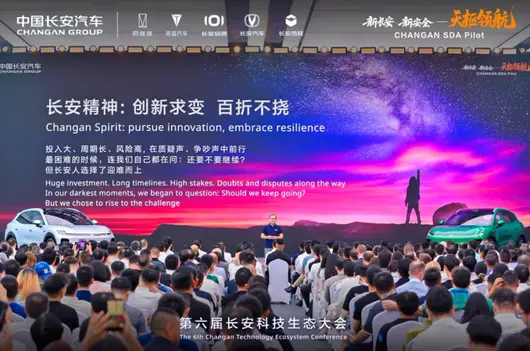
The moment the press conference ended, people around started placing orders
After Changan Auto released its Tianshu Pilot technology, Qiyuan Q06 simultaneously opened pre-sale orders, with a reservation price starting from 147,900 yuan. There are 7 pure electric versions and 2 extended-range versions, totaling 9 models.
Due to its strong performance in various aspects, it instantly switched to a high-volume order mode.
Where there is popularity, there are controversies. Someone asked an interesting question: Is this car the Changan version of the Xiaomi YU7?
This plainly reflects the questioning many new cars faced in the past year: Does Car A look like Car B? Is it a rushed product?
This is also the reason why Changan released the Tianshu Pilot technology before the Qiyuan Q06 pre-sale.
The strongest trump card of Qiyuan Q06 is three words — Full Self-Development. Tianshu Pilot, Tianshu Cockpit, Tianshu Chassis, three major "Tian Series" technologies gathered on one car for the first time, all developed by Changan from the ground up, representing a total release of Changan Auto's over a decade of intelligent accumulation.
In this issue, we will use four I Ching hexagrams, with Qiyuan Q06 as a product case, to excavate Changan Auto's core competitiveness in the Chinese and global markets.

Qian Hexagram: Single-segment End-to-End, Grasping the Core of Intelligent Driving
Qiyuan Q06 debuts with Tianshu Pilot Ultra, the first single-segment end-to-end intelligent driving system self-developed by a central state-owned enterprise.
What is a single-segment end-to-end? It's not engineers writing rules line by line, but the system watching over 20 million real driving videos and learning how to drive itself. Lane changes are smooth, cornering is stable, acceleration and deceleration are like an experienced driver, because it learned from real humans how to drive.
The hardware specs are tough too: 560 TOPS computing chip, 256-line LiDAR, LiDAR standard on all trims. In low light, backlight, rain, or fog, the machine sees clearer than humans. Achieving "identification earlier than humans" relies on 10Hz high-frequency inference and active LiDAR detection, so even in bad weather, it's not panic.
In terms of features, Highway NCA and City NCA are fully connected, usable from city areas to highways. Over 400 parking scenarios, including narrow spots, dead-end roads, diagonal spots, all handled in one move. 31 active safety functions monitor throughout, the system reacts before humans in emergency situations.
The most amazing is Interactive Pilot. Users just say "Lane change overtake", "Turn right at next intersection", the system understands instantly, also responds to continuous composite commands. Not making people adapt to the car, but the car adapts to people.
Why can these be done? It's the accumulation of full self-development technology. Not bought black boxes, not supplier solutions. It was polished and researched night and day by Changan's 7500 engineers.
The Qian Hexagram says "Heaven moves vigorously, the gentleman strives unceasingly". If you cannot master core technology yourself, you will always be choked by others.

Kun Hexagram: 2940mm Wheelbase plus 800V Fast Charging, Good Cars Make People Feel Secure
No matter how strong the intelligent driving is, the car is ultimately for people to sit in. In this aspect, Qiyuan Q06 goes the extra mile.
Wheelbase 2940mm, longest in its class, space efficiency 91.7%. Exterior doesn't look bulky, interior is very spacious. Rear seatback 145-degree infinite electric adjustment, all seats feature ventilation, heating, and massage. 1.3 meters interior net height, 479mm pure flat corridor, three people in rear seats don't hit legs or shoulders squeezed, dubbed the "Comfort Rear Seat King", not an exaggeration.
In terms of cockpit comfort, 15.6-inch 2.5K HD entertainment screen, sky screen with electric sunshade, instantly becomes a mobile cinema. The "Light Rail Passing Through Building" style electric sunshade, operation feels particularly ceremonial, just swipe lightly to open.
The chassis uses Tianshu Chassis, front double wishbone rear multi-link, luxury car level configuration. Class debut dual-motor rear drive, plus torque vector control, left and right wheel torque independent output. Makes Qiyuan Q06 not slip in rain, not float at high speed, not drift in turns, stable to drive, comfortable to sit.
Range and recharging are equally important, 800V Silicon Carbide platform plus 6C fast charging, fastest "one kilometer per second", charge 5 minutes, range 200 km. CATL battery cells, pure electric 700 km, extended range combined 1600 km, whether city commute or long distance travel, range anxiety basically non-existent.
"The greatness of technology lies not only in being advanced but also in being popularized". Kun Hexagram says "Virtuousness carries all things". Vehicle design is sufficiently generous, large space, stable chassis, long range, so a family can travel safely without worry, enjoying pleasure.

Ji Ji Hexagram: Not a Rushed Car, 15 Years of Ultimate Polishing
Many brands making intelligent driving cars wish to launch dozens of models a year, "Honest Car Making" Changan Auto does not do this.
In 2009, Changan established an intelligent research department, at that time most people didn't know what intelligent driving was. After 15 years, the intelligent team grew from 0 to 7500 people, investment over 60 billion. The first L3 autonomous driving official license plate in the country was taken by Changan, the only national key laboratory focusing on intelligent vehicle safety technology in the country was built by Changan.
This mass production of Tianshu Pilot Ultra on board, behind it is over 400,000 virtual simulation scenario trainings, cumulative verified mileage about 1.45 billion km. Changan executives personally served as "drivers", driving Qiyuan Q06 across dozens of cities nationwide, elevated merging, narrow road pedestrian-vehicle mixed traffic, polishing scenario by scenario.
To ensure users drive worry-free, Changan Auto also specially designed "Tianshu Pilot Peace of Mind Package", accident loss compensation, premium hike compensation, total loss replacement compensation, new and old users buying before end of 2026 all get free for one year. Full scenario protection, full process service, all users available.
Changan used 15 years to polish the sword extremely, only then do we have the today's complete intelligent driving solution composed of single-segment end-to-end, City NCA, over 400 parking scenarios together.
This is something rushed cars simply cannot do.
Ji Ji Hexagram water on fire, rice already cooked. Changan's intelligent driving feast, brewed for 15 years, verifies an old saying, good food is not afraid of being late.

Da You Hexagram: Full Stack Self-Development is the Root, Deep Roots Allow Leaves to Flourish
Someone asked, why can Qiyuan Q06 bring the pre-sale price down to 147,900?
The answer is still the previous three words: Full Self-Development.
Tianshu Pilot from chip to algorithm to chassis, all Changan does itself, not bought black boxes, not supplier patchwork solutions, it is written line by line by code by 7500 engineers.
Because of self-development, costs are controllable. 560 TOPS computing, 256 line LiDAR, 800V Silicon Carbide, 6C Fast Charging, dual-motor rear drive, full aluminum front double wishbone rear multi-link, these things put together, others need to sell for 300,000, Changan can sell for 147,900.
Because of self-development, iteration is fast enough, OTA upgrades don't need to wait for supplier schedules, Changan calls the shots.
Because of self-development, safety guarantee, the only National Key Laboratory for Intelligent Vehicle Safety in the country is Changan's own, Tianshu Intelligent Experiment Center is also Changan's own.
Tianshu Pilot divided into four gradients — Pro, Max, Ultra, Ultimate, LiDAR standard on all trims, single-segment end-to-end on all trims. Not luxury goods made for a few, but to let everyone use them.
Da You Hexagram says "Fire in the sky, light shines everywhere", full stack self-development is that fire, illuminating the road where 140,000 price range can also enjoy high-level intelligent driving.

Conclusion: Deeply Planted Roots, Branches and Leaves Can Reach Far

Full stack self-development root has been planted down, Changan's branches and leaves start to stretch outwards.
In 2025, Changan's annual overseas sales 637,000 vehicles, YoY growth 18.9%, exports accounted for 21.9% of total sales. First half of 2026, overseas delivery 402,000 vehicles, YoY sharp increase 35.1%, overseas business proportion in total sales has been raised to about 33.6%. Overseas business gross margin maintained above 20%, became Changan's high profitability second growth curve.
Thailand Rayong Factory 20,000th vehicle roll out, Brazil Anapolis Factory completed and production. Sales channels cover 129 countries and regions, global layout 93 factories. Changan plans to land Tianshu Pilot's Highway NCA solution overseas first next year.
From Chongqing to the world, from full stack self-development to global layout, Changan walks a path of "Deep Roots Flourishing Leaves".
Changan Auto Group Chairman Zhu Horong said at the press conference: "Core technology must be grasped in one's own hands, central state-owned enterprises must shoulder the banner of national competitiveness, new quality productive forces, technology self-reliance and self-strengthening."
Qiyuan Q06 is this flag. 147,900, single-segment end-to-end, 256 line LiDAR, 800V fast charging, dual-motor rear drive -, this car is not a substitute for anyone, it is Changan showing the sword polished for 15 years, pointing to the global.
Sword is drawn, the road to going global is illuminated.

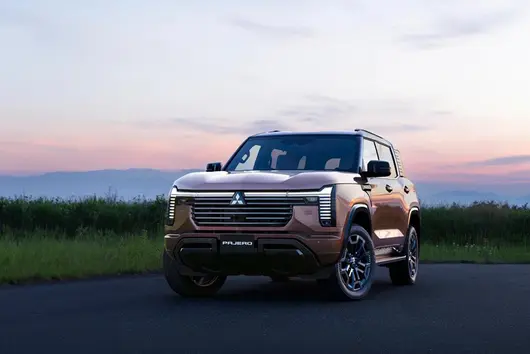
A return seven years late.
On September 2, Mitsubishi Motors globally unveiled the fifth-generation Pajero. This is the "Mountain Cat" returning to the global stage after seven years following its discontinuation in the Japanese market in 2019. But this time, the Pajero faces a market that is no longer the same as before.

For hardcore off-road enthusiasts, the Pajero is a name carrying the legend of 12 Dakar championships. At its peak, annual global sales once exceeded 170,000 units, especially in Southeast Asia, the Middle East, Australia, and Western China markets, where the Pajero was almost synonymous with "reliable, durable".
However, as the global SUV trend shifted from hardcore off-road to urban SUVs, Pajero sales continued to shrink. By 2018, its annual sales in Japan dropped to 600 units. In 2019, Mitsubishi had to announce the discontinuation of the Pajero in the Japanese market, retaining only limited production overseas.
And the reason for the Pajero's exit is solely one: sales volumes could no longer support the huge R&D investment for an independent platform. It is reported that the fourth-generation Pajero adopted a unibody with an integrated trapezoidal frame, having an independent development system and production line. This system operated well during the peak of 170,000 annual sales, but when sales dropped to the thousand-unit level that year, developing a Pajero independently was no longer economically viable.

But discontinuation is not the end of the story. In 2026, Mitsubishi found the answer to revival. According to multiple media reports, the new car is no longer developed from scratch but mounts an SUV body on the Triton platform, with parts and supply chains highly shared. The significant reduction in R&D costs gave a model originally economically unviable renewed commercial feasibility. However, it is worth noting that this platform solution brought the Pajero back from the fourth-generation semi-monocoque body to the traditional non-load-bearing (with ladder frame) hardcore route — off-road performance is harder, but highway handling and ride comfort are likely not as good as the previous generation. The balance between sentiment and practicality has tilted again.
Not only that, Mitsubishi's ambition lies in expanding the Pajero from a single model to a complete series: In 2028, launch a mid-size Pajero sharing parts with the Outlander; in 2030, launch a mini Pajero targeting K-Car class. Facing difficulties competing directly with Toyota and Honda in the mainstream passenger car market, Mitsubishi chose to establish its own brand position in the "hardcore off-road" niche segment. Mitsubishi Motors predicts that by the 2030 fiscal year, global off-road SUV demand will reach 6.6 million units, an 80% growth over 10 years.

However, imagination is beautiful, but reality is stark. The off-road market today has completely changed: in overseas markets, the Pajero no longer faces only old rivals like Toyota and Ford, but also a group of new players entering from China. According to data from CAAM, in the first half of 2026, China's automobile export volume reached 4.059 million units, a 63% surge year-on-year; in 2025, Chinese brands' market share in Thailand reached 22%, Japanese brands fell below 70% for the first time, and the Tank brand's share in Thailand's non-load-bearing SUV market soared to 53.2%; in Russia and the Middle East, the Tank brand is also expanding rapidly. These Chinese off-road vehicles not only have hardcore strength, but also new weapons of electrification and intelligence — in 2025, the market share of independent brands in China's hardcore off-road market exceeded 70%. In the same year the Pajero was revived, the lineup of opponents was already completely different.

And focusing on the domestic market, the situation is even more complex. According to public information, Mitsubishi's whole vehicle business in China was discontinued in 2023. The new Pajero is unlikely to be imported through official channels; the only entry point is parallel import, with an estimated price of over 400,000 yuan. At this price point, the Tank 500 Hi4-T and Fang Cheng Bao Bao 5 have already equipped air suspension, lidar, and cooling/heating fridges. Domestic users' expectations for off-road vehicles are no longer just "can climb mountains and cross rivers", but "capable in both city and wild".
Meanwhile, Mitsubishi executives have also admitted outright: competing on price with Chinese enterprises is not feasible. This also means that even if the Pajero enters China, it will not take the cost-performance route, but must exist as a niche, high-premium "sentiment" identity. The only question is, how many people are still willing to pay for "sentiment" nowadays?

Usable, but not cutting-edge; pragmatic, but lacks surprises.
The Pajero has returned, using the most mature and cheapest technical solution Mitsubishi has on hand, facing a battlefield that is more crowded and more complex than seven years ago. Today, the global off-road market is still growing, but the definition of growth is being rewritten by Chinese brands. The Pajero will face a new game with changed rules, and whether it can continue its former glory, the market will soon provide the answer.

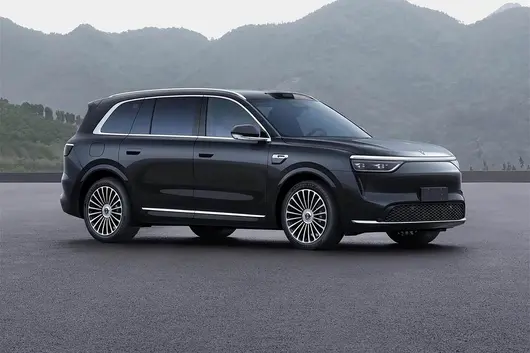
喺馬來西亞嘅 SUV 市場,好多買家喺揀車嗰陣都會拎 Honda HR-V 同 Subaru Crosstrek 嚟做比較。呢兩部車喺價位同定位上都幾接近,今日我哋就從多個方面做一個詳細嘅比較,幫你省返做功課嘅時間。
Honda HR-V 喺馬來西亞嘅 OTR 售價係 RM 115,900 - 143,900,一共有 4 個版本,包括 2026 e:HEV 1.5L RS(RM 143,900)、2026 1.5T V(RM 137,900)、2026 1.5T E(RM 130,900) 等。
Subaru Crosstrek 喺馬來西亞嘅 OTR 售價係 RM 145,000 - 160,000,一共有 1 個版本,包括 2.0L e-Boxer(RM 150,000) 等。
從價錢嚟睇,Honda HR-V 嘅起步價確實比 Subaru Crosstrek 平咗 RM 29,100。如果你預算有限,Honda 嘅入門版已經可以滿足日常需求。但都要注意,平少少嘅幾千蚊,可能在配備上會有取舍,具體要看你嘅需求。
Honda HR-V 搭載 1.5L Turbo,馬力 140 hp。官方油耗 7.0 L/100km。
Subaru Crosstrek 搭載 1.5L Turbo,馬力 140 hp。官方油耗 7.0 L/100km。
兩款車用咗同一套動力系統,日常開起嚟嘅感受基本冇分別。油耗方面都差唔多,唔使太糾結這一點。
Honda HR-V 車身長 4500 mm,行李廂 450 L。
Subaru Crosstrek 車身長 4400 mm,行李廂 400 L。
空間方面,Honda HR-V 嘅車身比 Subaru Crosstrek 長咗 100 mm,車內乘坐空間會稍微寬裕少少,尤其是後座腳空間。如果你經常載家人或者需要放嬰兒車,大少少嘅車身確實更實用。
Honda HR-V 同 Subaru Crosstrek 都係馬來西亞市場嘅主流選擇,適合家庭用車、日常通勤。如果你更看重品牌口碑同二手價,可以優先考慮口碑更好嗰一款;如果你更在意性價比同配備,就選配置更豐富嗰款。最終都係建議兩款都去試車,親身體驗先係最重要嘅。
總嚟講,Honda HR-V 同 Subaru Crosstrek 都係馬來西亞市場好唔錯嘅車款。揀邊一輛,關鍵仲係睇你嘅個人需求同預算。建議大家做好功課,多比較幾間車行嘅報價,再去試車做最後決定。買車係件大事,花少少時間做功課絕對唔會錯。

In one month, 19,000 units vanished out of thin air.
Roughly calculating based on AITO's average transaction price of over 300,000 yuan, this represents over 6 billion yuan in revenue, gone just like that.
This is Seres' August report card: NEV sales of 24,244 units, a year-over-year drop of 43.96%.

Yet, hidden in the same table is a contradictory situation — the all-new AITO M9, a major player with an average price of 600,000, delivered over 30,000 units cumulatively in 12 weeks! It sat at the number one sales spot in the 500,000-price-segment market for two consecutive months.
Premium sales are getting better, yet the total volume collapsed by 40%. Putting these two numbers together is where the most significant aspect to consider lies in this decline in August.

So what exactly happened to AITO? Is it really in trouble?
My view: Don't rush to predict doom, nor rush to find excuses for it. This stumble is half because it stood too high last year, and half because Huawei stores no longer have AITO as the sole prime spot — and AITO happened to catch the timing between old models phasing out and new ones not yet arriving.
First, the most practical point: That number from last year was inherently abnormal
Year-over-year data is easiest to deceive with. It compares not how much was sold this year, but how much less was sold this year compared to last.
That summer in 2025, the AITO M8 EV version exploded in orders upon launch. The entire August saw AITO M8 EV and Extended Range models sell over 20,000 units in one month, forcibly pulling the whole brand onto a high stage. When you jump down from a two-meter-high platform, the drop in landing is naturally significant.

Change the calculation and it becomes clear: Seres cumulative sales from January to August reached 227,250 units, down 12.58% year-over-year. Single month down 40%, cumulative down over 10%. These two numbers together show the true water level — the drop mainly hit the base number.
This month of August, AITO was exactly stuck in the gap of gear shifting
Few have fully explained this layer of reason, but it is the most crucial.
Look at AITO's current product lineup and it becomes clear: The old M7 is at the end of its lifecycle, sales were naturally declining; M8 is in the middle of a facelift switch, old stock cleared out, new version not yet selling, the channel is basically empty; M9's Ultimate Lingshi Long Wheelbase version was announced for a long time, ready for delivery only by the end of August, people wanting to buy are clutching money waiting.

The old are exiting, the new haven't arrived, this month in between is a vacuum.
AITO M6 is considered the most volume-capable model at the moment, with cumulative deliveries already breaking 50,000 units. But it alone cannot fill the hole left by M7 plus M8.

So in the 43.96%, there is indeed a part that was a choice — rather than letting old cars exit gracefully, it wouldn't do the cosmetic change clearance sale routine. But this layer only explains one-third.
The rest requires looking one level higher
HarmonyOS Intelligent Solution now has five brands. Last year when there were three brands, the best booths in Huawei stores and the first recommendation from sales staff were basically reserved for AITO. Now it's different: Shangjie Z7 starts from 219,800, Luxeed V9 sells up from 389,800. Stores are that size, foot traffic is that amount, sales staff only have that much time per day.

Numerical data confirms this. AITO's sales share within HarmonyOS Intelligent Solution dropped from 69.64% in the first half of last year to 67.19% this year. It only looks like a drop of two percentage points, but this happened under the premise that the other four brands were all pushing new cars — the pie got bigger, but AITO's slice didn't grow with it.
There is a colder fact: August saw HarmonyOS Intelligent Solution full-series deliveries of 42,101 units, also down 5.56% year-over-year. It's not just AITO pulling back. Meanwhile, Leapmotor delivered 356,500 units in the first half with a 60% increase year-over-year, Nio delivered 191,100 units with a 67.4% increase, and HarmonyOS Intelligent Solution only grew by 18.6% in the first half.

Huawei's technical label was once a river exclusive to AITO. Now this river is used together by the five brands across two environments.
The financials are actually still strong
After discussing the pressure, we must also talk about the confidence, otherwise it becomes predicting doom.
M9 has truly stood firm: Winning the sales crown in the 500,000-price-segment market for two consecutive months, full-series cumulative deliveries breaking 300,000 units, ranking first on the J.D. Power NPS list five times consecutively. Selling nearly 10,000 units per month at prices over 500,000, few domestic brands can achieve this, and it's not achieved by price cuts.
The money is enough. As of June 30, Seres sits on 73.15 billion yuan in cash reserves; R&D investment in the first half was 7.007 billion yuan, a year-over-year increase of 34.8%. Selling fewer units, R&D investment instead becomes more aggressive — indicating management has figured it out: Short-term volume can be lost, but the technical rhythm must not break. Magic Cube Technology Platform 2.0, next-generation Super Extended Range, Intelligent Safety are the tools to make a living in the next three years.

There are hard indicators on the brand front. In the Brand Finance 2026 Top 100 Global Automotive Brand Values, AITO, valued at $3.448 billion, is the only Chinese face in the Global Luxury Brand TOP 10. This position cannot be exchanged for a monthly sales volume of tens of thousands.
Overseas is also not idle: Indonesia factory 100,000 unit capacity baseline, Middle East secured the first batch of 200 units orders, overseas selling price is higher than domestic by a chunk. This move is still early, but the direction is right.
So is it viable?
My judgment is: Short-term pain exists, it is too early to conclude now, but there are two checkpoints that cannot be glossed over.
The first is if the facelifted M8 launches in September, whether it can pick up sales, directly testing if the "gear shifting" argument holds water. If it returns to over 30,000 units, August was just a small pit; if sales continue to be sluggish, the problem is not just gear shifting.

The second is the Fourth Quarter. AITO first-half sales were about 160,800 units, up 5.6% year-over-year, the annual goal of 500,000 units, the completion rate is about 32%. To make up for this gap, sales of models under the brand need to maintain high growth.
This industry is a marathon not a sprint, this is correct. But those who have run a marathon know — you can adjust breathing midway, but your pace cannot drop too hard, otherwise it is hard to catch up later. And Seres' problem now is likely a midway adjustment, not failing to keep up with market development, but Seres actively adjusting the new-old model transition in a rhythmic pattern. So we believe it will catch up soon.

喺馬來西亞嘅 SUV 市場,好多買家喺揀車嗰陣都會拎 Honda HR-V 同 Volkswagen Tiguan 嚟做比較。呢兩款車喺價位同定位上都幾接近,今日我哋就從多個方面做一個詳細嘅比較,幫你省咗做功課嘅時間。
Honda HR-V 喺馬來西亞嘅 OTR 售價係 RM 115,900 - 143,900,一共 4 個版本,包括 2026 e:HEV 1.5L RS(RM 143,900)、2026 1.5T V(RM 137,900)、2026 1.5T E(RM 130,900) 等。
Volkswagen Tiguan 喺馬來西亞嘅 OTR 售價係 RM 206,540 - 260,024,一共 2 個版本,包括 2025 Allspace 2.0T R-Line(RM 260,024)、2025 Allspace 1.4T Elegance(RM 206,540) 等。
從價錢嚟睇,Honda HR-V 嘅起步價確實比 Volkswagen Tiguan 平咗 RM 90,640。如果你預算有限,Honda 嘅入門版已經可以滿足日常需要。但都要留意,平嗰幾千塊,可能喺配備上會有取舍,具體要睇你嘅需要。
Honda HR-V 嘅安全評級係 5★ (ASEAN NCAP),主動安全系統包括 Honda SENSING (ACC, CMBS, LKAS, RDM)。
Volkswagen Tiguan 嘅安全評級係 5★ (Euro NCAP),主動安全系統包括 IQ.Drive。
安全配備方面,兩款車都拿到唔錯嘅評級。不過 Honda HR-V 嘅 Honda SENSING (ACC, CMBS, LKAS, RDM) 同 Volkswagen Tiguan 嘅 IQ.Drive 喺功能上有少少差異,如果你比較睇重主動安全嘅話,可以仔細比較下兩者嘅功能列表。
Honda HR-V 車身長 4500 mm,尾箱 450 L。
Volkswagen Tiguan 車身長 4400 mm,尾箱 400 L。
空間方面,Honda HR-V 嘅車身比 Volkswagen Tiguan 長咗 100 mm,車內乘坐空間會寬鬆啲,尤其係後座腿部空間。如果你經常載家人或者需要放嬰兒車,大少少嘅車身確實更實用。
Honda HR-V 保修 5 年/無限里程,保養間隔 每 10,000km 或 6 個月。
Volkswagen Tiguan 保修 3 年/100,000km,保養間隔 每 10,000km 或 6 個月。
總體嚟講,Honda HR-V 同 Volkswagen Tiguan 都係馬來西亞市場幾好嘅車型。揀邊一部,關鍵都要睇你嘅個人需要同預算。建議大家做好功課,多比較幾間車行之報價,再去試駕做最終決定。買車係件大事,花少少時間做功課絕對唔會錯。

Musim panas berlalu dan musim luruh tiba, angin miring dan hujan halus membawa kesejukan pagi. Ramalan pasaran kereta untuk suku keempat pada masa ini, lebih seperti melihat gunung jauh di dalam hujan musim luruh, kontur ada, perincian sukar. Akhir suku ketiga, pasaran kereta domestik tidak mengalami kegembiraan tradisional "Emas September, Perak Oktober", sebaliknya menunjukkan keletihan di bawah fluktuasi harga minyak, pertukaran dasar dan gesekan perdagangan luar. Suku keempat biasanya adalah saat menentukan kemenangan keseluruhan tahun, tetapi pembolehubah tahun ini jelas lebih kompleks daripada tahun-tahun sebelumnya. Menurut pandangan saya, kata kunci pasaran kereta suku keempat hanya dua: Peralihan Minyak-Elektrik dan Perlahankan Eksport. Harga minyak, pembolehubah lama ini, mengganggu lagi. Peraturan baharu MIIT mengenai kenderaan baharu telah mendarat, operasi khas peningkatan kualiti sedang berlangsung panas, industri berhadapan dengan cabaran kualiti dan keselamatan kenderaan baharu. Di bawah latar belakang tekanan dalaman dan luaran yang bertindan, gelontor industri akan jelas dipercepatkan.
Fluktuasi Harga Minyak, Kereta Petrol Hadapi "Ujian Tekanan Kos"

Harga minyak antarabangsa pada akhir suku ketiga telah menunjukkan tanda mudah naik sukar turun. Selat Hormuz masih berapi-api, gesekan geopolitik Timur Tengah berulang kali, prestasi pelaksanaan pengurangan pengeluaran OPEC+ tidak stabil, ditambah lagi dengan pusingan dasar monetari ekonomi utama dunia, Minyak Mentah Brent bergegar giat dalam julat 70-95 Dolar/barel, tidak mustahil suku keempat akan melonjak mendadak 100 Dolar kerana insiden luar biasa. Setiap lompatan harga minyak akan dialihkan ke harga minyak siap domestik. Bagi pengguna kereta petrol, kos minyak adalah "kos kronik", lebih peka daripada harga kereta.
Suku keempat Utara akan memasuki musim pemanasan, permintaan diesel dan petrol naik mengikut musim, kilang penapisan dan kos pengendalian minyak juga boleh mendorong harga minyak hujung. Kesan harga minyak tinggi terhadap kereta petrol bukan potong sama rata: jenama mewah, pengguna SUV besar mempunyai toleransi tinggi terhadap harga minyak, tetapi pengguna keluarga dalam julat 100,000 hingga 200,000 Yuan akan kira semula. Sebagai contoh kereta keluarga dengan kecekapan 8 liter per 100 km, harga minyak naik 0.5 Yuan per liter, kos perjalanan 15,000 km setahun meningkat 600 Yuan; walaupun tidak banyak, ia adalah jerami dalam bajet keluarga. Lebih penting ialah jangkaan psikologi: sekali petrol RON95 hampir 9 Yuan/liter, pengguna yang ragu-ragu akan bergerak ke arah hibrid terancap dan elektrik tulen. Saya sering buat undian kecenderungan pembelian di ruang siaran langsung, dulu yang pilih kereta petrol jauh unggul daripada kenderaan baharu, tetapi dua minggu lalu, undian yang pilih kenderaan baharu sangat hampir dengan kereta petrol, boleh dikatakan setara.
Tetapi saya anggaran kereta petrol tidak akan "runtuh" sepenuhnya pada suku keempat. Di satu pihak, suhu rendah musim sejuk menyebabkan jarak tempuh kereta elektrik tulen mengecut, kecekapan pengecasan menurun, pasaran utara dan bandar ketiga hingga keempat masih ada banyak pengguna yang menganggap kereta petrol sebagai keperluan. Di pihak lain, pengeluar kereta pada hujung tahun untuk mencapai sasaran jualan, akan meningkatkan diskaun hujung bagi kereta petrol, penurunan harga sesetengah model akan menentang kos penggunaan yang meningkat akibat kenaikan harga minyak. Sudah tentu, yang benar-benar terluka ialah model kereta petrol yang kecekapan tinggi dan margin jenama rendah, terutamanya produk sederhana dan rendah yang diwarisi semasa peralihan piawaian G5/G6, suku keempat mungkin akan membersihkan stok dengan cepat.
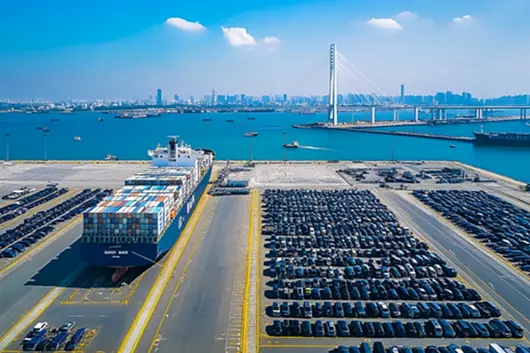
Kesan harga minyak terhadap eksport lebih memerlukan pembahagian dua hala. Harga minyak naik terus menolak kos penghantaran kapal pengangkut kenderaan laut jauh dan kontena, kos logistik eksport kereta lengkap China ke Eropah, Afrika, Amerika Latin meningkat, keuntungan per kereta dipampat. Tetapi negara eksport tenaga seperti Timur Tengah, Rusia, Asia Tengah memperbaiki pendapatan fiskal dalam kitaran kenaikan harga minyak, permintaan import kereta sebaliknya mungkin meningkat. Oleh itu, pasaran eksport suku keempat akan menunjukkan pembezaan "jika timur tidak cerah, barat cerah", ini mencadangkan keperluan strategi pasaran yang lebih tinggi kepada jenama China. Sebenarnya, dari pengalaman krisis minyak pada abad lalu dan hakikat permainan tenaga sejak perang Rusia-Ukraina, harga minyak tidak pernah sekadar masalah ekonomi, ia bayang-bayang geopolitik, bayang-bayang tahun suku keempat ini akan lebih panjang.
Peraturan Baharu MIIT Mendarat dan Operasi Peningkatan Kualiti Dimulakan, Kenderaan Baharu Beralih dari "Lari Awal" ke "Lumba Utama"

Peraturan baharu MIIT dalam bidang kenderaan baharu tahun ini, sudah lama dibincangkan dalam industri. Arah teras tiada lain tiga: menaikkan ambang keselamatan bateri kuasa dan kawalan kualiti kereta lengkap, mengawalkuat kawalan kualiti kenderaan baharu, mengencangkan had kecekapan tenaga keretapi penumpang elektrik tulen, sempurnakan pemindahan dan penilaian kredit kenderaan baharu. Peraturan baharu memasuki pelaksanaan terkumpul dan masa baki transisi suku keempat, kesan terhadap industri lebih mendalam daripada yang difikirkan.
Pertama, ambang keselamatan meningkat akan memberi tekanan kepada sesetengah model elektrik tulen sederhana. Dalam beberapa tahun kebelakangan ini, idea "menukar harga dengan kuantiti" kenderaan baharu, melahirkan sesetengah kereta elektrik mikro yang jarak tempuh kurang 300 km, sistem pengurusan bateri agak mudah. Peraturan Julai baharu提出 lebih banyak keperluan perlindungan pelupusan terma, keselamatan bateri selepas pelanggaran, pemantauan proses pengecasan, kos kesesuaian model ini akan jelas meningkat. Suku keempat sesetengah syarikat mungkin pilih bersihkan stok, malah keluar pasaran. Dari nisbah aduan titik kegagalan pada Chezhinet, kegagalan bateri kuasa, jarak tempuh palsu, skrin mesin kereta mati masalah lama berada di teratas, peraturan baharu seperti tali kekang kepada pertumbuhan liar. Saya sentiasa pegang satu pandangan: kenderaan baharu tidak boleh hanya bergantung pada subsidi dan dasar untuk matangkan, garis bawah keselamatan mesti dipelihara dengan piawaian yang dikuatkuasakan.
Kedua, mengencangkan had kecekapan tenaga akan mengubah struktur persaingan antara elektrik tulen dan hibrid terancap. Peraturan baharu MIIT提出 keperluan berperingkat kecekapan elektrik per 100 km untuk model elektrik tulen, cara menimbun bateri besar, menimbun berat kereta untuk dapatkan jarak tempuh panjang tidak boleh lagi. Ini ujian bagi SUV elektrik tulen harga tinggi yang bergantung pada bateri besar, berat kereta tinggi, tetapi lebih mesra kepada sedan yang lebih ringan, lebih jimat tenaga. Pada masa yang sama, hibrid terancap dan model pembesar jarak kerana boleh兼顾 kecekapan tenaga masa jauh dan pengurangan kecekapan, akan terus meningkat pesat pada suku keempat. Saya bahu, dalam kenderaan baharu akan muncul "pertumbuhan elektrik tulen melambat, hibrid terancap pembesar jarak menjadi tumpuan" peralihan fasa, ini adalah pilihan pasaran paling rasional di bawah bimbingan dasar.
Ketiga, penilaian kredit yang semakin ketat bermakna syarikat kereta petrol mesti membeli lebih banyak kredit positif kenderaan baharu, atau meningkatkan投放 model kenderaan baharu mereka sendiri. Suku keempat itu sendiri adalah tempoh penutupan tahunan kesesuaian kredit, di bawah peraturan baharu nisbah kredit meningkat, sesetengah jenama gabungan dan pengeluar petrol domestik menghadapi tekanan berganda: di satu pihak kereta petrol hujung perlu promosi untuk jualan, di pihak lain kos kredit meningkat mengunyah keuntungan. Refleksi pasaran, perang harga tidak akan henti, tetapi akan daripada "persaingan dalaman" kenderaan baharu meluas kepada minyak dan elektrik sama-sama turun harga, tekanan stok pengedar pada Disember mungkin mencapai puncak.
Perlu diperhatikan, peraturan baharu MIIT bukan hanya "kawal" tidak "bantu". Bagi syarikat yang mempunyai keupayaan penyelidikan, pengeluaran, jaminan kualiti lengkap, peraturan baharu memberi kemudahan lebih besar dalam kelulusan dan pengisytiharan produk; bagi "syarikat cangkerang" dan model pembungkusan dipermudahkan, bermaksud menindas pembinaan berulang tahap rendah. Suku beberapa jenama kenderaan baharu yang kekurangan teknologi teras, bergantung pada jenama OEM mungkin akan keluar pasar dengan cepat, konsentrasinya industri meningkat. Terutamanya operasi khas peningkatan kualiti kenderaan MIIT yang diadakan bulan lalu, dan kes pelanggaran keseragaman pengeluaran kenderaan baharu yang terdedah secara terkumpul, tindakan luar biasa, semuanya merujuk kepada perilaku jangka pendek menggantikan kuantiti dengan kualiti dalam fasa perkembangan pesat kenderaan baharu, ini adalah perkara baik bagi hak pengguna yang diperhatikan Chezhinet - persaingan tidak tertib berkurang, keupayaan dasar kualiti meningkat. Dari analisis data aduan Chezhinet baru-baru ini, peratusan aduan masalah kualiti kenderaan baharu sudah melebihi kereta petrol, selepas pelaksanaan peraturan baharu, syarikat lagi mengambil pengguna sebagai "tikus percubaan", kosnya akan semakin tinggi.
Legenda "Mencerun Kuantiti Eksport" Sejuk, Tempatan dan Kesesuaian Jadi Penentu

Dua tahun kebelakangan ini eksport kereta China melenggang naik, terutamanya tahun ini runcit turun, pukulan naik, sesetengah pengeluar kereta eksport meningkat melebihi 100%,这说明 eksport menjadi injap pengurang tekanan syarikat untuk keluar daripada kesukaran runcit domestik. Tetapi suku keempat mungkin sukar sambung momentum kenaikan tunggal,环比 mungkin kehilangan kelajuan kerana tiga sebab: pertama, tarif anti subsidi UE terhadap kenderaan elektrik China sudah menghasilkan kesan sebenar, walaupun sesetengah syarikat mengelakkan dengan membina kilang di tempat, masa untuk meningkatkan kapasiti pengeluaran memerlukan masa; kedua, pasaran Rusia kerana sanksi dan penyesuaian dasar tempatan, jenama China walaupun menempati bahagian besar, tetapi pembayaran, logistik dan keperluan pengeluaran tempatan semakin ketat, ruang keuntungan semakin sempit; ketiga, pasaran baharu seperti Asia Tenggara, Timur Tengah, Amerika Latin walaupun peningkatan pantas, tetapi asas terhad, dan jenama Jepun, Korea Selatan kereta sedang melawat semula.
Pembolehubah lebih tersembunyi adalah pengangkutan dan nilai tukar. Harga minyak tinggi ditambah risiko geopolitik Selat Merah, Selat Hormuz masih wujud, kadar pengangkutan laluan utama dunia meningkat. Eksport kereta China sangat bergantung pada pengangkutan laut, keadaan kekurangan kapal pengangkut kenderaan Ro-Ro walaupun sedikit pulih, tetapi kos tambahan insurans dan biaya pelabuhan meningkat. Suku keempat eksport per kereta kos logistik mungkin bertambah beberapa ratus hingga seribu Yuan, bagi jenama China yang bergantung pada kos harga rendah untuk memukul pasaran bukan jumlah kecil. Selain itu, dolar AS, Euro dengan nilai tukar RMB kini perubahan julat meningkat, juga akan menjejaskan penyelesaian keuntungan eksport.
Walau bagaimanapun, perlahankan pertumbuhan eksport tidak bermaksud titik pusing ke bawah. Pengeluar kereta China sedang beralih dari "eksport kereta lengkap" ke "eksport kapasiti pengeluaran". Suku keempat akan ada lebih banyak projek CKD dan SKD di Thailand, Indonesia, Brasil, Hungary berlabuh atau menambah kapasiti. Model ini boleh mengelak halangan tarif, mengurangkan kos logistik, dan merangkumi rantaian bekalan tempatan. Tetapi pengeluaran tempatan terhadap keseragaman kualiti, perkhidmatan selepas jualan dan pengurusan jenama juga memerlukan keperluan lebih tinggi, kos pemasaran pasaran luar negara akan menunjukkan trend meningkat. Chezhinet walaupun kini memikul tanggungjawab mematuhi kualiti perkhidmatan pasaran domestik, dari kajian syarikat perunding Capgemini mendapati, pasaran luar negara terhadap jangkaan kualiti "kereta China" sedang meningkat,一旦出现 masalah kualiti secara beramai-ramai, pasti akan menjejaskan imej keseluruhan jenama. Jenama China di luar negara tidak boleh hanya menang dengan harga dan konfigurasi, rangkaian perkhidmatan dan bekalan配件 adalah asas daya saing jangka panjang.
Penilaian gabungan, suku keempat runcit kereta penumpang sempit domestik berkemungkinan meningkat atau sama secara tahun ke tahun, tetapi turun secara tahun ke tahun keseluruhan tahun sudah pasti. Persatuan Pengedaran Kereta China dan Persatuan Pasaran Kereta meramalkan, bulan Ogos kenderaan baharu akan kembali ke pertumbuhan positif secara tahun ke tahun dan bulan ke bulan, suku keempat peningkatan akan stabil; dari segi penembusan, bulan Ogos akan menembusi tujuh puluh peratus, manakala suku keempat berkemungkinan mencapai 55%-58%, tetapi peningkatan berbanding dua tahun lalu jelas melambat; dari segi pertumbuhan eksport secara tahun ke tahun mungkin mengecil ke 10%-15%, dari segi struktur daripada "mencerun kuantiti" ke "menenun rangkaian". Secara tunggal daripada angka, peningkatan tidak memuaskan. Yang benar-benar perlu berwaspada ialah, keuntungan industri dan kesihatan pengedar mungkin berterusan memburuk di bawah tekanan berganda perang harga dan kos kesesuaian.
Penutup:
Pasaran kereta suku keempat tahun 2026 bukan garis lurus tenang. Harga minyak tinggi波动 mencabar ketahanan kos kereta petrol, peraturan baharu MIIT untuk kenderaan baharu menetapkan sempadan trek yang lebih jelas, eksport dalam keadaan luaran yang semakin kompleks beralih dari perubahan kuantiti ke kualiti. Bagi pengeluar kereta, suku keempat bukan siapa siapa yang suara besar, tetapi siapa yang stok kesihatan, arus tunai kukuh, kualiti produk tahan pemeriksaan mikroskop. Peralihan antara minyak dan elektrik, bukan siapa menggantikan siapa, tetapi masing-masing mencari ruang hidup yang lebih sesuai. Seperti yang dikatakan oleh Presiden Great Wall Wei Jianjun: seratus tahun hadapan kereta petrol tidak akan hilang, tetapi pemacu elektrik akan menjadi arus utama zaman. Hanya yang tidak berubah ialah perubahan itu sendiri. Dalam perubahan besar dunia kereta yang tidak menentu di dunia, satu-satunya yang boleh dipastikan ialah, yang mengira dasar, harga minyak dan risiko luar negara ke dalam kos syarikat sahaja, yang mungkin berdiri teguh pada musim bunga tahun depan dan masa depan yang lebih jauh.
In the Malaysian SUV market, many buyers compare the Honda HR-V and Kia Sportage when choosing a car. These two cars are quite close in price and positioning. Today, we will make a detailed comparison from multiple aspects to help you save time on research.
The Honda HR-V OTR price in Malaysia is RM 115,900 - 143,900, with a total of 4 versions, including 2026 e:HEV 1.5L RS (RM 143,900), 2026 1.5T V (RM 137,900), 2026 1.5T E (RM 130,900), etc.
The Kia Sportage OTR price in Malaysia is RM 129,639 - 179,320, with a total of 4 versions, including 2025 1.6T DCT 4WD High (RM 179,320), 2025 1.6T DCT 2WD High (RM 159,320), 2025 2.0L AT 2WD High (RM 139,639), etc.
From a pricing perspective, the starting price of the Honda HR-V is indeed RM 13,739 cheaper than the Kia Sportage. If your budget is limited, Honda's entry-level version is already sufficient for daily needs. However, also note that the few thousand difference might involve compromises in features, depending on your specific requirements.
Honda HR-V is equipped with a 1.5L Turbo, 140 hp. Official fuel consumption 7.0 L/100km.
Kia Sportage is equipped with a 1.5L Turbo, 140 hp. Official fuel consumption 7.0 L/100km.
Both cars use the same powertrain, and the driving feel is basically the same in daily use. Fuel consumption is also similar, so there is no need to fuss over this too much.
Honda HR-V body length is 4500 mm, trunk 450 L.
Kia Sportage body length is 4400 mm, trunk 400 L.
In terms of space, the Honda HR-V body is 100 mm longer than the Kia Sportage, and the interior seating space is slightly more spacious, especially the rear legroom. If you often carry family members or need to fit a stroller, the larger body is indeed more practical.
Honda HR-V uses FWD drive system.
Kia Sportage uses FWD drive system.
Both cars use the same drive system, both are FWD, and the daily driving feel will not differ much.

Honda HR-V and Kia Sportage are both mainstream choices in the Malaysian market, suitable for family use and daily commuting. If you value brand reputation and resale value more, you may prioritize the one with better reputation; if you care more about cost-performance and features, choose the one with richer configurations. Ultimately, it is recommended to test drive both, as personal experience is the most important.

Overall, Honda HR-V and Kia Sportage are both quite good models in the Malaysian market. Which one to choose depends on your personal needs and budget. It is recommended to do your homework, compare quotes from several car dealerships, and then test drive to make the final decision. Buying a car is a major matter; spending time doing research will never go wrong.
In the Malaysian SUV market, many buyers compare Honda HR-V and Hyundai Santa Fe when choosing a car. The pricing and positioning of these two cars are quite close. Today, we will make a detailed comparison from multiple aspects to help you save time on research.
The OTR price of Honda HR-V in Malaysia is RM 115,900 - 143,900, with a total of 4 versions, including 2026 e:HEV 1.5L RS (RM 143,900), 2026 1.5T V (RM 137,900), 2026 1.5T E (RM 130,900), etc.
The OTR price of Hyundai Santa Fe in Malaysia is RM 225,000 - 270,000, with a total of 3 versions, including 2025 2.5T DCT 4WD Calligraphy 6 Seats (RM 270,000), 2025 HEV 1.6T AT 2WD Prestige 7 Seats (RM 245,000), 2025 HEV 1.6T AT 2WD Prime 7 Seats (RM 225,000), etc.
From a price perspective, the starting price of Honda HR-V is indeed RM 109,100 cheaper than Hyundai Santa Fe. If your budget is limited, Honda's entry-level version can already meet daily needs. However, also note that the few thousand ringgit cheaper may involve trade-offs in features, depending on your specific requirements.
Honda HR-V's safety rating is 5★ (ASEAN NCAP), active safety systems include Honda SENSING (ACC, CMBS, LKAS, RDM).
Hyundai Santa Fe's safety rating is TBD, active safety systems include Basic.
Regarding safety features, both cars have received good ratings. However, there are some differences in function between Honda HR-V's Honda SENSING (ACC, CMBS, LKAS, RDM) and Hyundai Santa Fe's Basic. If you value active safety more, you can carefully compare the function lists of both.
Honda HR-V uses FWD drive system.
Hyundai Santa Fe uses FWD drive system.
Both cars have the same drive system, both are FWD, daily driving experience will not differ much.
Honda HR-V warranty 5 years/unlimited mileage, maintenance interval every 10,000km or 6 months.
Hyundai Santa Fe warranty 5 years/300,000km, maintenance interval every 10,000km or 6 months.

Overall, Honda HR-V and Hyundai Santa Fe are both very good car models in the Malaysian market. Choosing which one depends mainly on your personal needs and budget. We recommend doing your research, comparing quotes from several dealerships, and then test driving to make the final decision. Buying a car is a major matter, spending some time on research will definitely not go wrong.
In the Malaysian SUV market, many buyers compare Honda HR-V and Hyundai Santa Fe when choosing a car. Both cars are quite close in price and positioning. Today we will conduct a detailed comparison from multiple aspects to help you save time on research.
Honda HR-V's OTR price in Malaysia is RM 115,900 - 143,900, totaling 4 versions, including 2026 e:HEV 1.5L RS (RM 143,900), 2026 1.5T V (RM 137,900), 2026 1.5T E (RM 130,900) etc.
Hyundai Santa Fe's OTR price in Malaysia is RM 225,000 - 270,000, totaling 3 versions, including 2025 2.5T DCT 4WD Calligraphy 6 Seats (RM 270,000), 2025 HEV 1.6T AT 2WD Prestige 7 Seats (RM 245,000), 2025 HEV 1.6T AT 2WD Prime 7 Seats (RM 225,000) etc.
From a pricing perspective, Honda HR-V's starting price is indeed RM 109,100 cheaper than Hyundai Santa Fe. If your budget is limited, Honda's entry-level version can already meet daily needs. However, you should also note that the few thousand difference in price may involve trade-offs in features; it depends on your specific needs.
Honda HR-V's safety rating is 5★ (ASEAN NCAP), active safety systems include Honda SENSING (ACC, CMBS, LKAS, RDM).
Hyundai Santa Fe's safety rating is TBD, active safety systems include Basic.
Regarding safety features, both cars have received decent ratings. However, there are some differences in functionality between Honda HR-V's Honda SENSING (ACC, CMBS, LKAS, RDM) and Hyundai Santa Fe's Basic. If you value active safety, you can compare the feature lists of both carefully.
Honda HR-V body length is 4500 mm, trunk 450 L.
Hyundai Santa Fe body length is 4400 mm, trunk 400 L.
In terms of space, Honda HR-V's body is 100 mm longer than Hyundai Santa Fe, interior seating space will be slightly more spacious, especially rear legroom. If you frequently carry family members or need to fit a stroller, the larger body is indeed more practical.
Honda HR-V and Hyundai Santa Fe are both mainstream choices in the Malaysian market, suitable for family use and daily commuting. If you value brand reputation and resale value more, consider the one with a better reputation first; if you care more about value for money and features, choose the one with richer configuration. Ultimately, it is recommended to test drive both, as personal experience is the most important.
Overall, Honda HR-V and Hyundai Santa Fe are both excellent models in the Malaysian market. Which one to choose ultimately depends on your personal needs and budget. It is suggested to do your research, compare quotes from several dealerships, and then test drive to make the final decision. Buying a car is a major matter; taking time to do research will never go wrong.

Dalam pasaran SUV di Malaysia, ramai pembeli sering membandingkan Honda HR-V dan Mitsubishi Xforce semasa memilih kereta. Kedua-dua model ini berada dalam julat harga dan kedudukan pasaran yang agak serupa. Hari ini, kita akan membuat perbandingan terperinci dari pelbagai aspek untuk membantu anda menjimatkan masa membuat kajian.
Honda HR-V dijual dengan harga OTR di Malaysia antara RM 115,900 hingga RM 143,900. Terdapat 4 varian, termasuk 2026 e:HEV 1.5L RS (RM 143,900), 2026 1.5T V (RM 137,900), 2026 1.5T E (RM 130,900) dan lain-lain.
Mitsubishi Xforce dijual dengan harga OTR di Malaysia antara RM 109,930 hingga RM 119,930. Terdapat 2 varian, termasuk 2026 1.5L Ultimate (RM 119,930), 2026 1.5L Urban (RM 109,930) dan lain-lain.
Dari segi harga, harga permulaan Mitsubishi Xforce adalah RM 5,970 lebih murah berbanding Honda HR-V. Jujurnya, dalam julat harga ini, perbezaan beberapa ribu sebenarnya tidak begitu signifikan. Yang penting adalah melihat nisbah harga prestasi keseluruhan dan kos penggunaan jangka panjang.
Honda HR-V dilengkapi enjin 1.5L Turbo dengan kuasa 140 hp. Penggunaan bahan api rasmi ialah 7.0 L/100km.
Mitsubishi Xforce dilengkapi enjin 1.5L Turbo dengan kuasa 140 hp. Penggunaan bahan api rasmi ialah 7.0 L/100km.
Kedua-dua kereta menggunakan sistem pemacu yang sama, jadi pengalaman memandu seharian pada dasarnya tidak berbeza. Penggunaan bahan api juga hampir sama, jadi tidak perlu terlalu bimbang mengenai perkara ini.
Panjang badan Honda HR-V ialah 4500 mm, ruang bagasi 450 L.
Panjang badan Mitsubishi Xforce ialah 4400 mm, ruang bagasi 400 L.
Dari segi ruang, badan Honda HR-V lebih panjang 100 mm berbanding Mitsubishi Xforce, ruang dalaman untuk penumpang akan sedikit lebih lapang, terutamanya ruang kaki untuk tempat duduk belakang. Jika anda kerap membawa keluarga atau perlu meletakkan kereta bayi, badan kereta yang lebih besar memang lebih praktikal.
Honda HR-V menggunakan sistem pemacu FWD.
Mitsubishi Xforce menggunakan sistem pemacu FWD.
Sistem pemacu kedua-dua kereta adalah sama, iaitu FWD, jadi rasa memandu seharian tidak akan ada perbezaan yang ketara.

Honda HR-V waranti 5 tahun / tanpa had kilometer, selang penyelenggaraan setiap 10,000 km atau 6 bulan.
Mitsubishi Xforce waranti 3 tahun / 100,000 km, selang penyelenggaraan setiap 10,000 km atau 6 bulan.
Secara keseluruhannya, Honda HR-V dan Mitsubishi Xforce adalah model yang sangat baik di pasaran Malaysia. Menentukan pilihan bergantung kepada keperluan dan bajet peribadi anda. Kami cadangkan anda membuat kajian terlebih dahulu, bandingkan harga di lebihan diler, kemudian buat uji memandu untuk membuat keputusan akhir. Membeli kereta adalah perkara besar, meluangkan masa membuat kajian tidak akan salah.

【第一商用车网 原创】
9月15日,2026汉诺威国际交通运输博览会(IAA Transportation)即将拉开帷幕,作为两年一届的全球商用车盛世,本次车展不仅是展示全球最新科技的舞台,也是各国商用车品牌交流技术、互相切磋的展台。
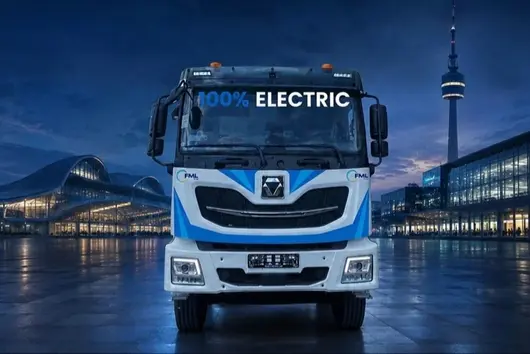
第一商用车网最新获悉,在本届汉诺威车展舞台上,中国销冠徐工新能源重卡将重磅亮相,向世界展示“中国智造”在新能源商用车领域的硬核实力与领跑姿态。

销量冠军的实力背书:从“中国第一”到世界舞台
据悉,徐工汽车此次亮相汉诺威车展的产品,是面向欧洲市场和德国本土企业联合开发的电动重卡,在电驱动力、车架承载、电池与热管理、制动安全、欧洲合规适配等方面具有核心技术。如高效电驱传动系统,永磁驱动电机峰值功率405千瓦,电能转换效率最高达98%,并支持多挡能量回收;双层加强铆焊车架,280mm高度大梁,采用8+5mm双层钢板复合结构;底盘采用侧挂式电池布局,电池包布置在车架两侧,不侵占上装安装空间;标配EBS+ESC+AEBS,满足欧洲ECE制动法规;整车电气架构满足欧盟E MARK认证,车载电压、通讯协议适配欧洲配件体系等。

从“中国智造”走向世界,徐工汽车代表了中国重卡从技术追随到新能源重卡标准引领的历程,市场数据则是最有力的证明。
从2025年的数据来看,徐工新能源重卡以全年累计销售3.54万辆(交强险口径,下同)、同比大增147%、市场份额15.3%的骄人成绩,连续三年蝉联行业销量冠军。进入2026年,徐工势头不减。1-7月累计销量新能源重卡2.7万辆、市场份额达16.2%,稳坐头把交椅。7月份,徐工新能源重卡更以实销5342辆、同比增长87%的绝对领先优势,强势摘得月榜冠军。
据悉,在本次展会中,徐工聚焦干线物流场景打造的全新一代新能源重卡,将在展会中面向欧洲客户带来全方位解读,为引领行业驶入干线场景打开全新境界。
此次登陆汉诺威车展,徐工带来的不仅是产品,更是中国新能源重卡成套化装备解决方案的自信答卷。从唐山钢厂的密集车流到深圳盐田港的精准装卸,从西南砂石料运输到海南港口物流,徐工新能源重卡历经各类应用场景的淬炼,各类产品日趋成熟。

在国内市场持续领跑的同时,徐工早已将目光投向全球。在国际舞台上,徐工新能源重卡的身影频频出现。今年以来,徐工新能源重卡先后销往非洲、印尼、泰国、几内亚等国家和地区。其中,印尼某头部矿业大客户在前期购买150余辆600度8×4纯电动自卸车的基础上,再次追加采购100辆,刷新海外市场大电量重卡单笔订单采购纪录。此外,在坦桑尼亚萨巴国际贸易博览会、2026印尼国际煤炭及能源工业博览会、拉丁美洲最大农业技术盛会Agrishow上,所到之处徐工新能源商用车的技术优势都吸引着当地从业者的密切关注。
硬核技术铸就冠军底蕴:徐工的体系化竞争力
冠军绝非一日之功。徐工汽车在新能源重卡领域的领跑地位,源于对核心技术长达十余年的深耕与积淀。早在十年前,徐工汽车就在行业内率先全面转向新能源,为其之后能在新能源领域异军突起打下坚实基础。
如今,这份前瞻布局已结出硕果。在研发体系上,徐工汽车设有省级企业技术中心和新能源商用车创新中心,主导并参与多项国家标准的制修订。徐工汽车研究院汇聚了大批技术精英,围绕可靠性、轻量化、低能耗三大用户核心需求持续攻关。如整车B10寿命达120万公里,三电系统防水防尘等级达IP68,叠层电池牵引车整备质量低于9.0吨,处于行业标杆地位。

在补能技术这一行业痛点上,徐工携手华为等合作伙伴率先推出兆瓦级超充技术,实现“充电5分钟,续航百公里”,目前已完成牵引车、自卸车、搅拌车三大品系14款超充产品的全场景布局。2026年4月,徐工超充重卡还完成了广东惠州至湖北武汉1046公里长途实测,运输效率比肩传统燃油重卡,将新能源重卡的适用场景拓展至干线物流领域,引领行业发展。
从研发到制造,徐工构建了完整的冠军支撑体系。走进徐工高端智能商用车生产基地,集合冲压、焊接、涂装、总装四大生产工艺,并应用多项先进的信息化管理系统,其中,焊接、涂装分厂被评为江苏省示范智能分厂,智能制造水平和产品质量均处于行业领先地位。
更重要的是,徐工打造运营生态,赋能客户终端,打造了“全场景设备+充换电补能+定制化金融+全过程服务+智能化管理”的绿色交通运输成套化装备解决方案,助力客户无忧运营。2025年,徐工汽车更是成功引进战略投资者30家、募集资金64.44亿元,创近五年国内商用车领域融资纪录,为此后的技术研发与生态布局注入强劲动力。
编后语
从2008年初入重卡领域,到引领行业突破场景桎梏,驶向运营新境,徐工汽车用18年的时间完成了从追随者到新能源重卡行业引领者的跨越。这不仅是徐工的成功,更是中国新能源商用车产业快速崛起的缩影。

喺馬來西亞嘅SUV市場,好多買家喺揀車嗰陣都會揸 Honda HR-V 同 Hyundai Santa Fe 嚟比較。呢兩款車喺價位同定位上都幾接近,而家我哋就由多個方面嚟做一個詳細比較,幫你節省做功課嘅時間。
Honda HR-V 喺馬來西亞嘅 OTR 售價係 RM 115,900 - 143,900,一係 4 個版本,包括 2026 e:HEV 1.5L RS(RM 143,900)、2026 1.5T V(RM 137,900)、2026 1.5T E(RM 130,900) 等。
Hyundai Santa Fe 喺馬來西亞嘅 OTR 售價係 RM 225,000 - 270,000,一係 3 個版本,包括 2025 2.5T DCT 4WD Calligraphy 6 Seats(RM 270,000)、2025 HEV 1.6T AT 2WD Prestige 7 Seats(RM 245,000)、2025 HEV 1.6T AT 2WD Prime 7 Seats(RM 225,000) 等。
從價錢來看,Honda HR-V 嘅入門價確實比 Hyundai Santa Fe 平咗 RM 109,100。如果你預算有限,Honda 嘅入門版已經可以滿足日常需要。但都要留意,平嗰幾千塊,可能喺配備方面要有取舍,具體要看你嘅需要。
Honda HR-V 搭載 1.5L Turbo,馬力 140 hp。官方油耗 7.0 L/100km。
Hyundai Santa Fe 搭載 2.0L 4-cyl,馬力 170 hp。官方油耗 8.0 L/100km。
動力方面,Hyundai Santa Fe 嘅 2.0L 4-cyl 比 Honda HR-V 嘅 1.5L Turbo 多咗 30 匹馬力。不過日常喺市區開,兩部車嘅動力都夠用,唔會覺得唔夠力。
Honda HR-V 車身長 4500 mm,尾箱 450 L。
Hyundai Santa Fe 車身長 4400 mm,尾箱 400 L。
空間方面,Honda HR-V 嘅車身比 Hyundai Santa Fe 長咗 100 mm,車內坐空間會稍微寬鬆啲,尤其係後座腿部空間。如果你經常載家人或者需要放嬰兒車,大少少嘅車身確實更實用。
Honda HR-V 保修 5 年/無限里程,保養間隔 每 10,000km 或 6 個月。
Hyundai Santa Fe 保修 5 年/300,000km,保養間隔 每 10,000km 或 6 個月。
總體嚟講,Honda HR-V 同 Hyundai Santa Fe 都係馬來西亞市場好唔錯嘅車型。揀邊部,關鍵都要睇你嘅個人需要同預算。建議大家做好功課,多比較幾間車行嘅報價,再去試駕做最終決定。買車係件大事,花啲時間做功課絕對唔會錯。
© 2024 Bitauto.com. All Rights Reserved.
Bitauto (www.yiche.com and www.bitauto.com) is one of the most visited automotive websites in China. We provide detailed info on Chinese car brands available in your area. Please note that the information provided on this website is based on publicly available data and is for reference only. It may not be fully updated or accurate at all times.

Help us improve our website


