

HomeMalaysian

Search History
Popular Searches
Dealer Login / Sign Up

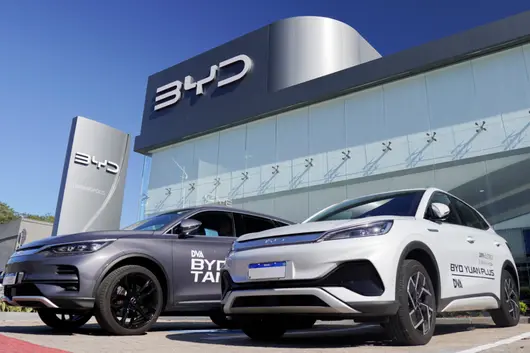
"Pada tahun ini, jumlah eksport kereta China dijangka melepasi 10 juta unit, dan pada masa hadapan mungkin memasuki landasan yang lebih cepat." Pada 20 Ogos, di forum pembangunan kerjasama global kenderaan tenaga baharu (GNEV2026), Pengarah Utama Car100 International, Zhang Yongwei, berkata demikian.
Beliau mengingatkan bahawa perkembangan kereta China ke seluruh dunia bukan lagi urusan China semata-ma, tetapi telah menjadi perkara yang menjadi perhatian global, dan untuk menjadikannya baik, perlu ada koordinasi dalaman dan luaran, "Hanya bergantung pada satu pihak, perkara ini tidak akan berjalan dengan baik".
Tempoh peluang tidak akan lama, pembahagian sudah bermula
Jenama kereta China sedang berkembang dengan pesat di pasaran utama di luar negara.
Harus diingat, eksport kereta China berkeluaran di sekitar 1 juta unit selama kira-kira sepuluh tahun, selepas itu kurva naik dengan curam: 4.91 juta unit pada 2023, 7.098 juta unit pada 2025, kelajuan pertumbuhan berterusan bertambah.
Data dari Persatuan Industri Kereta China dan Jabatan Kastam menunjukkan, separuh pertama tahun ini, eksport kenderaan lengkap China 5.096 juta unit, meningkat 65.3% setahun. Eksport bulan Jun sahaja 1.037 juta unit, pertama kali dalam sejarah melepasi satu juta unit. Eksport kenderaan tenaga baharu 2.355 juta unit, kadar pertumbuhan 120%, mewakili 46% daripada jumlah eksport.
Ramalan pelbagai pihak, jumlah eksport kenderaan lengkap sepanjang 2026 akan mencapai 10 juta unit, di mana kenderaan tenaga baharu kira-kira 5 juta unit.

Perubahan pasaran Eropah cukup meyakinkan. Pada Jun tahun ini, pasaran bulanan jenama China di Eropah melebihi 11%, di mana bahagian EV tulen 15%, bahagian plug-in hybrid 34%, mencatatkan rekod tertinggi.
Dalam senarai pertumbuhan pendaftaran di Eropah enam bulan pertama, BYD meningkat 145%, Chery meningkat 305%, Leapmotor mencapai 558%. Chery Jaecoo 7 menduduki carta jualan bulanan United Kingdom pada Mac, tempahan BYD di Jerman, Perancis, Sepanyol diperpanjangkan.
Negara "Inisiatif Sabuk dan Laluan" membentuk asas eksport, eksport separuh pertama tahun ini 3.381 juta unit, pertumbuhan 48.1%.
Pasaran Asia Tenggara, jenama China mendominasi pasaran kenderaan tenaga baharu di Thailand dan Indonesia, dan beralih dari eksport kenderaan lengkap ke pembangunan kilang tempatan.
Amerika Latin dan Timur Tengah meningkat pesat, Brazil telah menjadi pasaran luar negara terbesar bagi beberapa pengilang kereta China. BYD, Chery, Leapmotor, telah memasuki senarai jualan popular di pasaran matang dan negara baru.
Menghadapi kelajuan ini, sikap dunia tidak seragam. Zhang Yongwei membahagikan reaksi ini kepada tiga kategori.
Satu adalah sekatan. Sesetengah negara rasa takut, berpendapat memasuki kereta China akan membentuk kesan guncang, oleh itu menggunakan halangan untuk melambatkan perusahaan China memasuki, langkah termasuk menaikkan keperluan tempatan, meningkatkan tarif import, mengenakan cukai anti-subsidi.
Satu lagi adalah mengadopsi, menganggap kebangkitan kereta China sebagai peluang, menarik pengilang kereta China membina kilang tempatan, mengasaskan pangkalan eksport wilayah, malah menampung kapasiti pengilang kereta China untuk menjadi "benteng Eropah", mencapai kemenangan dua hala.
Satu lagi adalah keresahan. Mahu bekerjasama, tetapi takut ketinggalan. Pengilang kereta tempatan melihat pasaran terpecah, irama tidak dapat mengikut. Dari peringkat kerajaan risau risiko, namun benar-benar perlukan kerjasama industri, rasa keresahan belum pernah ada sebelum ini.
"Ini adalah perubahan sikap dinamik, mungkin hari ini sekatan, esok dibuka, sekarang tidak faham dengan jelas, akan faham dengan cepat." Kata Zhang Yongwei. Tiga sikap wujud bersama, satu strategi pasti tidak berjaya di seluruh dunia, hanya boleh mengikut negara membuat dasar.

Sumber gambar: BYD
Bukan sahaja sikap luar negara wujud perbezaan jelas, pengilang kereta China sendiri juga berada di persimpangan globalisasi.
Sesetengah syarikat memulakan strategi globalisasi bertahun-tahun lalu, sedang mempercepatkan pengaturcaraan luar negara, memajukan pelaksanaan rantaian bekalan, beralih dari eksport kepada operasi tempatan, sasaran menjadi syarikat global.
Sesetengah syarikat melihat peluang, sedar semakin sukar berkembang hanya di negara domestik, tetapi kekurangan asas antarabangsa, ada idea tetapi sukar membuat keputusan. Mereka risau ketidaktentuan persekitaran luar, risau sekali kemampuan antarabangsa tidak mencukupi terperangkap dalam "perangkap globalisasi", bahkan syarikat yang sudah keluar juga mula rasa tidak selesa dengan perkembangan luar negara.
Zhang Yongwei mengingatkan secara langsung terhadap sikap menunggu ini: "Tempoh peluang globalisasi kali ini tidak akan lama, kerana terlalu banyak syarikat menembusi pasar. Dalam kebingungan, berkemungkinan besar kehilangan peluang."
Dari 1.0 ke 2.0, China tidak kekurangan modal keras
Mengapa siri eksport kali ini boleh menimbulkan reaksi global begitu besar? Zhang Yongwei meringkasnya sebagai "Peluang China 2.0".
40 tahun lalu adalah zaman 1.0. China membuka pasaran kepada perusahaan transnasional, menjadi tapak pembuatan kereta dunia, menarik masuk, membuat rantaian bekalan tempatan baik, pengilang kereta global menikmati kelebihan 40 tahun di pasaran China. Intipati 1.0 adalah "Membina kilang di China, China untuk China", pengilang kereta transnasional menjadi watak utama, China menyediakan pasaran besar yang terbuka.
2.0 sedang berkembang. Pintu perlu dibuka lagi, elemen global perlu diteruskan引进, tetapi China juga perlu keluar, bawa pengalaman pembuatan, teknologi dan pengurusan terkumpul. Dulu pasif menyatu dunia, sekarang perlu aktif布局 global, industri kereta sekurang-kurangnya dapat memikul misi strategi global. Pemain yang bertanding juga berubah, perusahaan China dan transnasional bertindak bersama. Model tipikal bertukar dari "China untuk China" kepada "Menggunakan kemampuan China, China untuk dunia".
"Menguasai 1.0, berkongsi pertumbuhan pasaran China; menguasai 2.0, berkongsi kelebihan kemampuan China." Kata Zhang Yongwei meringkas perbezaan dua peringkat ini.
Di sebalik ini, adalah satu "kolong sumber" yang industri kereta China kumpulkan selama belasan tahun lalu, membolehkan China yakin menyertai global, layout global.

Yang paling mendapat perhatian adalah rantaian bekalan. Kapasiti global bateri kuasa dan bahan hulu China melebihi 60%, mempunyai rantaian bekalan电动化 paling lengkap di dunia. "Masalah yang paling dirasai oleh syarikat eksport ialah 'Saya sudah keluar, bolehkah bawa rantaian bekalan China keluar'. Boleh soalan ini, sendiri menunjukkan rantaian bekalan ini tidak dapat ditemui syarikat kedua di seluruh dunia. Sebaliknya, rantaian bekalan ini juga perlu memberi sumbangan kepada industri kereta global." Kata Zhang Yongwei demikian.
Teknologi juga berkumpul ke China. Teknologi hadapan电动化, pintar semakin banyak dilahirkan, asli dan dipasang di China, model besar AI masuk kereta sedang dari mengikuti ke menentukan arah, pemanduan pintar dan kokpit pintar berulang kali pantas. Mengikut kata Zhang Yongwei, China sedang menjadi "pusat sumber" teknologi peningkatan kereta.
Perubahan节奏 pembangunan produk lebih直观. Kitaran pembangunan kereta baru domestik sudah dikompres ke 18 hingga 24 bulan, pengilang kereta Eropah kira-kira perlu 45 bulan. Amalan lalu, sedang dipecahkan oleh irama China.
Bahagian pembuatan juga keras. Di antara 201 "kilang mercu tanda" global, China menduduki 85. Kawalan jauh laluan digital dan kemas kini perisian, robot laluan automatik dan robot badan, membentuk sistem pembuatan yang besar dan berkesan.
Zhang Yongwei menekankan, 2.0 bukan kesan guncang, tetapi kemenangan dua hala. "Sesetengah orang menganggap globalisasi kereta China sebagai kesan guncang, ini salah tafsir." Bagi industri global, gunakan kemampuan China dengan baik, padan strategi pembangunan sendiri, maka boleh menang dua hala, ini satu yang paling penting dalam 2.0. Jika tidak guna baik, mungkin hilang peluang China, terlepas kelebihan pembangunan电动智能化 ini.
Bagi industri China, diri sendiri juga perlu tukar思路, jalani jalan kerjasama manfaat bersama. Dia mengaku, dulu banyak kerjasama manfaat bersama ada kerjasama tetapi tidak benar-benar manfaat bersama, tidak dapat bawa pembangunan bersama kedua-dua pihak. Tidak cari jalan benar-benar manfaat bersama, peluang 2.0 akan dikurangkan. Hubungan persekitaran luar dan pembangunan diri tidakuruskan baik, kelebihan di tangan belum tentu boleh realisasikan.
Mobilize Pihak Lain, Juga Mewujudkan Kejayaan Sendiri
2.0 adalah dua hala. Dunia perlu mencari titik gabungan untuk padan dengan industri China, perusahaan China juga perlu mencari cara kerjasama manfaat bersama.
Dari sudut negara lain, Zhang Yongwei berpendapat mencari titik strategi gabungan tidak sukar.
Syaratnya ialah faham perubahan terkini industri kereta China, tiada beza maklumat, malah jangan salah tafsir. Kedalaman kemampuan China, iaitu kos, kelajuan dan kelajuan iterasi teknologi, perlu dilihat jelas. Lebar industri China, dari kereta lengkap, rantaian bekalan ke perisian, ekosistem, perlu dilihat penuh. Salah tafsir atau tidak faham keadaan, mudah terlepas peluang.
Atas asas ini cari tepat titik strategi gabungan, pasangkan pasaran negara sendiri, lokasi, keupayaan industri dengan kemampuan China.
Terdapat banyak titik gabungan konkrit. Contohnya dari peringkat pasaran, boleh buka kedua-dua pasaran, ini di negara baru sudah banyak amalan; dari peringkat rantaian industri, masukkan rantaian bekalan China boleh capai pembuatan tempatan. Negara lain boleh mainkan lokasi kelebihan, jadi hab peralihan eksport perdagangan dan pembuatan, boleh terima rupa semula kapasiti global, bina tapak pembuatan. Cari tepat titik gabungan, mudah capai manfaat bersama.
Bagi perusahaan China sendiri, kerjasama manfaat bersama ada beberapa jalan boleh jalan, malah ada contoh sedang lari.
Tarikan kereta lengkap带动配套 adalah yang paling langsung. Siri eksport kali ini tepat bertembung dengan pengadunan semula kapasiti pembuatan global, luar negara ada banyak kapasiti terbiar, guna pandangan global mobilize kapasiti ini, baik untuk kedua-dua belah, tidak perlu banyak bina baru. Kilang kereta lengkap tempatan,配套mengikut, prioriti guna kerjasama perkongsian mobilize kilang sedia ada tempatan.

Kilang perkongsian Geely dan Ford di Sepanyol adalah tipikal, perkongsian mobilize kapasiti kereta lengkap Eropah sedia ada,带动rantaian bekalan tempatan, dijangka 2027 mula operasi.
Kapasiti luar negara perusahaan komponen juga boleh terus digunakan. Banyak syarikat sudah siap layout luar negara bertahun-tahun lalu, tidak perlu bina banyak, tambah kapasiti boleh sambung dengan siri eksport kereta lengkap ini. Gabungkan eksport kereta lengkap China dengan layout globalisasi komponen, sepasang perusahaan komponen global China mungkin muncul dari sini.
Yanfeng adalah wakil, kedudukan komponen automotif global ke-15, layout luar negara 220+ agensi, pekerja luar negara kira-kira 25,000 orang.
Peranan perusahaan komponen transnasional bernilai diutamakan. Hampir semua perusahaan komponen transnasional sudah capai pembangunan tempatan di China, dulu "luar ke dalam", sekarang boleh putar "dalam ke luar", ikut atau sokong keluar jutaan kenderaan lengkap China.
Mereka ada rangkaian global sedia ada dan laluan pensijilan, boleh capai sambungan tiada sambungan. Magna sedang bertukar kepada perkhidmatan globalisasi pengilang kereta China, Autoliv mempraktikkan "China untuk dunia".
思路 lapis lebih tinggi, ialah member kuasa ubahsuai perusahaan tempatan luar negara. Guna pengeluaran ganti mobilize kilang terbiar, output kemampuan pembuatan China, bentuk sistem配套berkongsi.
Zhang Yongwei memberi analogi, kilang luar negara jadi "kilang tangan kaki", China jadi "kilang otak". Bukan buat rakan luar negara hilang, tetapi bantu mereka memenuhi keperluan pengilang kereta China dari satu pihak, transformasi sendiri dari lain pihak, terlibat mendalam dalam globalisasi industri kereta China. "Begini rakan kita akan semakin banyak, kawan di luar negara juga akan semakin banyak."
Beliau akhir mencadangkan beberapa cadangan konkrit.
Dari peringkat negara, perlu bina mekanisme padan strategi industri automotif, seputar perancangan industri, akses pasaran, dasar pelaburan buat koordinasi dua hala.
Dari tarif dan sempadan kadar tempatan, pengiktirafan piawaian, data rentas sempadan, jejak karbon pada titik penting ini bentuk peraturan boleh jangka, perusahaan baru berani melabur, berani labur jangka panjang. Perkara ini, akhir sekali masih perlu bergantung pada negara lapisan strategi padan untuk menyangga.
Turun ke peringkat perusahaan, perlu sama angkat tanggungjawab global jenama kereta China. Dulu biasa sendiri bertempur, sekarang perlu kerjasama keluar luar, dan kerjasama keluar luar jangan hanya berhenti di lisan, perlu penghad keras. Jangan berkumpul berkembang, jangan perang harga ganas di pasaran sama, elakkan nilai perusahaan China menyusut dalam pembaziran tenaga.
Perusahaan juga perlu berakar tempatan, operasi tempatan, sumbangan pekerjaan tempatan dan cukai, jadi "perusahaan baik tempatan". Pandangannya, reputasi perusahaan tunggal sesat, tidak hanya影响 diri sendiri, tetapi seluruh jenama industri kereta China.
"100-1=0", dia berpegang tanggungjawab global dilaksanakan ke setiap perusahaan keluar, setiap produk, setiap pasaran destinasi, bina mekanisme had tanggungjawab. Tanggungjawab global baru mula, sudah muncul sebahagian potensi, negatif separa, elak sebelum terjadi lebih penting daripada apa-apa.
Dalam pandangan Zhang Yongwei, titik teras peluang China 2.0, ialah bawa teknologi dan produk mobiliti pintar hijau canggih ke global, capai manfaat bersama dengan industri tempatan.

“今年,中国汽车出口量预计会突破1000万辆,往后可能会进入一个更快的轨道。”8月20日,在新能源汽车全球合作发展论坛(GNEV2026)上,车百国际首席专家张永伟如此表示。
他提醒,中国汽车向全球发展,已经不只是中国自己的事,在很大程度上成为全球关注的事,把这件事做好一定要内外联动,“只靠单一一方,这件事情做不好”。
窗口期不会很长,分化早已开始
中国品牌在海外各主要市场都在快速成长。
要知道,中国汽车出口在100万辆上下的台阶上徘徊了十年左右,此后曲线陡直拉升:2023年491万辆,2025年709.8万辆,增长持续提速。
中国汽车工业协会和海关总署的数据显示,今年上半年,中国整车出口509.6万辆,同比增长65.3%。6月单月出口103.7万辆,历史上首次突破百万辆。新能源汽车出口235.5万辆,增速120%,占出口总量的46%。
多方预测,2026全年整车出口将冲击1000万辆,其中新能源约500万辆。
欧洲市场的变化很有说服力。今年6月,中国品牌在欧洲的单月市占率超过11%,其中纯电份额15%,插混份额34%,创下历史新高。
前六个月欧洲注册量增速榜上,比亚迪增长145%,奇瑞增长305%,零跑更是达到558%。奇瑞Jaecoo 7在3月登顶英国月度销量榜,比亚迪在德国、法国、西班牙的订单排期拉长。
“一带一路”国家构成了出口的基本盘,上半年出口338.1万辆,增速48.1%。
东南亚市场,中国品牌在泰国、印尼电动车市场占据主导,并且从整车出口转向本地建厂。
拉美和中东快速上量,巴西已经成为多家中国车企最大的海外市场。比亚迪、奇瑞、零跑,在成熟市场和新兴国家都已进入当地热销榜单。
面对这种速度,世界的态度并不统一。张永伟把这些反应分成了三类。
一种是限制。有些国家感到恐惧,认为中国汽车进入会形成冲击,于是用壁垒延缓中国企业进入,手段包括提高本地化要求、增加进口关税、征收反补贴税。
一种是拥抱,把中国汽车的崛起当作机遇,吸引中国车企本地建厂、打造区域出口基地,甚至承接中国车企产能做“欧洲桥头堡”,实现双向共赢。
还有一种是焦虑。想合作,又怕被超越。本土车企眼看着市场被分流,节奏跟不上。政府层面既担心风险,又确实需要产业链合作,焦虑感前所未有。
“这是一个动态的态度变化,可能今天限制,明天就开放,现在想不清楚,很快就想明白了。”张永伟说。三种态度并存,一套打法走遍天下肯定行不通了,只能因国施策。
图片来源:比亚迪
不只是海外态度分化明显,中国车企自身也站在了全球化的十字路口。
一类企业多年前就启动全球化战略,眼下正在加快海外布局、推动供应链落地,从出口为主转向本地化经营,目标是成为全球企业。
另一类企业看到了机会,也意识到只在国内发展越来越困难,但缺乏国际化基础,有想法却难以决策。他们担心外部环境的不确定性,担心一旦国际化能力不足而陷入“国际化的陷阱”,甚至一些已经走出去的企业也开始对海外发展感到不安。
张永伟对这种观望心态有直接的提醒:“这次全球化的窗口期并不会很长,因为出海的企业太多了。迟疑当中,很可能会失去机会。”
从1.0到2.0,中国不缺硬资本
为什么这一轮出海能引发这么大的全球反应?张永伟把它概括为“中国机遇2.0”。
过去四十年是1.0时代。中国向跨国企业开放市场,成为世界汽车的制造基地,引进来、做好本土产业链,全球车企在中国市场吃了四十年红利。1.0的本质是“在中国建厂、在中国为中国”,唱主角的是跨国车企,中国提供的是开放的大市场。
2.0正在展开。门还要继续开,全球要素还要继续引进,但中国也要往外走了,把攒下的制造、技术和管理经验带出去。过去是被动融入世界,现在得主动布局全球,汽车行业至少可以承担起全球战略的使命。上场的选手也变了,中国企业和跨国企业一起行动。典型模式从“在中国为中国”变为“利用中国能力、在中国为世界”。
“抓住1.0,分享中国市场成长;抓住2.0,分享中国能力红利。”张永伟这样概括两个阶段的差异。
这背后,是中国汽车产业过去十几年攒下的一个“资源池”,让中国有底气参与全球、布局全球。
最受关注的是供应链。中国动力电池及上游材料的全球产能份额超过60%,拥有全球最完整的电动化供应链。“出海企业感受最深的一个问题就是‘我出去了,能不能把中国的供应链带出去’。能问出这句话,本身就说明这条供应链在全世界找不到第二家。反过来,这条供应链也要为全球汽车产业做贡献。”张永伟如此表示。
技术也在往中国聚。电动化、智能化的前沿技术越来越多地在中国诞生、原创并装车,AI大模型上车正在从跟随走向定义方向,智能驾驶和智能座舱快速迭代。用张永伟的话说,中国正在成为汽车增量技术的“策源地”。
产品开发节奏的变化更直观。国内新车开发周期已经压缩到18到24个月,欧洲车企大约需要45个月。过去的惯例,正在被中国节奏打破。
制造端同样硬气。全球201家“灯塔工厂”中,中国占了85家。数字化的产线远程控制和软件升级、自动化的产线机器人和具身机器人,构成了庞大而高效的制造体系。
张永伟强调,2.0不是冲击,而是双赢。“有人把中国汽车的全球化当成冲击,这是误读。”对全球产业而言,用好中国的能力、对接好自身发展战略,就能双赢,这是2.0最要紧的一点。用不好,就可能失去中国机遇,错过这一轮电动智能化的发展红利。
对中国产业而言,自己也得换个思路,走合作共赢的路。他坦言,过去很多合作共赢往往有合作但不真正共赢,带动不了双方共同发展。找不到一条真正共赢的路,2.0的机遇就会打折扣。外部环境和自身发展的关系处理不好,手里的优势也未必兑现得了。
盘活别人,也成就自己
2.0是双向的。世界要找到跟中国产业对接的结合点,中国企业也要找到合作共赢的走法。
站在其他国家的角度,张永伟认为找到战略结合点并不难。
前提是先摸透中国汽车产业的最新变化,不能存在信息差,更不能误判。中国能力的深度,也就是成本、速度和技术迭代的快慢,得看明白。中国产业的宽度,从整车、供应链到软件、生态,也得看全。误判或者不了解情况,就容易错失机遇。
在此基础上找准战略结合点,把本国的市场、区位、产业禀赋与中国能力对接起来。
具体的结合点有很多。比如市场层面,可以把两边市场打通,这在新兴国家已经有很多实践;产业链层面,导入中国供应链就能实现本地化制造。还有的国家可以发挥区位优势,做贸易出口和制造的中转枢纽,也可以承接全球产能重塑,打造制造基地。找对了结合点,就容易实现共赢。
放到中国企业自己身上,合作共赢同样有几条可走的路,而且已经有案例在跑。
整车牵引带动配套是最直接的一条。这一轮出海正好赶上全球制造产能重新洗牌,海外有很多闲置产能,用全球视野盘活这些产能,对两边都有利,不一定新建太多。整车本地建厂、配套跟随,优先以合资合作盘活当地现有工厂。
吉利与福特在西班牙的合资工厂就是典型,合资盘活欧洲现有整车产能,带动供应链本地化,预计2027年投入运营。
零部件企业的海外产能也可以直接用起来。很多企业多年前就完成了海外布局,不需要过多新建,扩充产能就能跟这一轮整车出海接上轨。中国整车出海与零部件全球化布局合到一处,一批中国的全球性零部件企业可能就此跑出来。
延锋就是代表,全球汽车零部件排名第15位,海外布局220余个机构,海外雇员约2.5万人。
跨国零部件企业的角色值得重视。几乎所有跨国零部件企业都已在中国实现本地化发展,过去是“由外做内”,现在可以转身“由内做外”,跟着或者支持中国千万量级的整车走出去。
它们有现成的全球网络和认证渠道,可以实现无缝链接。麦格纳正在转型为中国车企的全球化服务商,奥托立夫则实践着“在中国为世界”。
更高一层的思路,是赋能改造海外本土企业。用代工盘活闲置工厂,输出中国制造能力,形成共用配套体系。
张永伟打了个比方,海外工厂做“手脚工厂”,中国做“大脑工厂”。不是让海外伙伴消失,而是帮助它们一方面满足中国车企的要求,另一方面自身转型升级、原地起跳,深度参与中国汽车产业的全球化。“这样我们的伙伴会越来越多,在海外的朋友也会越来越多。”
他最后提了几点具体建议。
在国家层面,要建立汽车产业的战略对接机制,围绕产业规划、市场准入、投资政策做好双边协同。
在关税与本地化率边界、标准互认、数据跨境、碳足迹这些关键点上形成可预期规则,企业才敢投、敢长期投。这件事,最终还是要靠国家层面的战略对接来托底。
落到企业层面,得共同扛起中国汽车品牌的全球责任。过去大家习惯单打独斗,现在要协同出海,而且协同出海不能只停在口头上,得是硬约束。不要扎堆发展,不要在同一市场打恶性价格战,避免中国企业的价值在内耗中贬值。
企业还要扎根本地,本地化经营,贡献当地就业与税收,做“当地的好企业”。在他看来,单个企业的口碑偏差,影响的不只是自身,而是整个中国汽车的产业品牌。
“100-1=0”,他主张把全球责任落实到每一个出海企业、每一款产品、每一个目的地市场,建立责任约束机制。全球责任刚刚开始,已经冒出一些潜在的、局部的负面,防患于未然比什么都重要。
在张永伟看来,中国机遇2.0的核心落点,就是把先进的绿色智能出行技术与产品带到全球,和当地产业实现共赢。

In Malaysia's SUV market, many buyers compare the Honda WR-V and Mazda CX-3 when choosing a car. These two cars are quite close in price and positioning. Today, we will make a detailed comparison from multiple aspects to help you save time on research.
The OTR price of Honda WR-V in Malaysia is RM 89,900 - 107,900, with a total of 4 versions, including 2023 1.5L V (RM 99,900), 2023 1.5L E (RM 95,900), 2023 1.5L S (RM 89,900), etc.
The OTR price of Mazda CX-3 in Malaysia is RM 126,159 - 139,159, with a total of 2 versions, including 2023 2.0L High (RM 139,159), 2023 2.0L Plus (RM 126,159), etc.
From a price perspective, the starting price of Honda WR-V is indeed RM 36,259 cheaper than Mazda CX-3. If your budget is limited, the entry-level Honda can already meet daily needs. However, be aware that the money saved, which is a few thousand RM, might involve trade-offs in features, depending on your specific needs.

The Honda WR-V is equipped with a 1.5L 4-cyl, with 105 hp horsepower. Official fuel consumption is 6.0 L/100km.
The Mazda CX-3 is equipped with a 1.5L Turbo, with 140 hp horsepower. Official fuel consumption is 7.0 L/100km.
Regarding power, the Mazda CX-3's 1.5L Turbo has 35 more horsepower than the Honda WR-V's 1.5L 4-cyl. However, for daily city driving, the power of both cars is sufficient, and you won't feel a lack of power.

The safety rating of Honda WR-V is 5★ (ASEAN NCAP), active safety systems include Honda SENSING.
The safety rating of Mazda CX-3 is 5★ (ASEAN NCAP), active safety systems include i-Activsense.
Both cars have the same safety rating, and safety features are quite comprehensive in this class. New cars nowadays generally have good safety, so there is no need to worry too much about this point.

The Honda WR-V body length is 4400 mm, trunk is 400 L.
The Mazda CX-3 body length is 4500 mm, trunk is 450 L.
In terms of space, the Mazda CX-3 body is 100 mm longer than the Honda WR-V, offering better passenger space advantage. However, the Honda WR-V is more flexible for parking in the city, each has trade-offs.

The Honda WR-V uses FWD drive mode.
The Mazda CX-3 uses FWD drive mode.
Both cars have the same drive mode, both are FWD, there won't be a huge difference in daily driving experience.

Overall, the Honda WR-V and Mazda CX-3 are both excellent models in the Malaysian market. Which one to choose depends mainly on your personal needs and budget. We recommend doing your research, comparing quotes from several dealerships, and going for a test drive to make a final decision. Buying a car is a big matter, spending some time on research will definitely not go wrong.


In Malaysia's SUV market, many buyers compare Honda WR-V and Mazda CX-30 when choosing a car. These two cars are quite close in price and positioning. Today, we will make a detailed comparison from multiple aspects to help you save time on research.
The OTR price of Honda WR-V in Malaysia is RM 89,900 - 107,900, with a total of 4 versions, including 2023 1.5L V (RM 99,900), 2023 1.5L E (RM 95,900), 2023 1.5L S (RM 89,900), etc.
The OTR price of Mazda CX-30 in Malaysia is RM 122,409 - 146,409, with a total of 4 versions, including 2025 2.0L High+ Premium (RM 146,409), 2025 2.0L High+ (RM 138,409), 2025 2.0L High (RM 130,409), etc.
From a price perspective, Honda WR-V's starting price is indeed RM 32,509 cheaper than Mazda CX-30. If your budget is limited, Honda's entry-level version can already meet daily needs. But also note, the few thousand difference might involve compromises on features, it depends on your specific needs.
The safety rating of Honda WR-V is 5★ (ASEAN NCAP), active safety systems include Honda SENSING.
The safety rating of Mazda CX-30 is 5★ (ASEAN NCAP), active safety systems include i-Activsense.
The safety ratings of both cars are the same, safety features in this class are quite complete. New cars nowadays do not have poor safety, no need to worry too much about this point.
Honda WR-V adopts FWD drive mode.
Mazda CX-30 adopts FWD drive mode.
The drive mode of both cars is the same, both are FWD, daily driving experience will not be much different.
Honda WR-V warranty 5 years/unlimited mileage, maintenance interval every 10,000km or 6 months.
Mazda CX-30 warranty 5 years/150,000km, maintenance interval every 10,000km or 6 months.

Honda WR-V and Mazda CX-30 are both mainstream choices in the Malaysian market, suitable for family use and daily commuting. If you value brand reputation and resale value more, prioritize the one with better reputation; if you care more about cost-performance ratio and features, choose the one with richer configuration. Finally, it is recommended to test drive both, personal experience is the most important.

In general, Honda WR-V and Mazda CX-30 are both quite good models in the Malaysian market. Choosing which one depends on your personal needs and budget. It is recommended to do research, compare quotes from several dealerships, then test drive to make a final decision. Buying a car is a big matter, spending time doing research will never be wrong.
In the Malaysian SUV market, many buyers compare the Honda WR-V and Toyota Corolla Cross when choosing a car. These two cars are quite close in price and positioning. Today, we will do a detailed comparison from multiple aspects to help you save time on research.
The OTR price of Honda WR-V in Malaysia is RM 89,900 - 107,900, with a total of 4 versions, including 2023 1.5L V (RM 99,900), 2023 1.5L E (RM 95,900), 2023 1.5L S (RM 89,900) etc.
The OTR price of Toyota Corolla Cross in Malaysia is RM 133,800 - 148,800, with a total of 3 versions, including 2026 HEV 1.8L GR Sport (RM 148,800), 2026 HEV 1.8L Standard (RM 140,800), 2026 1.8L Standard (RM 133,800) etc.
In terms of price, the starting price of Honda WR-V is indeed RM 43,900 cheaper than Toyota Corolla Cross. If your budget is limited, Honda's entry-level version can already meet daily needs. But also note, the price difference of a few thousand might involve trade-offs in features, it depends on your specific needs.
Honda WR-V is equipped with 1.5L 4-cyl, horsepower 105 hp. Official fuel consumption 6.0 L/100km.
Toyota Corolla Cross is equipped with 1.5L Turbo, horsepower 140 hp. Official fuel consumption 7.0 L/100km.
In terms of power, Toyota Corolla Cross's 1.5L Turbo has 35 more horsepower than Honda WR-V's 1.5L 4-cyl. However, for daily city driving, both cars' power is sufficient, you won't feel underpowered.
Honda WR-V body length 4400 mm, boot 400 L.
Toyota Corolla Cross body length 4400 mm, boot 400 L.
The dimensions of both cars are almost the same, there is not much difference in interior space. For this class of cars, it is fully sufficient for daily use.
Honda WR-V uses FWD drive method.
Toyota Corolla Cross uses FWD drive method.
Both cars use the same drive method, both are FWD, daily driving experience will not have too much difference.

Honda WR-V and Toyota Corolla Cross are both mainstream choices in the Malaysian market, suitable for family use and daily commuting. If you value brand reputation and resale value more, prioritize the one with better reputation; if you care more about value for money and features, choose the one with richer configuration. Ultimately, it is recommended to test drive both, personal experience is the most important.
Overall, Honda WR-V and Toyota Corolla Cross are both very good models in the Malaysian market. Choosing which one depends on your personal needs and budget. It is recommended to do your research, compare quotes from multiple dealerships, and then go for a test drive to make a final decision. Buying a car is a major matter, spending some time doing research will definitely not be wrong.

Di pasaran SUV di Malaysia, ramai pembeli membandingkan Honda WR-V dan Mazda CX-5 semasa memilih kereta. Kedua-dua kereta ini hampir sama dari segi harga dan penarafan. Hari ini kita akan membuat perbandingan terperinci dari pelbagai aspek untuk membantu anda menjimatkan masa membuat kajian.
Harga OTR Honda WR-V di Malaysia adalah RM 89,900 - 107,900, terdapat 4 varian, termasuk 2023 1.5L V (RM 99,900), 2023 1.5L E (RM 95,900), 2023 1.5L S (RM 89,900) dan lain-lain.
Harga OTR Mazda CX-5 di Malaysia adalah RM 135,469 - 166,760, terdapat 3 varian, termasuk 2025 2.0L AT 35th Anniversary (RM 316,154), 2025 2.0L AT (RM 296,154), 2025 2.0L MT (RM 294,154) dan lain-lain.
Dari segi harga, harga permulaan Honda WR-V memang lebih murah RM 45,569 berbanding Mazda CX-5. Jika bajet anda terhad, varian permulaan Honda sudah mencukupi untuk keperluan harian. Namun, perlu diingat, perbezaan harga beratus-ratus ringgit ini mungkin menepati kompromi pada kelengkapan. Ia bergantung pada keperluan anda.
Pentauliahan Keselamatan Honda WR-V adalah 5★ (ASEAN NCAP), sistem keselamatan aktif termasuk Honda SENSING.
Pentauliahan Keselamatan Mazda CX-5 adalah 5★ (ASEAN NCAP), sistem keselamatan aktif termasuk.
Pentauliahan keselamatan kedua-dua kereta adalah sama, kelengkapan keselamatan di kelas ini dianggap sangat lengkap. Keselamatan kereta baharu sekarang tidak buruk, tidak perlu terlalu risau.
Honda WR-V menggunakan sistem pemacu FWD.
Mazda CX-5 menggunakan sistem pemacu FWD.
Kedua-dua kereta menggunakan sistem pemacu yang sama, iaitu FWD, tiada perbezaan besar dalam pengalaman memandu harian.
Honda WR-V dan Mazda CX-5 adalah pilihan utama di pasaran Malaysia, sesuai untuk kegunaan keluarga dan perjalanan harian. Jika anda lebih mementingkan reputasi jenama dan harga pasaran kedua, boleh mempertimbangkan yang mempunyai reputasi lebih baik; jika anda lebih mementingkan nilai wang dan kelengkapan, pilih yang lebih lengkap. Akhir sekali, disarankan untuk uji jalan kedua-duanya, pengalaman langsung adalah yang paling penting.

Secara keseluruhannya, Honda WR-V dan Mazda CX-5 adalah model yang sangat bagus di pasaran Malaysia. Pilihan bergantung pada keperluan dan bajet peribadi anda. Disarankan membuat kajian, membandingkan penawaran dari beberapa agensi kereta, kemudian uji jalan untuk keputusan akhir. Membeli kereta adalah perkara besar, meluangkan masa membuat kajian tidak akan salah.

Di pasaran SUV Malaysia, ramai pembeli akan membandingkan Honda WR-V dan Mazda CX-30 semasa memilih kereta. Kedua-dua kereta ini agak hampir dari segi harga dan penempatan, hari ini kita akan buat perbandingan terperinci dari pelbagai aspek, membantu anda menjimatkan masa membuat kajian.
Harga OTR Honda WR-V di Malaysia ialah RM 89,900 - 107,900, terdapat 4 varian, termasuk 2023 1.5L V (RM 99,900), 2023 1.5L E (RM 95,900), 2023 1.5L S (RM 89,900) dan lain-lain.
Harga OTR Mazda CX-30 di Malaysia ialah RM 122,409 - 146,409, terdapat 4 varian, termasuk 2025 2.0L High+ Premium (RM 146,409), 2025 2.0L High+ (RM 138,409), 2025 2.0L High (RM 130,409) dan lain-lain.
Dari segi harga, harga permulaan Honda WR-V memang lebih murah RM 32,509 berbanding Mazda CX-30. Jika bajet anda terhad, model permulaan Honda sudah dapat memenuhi keperluan harian. Tetapi anda perlu berhati-hati, perbezaan harga beberapa ribu ringgit itu mungkin melibatkan kompromi dalam pelengkapan, bergantung kepada keperluan anda.
Penilaian keselamatan Honda WR-V ialah 5★ (ASEAN NCAP), sistem keselamatan aktif termasuk Honda SENSING.
Penilaian keselamatan Mazda CX-30 ialah 5★ (ASEAN NCAP), sistem keselamatan aktif termasuk i-Activsense.
Kedua-dua kereta mempunyai penilaian keselamatan yang sama, dalam kelas ini pelengkapan keselamatan dianggap cukup lengkap. Keselamatan kereta baharu sekarang tiada masalah, tidak perlu risau terlalu banyak tentang hal ini.
Honda WR-V menggunakan cara penggerak FWD.
Mazda CX-30 menggunakan cara penggerak FWD.
Cara penggerak kedua-dua kereta adalah sama, iaitu FWD, pengalaman memandu harian tidak akan banyak berbeza.
Honda WR-V jaminan 5 tahun / tanpa had kilometer, selang penyelenggaraan setiap 10,000km atau 6 bulan.
Mazda CX-30 jaminan 5 tahun / 150,000km, selang penyelenggaraan setiap 10,000km atau 6 bulan.
Honda WR-V dan Mazda CX-30 adalah pilihan utama pasaran Malaysia, sesuai untuk kegunaan keluarga dan perjalanan harian. Jika anda lebih menghargai reputasi jenama dan nilai jual semula, anda boleh utamakan model yang lebih berprestij; jika anda lebih mementingkan nisbah harga-keperluan dan pelengkapan, maka pilih model yang lebih lengkap. Akhir sekali, disarankan untuk ujian memandu kedua-dua model, pengalaman langsung adalah yang paling penting.
Secara keseluruhan, Honda WR-V dan Mazda CX-30 adalah model yang bagus di pasaran Malaysia. Memilih yang mana, penting untuk melihat keperluan peribadi dan bajet anda. Disarankan untuk membuat kajian, membandingkan sebutan daripada beberapa kedai kereta, kemudian ujian memandu untuk keputusan akhir. Membeli kereta adalah perkara besar, mengambil masa untuk kajian pasti tidak salah.


“我承认这个细分市场的头部聚集效应非常明显,这点必须正视。”在8月18日晚的全新一代智己L6预售后媒体群访中,智己汽车副总经理徐崟如此形容目前中大型新能源轿车市场的竞争格局。这也是徐崟从泰国调回国内后,首次以新身份面对媒体。
正如徐崟所说,7月中大型新能源轿车市场月销5000辆以上的仅有3款车。其中,小米SU7以月销2万+的成绩断层领先;排第二的尚界Z7/Z7T月销9142辆;再往后就是腾势Z9GT月销量5344辆。
当天晚上,全新一代智己L6开启预售,推出了Max、Pro Max、Ultra 三款标准版,预售权益价21.99万元起-26.99万元起。此外,全新一代智己L6 Prof. JimmyChoo 高定限量版也同步开售,提供76kWh与93kWh两种电池配置,预售权益价分别为23.49万元和24.99万元,首批开放1000席。
01
“有诚意的配置价格,销量水到渠成”
徐崟用“没有短板、只有长板,且长板非常突出”来形容全新一代智己L6。这款车在外观设计上并未做大改动,升级主要聚焦在底盘、三电、智能化全面革新的基础上。

首先,全新一代智己L6全系标配全线控底盘。这也是20万级轿车中,唯一下放这一功能的车型,此前都是在30万元以上的车型才有。这套底盘融合全线控转向、大角度线控后轮转向以及德国大陆MKC2线控刹车,配备三重安全冗余;方向盘半圈即可打满,结合双向18度四轮转向,窄路掉头和窄位泊车可一把完成。
三电系统同样全面焕新。全新一代智己L6搭载上汽全新NEO三电架构,配备宁德时代93kWh电池,百公里能耗低至11.6kWh;CLTC续航850km;依托全域800V平台,支持396kW超快充,15分钟可补能580km,且兼容市面九成以上充电桩。在性能上,全新一代智己L6零百加速2.74秒,百公里制动距离33米。
在智能化方面,智己联合Momenta开发了IM AD智驾系统;同时搭载IM Ultra Agent,可通过语音完成多点接人、顺路停靠等复杂行程规划与实时调整。另外,全新一代智己L6还标配了丹麦B&O音响、瞬感智控防晒天幕、5.7L冷暖智能冰箱、太空椅等。尤其是丹麦B&O音响,焦樵强调,这个配置讨论一直持续到预售临近的阶段,才最终还是顶着成本压力决定标配。

“至于销量预期,我现在更关注的是:消费者对我们呈现的每一个细节是否满意,经销商端的服务能力是否在提升,每一位拿到车的用户是否真心认可。如果这些都能做到,以我们这么大的诚意、这么多的配置、这么有竞争力的价格,销量自然是水到渠成的。”徐崟说道。虽然没有给出明确的销量数字,但从这一描述来看,其对全新一代智己L6的市场表现还是充满信心。
02
L6是一张“画布”,联名JimmyChoo破圈
“不要一味只讲参数,比如2.74秒、800伏、850公里,而要多想想能给用户提供什么情绪价值。”徐崟提出,为什么有些车卖了两三个月之后热度就下来了?原因在于产品不变,但消费者的审美和品位在变。“如果你跟不上,就会被冷落。”徐崟说道。

智己汽车品牌与用户高级总监焦樵进一步将L6形容为一张“画布”。其认为,在L6的原创设计和技术底座基础上,可以通过不同的联名、合作让车具备更多可能性、吸引不同的用户。此次全新一代智己同步推出的Prof. JimmyChoo 高定限量版,是智己与英国王室授勋华裔设计师Prof. JimmyChoo(周仰杰)的联名设计。
在电影《爱情神话》中,修鞋匠说过一句“每个女人一辈子至少有一双Jimmy Choo”。而在全新一代智己L6 Prof. JimmyChoo 高定限量版中,融入星璨晶辉水晶玻璃饰件、“高定蓝”丝感珠光皮革、柔光贝母饰板等设计元素,车尾还有Prof. JimmyChoo亲笔签名徽标。另外,下定这一版本车型还赠高定鞋履等专属权益。
徐崟用三个词概括这次合作:腔调、破圈、同频共振。“当前汽车市场同质化严重,多数车型的受众圈层相对固定,品牌和产品很容易局限在固有圈层中。”徐崟表示,这次与Jimmy Choo的合作是智己破圈的一次重要尝试,目前联动 Vogue 等时尚媒体的传播,已成功让智己L6 跳出汽车圈层,走进大众时尚视野,实现了初期规划。

在形容全新一代智己L6时,焦樵多次提到一句话“Not For Everyone”。这句话翻译过来是“不适合每一个人”。焦樵解释:“这并非我们不想卖车,而是这台车确实代表了独特的个性。我们相信,一辆车不可能同时表达所有人的性格,但可以一样一样来。”
据悉,在成都车展上,智己还将与华人改装圈大神Sean Lee(李宏声)推出一台风格截然不同的智己 L6,更强调操控性能和驾驶质感。“我们希望在保持这台车高级审美和格调的同时,用硬核的驾控体验来覆盖更广泛的人群,做到男女通吃。”徐崟说道。
03
提升销量,发力纯电+海外市场
“回到国内这两个月,我深切感受到了中国市场的激烈程度。”徐崟分享了一组国内市场让自己“震惊”的数据:第一,上半年中国市场发布了527款新车;1-7月整个市场整体下降了20%。在这种情况下,徐崟承认智己品牌确实“全年销量承压”。

同时,徐崟也看到了机会。“纯电市场在增长,下降的主要是增程和燃油市场。这恰恰契合了我们今天开始的下半年三款新一代纯电车的发布节奏。我们的想法就是积极应对市场变化,把我们最好的纯电产品投入竞争。”徐崟说道。
按照计划,8月,智己会推出全新一代智己L6;9月,将发布新一代LS6,在三电系统、底盘、AI Agent、舒适性配置上都会有较大提升;10月,将推出LS8纯电版。“虽然市场整体在跌,但我们的方向很清晰:一是产品上,纯电市场仍然在上涨,我们顺势而为;二是终端服务能力上,我希望每一位用户提到我们车的时候是满意的。用户满意了,销量就是水到渠成的事。”徐崟说道。

“现在出海是绕不开的话题。就像国内绕不开智驾一样,出海对所有主机厂来说都是必须面对的战略方向,智己也不例外。”徐崟表示,智己在海外的布局会加速推进,这是“不容置疑的方向”。据悉,目前智己联席CEO刘涛专门负责海外业务运营,主攻欧洲市场,东南亚、中东、澳新也在同步开拓。 按照计划,接下来LS8也将出海,可能会推出左舵和右舵版本,动力形式以纯电为主,部分市场也会考虑推出增程版。
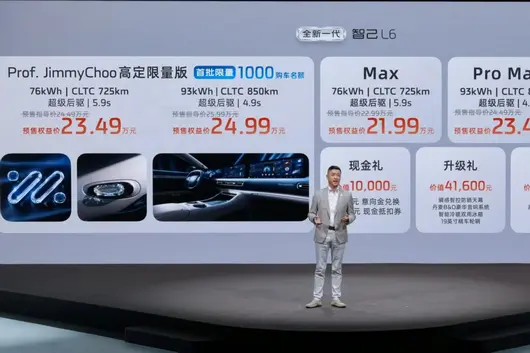

易車訊 8 月 18 日,全新一代智己 L6 預售發布會在上海世博創意秀場舉行。作為智己 L6 的一次全面升級,新車不僅在三電、底盤、智能化及舒適性配置方面實現進化,更攜手國際高定設計大師 Prof. Jimmy Choo,將高定設計真正融入量產車型,以「硬核技術 + 原創設計 + 情緒價值」的產品思路,嘗試突破傳統汽車消費圈層。
發布會後的媒體專訪中,智己汽車副總經理徐崟、智己汽車品牌與用戶高級總監焦樵,圍繞全新一代智己 L6 的產品升級、Jimmy Choo 跨界合作、線控底盤、三電系統、用戶定位以及智己下半年產品規劃等話題進行了深入分享。
從「參數競爭」走向「情緒價值」,全新一代智己 L6 全面升級
徐崟表示,全新一代智己 L6 並非簡單的年度改款,而是一次圍繞三電、底盤、智能化和舒適體驗的全面升級。
新車採用全新三電系統,全系標配線控底盤,並升級 AI Agent 智駕體驗,同時搭載丹麥 B&O 音響,配合內飾質感提升以及 Prof. Jimmy Choo 高定設計,讓產品在技術和體驗層面實現進一步進化。

智己汽車副總經理徐崟
在徐崟看來,全新一代智己 L6 最大的特點就是「沒有短板,只有長板,而且長板非常突出」。相比上一代車型,此次車型在配置和產品體驗上進行了大量升級,希望讓消費者能夠獲得更加實在的產品價值。
而焦樵認為,面對如今高度同質化的汽車市場,僅僅依靠參數已經越來越難以形成長期吸引力。年輕消費者除了關注性能和配置,也越來越在意審美、品位以及汽車所帶來的情緒價值。因此,全新一代智己 L6 希望在硬核技術之外,讓用戶能夠從產品中獲得更鮮明的個性表達。
Jimmy Choo 跨界合作,讓 L6 成為一台"Not For Everyone"的車
此次全新一代智己 L6 最受關注的變化之一,是與國際高定設計大師 Prof. Jimmy Choo 的合作。徐崟將這次合作概括為「腔調、破圈、同頻共振與雙向奔赴」。
從車身水晶裝飾,到 Jimmy Choo 經典藍色配色,這次合作並沒有停留在傳統的品牌聯名或營銷層面,而是深入到車輛設計細節。Prof. Jimmy Choo 首次接觸全新一代智己 L6 後,對整車造型、內飾質感以及車身線條給予了高度認可,雙方最終在審美和理念上達成共識。
為此,雙方團隊進行了多輪溝通和設計打磨,並多次往返倫敦與上海,對細節持續優化。最終,原本已經擁有原創設計基礎的智己 L6,在高定設計加持下進一步強化了時尚屬性。這種「與眾不同」,也成為智己對於全新一代 L6 用戶定位的核心表達。
同時,L6 也并非只面向女性消費者。Jimmy Choo 高定限量版雖然在審美上更貼近女性偏好,但同樣獲得了不少男性用戶的認可。智己還將在成都車展與 Sean Lee(李宏聲)合作推出一款更加突出操控性能和駕駛質感的車型,讓 L6 擁有更加豐富的產品表達。
20 萬級全系標配線控底盤,將「新三大件」進一步下放
如果說 Jimmy Choo 高定設計代表了全新一代智己 L6 在情緒價值上的突破,那麼全系標配線控底盤,則體現了智己對於技術的堅持。此次全新一代智己 L6 將線控底盤全系標配,把此前通常出現在百萬級豪華車型上的技術進一步下放到 20 萬級家用轎車市場。
徐崟認為,線控底盤不僅能夠提升車輛的操控和安全表現,同時也是未來 L3、L4 級智能駕駛的重要物理基礎。隨著線控轉向新國標正式實施,線控底盤有望成為下一代智能駕駛體系的重要配置。
全新一代智己 L6 還通過航空級三重安全冗餘,以及四輪轉向、防側滑、靈蜥數字底盤 3.0 等技術,構建完整的底盤技術體系。在智己看來,這並不是簡單增加一項配置,而是通過整套底盤技術體系提升車輛的操控、安全和穩定性。
NEO 三電架構 +800V 超快充,兼顧能耗、補能與安全
三電系統同樣是此次升級的重點。全新一代智己 L6 採用新一代電驅架構 NEO,百公里電耗低至 11.6 度,通過降低能耗進一步釋放電池續航能力。
與此同時,800V 超高壓快充進一步解決補能焦慮。智己表示,其 800V 高壓超充系統具備更廣泛的充電樁適配能力,90% 以上的高速路網和城市充電樁基本能夠實現滿功率充電。在補能速度方面,車輛最快 15 分鐘可補充 580 公里續航。
安全方面,新車採用與寧德時代合作的 93 度高效電池,並綜合車身重量、能耗和充電效率進行平衡。新電驅綜合效率提升 2.8%,重量降低 8%。在原有較高效率基礎上繼續實現提升,也成為此次三電系統升級的重要體現。
全系標配 B&O,以「五感體驗」提升座艙質感
除了技術和設計,全新一代智己 L6 還進一步強化了座艙體驗。新車全系標配丹麥 B&O 音響。焦樵透露,在產品定義階段,團隊曾多次討論 B&O 究竟應該作為選裝還是標配。儘管全系標配會帶來明顯的成本壓力,但最終智己仍然選擇將其作為標準配置。
在智己看來,年輕用戶同樣越來越重視生活品質,而音樂幾乎是所有用戶日常出行都會接觸的場景。此次 L6 搭載的 B&O 音響不僅擁有充足的硬件規格,還由 B&O 專業調音師針對 L6 座艙空間和聲學環境進行定制化調校,希望讓用戶獲得更加細膩的聽覺體驗。

智己汽車品牌與用戶高級總監焦樵
焦樵表示,智己希望從視覺、聽覺、觸覺等「五感」出發提升產品體驗,讓用戶進入車輛後,從高定設計帶來的視覺感受,到皮質材質帶來的觸感,再到 B&O 音響營造的聽覺體驗,都獲得更加完整的高級感。
「全新一代」不只是換外觀,更是技術底座的全面革新
對於全新一代智己 L6 外觀沒有進行大幅改變,焦樵表示,「全新一代」並不意味着一定要換一套外殼。
一些已經獲得市場認可的經典設計,沒有必要為了換代而徹底推翻。此次 L6 保留了原有設計中已經得到市場認可的元素,同時通過與 Prof. Jimmy Choo 團隊合作進一步強化設計特點。
而在真正影響用戶體驗的技術底座上,智己進行了更大幅度的革新。從線控底盤、全新三電系統,到 AI Agent 智能化,再到 B&O 音響、可變調光天幕、冰箱等舒適配置,全新一代智己 L6 完成了從技術到體驗的全面升級。
下半年密集推出純電新品,智己進入產品攻勢期
面對今年更加激烈的市場競爭,智己將在下半年加速推進產品迭代。徐崟透露,今年上半年市場共發布了 527 款新車,而 1 月至 7 月整體市場下降約 20%。與此同時,純電市場仍保持增長,下降主要集中在增程和燃油市場。基於這一市場變化,智己將把下半年重點放在純電產品上。
全新一代智己 L6 是這一輪產品攻勢的第一款車型。9 月,智己將推出新一代 LS6,並在三電系統、底盤、AI Agent 和舒適性配置等方面進行較大升級;10 月,LS8 將推出純電版本。
此外,發布會現場大屏中出現的打碼內容,也被徐崟確認是智己即將上線的新一代 AI Ultra Agent 功能,更多信息將在後續公布。
從 L6 到 LS6,再到純電 LS8,智己正在通過密集的產品升級,進一步強化純電市場佈局。加速全球化佈局,智己海外市場持續拓展海外市場同樣成為智己未來的重要發展方向。
徐崟此前負責泰國市場,並表示泰國是智己出海的第一站。目前 LS6 和 L6 兩款車型在泰國市場表現不錯,去年銷量約 1700 多台,今年預計將超過 2000 台。在此基礎上,智己正在進一步拓展全球市場,目前重點佈局歐洲,同時同步開拓東南亞、中東以及澳新市場。
未來 LS8 也將進入海外市場,並可能根據不同市場推出左舵、右舵車型,動力形式以純電為主,部分市場也將考慮增程版本。對於智己而言,出海正在成為品牌發展的重要戰略方向。
從全系標配線控底盤,到 NEO 三電架構、800V 超高壓快充,再到 Jimmy Choo 高定設計和 B&O 音響,全新一代智己 L6 正在嘗試建立一套區別於傳統汽車競爭的產品邏輯:以技術構築產品底座,以原創設計建立品牌辨識度,再通過情緒價值與用戶共創拓展產品邊界。
"Not For Everyone",或許正是智己對於全新一代 L6 最鮮明的註腳——它不試圖滿足所有人,而是希望成為那些在意技術、審美、品位與個性的人,表達自我的一種選擇。

喺馬來西亞嘅 SUV 市場,好多買家喺揀車嘅時候都會拿本田 WR-V 同馬自達 CX-3 嚟做比較。這兩款車喺價位同定位上都好接近,今日我哋就從多個方面做一個詳細嘅比較,幫你慳咗做功課嘅時間。
本田 WR-V 喺馬來西亞嘅 OTR 售價係令吉 89,900 - 107,900,一共有 4 個版本,包括 2023 1.5L V(令吉 99,900)、2023 1.5L E(令吉 95,900)、2023 1.5L S(令吉 89,900) 等等。
馬自達 CX-3 喺馬來西亞嘅 OTR 售價係令吉 126,159 - 139,159,一共有 2 個版本,包括 2023 2.0L High(令吉 139,159)、2023 2.0L Plus(令吉 126,159) 等等。
從價錢來看,本田 WR-V 嘅起步價真係比馬自達 CX-3 平咗令吉 36,259。如果你預算有限,本田嘅入門版已經可以滿足日常需要。但都要注意,平嗰幾千塊,可能喺配備上會有取捨,具體要看你嘅需要。
本田 WR-V 車身長 4400 毫米,行李廂 400 升。
馬自達 CX-3 車身長 4500 毫米,行李廂 450 升。
空間方面,馬自達 CX-3 嘅車身比本田 WR-V 長咗 100 毫米,乘坐空間更有優勢。不過本田 WR-V 喺市區裡泊車會靈活少少,各有各取捨。
本田 WR-V 採用前輪驅動驅動方式。
馬自達 CX-3 採用前輪驅動驅動方式。
兩款車嘅驅動方式一樣,都係前輪驅動,日常駕駛感受唔會有太大分別。
本田 WR-V 同馬自達 CX-3 都係馬來西亞市場嘅主流選擇,適合家庭用途、日常通勤。如果你更睇重品牌口碑同二手價,可以優先考慮口碑更好嗰一款;如果你更在意性價比同配備,就揀配備更豐富嗰款。最終都係建議兩款都去試駕,親身體驗先係最重要嘅。
總括嚟講,本田 WR-V 同馬自達 CX-3 都係馬來西亞市場好唔錯嘅車型。揀邊輛,關鍵都要睇你嘅個人需要同預算。建議大家做足功課,多比較幾間車行之報價,再去試駕做最終決定。買車係件大事,花少少時間做功課絕對唔會錯。

「賣車唔賺錢」——呢句行業玩笑,最終一語成讖。
價格戰打咗三年,行業利潤率由十年前嘅 7.8% 跌到 1.5%。「量利不可兼得」由一種現象,變成咗行業共識。

但吉利用一組數據,把呢個共識掀翻咗——今年上半年,汽車銷量 142 萬輛,同比微增 1%;營收 1736 億元,同比大漲 15%;核心歸屬母公司股東淨利潤達 96.8 億元,同比暴增 46%;單車核心歸屬母公司股東淨利潤 6806 元,同比提升 45%。

銷量漲 1%,利潤漲 46%。唔係靠「多賣車、薄利多銷」堆出嚟嘅,而係每一台車都喺賺更多錢。如果把時間拉長睇,這已經係吉利連續第六年保持營收正增長。喺一個從「增量競爭」轉入「存量淘汰」嘅週期入面,「量價利齊升」呢五個字,就係呢份半年報最硬核嘅註腳。
一個吉利,攥緊拳頭
數據擺喺度,賬邊個都會算。但更值得追問係——吉利,點解?
答案,藏喺一個兩年之前啟動嘅戰略入面。2024 年 9 月,吉利發布《台州宣言》,提出「戰略聚焦、戰略整合」五大舉措,宣告從「多生仔好打架」嘅擴張時代,進入「回歸一個吉利」嘅聚焦時代。

嗰陣,吉利回答咗兩個市場最聚焦嘅問題:點解同點做?
前者嘅答案好直接,改變過去品牌分散、各自為戰嘅局面,將資源凝聚成一個拳頭;後者嘅路徑都好清晰,極氪、領克、銀河、中國星四大品牌同處一個公司架構,中央研究院、供應鏈、製造體系全部打通。今年 8 月又成立咗銷售總公司,下設四個品牌銷售公司,營銷資源進一步協同。由研發、製造、採購、銷售,「一個吉利」拼完咗最後一塊拼圖。
整合嘅效果,亦直接寫進咗利潤表入面——上半年行政費用率降至 1.7%,研發費用率降至 5.2%,錢花得更少、效率更高咗。

四個品牌亦各司其職。極氪扛利潤,今年上半年賣咗 17.8 萬輛,只佔總銷量嘅 12.5%,卻貢獻咗 31.7% 嘅營收——這就是高端化嘅威力;平均客單價 35 萬,已經超過咗 BBA。
銀河走規模,上半年賣咗近 52 萬輛,衝進咗全球新能源前三。主流市場跑規模、攤成本,係吉利嘅基本盤。
中國星守燃油,上半年賣咗超 58 萬輛,連續第 10 年拿下中國品牌燃油車銷量第一。行業燃油車跌咗 31.9%,中國星只跌咗 8.8%,靠產品力守住咗燃油陣營。
領克做差異化,上半年超 14.4 萬輛,新能源滲透率達 65%,「潮流、運動、個性」嘅標籤越貼越牢,喺細分市場入面做緊自己擅長嘅嘢。「不打架、唔內耗」——這唔係一個品牌喺度戰鬥,係四根柱子同時撐起咗吉利嘅利潤底盤。
第二曲線,遠征海外
國內市場穩住之後,吉利把目光投向咗更遠嘅地方。

當國內車市仲喺價格戰入面廝殺,吉利嘅車已經裝上咗遠洋貨輪。上半年,吉利海外出口銷量達 47.42 萬輛,同比增長 158%,已超 2025 年全年出口總量。6 月同 7 月,海外單月銷量連超 10 萬輛。
橫向對比更直觀——吉利係主流中國車企中出口增速最高嘅,總出口量同新能源出口量雙雙躋身中國車企前三。出口佔總銷量嘅比重,由去年同期嘅約 13% 拉至 33%。

但比銷量更具含金量嘅係出口嘅結構——今年上半年,吉利新能源車款出口 27.72 萬輛,同比暴增 585%,佔出口總量嘅 58.5%。即係話,吉利賣去海外嘅車入面,超過一半係新能源——唔係將國內賣唔到嘅燃油車挪去海外去清庫存,而係將最先進嘅產品推向全球市場。
同時,吉利嘅打法亦升級咗:由「整車出口」走向「體系出海」。上半年投入營運嘅海外製造工廠已達 12 座,海外產能超 65 萬輛,預計年底會超過 84 萬輛。吉利汽車董事會主席安聰慧喺業績會上披露咗更長期嘅佈局:沃爾沃歐洲工廠會承接吉利體系內豪華車生產;寶騰馬來西亞工廠正進行緊技術改造,規劃升級為 50 萬輛級東南亞製造基地;同福特合資嘅西班牙工廠產能同樣係 50 萬輛。由「將車賣出去」到「將廠建出去」,吉利正喺度完成由產品出海到產業出海嘅躍遷。

而基於上半年嘅增速,吉利已經將全年海外銷量目標由 64 萬輛上調至 92 萬輛,同埋喊出咗衝刺 100 萬輛嘅口號,長期目標係海外貢獻三分之二嘅總銷量。
由 13% 到 33%,再到三分之二,一條清晰嘅上揚曲線,勾勒出吉利海外市場嘅增長軌跡,亦標記出一家中國車企向全球公司躍遷嘅關鍵節點。
智能賽道,重倉 AI
一個向內要效率,一個向外要增量——
整合係將資源攥緊,出海係將市場打開。但這僅僅解決咗上牌桌嘅問題,想要贏得牌局,仲要落一個更大嘅注。

打開吉利嘅研發賬本:上半年研發投入 90.6 億元,同比增長 8%,研發費用率反而降至 0.3 個百分點。錢花得更加有效率咗,但研發投入絕對值仲喺度漲——這些錢,大部分砸向咗一個方向:AI。
2026 年 1 月,吉利喺美國 CES 上宣布全域 AI 技術體系進化至 2.0 時代。核心突破係基於自研嘅 WAM 世界行為模型,實現咗 AI 技術喺整車各域嘅跨域融合,令汽車智能首次擁有咗持續進化嘅「世界觀」同「判斷力」。

基於 WAM 模型,吉利搭建咗一套叫「1+2+N」嘅多智能體協同框架,核心邏輯並唔複雜:一個大腦統一調度,超級 Eva 同千里浩瀚 G-ASD 分別負責「想」同「動」,然後延伸到整車各個功能模組。簡單講,你隨口講一句說話,背後可能有幾多個智能模組喺度協同工作——聽懂意圖、規劃路徑、控制車輛、調整座艙,一氣呵成。
落地後,千里浩瀚 G-ASD 已覆蓋極氪、領克品牌 16 款車款,搭載車輛超 30 萬輛。2026 年,吉利計劃喺法規允許下推送高速 L3 同城區 L4 功能,同埋實現 Robotaxi 商業化營運。

區別於行業普遍嘅產品智能化——喺車上加一堆功能,吉利將 AI 嵌進咗由設計、研發、製造到售後嘅全鏈條。上半年推出嘅 i-HEV 智擎混動、AI 數字底盤、16 合 1 智能電驅,背後都有 AI 大模型嘅影子。同時,更遠嘅棋局亦已落子:吉利已同 NVIDIA 深化合作,仲計劃設立 2030 實驗室,佈局功率半導體、具身智能、大模型等前沿領域。
如果話「一個吉利」係底盤,出海係加速器,嗰就全域 AI 就係方向盤——佢決定係呢間公司最終要開到邊度去。而吉利官方對呢件事嘅定調係:向「全域 AI 智能汽車引領者」加速邁進。
結尾:

「呢係一份亮眼嘅財報,但仲未達到令人驚艷嘅程度」。業績發布會上,吉利汽車董事局副主席、執行董事桂生悅作出咗四個判斷:預料之中、亮眼、唔令人驚艷、可以長期持續且有極大提升空間。
而呢背後恰好對應咗吉利半年報嘅三重邏輯:預料之中,係整合帶來嘅效率釋放;亮眼,係出海打開嘅增長空間;而唔令人驚艷但有極大提升空間,則係對 AI 呢場長跑嘅清醒認知——底牌已經亮出,但終局遠未到來。
對於行業而言,吉利呢份半年報最大嘅價值,唔係提供咗另一個「賺錢嘅案例」,而係提供咗一個喺存量淘汰周期入面點樣活得好好嘅樣本——唔靠價格戰,唔靠堆配置,靠係戰略定力、體系能力同前瞻佈局。呢係吉利嘅答案,亦係佢最深嘅護城河。
In the Malaysian SUV market, many buyers compare Proton X90 and Subaru Forester when choosing a car. These two cars are quite close in price and positioning. Today we will make a detailed comparison from multiple aspects to help you save time on research.
The OTR price of Proton X90 in Malaysia is RM 106,800 - 122,800, with a total of 4 versions, including 2026 1.5T Prime X (RM 122,800), 2026 1.5T Prime (RM 116,800), 2026 1.5T Lite (RM 106,800) etc.
The OTR price of Subaru Forester in Malaysia is RM 174,000 - 197,000, with a total of 3 versions, including 2024 2.0L S EyeSight GT Edition (RM 189,538), 2024 2.0L S EyeSight (RM 177,538), 2024 2.0L L EyeSight (RM 167,538) etc.
From a price perspective, Proton X90's starting price is indeed RM 67,200 cheaper than Subaru Forester. If your budget is limited, Proton's entry-level version can already meet daily needs. But also note that the few thousand difference might involve trade-offs on features, depending on your specific needs.

Proton X90 is equipped with 1.5L Turbo, 140 hp. Official fuel consumption 7.0 L/100km.
Subaru Forester is equipped with 2.0L 4-cyl, 170 hp. Official fuel consumption 8.0 L/100km.
In terms of power, the 2.0L 4-cyl of Subaru Forester has 30 more horsepower than the 1.5L Turbo of Proton X90. However, for daily city driving, the power of both cars is sufficient, you won't feel lack of power.
The safety rating of Proton X90 is 5★ (ASEAN NCAP), active safety systems include ADAS (ACC, AEB, LKA, LDA, BSM, RCTA).
The safety rating of Subaru Forester is 5★ (Euro NCAP), active safety systems include EyeSight.
Regarding safety features, both cars received good ratings. However, Proton X90's ADAS (ACC, AEB, LKA, LDA, BSM, RCTA) and Subaru Forester's EyeSight have some differences in functionality. If you value active safety, you can compare the feature lists of both carefully.
Proton X90 body length 4400 mm, trunk 400 L.
Subaru Forester body length 4400 mm, trunk 400 L.
The dimensions of both cars are almost the same, with little difference in interior space. For this class of cars, it is fully sufficient for daily use.

Proton X90 uses FWD drive mode.
Subaru Forester uses FWD drive mode.
Both cars have the same drive mode, both are FWD, so there won't be much difference in daily driving experience.

In general, both Proton X90 and Subaru Forester are very good models in the Malaysian market. Which one to choose depends on your personal needs and budget. It is recommended to do your research, compare quotes from several dealerships, and test drive before making a final decision. Buying a car is a big deal, spending time on research will definitely not be wrong.


August 14, Shenzhen. A fleet composed of new energy vehicles paused here temporarily. But everyone was clear, this was not the end. 33 days ago, they set off from Xi'an, heading south all the way, passing through Bozhou, Jingdezhen, Hangzhou, Wuyishan—these place names, connected together, just happened to string together the four most dazzling things on the ancient Silk Road a thousand years ago: aromatic herbs, porcelain, silk, tea. A thousand years ago, camel caravans carried these "Eastern Symbols" westward, bringing China to the world.
Thousands of years later, camel bells became the low hum of electric drive, caravans became new energy fleets, traveling the same major artery connecting east and west, but what was loaded in the vehicles and the meaning behind it had completely changed protagonists. Cultural visits and technical tests were never idle all the way!

Flash charging technology and intelligent assisted driving systems were online throughout. After long-distance inter-city travel, energy replenishment speed and driving control experience both underwent solid testing. The fleet also produced a series of contents such as 'A Thousand-Year Meeting at Last' and 'Traveling China with Flash Charging', recording true stories about intangible cultural heritage inheritance, urban changes, and domestic brands going global.

Cultural visits and technical experiences intertwined all the way, forming a strange era resonance between the thousand-year-old Silk Road and China's new energy industry today. Speaking of technology, BYD's second-generation Blade Battery and Flash Charging technology released this March has pushed charging speed to a brand new height—charging from 10% to 70% takes only 5 minutes, charging to 97% takes only 9 minutes. Performance in low-temperature environments is equally amazing, charging from 20% to 97% at minus 30 degrees takes only 3 minutes more than normal temperature. Vehicles equipped with this technology broke the 1000-kilometer range limit. The distance that camel caravans took a month to cover back then, today's electric vehicles can run the full route with one charge.

Numbers speak: A million vehicles is just the beginning. Shenzhen is the end of the domestic segment, but more importantly, it is the starting point of the overseas journey. Next, the fleet will connect with the Maritime Silk Road from here and continue towards Southeast Asia and the Middle East. From the Land Silk Road to the Maritime Silk Road, from Xi'an to Shenzhen and then overseas, riding on mountains and seas on a green voyage, the vision of this journey has already extended from domestic to global.
Speaking of the globe, a set of data is worth looking at carefully. In July 2026, BYD's overseas sales reached 180,000 vehicles, a year-on-year increase of 124.3%, resetting historic records again. In the first seven months of this year, cumulative overseas sales have reached 969,000 vehicles, just one final step away from the one million vehicle milestone. As of now, BYD's new energy vehicles have covered 121 countries and regions globally. The proportion of overseas sales to total sales has already exceeded 43%—meaning that for every two cars sold, one heads to the overseas market.

What is more worth noticing is that this 'Going Global' is no longer simply transporting cars for sale abroad. Localization production, technology export, and industrial synergy are advancing synchronously. The Camaçari factory in Brazil started production in July 2025 with a first-phase annual capacity of 150,000 vehicles, expanding to 300,000 by the end of 2026; the Szeged factory in Hungary invested about $4.5 billion, with a planned annual capacity of 300,000 vehicles, launching mass production in Q4 2026; the Thailand factory has an annual production of 150,000 vehicles, radiating to the entire ASEAN market.
From selling products to building an ecosystem, from "Made in China" to "Global Co-construction", the entire supply chain of China's new energy industry is heading towards the world. The camel bells fade, the direction remains unchanged. A thousand years ago, silk, porcelain, and tea made the world recognize the East.


Author | Janson
Editor | Zhihao
CheXiwu News on August 19, recently, Pony.ai and global mobility platform Uber announced further expanding strategic cooperation, planning to deploy more than 2,000 Pony.ai Robotaxis in 5 cities in Europe. This is one of the largest Robotaxi deployment plans in Europe, and consequently, Pony.ai's total overseas deployment plan exceeds 4,000 vehicles.
This cooperation between Pony.ai and Uber will be based on the existing commercial operations in Zagreb, Croatia, and expand to 5 European cities including Zagreb.

▲ Pony.ai Founder and CEO Peng Jun (right) and Uber CEO Dara Khosrowshahi (left)
Meanwhile, Zagreb Robotaxi service will soon integrate into the Uber platform, and users can call Pony.ai Robotaxis through the Uber App.
From single-city operations in Zagreb to 5 cities in Europe and over 2,000 vehicles, the cooperation between Pony.ai and Uber is crossing a key milestone.
Why can both parties quickly replicate the same set of technologies, products, and operational models across multiple cities?
In response, technology, platforms, and operations are organized into the same "Jointly Built Fleet" system.
Pony.ai is working with overseas partners to replicate the autonomous driving technology, mass-produced products, and commercialization capabilities verified in the Chinese market to broader overseas markets.
01.
From Zagreb to Five European Cities
Pony.ai and Uber Build Robotaxi Fleet Together
In this expansion, Pony.ai and Uber collaborated to explore a "Jointly Built Fleet" model involving both technology providers and mobility platforms.
Compared to full-chain self-operation, this division of labor can reduce redundant construction.
Pony.ai does not need to build a mobility platform and complete offline operational system from scratch in every overseas city, and Uber does not need to develop L4 autonomous driving systems itself.
Both parties can introduce partners familiar with the local market on the basis of their respective capabilities to promote vehicle management and city operations. Vehicle capital investment and asset ownership are also not using fixed schemes.
According to the cooperation framework disclosed by both parties, participating parties can assume multiple roles based on local market conditions. Who invests the vehicles and who holds the assets can be flexibly arranged in combination with specific cities.
This allows the same cooperation model to adapt to different markets, rather than redesigning a business architecture for every city.
Of course, jointly built fleets do not mean bypassing localization work. When Robotaxis enter new countries and cities, regulatory communication, vehicle access, testing verification, and operating licenses still need to be promoted. This part of the work is exactly the strength of local partners, especially partners with rich experience like Uber, while Pony.ai leverages its own technology and operational advantages to adapt products to local road environments, traffic rules, and user needs.
The value of local partners lies in supplementing city resources and operational experience, improving project implementation efficiency. Pony.ai still needs to be responsible for the safety, stability, and continuous iteration of the autonomous driving system.
Based on previous experience, Zagreb has already completed the preliminary verification of this model.

▲ Pony.ai Robotaxis in Europe
Zagreb has already completed the single-city verification of this model. In May this year, Pony.ai, Uber, and Croatian local company Verne cooperated to launch commercial Robotaxi services locally.
Next, the three parties need to verify whether this model can adapt to road, regulatory, and operational environments in different cities. Moving from single-city landing to regional replication is precisely the core value of "Jointly Built Fleets". Parties recombine existing capabilities, thereby reducing capital pressure and execution complexity for entering new markets, providing a foundation for Robotaxis to move from point landing to regional scale operations.
02.
From Technology Verification to Thousand-Vehicle Deployment
Why Pony.ai Received Uber's Increased Investment
The core reason for Uber expanding cooperation with Pony.ai is not complicated. The platform needs Robotaxi capacity that can serve in old town areas with complex European road conditions, accept orders during peak ride-hailing hours such as rainy days, and has a total cost of hardware and operations that is low enough.
Pony.ai has completed the leap from technology testing to commercial operations.
Currently, Pony.ai has carried out fully autonomous Robotaxi commercial operations in Beijing, Shanghai, Guangzhou, and Shenzhen, possessing 1,975 Robotaxis.
At the same time, Pony.ai's global autonomous driving road test mileage exceeds 100 million kilometers, of which fully autonomous road test mileage exceeds 40 million kilometers.
Complex roads, real users, and normalized operations jointly tested the safety and stability of its autonomous driving system.
But for Uber, for the technology to work is just the basis. Integrating Robotaxis into mobility platforms also requires ensuring that vehicles can provide long-term stable service in complex core urban areas where ride-hailing demand is most vigorous, rain or shine, and that the riding experience can be accepted by users. Service quality will not decrease after fleet scale expansion.
Pony.ai's user experience and scale fleet operation experience accumulated in domestic tier-one cities meet Uber's high requirements for operations in Europe, thus becoming Uber's largest autonomous driving partner in Europe.

▲ Pony.ai Robotaxis in China
Beyond technology, commercialization capability is equally critical. Pony.ai's Seventh Generation Robotaxi has achieved per-vehicle profitability in Guangzhou and Shenzhen, indicating that its Robotaxis not only can complete fully autonomous driving but also start to balance revenue and costs.
For Uber, only when the per-vehicle economic model is established can autonomous driving capacity expand from a small number of demonstration vehicles to a continuous operation thousand-vehicle fleet.
Another capability supporting scale expansion is automotive-grade mass production.
Pony.ai's Seventh Generation Robotaxi already possesses mass production and deployment capabilities, and its technology, safety, user experience, and cost control have all been tested by actual operations.
Compared to test vehicles modified for individual projects, standardized and mass-producible Robotaxis are more suitable for cross-city replication and can also provide a stable foundation for subsequent vehicle supplementation and fleet operations.
Beyond mass production capabilities, cost advantages further expanded Pony.ai's scale deployment space.
Pony.ai Founder and CEO Peng Jun previously stated that Pony.ai's vehicle costs are approximately one-fourth to one-fifth of Waymo's. This gap comes from the joint effect of technological R&D, supply chain, and engineering capabilities.
Lower vehicle investment means overseas partners can deploy more vehicles with the same funds, and also leave more space for return on investment after fleet expansion.
For Uber, what Pony.ai provides is not only L4 virtual drivers but also automotive-grade mass-produced vehicle models, verified user experience, and sustainable per-vehicle economic models.
This is also the key to Uber choosing to cooperate with Pony.ai for increased investment.
With this, Pony.ai's role in overseas markets has also changed. Pony.ai started providing Robotaxi products capable of batch deployment and autonomous driving capacity capabilities to global mobility platforms.
03.
Fleet Scale Expansion
Pony.ai's "Dual Engine" Begins to Turn
Europe 5 cities, over 2,000 vehicle fleet, global total planned scale of 4,000 vehicles. The scale means Pony.ai's overseas layout began to shift from single-city landing to regional scale operations.
In the future, what Pony.ai will form in Europe will no longer be several scattered projects, but a Robotaxi operational network covering multiple cities.
Thousand-vehicle scale is also an important watershed for Robotaxi commercialization.
Only when the number of vehicles reaches a certain scale can regional coverage density and capacity dispatch efficiency be improved, allowing users to hail cars more easily, and further improve the per-vehicle economic model by relying on more orders and scale effects.
Built upon the Seventh Generation Robotaxi per-vehicle profitability and cost advantages, Pony.ai already possesses the foundation to scale up the business model verified domestically to European thousand-vehicle fleets.
Europe provides a larger value space for this model.
European cities are dense, and shared mobility markets are mature. Labor and vehicle usage costs are relatively high, providing a larger commercial value space for Robotaxis.
Pony.ai's per-vehicle economic model that has run through is expected to obtain higher revenue and greater profit space locally. Better vehicle returns will also enhance the willingness of platforms and operational partners to expand deployment.
After scale expansion, what Pony.ai obtains is not just the number of vehicle deployments.
According to the business model of the jointly built fleet this time, European fleet operations are expected to bring it technical licensing, passenger fare sharing, and other ongoing revenue.
The more vehicles, the broader the covered cities, Pony.ai's revenue sources will also gradually shift from project cooperation to long-term returns linked to actual operational scale.
This is precisely the core of Pony.ai's "China + Overseas" dual-engine strategy.

▲ Pony.ai Robotaxis in the Middle East
The Chinese market undertakes product verification and industrialization tasks. Pony.ai relies on complex domestic urban road environments to hone technology, verify business models, and leverage mature automotive supply chains to promote automotive-grade mass production and continuous cost reduction.
The overseas market undertakes scale amplification and revenue growth tasks, replicating domestic-verified Robotaxi products and business models to high-value incremental markets.
The two markets thus form a mutually reinforcing cycle.
Domestically mature products and lower costs provide a foundation for overseas deployment; overseas fleet and service scope expansion releases greater commercial value, while bringing back operational experience under different roads, regulations, and user needs, pushing products to continue iteration.
Europe 5 cities is just an important step in this global expansion path.
Currently, Pony.ai has obtained autonomous driving test or operating licenses in markets such as the Middle East, Singapore, South Korea, Luxembourg, and Croatia, and proposed the target of entering over 20 cities globally in 2026 with fleet scale breaking 3,500 vehicles.
What Pony.ai outputs to overseas is no longer just a set of autonomous driving algorithms, but Robotaxi products, supply chain capabilities, and commercial operational methodologies verified in Chinese megacities.
At this point, Pony.ai's "China + Overseas" dual engine begins to truly turn.
04.
Conclusion: Robotaxi Enters the "Scale Operation" Stage
The next stage of Robotaxi competition is about who can truly organize technology, vehicles, orders, capital, and offline operations.
Uber's continued investment has also gradually formed a closed loop for Pony.ai's joint fleet model in Europe.
Over 2,000 new deployments, and the global 4,000 vehicle planned deployment expectation. If these can be successively converted into stable operating real fleets, what they verify is not just one enterprise's overseas path, but a Robotaxi commercialization methodology originating from the Chinese market and facing global replication.

Dalam pasaran SUV di Malaysia, ramai pembeli akan membandingkan Proton X90 dan Subaru Forester ketika memilih kereta. Kedua-dua kereta ini mempunyai harga dan kedudukan yang sangat hampir. Hari ini, kita akan membuat perbandingan terperinci dari pelbagai aspek untuk membantu anda menjimatkan masa membuat kajian.
Harga OTR Proton X90 di Malaysia ialah RM 106,800 - 122,800, terdapat keseluruhan 4 varian, termasuk 2026 1.5T Prime X (RM 122,800), 2026 1.5T Prime (RM 116,800), 2026 1.5T Lite (RM 106,800) dan lain-lain.
Harga OTR Subaru Forester di Malaysia ialah RM 174,000 - 197,000, terdapat keseluruhan 3 varian, termasuk 2024 2.0L S EyeSight GT Edition (RM 189,538), 2024 2.0L S EyeSight (RM 177,538), 2024 2.0L L EyeSight (RM 167,538) dan lain-lain.
Dari segi harga, harga permulaan Proton X90 memang lebih murah RM 67,200 berbanding Subaru Forester. Jika bajet anda terhad, versi asas Proton sudah boleh memenuhi keperluan harian. Tetapi perlu diperhatikan, perbezaan harga beberapa ribu itu mungkin ada pengorbanan dari segi kelengkapan, ia bergantung kepada keperluan anda.
Proton X90 dilengkapi enjin 1.5L Turbo, kuasa 140 hp. Penggunaan minyak rasmi 7.0 L/100km.
Subaru Forester dilengkapi enjin 2.0L 4-cyl, kuasa 170 hp. Penggunaan minyak rasmi 8.0 L/100km.
Dari segi kuasa, 2.0L 4-cyl Subaru Forester mempunyai 30 hp lebih berbanding 1.5L Turbo Proton X90. Namun, untuk penggunaan harian di kawasan bandar, kuasa kedua-dua kereta sudah mencukupi dan tidak berasa kurang tenaga.
Proton X90 mempunyai jaminan 5 tahun/150,000km, selang pemeliharaan setiap 10,000km atau 6 bulan.
Subaru Forester mempunyai jaminan 3 tahun/100,000km, selang pemeliharaan setiap 10,000km atau 6 bulan.
Proton X90 dan Subaru Forester adalah pilihan utama pasaran Malaysia, sesuai untuk kegunaan keluarga dan perjalanan harian. Jika anda lebih mementingkan reputasi jenama dan harga kedua, pertimbangkan model yang mempunyai reputasi lebih baik; jika anda lebih mengutamakan kos dan kelengkapan, pilih model yang lebih lengkap. Akhir sekali, disarankan untuk memandu kedua-duanya, pengalaman langsung adalah yang paling penting.
Secara keseluruhan, Proton X90 dan Subaru Forester adalah model yang sangat baik di pasaran Malaysia. Memilih mana-mana satu, teras utamanya bergantung pada keperluan peribadi dan bajet anda. Kami menasihatkan anda untuk membuat kajian terlebih dahulu, bandingkan sebut harga dari pelbagai peniaga kereta, kemudian lakukan ujian pemanduan untuk membuat keputusan akhir. Membeli kereta adalah perkara penting, mengambil masa untuk membuat kajian pasti tidak akan salah.
Pada pasaran SUV di Malaysia, ramai pembeli membandingkan Proton X90 dan Volkswagen Tiguan semasa memilih kereta. Kedua-dua kereta ini agak hampir dari segi harga dan pelan, hari ini kita akan buat perbandingan terperinci dari pelbagai aspek, membantu anda menjimatkan masa melakukan kajian.
Harga OTR Proton X90 di Malaysia adalah RM 106,800 - 122,800, terdapat 4 versi, termasuk 2026 1.5T Prime X (RM 122,800), 2026 1.5T Prime (RM 116,800), 2026 1.5T Lite (RM 106,800) dan lain-lain.
Harga OTR Volkswagen Tiguan di Malaysia adalah RM 206,540 - 260,024, terdapat 2 versi, termasuk 2025 Allspace 2.0T R-Line (RM 260,024), 2025 Allspace 1.4T Elegance (RM 206,540) dan lain-lain.
Dilihat dari segi harga, harga permulaan Proton X90 memang lebih murah RM 99,740 berbanding Volkswagen Tiguan. Jika bajet anda terhad, versi permulaan Proton sudah boleh memenuhi keperluan harian. Tetapi perlu juga diingat, beberapa ribu yang lebih murah itu, mungkin ada pengorbanan dari segi kelengkapan, bergantung pada keperluan anda.
Penilaian keselamatan Proton X90 ialah 5★ (ASEAN NCAP), sistem keselamatan aktif termasuk ADAS (ACC, AEB, LKA, LDA, BSM, RCTA).
Penilaian keselamatan Volkswagen Tiguan ialah 5★ (Euro NCAP), sistem keselamatan aktif termasuk IQ.Drive.
Dari segi kelengkapan keselamatan, kedua-dua kereta mendapat penilaian yang baik. Namun, ADAS (ACC, AEB, LKA, LDA, BSM, RCTA) Proton X90 dan IQ.Drive Volkswagen Tiguan mempunyai perbezaan dari segi fungsi, jika anda lebih mementingkan keselamatan aktif, boleh bandingkan senarai fungsi kedua-duanya dengan teliti.
Panjang badan Proton X90 4400 mm, ruang muatan belakang 400 L.
Panjang badan Volkswagen Tiguan 4400 mm, ruang muatan belakang 400 L.
Dimensi kedua-dua kereta hampir sama, ruang dalam tidak banyak berbeza. Kereta dalam kelas ini, cukup untuk penggunaan harian.
Proton X90 waranti 5 tahun/150,000km, selang penyelenggaraan setiap 10,000km atau 6 bulan.
Volkswagen Tiguan waranti 3 tahun/100,000km, selang penyelenggaraan setiap 10,000km atau 6 bulan.

Secara keseluruhannya, Proton X90 dan Volkswagen Tiguan adalah model kereta yang sangat baik di pasaran Malaysia. Memilih yang mana satu, utamanya bergantung pada keperluan peribadi dan bajet anda. Kami cadangkan anda membuat kajian dengan teliti, bandingkan lebih banyak tawaran daripada beberapa kedai kereta, baru buat ujian memandu untuk keputusan akhir. Membeli kereta adalah perkara besar, luangkan masa untuk membuat kajian tidak akan salah.

喺馬來西亞嘅 SUV 市場,好多買家喺揀車嗰陣都會拿 Honda WR-V 同 Toyota Yaris Cross 嚟做比較。呢兩款車喺價位同定位上都幾接近,而家我哋就由多個角度做個詳細比較,幫你節省做功課嘅時間。
Honda WR-V 喺馬來西亞嘅 OTR 售價係 RM 89,900 - 107,900,合共有 4 個版本,包括 2023 1.5L V(RM 99,900)、2023 1.5L E(RM 95,900)、2023 1.5L S(RM 89,900)等。
Toyota Yaris Cross 喺馬來西亞嘅 OTR 售價係 RM 99,900 - 109,900,合共有 2 個版本,包括 2026 1.5L Standard(RM 99,900)、2026 HEV 1.5L Standard(RM 109,900)等。
由價錢睇,Honda WR-V 嘅起步價的確比 Toyota Yaris Cross 平咗 RM 10,000。如果你預算有限,Honda 嘅入門版已經可以滿足日常需要。但都要留意,平嗰幾千蚊,喺配備上可能會有所取捨,具體就要睇你嘅需要。
Honda WR-V 搭載 1.5L 4-cyl,馬力 105 hp。官方油耗 6.0 L/100km。
Toyota Yaris Cross 搭載 1.5L 4-cyl,馬力 105 hp。官方油耗 6.0 L/100km。
兩款車用住同一套動力系統,日常開起嚟嘅感受基本冇分別。油耗方面都差唔多,唔使太糾結呢一點。
Honda WR-V 車身長 4400 mm,行李廂 400 L。
Toyota Yaris Cross 車身長 4400 mm,行李廂 400 L。
兩款車嘅尺寸幾乎一樣,車內空間差別唔大。呢個級別嘅車,日常使用完全夠用。
Honda WR-V 採用 FWD 驅動方式。
Toyota Yaris Cross 採用 FWD 驅動方式。
兩款車嘅驅動方式一樣,都係 FWD,日常駕駛感受唔會有太大區別。

Honda WR-V 同 Toyota Yaris Cross 都係馬來西亞市場嘅主流選擇,適合家庭使用、日常通勤。如果你更睇重品牌口碑同二手價,可以優先考慮口碑更好嗰款;如果你更在意性價比同配備,咁就揀配置更豐富嗰款。最後都係建議兩款都去試駕,親身體驗先至最重要。

總嚟講,Honda WR-V 同 Toyota Yaris Cross 都係馬來西亞市場幾唔錯嘅車型。揀邊一輛,關鍵都係要睇你嘅個人需要同預算。建議大家做好功課,多比較幾間車行嘅報價,再嚟試駕做最後決定。買車係件大事,花少少時間做功課絕對唔會錯。

这里是全网最专业和权威的韩系车和韩国车市系列内容,【韩系动向】第1831期
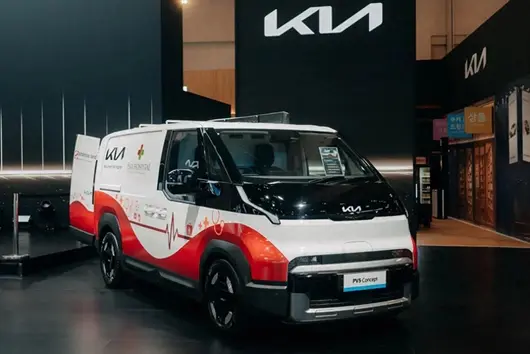
现代汽车集团,在上月 30 日至本月 9 日举办的印尼国际车展 GIIAS 上,展出一台由起亚 PV5 长货厢版改装而来的医疗示范专用车。

这台 PV5 医疗示范车辆,车内配备患者折叠病床、医用座椅、心电图检测设备等,可开展问诊与健康体检;依托 V2L 对外放电功能,随时随地为医疗设备供给电力。
现代汽车集团计划,从今年年末开始,在雅加达 BSD 智慧新城(Bumi Serpong Damai),联合印尼城市开发企业金光置地(Sinar Mas Land)、综合医疗机构埃卡医院(Eka Hospital),利用该车辆开展移动医疗服务实证项目。

现代集团注意到 BSD 城市存在结构性民生难题:医疗资源集中在少数点位,没有私家车的居民很难抵达医疗机构,就医十分不便。
为解决该痛点,现代汽车集团打造上门巡回医疗模式:PV5 车辆开进住宅小区、购物中心、运动场馆等人流集中场所,就地提供问诊、体检服务。

三方分工:现代汽车集团提供 PV5 车辆,并且负责项目整体运营;金光置地提供 BSD 社区住宅、公共场地等基础设施;埃卡医院负责派遣医护人员、操作医疗设备,提供诊疗服务。
通过印尼本次医疗示范项目,现代汽车集团希望提升当地居民就医可及性,验证基于移动出行载体的医疗服务落地可行性。同时搭建融合居住、交通、医疗基础设施的智慧城市服务样板,未来计划把这套业务拓展至其他东盟国家。

现代汽车集团表示:“印尼在东盟市场具备极高战略地位。作为智慧移动出行解决方案企业,我们将携手本地合作伙伴,积极推进东盟地区智慧城市业务。”

In the Malaysian SUV market, many buyers compare Proton X90 and Volkswagen Tiguan when choosing a car. These two cars are quite close in price and positioning, so today we will make a detailed comparison from multiple aspects to help save you time on research.
The OTR price of Proton X90 in Malaysia is RM 106,800 - 122,800, with a total of 4 versions, including 2026 1.5T Prime X (RM 122,800), 2026 1.5T Prime (RM 116,800), 2026 1.5T Lite (RM 106,800), etc.
The OTR price of Volkswagen Tiguan in Malaysia is RM 206,540 - 260,024, with a total of 2 versions, including 2025 Allspace 2.0T R-Line (RM 260,024), 2025 Allspace 1.4T Elegance (RM 206,540), etc.
From a pricing perspective, the starting price of Proton X90 is indeed RM 99,740 cheaper than Volkswagen Tiguan. If your budget is limited, Proton's entry-level version can already meet daily needs. But also note, the savings of a few thousand may involve trade-offs in features, depending on your specific needs.
Proton X90 uses FWD drive method.
Volkswagen Tiguan uses FWD drive method.
Both cars use the same drive method, both are FWD, daily driving experience will not differ much.
Proton X90 Warranty 5 years/150,000km, Maintenance interval every 10,000km or 6 months.
Volkswagen Tiguan Warranty 3 years/100,000km, Maintenance interval every 10,000km or 6 months.
Both Proton X90 and Volkswagen Tiguan are mainstream choices in the Malaysian market, suitable for family use, daily commuting. If you value brand reputation and resale value more, you can prioritize the one with better reputation; if you care more about cost-performance ratio and features, then choose the one with richer configuration. Ultimately, it is recommended to test drive both models, as personal experience is the most important.
Overall, Proton X90 and Volkswagen Tiguan are both very good car models in the Malaysian market. Which one to choose mainly depends on your personal needs and budget. We suggest doing research, comparing quotes from several dealerships, and then test driving to make the final decision. Buying a car is a big matter, spending some time doing research will definitely not be wrong.

In Malaysia's SUV market, many buyers compare the Proton X90 and Hyundai Tucson when choosing a car. These two models are quite close in price and positioning. Today we will make a detailed comparison from multiple aspects to help you save time on research.
The OTR price for Proton X90 in Malaysia is RM 106,800 - 122,800, with a total of 4 versions, including 2026 1.5T Prime X (RM 122,800), 2026 1.5T Prime (RM 116,800), 2026 1.5T Lite (RM 106,800), etc.
The OTR price for Hyundai Tucson in Malaysia is RM 143,888 - 197,888, with a total of 5 versions, including 2025 HEV 1.6T AT 2WD Prestige (RM 197,888), 2025 1.6T DCT 4WD Prestige (RM 186,888), 2025 1.6T DCT 2WD Prime (RM 164,888), etc.
Looking at the price, the starting price of Proton X90 is indeed RM 37,088 cheaper than Hyundai Tucson. If your budget is limited, Proton's entry-level version can already meet daily needs. But be aware that the few thousand ringgit difference might involve trade-offs in features, depending on your needs.
Proton X90 is equipped with a 1.5L Turbo, Horsepower 140 hp. Official fuel consumption 7.0 L/100km.
Hyundai Tucson is equipped with a 1.5L Turbo, Horsepower 140 hp. Official fuel consumption 7.0 L/100km.
Both cars use the same powertrain system, the driving feel is basically the same for daily use. Fuel consumption is also similar, no need to stress too much about this point.
Proton X90 safety rating is 5★ (ASEAN NCAP), active safety systems include ADAS (ACC, AEB, LKA, LDA, BSM, RCTA).
Hyundai Tucson safety rating is 5★ (ASEAN NCAP), active safety systems include SmartSense.
Both cars have the same safety rating. Safety features in this segment are quite comprehensive. New car safety nowadays is generally not bad, no need to worry too much about this point.
Proton X90 body length is 4400 mm, trunk 400 L.
Hyundai Tucson body length is 4400 mm, trunk 400 L.
The dimensions of the two cars are almost the same, with little difference in interior space. Cars in this segment are more than enough for daily use.

Proton X90 adopts FWD drive type.
Hyundai Tucson adopts FWD drive type.
Both cars have the same drive type, both FWD, there won't be much difference in driving feel for daily use.

Overall, both Proton X90 and Hyundai Tucson are very good models in the Malaysian market. Which one to choose depends on your personal needs and budget. We suggest doing your research, comparing quotes from several dealerships, and then test driving to make the final decision. Buying a car is a big matter, taking time to research will definitely not be wrong.
© 2024 Bitauto.com. All Rights Reserved.
Bitauto (www.yiche.com and www.bitauto.com) is one of the most visited automotive websites in China. We provide detailed info on Chinese car brands available in your area. Please note that the information provided on this website is based on publicly available data and is for reference only. It may not be fully updated or accurate at all times.

Help us improve our website


