

HomePerodua Kelisa

Search History
Popular Searches
Dealer Login / Sign Up

8 月 26 日,全球品質純電 SUV 風雲 T7 上市發布會於北京盛大啟幕。新車正式推出悅享版、舒享版、智享版三款配置,官方建議售價 9.79-11.89 萬元,用戶享受優先置換權益後起步價低至 9.49 萬元。作為奇瑞風雲深耕家用純電市場嘅重磅力作,風雲 T7 並冇延續當下新能源市場「減價減配、盲目堆料」嘅內卷老路,而係以「全球車,快唔到一點」嘅核心理念,憑藉續航平權、全域安全、全球標準、智能普惠嘅硬核實力,擊穿十萬級純電 SUV 市場痛點,為平民純電出行樹立全新價值標竿,亦重塑咗入門級純電車型嘅行業競爭邏輯。

纵观當下國內十萬級純電 SUV 市場,同質化內卷、入門版配置縮水、續航虛標、安全標準降級成為普遍亂象。多數品牌為壓低起售價,刻意區分高低配續航、縮減核心安全配置、閹割節能硬件,令消費者陷入「低價低質、高配溢價」嘅兩難困境。而風雲 T7 嘅上市,核心突破在於推翻咗行業「分級縮水」嘅潛規則,以極致嘅產品普惠性,實現咗入門即滿配嘅越級體驗,呢個亦係佢區分同級競爭對手最核心嘅差異化優勢。

今次新車最大嘅行業革新,係落實咗真正意義上嘅「續航平權」,徹底終結入門純電續航焦慮。唔同於同級車型高配低配續航差異化嘅套路,風雲 T7 全系統一搭載 65.05kWh 犀牛電池,CLTC 標準續航全系拉滿 600km,做到三款配置續航無差別、硬件無縮水。更值得留意嘅係,呢款車實現咗行業少見嘅「反向虛標」,官方實測續航最高可達 681.6km,遠超官方標定數據,真實續航能力遠超同級主流車型。同時,新車支援 30%-80% 電量 20 分鐘極速快充,搭配全系標配嘅雙源寬溫域熱泵空調與高壓 PTC,低溫續航可提升 30%,徹底解決咗家用純電車冬季續航折損、長途補能繁瑣嘅核心痛點,令十萬級車型亦能夠兼顧日常通勤、長途自駕、戶外露營等全場景出行需求。

喺消費者最關注嘅安全領域,風雲 T7 以「六大冗餘安全體系」,重新定義家用純電安全底線,打破咗「低價車無高配安全」嘅固有認知。車身採用九橫五縱籠式架構,80% 高強度鋼加持,搭配專業 Shotgun 防撞結構與 9 個安全氣囊,包含行業稀缺嘅遠端防側撞氣囊,全方位守護駕乘人員安全。電池層面,搭載 6D 鎖子甲 31 層防護結構犀牛電池,歷經多重嚴苛極限測試,同時官方推出電池熱失控賠新車、限定場景智駕出險最高 500 萬保障、整車及三電終身保養嘅專屬權益,從硬件防護到售後兜底,構建起全維度安全屏障,讓家用純電出行告別安全妥協。
區分於多數主打「國內特供」嘅同級車型,風雲 T7 係實打實嘅**全球化品質車型**,實現咗國內售價親民、品質全球同源。據悉,呢款車同源車型 Lepas L6 已成功登陸南非、泰國等海外市場,後續仲會陸續入駐歐盟、澳新等嚴苛標準地區,整車研發、生產、驗證均遵循全球統一標準,歷經海量極限路況同環境測試,擁有遠超同級嘅整車可靠性同耐用性。呢種「全球品質下放十萬級市場」嘅產品策略,徹底顛覆咗以往「全球車型高端化」嘅行業慣例,令普通消費者無須為品牌溢價、地域差異買單,平價即可擁有世界級造車品質。

智能同質感層面,風雲 T7 同樣拒絕低配敷衍,延續全域高配思路。依靠奇瑞成熟嘅智能研發體系,新車搭載高階智能交互系統,兼顧順暢度同實用性,適合家用用戶日常出行嘅智能輔助、影音娛樂、便捷操控等核心需求。同時,整車秉持「美全球」嘅設計理念,外觀簡約大氣、內飾質感細膩,兼顧家用穩重屬性同全球審美,契合主流家庭用戶嘅用車審美。發布會現場,知名音樂人、001 號車主吳克群以「幸福體驗官」身份現身,結合真實用車場景分享體驗,精準演譯咗風雲 T7「穩穩嘅幸福」嘅產品內核,讓硬核產品力落地為用戶可感知嘅出行幸福感。

從行業深度解讀嚟睇,風雲 T7 嘅上市,並非一次簡單嘅新車迭代,而係對十萬級純電 SUV 市場嘅一次價值重構。而家新能源市場兩極分化嚴重,高端車型拼科技、拼奢華,入門車型拼價格、拼低價,多數品牌拋棄咗「性價比同高品質兼顧」嘅中間賽道。而風雲 T7 精準抓住家用用戶核心訴求,唔搞參數噱頭、唔做配置套路,以續航平權、安全冗餘、全球品質、終身保養四大核心優勢,直击行業痛點。
記者觀點:喺燃油車持續減價、入門電车内卷加劇嘅當下,風雲 T7 憑藉「唔加價、唔縮水、高標準、全球化」嘅核心競爭力,成功打通咗「親民售價 + 越級品質」嘅市場賽道。對於消費者嚟講,佢降低咗高品質純電出行嘅門檻;對於行業嚟講,佢終結咗入門純電嘅減配亂象,倒逼同級市場回歸產品本質。未來,隨著風雲 T7 正式入市同開啟交付,呢款全球化高品質家用純電 SUV,有望成為十萬級新能源市場嘅標竿車型,引領行業從「價格內卷」向「價值競爭」全面轉型。

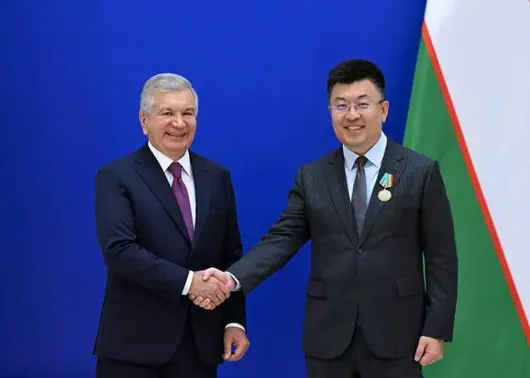
26 Ogos, pada hari ke-35 kemerdekaan Uzbekistan, Presiden Mirziyoyev menandatangani dekret presiden, mengurniakan "Pingat Persahabatan" peringkat negara kepada Pengurus Wilayah Tengah Asia dan Kaukasus BYD, Cao Shuang. Masa pengurniaan anugerah dipilih pada hari peringatan kemerdekaan, ditandatangani sendiri oleh presiden, perancangan ini sendiri melepaskan isyarat yang jelas: Uzbekistan telah menganggap BYD sebagai rakan strategik penting pada peringkat negara.
Pingat yang diperoleh oleh Cao Shuang ini adalah salah satu penghargaan tertinggi yang ditubuhkan oleh Uzbekistan untuk mengiktiraf kerjasama persahabatan antarabangsa dan sumbangan pelaburan besar. Sebelum ini, mereka yang menerima kehormatan ini kebanyakannya diplomat atau ketua projek merentas negara, bagi pengurus wilayah sebuah syarikat China untuk menerima perlakuan sedemikian, ini tidak biasa di rantau Asia Tengah. Di sebalik ini adalah penanaman mendalam BYD selama tiga tahun penuh di Uzbekistan.

Tahun 2022, BYD menandatangani perjanjian perkongsian dengan kumpulan automotif terbesar Uzbekistan, UzAuto. September 2023, Mirziyoyev menerima Wang Chuanfu dan rombongan, mengesahkan pangkalan pengeluaran kenderaan baharu tenaga elektrik di Wilayah Jizzakh. Januari 2024, presiden memimpin delegasi melawat ibu pejabat Shenzhen BYD, menyaksikan pelancaran rasmi kilang, Wang Chuanfu menyerahkan 10,000 unit kenderaan tenaga baharu BYD tersebut secara langsung. Jun tahun yang sama, kedua-duanya sekali lagi di Wilayah Jizzakh menyaksikan kenderaan pengeluaran pertama turun dari jalur. Tiga persidangan tahap tinggi dalam tempoh setahun, kekerapan ini sangat jarang dalam hubungan diplomatik dan perniagaan.
Angka lebih menjelaskan isu ini. Kilang Jizzakh tahun 2024 pengeluaran当年 4,004 unit, 2025 meningkat kepada lebih 20,200 unit. Tujuh bulan pertama 2026 pengeluaran telah mencapai 17,765 unit, peningkatan tahun-ke-tahun 106.6%. Kilang merancang sepanjang tahun mencapai 40,000 unit, pada 2030 kapasiti sasaran 200,000 unit. Dari empat ribu ke empat puluh ribu lagi ke dua ratus ribu, kurva pertumbuhan ini mencerminkan bukan sahaja kelajuan pengembangan sebuah syarikat, tetapi juga proses pembinaan semula seluruh industri automotif Uzbekistan.

Uzbekistan sedang menggerakkan transformasi elektrifikasi sepenuhnya. Dalam rancangan negara kerajaan 2026 dinyatakan dengan jelas: kadar pinjaman kenderaan elektrik ditekan dari 23% kepada 16%, bilangan stesen pengecasan berkembang dari 1,400 ke 4,000, kos caj elektrik lebihan disubsidi kerajaan. Dijangka pada 2030, bilangan kenderaan elektrik dalam negara akan meningkat dari 100,000 unit pada akhir 2025 kepada 400,000 hingga 500,000 unit. Dalam proses pelaksanaan dasar ini, peranan BYD bukan sahaja sebagai "pembekal". Kilang Jizzakh tidak hanya merakit kenderaan lengkap, tetapi juga memajukan tempatankan bahagian, membina rangkaian pengecasan pantas, merancang eksport ke Kazakhstan dan Afghanistan. Setengah pertama 2025, saham pasaran BYD dalam kenderaan elektrik negara itu mencapai 87.4%. Dengan kata lain, transformasi elektrifikasi Uzbekistan hampir diselesaikan oleh satu syarikat sahaja. Kes "dengan kekuatan satu syarikat menyokong industri satu negara" ini agak jarang dalam sejarah industri automotif global.
Pengaturcaraan luar negara BYD tidak terhad pada rangkaian jualan. Thailand, Brazil, Hungary, Uzbekistan, setiap kilang luar negara mengejar penempatan mendalam, menghubungkan kapasiti, teknologi, rantai bekalan ke dalam tisu ekonomi setempat. Pingat Uzbekistan ini boleh dilihat sebagai sokongan rasmi terhadap model ini. Apabila sebuah syarikat benar-benar tertanam dalam urat nadi industri negara, pengiktirafan di luar pulangan pasaran — pengiktirafan yang dianugerahkan sendiri oleh ketua negara — semestinya akan datang. Ini bukan sahaja hasil tempoh BYD, tetapi juga satu skala baharu bagi pembuatan China yang keluar.

喺馬來西亞嘅 SUV 市場,好多買家喺揀車嘅時候都係會拿 本田 HR-V 同 豐田 Fortuner 嚟做比較。呢兩款車喺價位同定位上都幾接近,今日我哋就從多個方面做個詳細比較,幫你省下做功課嘅時間。
本田 HR-V 喺馬來西亞嘅 OTR 售價係 RM 115,900 - 143,900,一共有 4 個版本,包括 2026 e:HEV 1.5L RS(RM 143,900)、2026 1.5T V(RM 137,900)、2026 1.5T E(RM 130,900)等。
豐田 Fortuner 喺馬來西亞嘅 OTR 售價係 RM 195,880 - 241,880,一共有 3 個版本,包括 2024 2.8T VRZ Diesel(RM 241,880)、2024 2.7L SRZ Petrol(RM 202,880)、2024 2.4L Standard Diesel(RM 195,880)等。
由價錢睇,本田 HR-V 嘅起步價確實比 豐田 Fortuner 平咗 RM 79,980。如果你預算有限,本田嘅入門版已經可以滿足日常需求。但亦都要注意,平嗰幾千蚊,可能喺配備上會有取舍,具體睇你嘅需求。

本田 HR-V 搭載 1.5L Turbo,馬力 140 hp。官方油耗 7.0 L/100km。
豐田 Fortuner 搭載 2.5L Diesel,馬力 187 hp。官方油耗 8.5 L/100km。
動力方面,豐田 Fortuner 嘅 2.5L Diesel 比 本田 HR-V 嘅 1.5L Turbo 多咗 47 匹馬力。不過日常喺市區開,兩款車嘅動力都夠用,唔會覺得唔夠力。

本田 HR-V 嘅安全評級係 5★ (ASEAN NCAP),主動安全系統包括 本田 SENSING (ACC, CMBS, LKAS, RDM)。
豐田 Fortuner 嘅安全評級係 5★ (ASEAN NCAP),主動安全系統包括。
兩款車嘅安全評級一樣,喺呢個級別入面安全配備都算好齊全。而家嘅新車安全性都唔差,唔使太擔心呢一點。

本田 HR-V 車身長 4500 mm,行李廂 450 L。
豐田 Fortuner 車身長 4400 mm,行李廂 400 L。
空間方面,本田 HR-V 嘅車身比 豐田 Fortuner 長咗 100 mm,車內乘坐空間會稍微寬鬆啲,尤其係後座腿部空間。如果你經常載家人或者要放嬰兒車,大少少嘅車身確實更實用。

本田 HR-V 採用 FWD 驅動方式。
豐田 Fortuner 採用 FWD 驅動方式。
兩款車嘅驅動方式一樣,都係 FWD,日常駕駛感覺唔會有太大分別。

總括嚟講,本田 HR-V 同 豐田 Fortuner 都係馬來西亞市場幾唔錯嘅車型。揀邊一部,關鍵都係睇你嘅個人需求同預算。建議大家做好功課,多比較幾間車行嘅報價,再去試駕先做最後決定。買車係件大事,花少少時間做功課絕對唔會錯。


喺馬來西亞嘅 SUV 市場,好多買家喺揀車嘅時候都會揀本田 HR-V 同豐田 Fortuner 黎比較。這兩款車喺價錢同定位上都幾近,今日我哋就由多個方面做一个詳細嘅比較,幫你省卻做功課嘅時間。
本田 HR-V 喺馬來西亞嘅 OTR 售價係 RM 115,900 - 143,900,一共有 4 個版本,包括 2026 e:HEV 1.5L RS(RM 143,900)、2026 1.5T V(RM 137,900)、2026 1.5T E(RM 130,900)等。
豐田 Fortuner 喺馬來西亞嘅 OTR 售價係 RM 195,880 - 241,880,一共有 3 個版本,包括 2024 2.8T VRZ Diesel(RM 241,880)、2024 2.7L SRZ Petrol(RM 202,880)、2024 2.4L Standard Diesel(RM 195,880)等。
從價錢睇,本田 HR-V 嘅起步價確實比豐田 Fortuner 平咗 RM 79,980。如果你預算有限,本田嘅入門版已經可以滿足日常需求。但都要注意,平嗰幾千塊,喺配備上可能有取舍,具體睇你嘅需求。
本田 HR-V 搭載 1.5L Turbo,馬力 140 hp。廠方油耗 7.0 L/100km。
豐田 Fortuner 搭載 2.5L Diesel,馬力 187 hp。廠方油耗 8.5 L/100km。
動力方面,豐田 Fortuner 嘅 2.5L Diesel 比本田 HR-V 嘅 1.5L Turbo 多咗 47 匹馬力。不過日常喺市區開,兩款車嘅動力都夠用,唔會覺得唔夠力。
本田 HR-V 嘅安全評級係 5★ (ASEAN NCAP),主動安全系統包括本田 SENSING (ACC, CMBS, LKAS, RDM)。
豐田 Fortuner 嘅安全評級係 5★ (ASEAN NCAP),主動安全系統包括 。
兩款車嘅安全評級一樣,喺呢個級別裡面安全配備都算好齊全。而家嘅新車安全性都唔差,唔使太擔心這一點。
本田 HR-V 採用 FWD 驅動方式。
豐田 Fortuner 採用 FWD 驅動方式。
兩款車嘅驅動方式一樣,都係 FWD,日常駕駛感覺唔會有太大分別。
總括嚟講,本田 HR-V 同豐田 Fortuner 都係馬來西亞市場好唔錯嘅車型。揀邊一部,關鍵仲要睇你嘅個人需求同預算。建議大家做好功課,多比較幾間車行嘅報價,先至去試駕做最終決定。買車係一件大件事,花啲時間做功課絕對唔會錯。

In Malaysia's SUV market, many buyers compare Honda WR-V and Subaru Crosstrek when choosing a car.
The OTR price of Honda WR-V in Malaysia is RM 89,900 - 107,900, with a total of 4 versions, including 2023 1.5L V (RM 99,900), 2023 1.5L E (RM 95,900), 2023 1.5L S (RM 89,900), etc.
The OTR price of Subaru Crosstrek in Malaysia is RM 145,000 - 160,000, with a total of 1 version, including 2.0L e-Boxer (RM 150,000), etc.
From a price perspective, the starting price of Honda WR-V is indeed RM 55,100 cheaper than Subaru Crosstrek. If your budget is limited, Honda's entry-level version can already meet daily needs. However, note that saving those few thousand might involve trade-offs on features, depending on your specific needs.

Honda WR-V body length 4,400 mm, trunk 400 L.
Subaru Crosstrek body length 4,400 mm, trunk 400 L.
The dimensions of both cars are almost the same, with little difference in interior space. For cars of this class, it is more than enough for daily use.

Honda WR-V warranty 5 years/unlimited mileage, service interval every 10,000 km or 6 months.
Subaru Crosstrek warranty 3 years/100,000 km, service interval every 10,000 km or 6 months.

Honda WR-V and Subaru Crosstrek are both mainstream choices in the Malaysian market, suitable for family use and daily commuting. If you value brand reputation and resale value more, you might prioritize the one with better reputation; if you care more about value for money and features, then choose the one with richer specifications. Ultimately, it is recommended to test drive both, as personal experience is the most important.

Overall, Honda WR-V and Subaru Crosstrek are both very good car models in the Malaysian market. Which one to choose depends on your personal needs and budget. We recommend doing your homework, comparing quotes from several dealerships, and then test driving before making a final decision. Buying a car is a major matter, investing time in research is never a mistake.


In Malaysia's SUV market, many buyers compare the Honda WR-V and Subaru Forester when choosing a vehicle. These two models are quite close in price and positioning. Today, we will make a detailed comparison from multiple aspects to help you save time doing research.
The Honda WR-V's OTR price in Malaysia is RM 89,900 - 107,900, with a total of 4 versions, including 2023 1.5L V (RM 99,900), 2023 1.5L E (RM 95,900), 2023 1.5L S (RM 89,900), etc.
The Subaru Forester's OTR price in Malaysia is RM 174,000 - 197,000, with a total of 3 versions, including 2024 2.0L S EyeSight GT Edition (RM 189,538), 2024 2.0L S EyeSight (RM 177,538), 2024 2.0L L EyeSight (RM 167,538), etc.
In terms of price, the Honda WR-V's starting price is indeed RM 84,100 cheaper than the Subaru Forester. If your budget is limited, Honda's entry-level version can already meet daily needs. However, keep in mind that saving that few thousand might involve trade-offs in features, depending on your specific requirements.
Honda WR-V's safety rating is 5★ (ASEAN NCAP), with active safety systems including Honda SENSING.
Subaru Forester's safety rating is 5★ (Euro NCAP), with active safety systems including EyeSight.
Regarding safety features, both cars received good ratings. However, there are some differences in functionality between Honda WR-V's Honda SENSING and Subaru Forester's EyeSight. If you prioritize active safety, you can compare their feature lists carefully.
The Honda WR-V uses a FWD drivetrain.
The Subaru Forester uses a FWD drivetrain.
Both cars use the same drivetrain, FWD, so there won't be much difference in the daily driving experience.
Honda WR-V warranty 5 years/unlimited mileage, service interval every 10,000km or 6 months.
Subaru Forester warranty 3 years/100,000km, service interval every 10,000km or 6 months.

Both the Honda WR-V and Subaru Forester are mainstream choices in the Malaysian market, suitable for family use and daily commuting. If you value brand reputation and resale value more, you can prioritize the one with a better reputation; if you care more about cost-performance and features, choose the one with richer configurations. Ultimately, it is recommended to test drive both; experiencing it firsthand is the most important.

Overall, both the Honda WR-V and Subaru Forester are very good models in the Malaysian market. Which one to choose ultimately depends on your personal needs and budget. It is recommended to do your research, compare quotes from multiple dealerships, and then test drive to make a final decision. Buying a car is a big matter; spending time doing research will definitely not be wrong.

August 25, the Silk Road 10,000-Mile Journey activity, bearing world-class historical and cultural significance, concluded successfully in Singapore!
This fleet, composed of five BYD networks and four brands, departed from Xi'an, the starting point of the Silk Road, lasted 33 days, crossed six domestic provinces, passed through Thailand, Malaysia, and finally arrived in Singapore. Along the way, Flash Charge efficiently replenished energy, God's Eye ensured safety and peace of mind, and Cloud Suspension provided comfortable and stable travel. BYD used disruptive technology to solve all pain points of long-distance travel for new energy vehicles.
In Singapore, BYD is regarded by local users as high-end luxury cars. Taking the Dolphin as an example, the price in Singapore is around 900,000 RMB, truly unaffordable for ordinary people. Even selling at such a high price, sales rose steadily. From January to July, the market share of the overall passenger car market was 24.7%, occupying one-quarter of the entire Singapore passenger car market. Among them, the market share of pure electric vehicles reached 40.3%. It has also ranked first in total brand sales for 19 consecutive months.


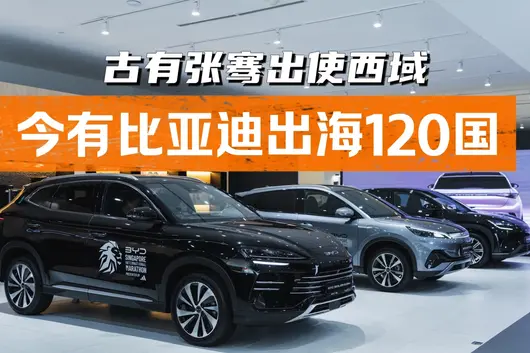
Currently, BYD New Energy Vehicles have entered 120 countries and regions. In the first half of this year, sales in Thailand, the UK, Italy, Spain, Saudi Arabia, the UAE, South Africa, and other places were booming. In Brazil, nearly 100,000 units were sold in just 6 months.
From January to July, overseas cumulative sales exceeded 970,000 units, a year-on-year increase of 76%; July overseas sales were 179,800 units, a year-on-year increase of 124.3%.
Based on overseas sales figures, it can be seen that foreigners do not favor century-old brands. Seeing the reliable, safe, smart, and energy-efficient BYD, they simply cannot turn away.
In ancient times, there was the Silk Road; Zhang Qian's mission to the Western Regions opened up ancient trade routes. Today, BYD New Energy Vehicles cross borders for travel, retracing the Silk Road with China's smart manufacturing, supporting green transportation on the Belt and Road, and using technical strength to promote green transformation.

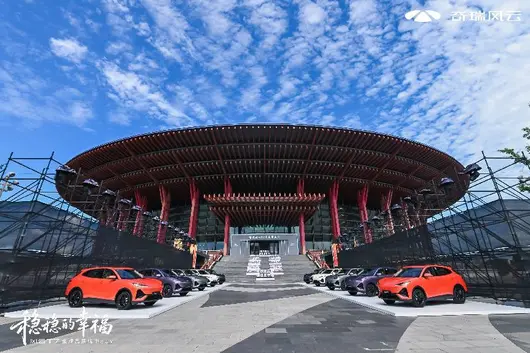
August 26, 2026, Chery Fengyun T7 officially launched. Three versions were released, with a launch guide price of 97,900 yuan to 118,900 yuan, and an advance trade-in price as low as 94,900 yuan to 115,900 yuan. Today, with new energy vehicle penetration rate standing at 60%, the 100,000-level pure electric SUV market has long been a highly contested territory — but products that truly implement the four words "Global Quality" are rare. The arrival of Fengyun T7 may be rewriting this landscape.

In the current industry context of "Speed is Everything", Fengyun T7 chose a different path — slow craftsmanship makes good cars. This car's R&D cycle lasted 3 years, honed based on Chery's global "1+7+N" R&D system. Slow in standards: designed according to 2026 version E-NCAP 5-star safety standards; Slow in verification: 81 durability test vehicles road testing simultaneously, total vehicle cumulative test mileage over 6 million kilometers, durability special practical test 1.45 million kilometers.

Behind this "slowness" is Chery's deep understanding of the global market. Chery has ranked first among Chinese brand passenger car exports for 23 consecutive years, with over 20 million global users, and products sold in over 130 overseas markets. Fengyun T7 is not simply a domestic model modified for export, but adaptively meets the driving needs of 210 countries and regions globally. Homologous models have launched in South Africa, Thailand, and markets such as Indonesia, EU, Australia/New Zealand are also progressing continuously.
This is a path that accepts global market testing first, then returns to domestic. The delivery upon launch also makes the four words "Global Quality" more than just a slogan.

In the 100,000-level pure electric market, a common phenomenon is that entry-level range shrinks, while long-range is only left for high-spec versions. Fengyun T7's approach is to standardize 65.05kWh Rhino Battery across the whole system, CLTC range starts at 600km, actual test reaches 681.6km, achieving "reverse false labeling" — this is not only sincerity in numbers, but also means that regardless of which version users choose, they will not compromise on range, the most basic experience. Coupled with 30%-80% fast charging takes only 20 minutes efficiency, and battery cycle life over 2,500 times, battery replacement is not needed throughout the vehicle use cycle, completely eliminating users' worries about battery degradation.

More importantly, winter range performance. Fengyun T7 standardizes dual-source wide-temperature range heat pump air conditioning and high-voltage PTC across the whole series, can operate stably within -30°C to 55°C ultra-wide temperature range, range improves 15%-20% in low temperature environment. This means northern users don't dare to turn on AC for warmth in winter to save power, southern users don't worry about range drop due to high temperature in scorching heat. The matched 12-in-1 Kunpeng Super Energy Electric Drive, comprehensive efficiency up to 90.8%, 178kW peak power, 275N·m maximum torque, 180km/h maximum speed, runs farther with equal electricity — not sacrificing performance to exchange range, is truly the meaning of "Super Energy Run".

Good design not only needs to be stunning at first glance, but must withstand time testing, withstand scrutiny from different cultural backgrounds. Fengyun T7 relied on Chery's 10 major design centers, over 100 designers collaboration, and gathered over 5,000 global users' deep co-creation — this "Global Aesthetics + Oriental Elegance" fusion, makes homologous models when appearing at Milan Design Week received wide acclaim.

Among 6 Oriental Elegance car colors, Burning Orange used luxury car level Tri-coat three-layer spraying process, anti-UV, scratch-resistant; Body 0.286Cd ultra-low wind resistance is not only a performance indicator, but also reflects the unification of styling and aerodynamics. Cockpit interior, Cloud Wing Wrap-around design matched with 15.6-inch 2.5K floating large screen, diamond-quilted stitching and river stone floating speaker and other details, in addition to premium feel also take into account daily use durability — long-term use not easy to show old, is exactly what family users care most about "implicit needs".

Safety configuration fears "Exam-Oriented Thinking" — only meet minimum standards, in extreme cases then become inadequate. Fengyun T7's idea is to do enough structural safety redundancy: High-strength steel proportion 80%, hot-formed steel proportion 18.84%, far exceeding same-level average; Nine horizontal five vertical cage body matching same-level unique Shotgun structure and double-frame sub-chassis + Pack anti-collision beam, front collision 6 paths, side collision 9 paths transmission force paths, decompose collision energy layer by layer. 9 airbag configuration is also the most in same level, among which 48L dual-chamber far-end airbag and 1778mm one-piece side air curtain, in side collision and rollover scenarios can provide more sufficient passenger protection.

Battery safety aspect, 6D Lock-plate Armor 31-layer protection structure, IP68 waterproof (national standard 96 times), side anti-squeeze 200kN (national standard 2 times), 1,008 hours salt spray test, 1.5 times national standard fire test duration — every indicator is using "Exceeding Expectations" to define safety standards. Behind these numbers is a simple promise: Whether it is a family daily commute, or long-distance self-driving, Fengyun T7 can provide unexpected sense of security.

Intelligence experience foundation lies in computing power. Fengyun T7 same-level premiere 8775 Cockpit-Driving Integrated Chip, adopts 4nm process, 72 TOPS NPU computing power, 1.3 TFLOPS GPU computing power, 230K CPU computing power, compared to same-level mainstream 5-7nm chips computing power improvement is obvious, system response latency low to 80ms — this means boot faster, operation smoother, interaction more responsive. Under the support of this chip, 15.6-inch 2.5K HD large screen carries Lingxi Smart Cockpit 2.0 x Doubao Large Model, supports full-scenario fuzzy voice interaction, and built-in Xiaoqi Companion, Spoken Language Teacher, Story Master and other six real-person feel companion roles, make driving life no longer boring.

Intelligent driving aspect, 22 high-precision sensors (3R7V12U) matching end-to-end algorithm, realized 300+ full-scenario automated parking, support remote parking, out-of-vehicle parking, cross-floor smart parking and 100-meter trajectory reverse, and highway leadership assist — 500 meters early predict lane change, ramp merge, long-distance driving fatigue is significantly reduced. Series standard AGS Intelligent Front Grille then is an easy to ignore but extremely practical value configuration: High-speed close reduce wind resistance, low-speed open guarantee heat dissipation, in improve range while take into account system reliability.

Fengyun T7 launch time point, exactly stepped on the eve of pure electric SUV market explosion.
July 2026, new energy vehicle monthly sales proportion first time over 60%. In Large 5-Seat SUV market, pure electric models July sales first time surpass plug-in hybrid, three consecutive months surpass fuel. May Large 5-Seat pure electric SUV sales month-on-month growth 213%. NIO's William Li said frankly: "Now technology route is obvious converging towards pure electric".
Compared to competitors like BYD Yuan PLUS (guide price 115,800-149,900 yuan), Geely Galaxy E5 (guide price 109,800-145,800 yuan), Fengyun T7 in motor power (178kW vs 150kW/160kW), series range unity (series 600km vs divided range versions), cockpit chip (8775 vs basic L2 level) three dimensions have parameter advantage. And 97,900 yuan starting price, is even more further amplified this "Value for Money" advantage.

On the press conference, famous musician Henry Wu appeared as "Happiness Experience Officer" identity. He and Chery Automobile Executive Vice President Li Xueyong on "Steady Happiness" expand chat, both sides agree slow craftsmanship makes good cars concept. This "Steady Happiness", both is on product positioning interpretation — series 600km range, Rock Body, 9 airbags, 8775 chip, every item is solid hard power; Both is on brand attitude expression — not play tricks, not do shrink, not treat users as guinea pigs.
In new energy penetration rate break 60% today, consumers have passed "as long as it is electric car buy" stage. They start to be picky, start to compare, start to ask "does this car really worth it". Fengyun T7 gives the answer: Global Quality, 100,000-level price, 200,000-level value. Whether this car can become 100,000-level pure electric SUV new benchmark, market will give answer. At least, it makes this crowded track, has one more option worth serious treatment.
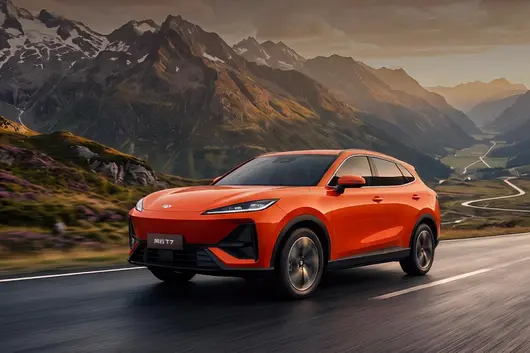
Pada 26 Ogos, Chery Fenyun T7 rasmi dilancarkan. Kenderaan baharu ini diletakkan sebagai SUV elektrik berkualiti global, dengan tiga varian ditawarkan. Harga cadangan rasmi antara 97,900 hingga 118,900 Yuan. Selepas penambahan faedah penukaran, harga awal pembelian hanya 94,900 hingga 115,900 Yuan. Keseluruhan siri merangkumi jarak CLTC 600 kilometer, semua varian dilengkapi cip Qualcomm 8775, skrin besar 15.6 inci, 9 beg udara keselamatan, model asas sudah dengan spesifikasi tinggi.

Kerja Perlahan Membina Kereta Baik
Tahun ini semua pelancaran kereta baharu bercakap tentang 'kelajuan', Chery dalam pelancaran mereka sebaliknya menonjolkan 'kerja perlahan membina kereta baik'. Fenyun T7 dari pra-penelitian hingga pelancaran memakan masa hampir lima tahun. 81 unit kereta uji ketahanan dijalankan serentak, jumlah ujian keseluruhan lebih 6 juta kilometer, hanya khusus uji ketahanan sahaja telah dijalankan 1.45 juta kilometer. Angka-angka ini dalam kategori SUV 100,000 agak 'berlebihan', tetapi Fenyun T7 sejak awal bukan menargetkan pasaran tempatan yang cepat siap.

Kenderaan ini terhasil daripada sistem R&D global Chery 1+7+N. Dalam fasa reka bentuk, lebih 100 reka bentuk dari 10 pusat reka bentuk global terlibat, serentak menerima maklum balas penggunaan lebih 5,000 pengguna di dalam dan luar negara. Piawai keselamatan terus ditetapkan pada E-NCAP Bintang 5 edisi 2026, keselamatan fungsional mencapai tahap tertinggi ASIL-D. Maksudnya, peraturan 2026 belum rasmi dilaksanakan, kereta ini sudah ikut piawai itu membuat perlindungan sampai sempurna.

Fasa pengesahan adalah ujian jalan global sebenar, bukan simulasi makmal. 81 unit kereta uji merentas 21 negara, dari suhu sangat sejuk 40°C di bawah sifar Eropah Utara hingga panas terik 55°C di Timur Tengah, dari lembap banyak hujan Asia Tenggara hingga UV kuat dataran tinggi, dari jalan berpasir Brazil hingga lengkung laju Jerman, semua dijalankan dengan kereta sebenar di lokasi sebenar. Kedalaman air 500mm, pemanasan sumber berganda dalam persekitaran sangat sejuk berkesan dua kali ganda – ini bukan parameter PPT, semangat yang diperolehi satu kilometer satu kilometer.

Eksport Terbalik
Yang paling tidak ikut peraturan biasa Fenyun T7 adalah irama pelancaran. Di dalam negara 26 Ogos dilancarkan, tetapi model asal luar negara Lepas L6 sudah dilancarkan di Thailand sejak 24 Julai, kemudian Afrika Selatan, bulan 8 masuk Indonesia, bulan 9 masuk EU, bulan 10 liputan Australia, New Zealand, United Kingdom, Israel dan Malaysia. Maksudnya, Fenyun T7 sebelum rasmi hadapi pengguna China, sudah di pelbagai pasaran global menerima ujian penjualan sebenar dan penggunaan pengguna.
Logik 'eksport terbalik' ini agak menarik – bukan bila di dalam negara tidak laku baru fikir ubah ke luar, tetapi dulu biarkan pasaran paling ketat menguji, kemudian ambil produk melalui ujian global balik ke dalam negara. Dalam sidang akhbar, jurutera sistem chasis, reka bentuk luar, dan penyelenggara R&D Chery secara kolektif tampil menyokong, menggunakan data ujian kereta sebenar untuk mengesahkan kebolehpercayaan produk, di lokasi juga ada pengguna asing sebagai pemilik pertama menyelesaikan upacara serahan kenderaan.

Semasa Pameran Kereta Chengdu, stan Chery muncul ramai orang asing secara berkumpulan lihat kereta, ada malah influencer luar negara di lokasi terus tempah Fenyun T7. Associated Press juga buat laporan tentang kereta ini, fokus bukan harga, tetapi sikap baharu jenama China yang diwakilinya: dari 'eksport produk' ke 'eksport piawai'.

Kesamaan Spesifikasi Keseluruhan Siri
Kembali ke produk sendiri, strategi konfigurasi Fenyun T7 boleh diringkas dalam empat perkataan – 'kesamaan spesifikasi keseluruhan'. Tiga model dalam keseluruhan berkongsi bateri 65.05kWh Rangkong, jarak CLTC kesemuanya 600km, ujian sebenar tertinggi mencecah 667km+, cas cepat 20 minit boleh dari 30% ke 80%. Dari segi kuasa, keseluruhan pasang sistem pengecasan elektrik berkesan, pecut 0-100 sama. Dari aspek keselamatan, keseluruhan standard 80% keluli kekuatan tinggi badan, struktur sangkar 9 melintang 5 menegak, 9 beg udara. Kabin pintar keseluruhan standard cip 8775, skrin terapung 2.5K 15.6 inci, sistem Kabin Pintar Lingxi 2.0. Tiada amalan industri 'spesifikasi rendah kurangkan jarak, kurangkan keselamatan', pengguna pilih kereta hanya lihat perbezaan konfigurasi, tidak perlu bimbang keselamatan.
Strategi 'kesamaan spesifikasi keseluruhan' ini, satu dari segi keyakinan Chery terhadap rantaian bekalan dan kawalan kos sendiri, lain segi juga sebagai respons baik terhadap 'kesukaran memilih' pengguna masa kini. Dalam pasaran SUV elektrik 100,000, mampu buat jarak, keselamatan, kecerdasan tiga indikator utama tidak bezakan tinggi rendah, sekarang hanya Fenyun T7.

Penutup
Chery berturut-turut 23 tahun berada pada posisi teratas eksport kereta penumpang jenama China, pengguna global lebih 20 juta, produk liputi 130 negara dan wilayah lebih. Sistem globalisasi ini tidak dibina sehari, Fenyun T7 adalah output terkumpul ini sistem pada zaman elektrik - dari R&D, reka bentuk, piawai, ujian hingga irama pasaran, semua rantaian sebagai global sebagai jangkar. Dari ujian jalan global hingga pelancaran global, dari jualan luar negara pertama hingga penghantaran dalam negara, setiap langkah Fenyun T7 memecahkan kecenderungan industri. Ia tidak guna 'produk tempahan masa hadapan' untuk selera, tidak guna 'versi rendah' untuk turunkan harga, tetapi betul-betul letak kereta yang mampu tahan ujian global, ditaruh pada lokasi mudah dicapai keluarga China.
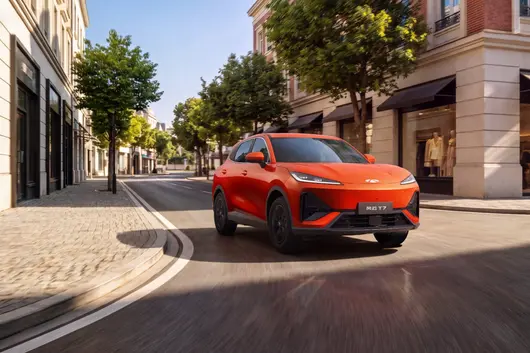

When the 100,000-level pure EV SUV market falls into the vicious cycle of "price cuts, reduced specs, paper specs, and rapid iteration," Chery Fengyun T7's launch offers another answer: With an early exchange price of 94,900 Yuan, it brings a native global car, verified across 21 countries globally and benchmarked against the 2026 version E-NCAP five-star standard, down to the mass consumer market. It does not follow the trend of competing on speed or stacking gimmicks, but rather redefines the value baseline of 100,000-level pure EVs with the long-termism of "slow work makes good cars" and the surplus configurations of "six major redundancies"—good cars are never "assembled," but "crafted."


Redefining Speed Involution: The Foundation of a Global Car is Front-Loading Risks
The industry trend is "Speed is Invincible": New car R&D cycles are constantly compressed, model updates are dizzying, and many models adopt the mindset of "launch first, iterate later," treating users as free testers. And Fengyun T7 goes exactly against the grain, taking a "verify globally first, then launch domestically" slow path.

The R&D cycle for this car lasted 3 years. Relying on Chery's Global 1+7+N R&D system, it was co-developed by 10 global design centers and hundreds of designers. More importantly, from the product definition stage, it simultaneously adapted to vehicle usage needs in 210 countries and regions worldwide, rather than simply exporting modified domestic models. Before officially entering the domestic market, Fengyun T7 had already deployed 81 durability test vehicles, completing 1.45 million kilometers of special durability verification, spanning 100+ extreme road conditions such as Brazilian high-speed dips, Mexican cobblestone roads, German highway corners, South African unpaved mud roads, enduring extreme temperature tests from -40°C to 55°C, and even passing 7 major categories of extreme environmental tests including Southeast Asian 500mm deep water wading and Middle East high-temperature sun exposure.

This logic of "solving problems before launch" is essentially responsibility to users. When most car companies treat "rapid iteration" as an advantage, Fengyun T7 chooses to complete all risk testing early with the strict standards of the global market, so domestic users buy not "samples," but mature products tempered by trial and error. The homologous model Lepas L6 has been launched in South Africa and Thailand, and will subsequently land on major global markets like the EU, Australia/New Zealand. This "Global Same Standard" identity fundamentally distinguishes Fengyun T7 from ordinary domestic entry-level models.
Redefining Configuration Involution: Six Major Redundancies Offer Users More Than "Just Enough"
The most common tactic in the 100,000-level market is "entry-level reduces price, high-mid trims give core configurations": range varies by trim, safety airbags shrink, intelligent driving is only for top trims. Users want a secure experience must add money for high trims. Fengyun T7 breaks this "differential treatment", using "Six Major Redundancies" to make high-end standards standard across the entire series.

Range Equality Redundancy is the most intuitive manifestation: Standard 65.05kWh Rhino Battery across the series, CLTC range 600km, actual test range up to 681.6km, achieving "reverse false labeling"; 30%-80% fast charge only takes 20 minutes, battery cycle life exceeds 2500 times. No range shrinkage on entry-level, even the lowest trim at 97,900 Yuan can enjoy long range, fast charging, and long life complete experience.

Redundancy in safety shows more sincerity: Body developed according to 2026 version E-NCAP five-star standard, high-strength steel proportion 80%, adopts unique shotgun structure in class, double-frame subframe + Pack anti-collision beam, paired with 9 airbags (including 48L far-side airbags); battery adopts 6D lock shield 31-layer protection, IP68 grade waterproofing reaches 96 times national standard, side extrusion resistance is 2 times national standard, passed 1008-hour salt spray test. From body structure to battery protection, it is not "just meeting the standard," but reserving sufficient safety margin.

In addition, full-domain energy saving redundancy improves winter range by 15%-20%, users in South and North don't have to worry about low-temperature range; handling performance redundancy brings 180km/h top speed, 80km/h Moose test capability, daily commute is stable, complex road conditions also have confidence; whole vehicle verification redundancy solves noise, faults, environmental adaptation problems in closed loop during R&D stage. This "surplus configuration" thinking essentially sinks the global car quality standard to the 100,000-level, allowing users to get 200,000-level safety and quality baseline at a 100,000 price.
Redefining Marketing Involution: Steady Happiness is Hidden in Every Daily Scenario
"Happiness" is a high-frequency word in automotive marketing, but mostly it is just empty slogans. Fengyun T7 invited Wu Kekun as "Happiness Experience Officer", but it didn't stop at the level of celebrity standing, but broke down "steady happiness" into perceptible driving scenarios.

It is when camping on weekends, the 1955mm×1310mm pure flat bed mode allows family to lie flat and rest; it is in daily commute, 300+ full-scenario automatic parking and highway pilot assistance, alleviating fatigue of traffic jams and parking; it is when traveling with kids, 450L trunk + 38 storage spaces, can fit all luggage and bits; it is in cold winter morning, 9-layer cloud-feel seat's quick heating, no need to endure cold seats; also it is every trip, 80% high-strength steel body and all-around battery protection brings a sense of security.

Behind these experiences are 5000+ global user surveys, 15 typical countries deep visits results. Fengyun T7 did not stack cool but useless configurations, but spent costs where users actually use frequently: spacious space, comfortable seats, reliable range, steady safety. For ordinary families, a good car is never numbers on a parameter sheet, but every time going out is safe, every journey is relaxed daily life.
Global Quality Sinking is Real Value Upgrade
Chery ranked first in Chinese brand passenger car exports for 23 consecutive years, global users broke through 20 million, but the significance of Fengyun T7 is not just another new car launch. It represents a new industry possibility: Chinese car companies' globalization is no longer just "selling domestic cars overseas", but can be "bringing global standards back to domestic".

When the 100,000-level market is still competing on price, comparing paper specs, Fengyun T7 uses global quality, standard across the series, full-scenario verification, to tell the market: Entry-level does not equal low quality, low price can have high safety, long range, good experience. This "value rebellion" may become a new inflection point in the 100,000-level pure EV market—real involution is never comparing who is cheaper, but comparing who respects users more, who is willing to slow down for quality.
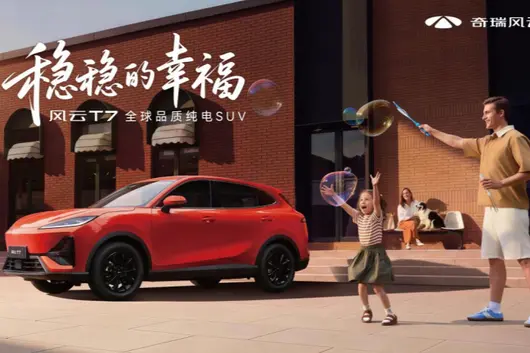

10 萬級純電 SUV 市場,呢幾年卷到咁熱鬧。但你係咪發現咗一個怪現象:價格係降咗落嚟,但「丐版」嘅坑亦都越嚟越深。
想買個長續航?唔好意思,嗰係高配專屬。想要安全配置齊全?要加錢。想要點智能體驗?對唔住,入門版唔得閒。廠商用低配版拉低價格吸引目光,入嚟睇全部係「毛胚房」。用戶想買到一台真正可靠、唔妥協嘅車,往往要勒緊褲腰帶,多掏幾萬。用戶被迫喺預算同品質之間做選擇題,呢樣本身就唔合理。
8 月 26 日上市嘅風雲 T7,偏偏就唔信呢個邪。佢帶住 9.79 萬元 -11.89 萬元嘅指導價,搶先置換價甚至低至 9.49 萬元起,擺明咗要掀檯——唔係靠減配減價,而係靠加量提質,重新畀呢個市場立規矩。
佢喊出嘅口號好硬淨:「全球車 10 萬級嘅價格,真 20 萬嘅價值」。點做到?核心就兩個字——冗餘。其他人做減法,佢做加法,而且係全方位嘅「六大冗餘」。講白啲,就係喺你睇到同睇唔到嘅地方,畀晒你留足安全同性能嘅富餘量,唔搞「剛剛好」,而係「畀多啲」。
更重要係,呢台車嘅底氣,係實打實跑出來嘅。風雲 T7 嘅同源車型 Lepas L6 已經喺南非、泰國上市,歐洲、澳新亦排咗出嚟。從東南亞嘅雨季積水,到西伯利亞嘅極寒冰雪,再到中東嘅烈日暴曬——佢仲未正式同你見面,已經喺全球「實測」入面跑咗 145 萬公里。用奇瑞汽車李學用喺發佈會上嘅說話:「我哋堅持一步一脚印,唔急住求成。將每一處細節打磨到位,將全球多地域嘅驗證做足做實。」

正因為慢工造好車,預售得 14 日,訂單就突破咗 23668 台。其中女性用戶佔比 36.5%,35 歲以下用戶佔比高達 64.7%——年輕人用訂單投票,揀嘅就係呢份唔妥協嘅誠意。
續航平權:拒絕「丐版」,600km 全係標配
風雲 T7 最勁之一招,係全係標配 65.05kWh 嘅犀牛電池,CLTC 續航直接畀到 600km。喺 10 萬級市場入面,幾乎係一記絕殺。你去睇睇同級競爭對手,入門版續航普遍喺 400-550km 之間晃悠。風雲 T7 等於直接同你講:喺我呢度,唔分三六九等,全係續航平權,入門即長續航。
更勁係,佢唔係只喺實驗室入面吹水。媒體朋友實測,喺開冷氣嘅情況下跑出咗 681.6 公里,直接上演「反向虛標」。李學用喺發佈會上直言:「真正好用嘅續航,唔係實驗室入面好睇嘅數字,而係真實路況下亦都依係可靠。」
而且佢補能也快,30% 到 80% 快充只要 20 分鐘,飲杯咖啡嘅工夫,又再跑幾百公里。電池循環壽命超過 2500 次,全生命週期可行駛超 100 萬公里——呢台車開到報廢,電池都唔一定退休。
冬季續航都唔虛。雙源寬溫域熱泵 + 高壓 PTC 全係標配,零下 10 度續航仲可以提升 15%-20%。發佈會現場講咗個細節:前排出風口從零下 20℃到 0℃只要 120 秒,從 0℃到 23℃只要 45 秒。西伯利亞嘅嚴寒也好,南方嘅酷暑都好,風雲 T7 都畀用戶穩定可靠嘅實際續航。李學用講得好實在:「經得住西伯利亞嚴寒,冬季出行更無憂。」
安全冗餘:碉堡級防護,9 氣囊全係標配
喺安全呢件事上,風雲 T7 更加舍得落本。佢直接按照 2026 版 E-NCAP 五星安全標準開發——等於是用未來標準造而家嘅車,提前兩年預研全球法規。
車身高強度鋼佔比 80%,熱成型鋼佔比 18.84%,九橫五縱籠式車身結構,再加上同級獨有嘅 Shotgun 結構同雙框副車架+Pack 防撞梁,碰撞時層層分流能量,畀乘員艙留足生存空間。發佈會現場李學用講咗一句令人印象深刻嘅說話:「白車身先係一台車最奢侈嘅配置。見到嘅地方用心,未見到嘅地方良心。」

最誇張係安全氣囊。9 個安全氣囊全係標配,包含同級獨有嘅 48L 雙腔遠端氣囊——碰撞發生時,佢喺主副駕之間形成一道緩衝屏障,防止兩人頭部互相撞擊造成二次傷害。1778mm 一體式側氣簾從前排延伸到後排,6 秒保壓技術喺同級中亦都係獨一份。
電池安全同樣拉滿。「6D 鎖子甲」31 層防護,IP68 防水通過 48 小時 1 米浸水試驗,係新國標嘅 96 倍;側邊抗擠壓係國標 2 倍;105 秒防火防護係國標 1.5 倍。用李學用嘅話說:「電池係電動車嘅底線,安全高於一切。」
更硬核係,風雲 T7 拿到中國電動車火災安全指數滿分五星級評價,喺中國汽研 C-EVES 電安全测评中拿到全優最高評級——全國第一批拿到呢個評級嘅車企,得三家。權威證書認可,安全唔止於五星。
整車驗證:全球「實測」歸來,品質唔就嚟
好多人忽略咗一點:風雲 T7 係一台真正嘅全球車。佢唔係喺實驗室內「閉門造車」嘅速成產品,而是跑遍咗全球 21 個國家,覆蓋高溫、高寒、高原、高濕、高速、高鹽鹼、高砂石等全工況環境。
發佈會上,全球驗證工程師安東尼奧分享咗風雲 T7 背後嘅故事:從四立柱 -50℃到 110℃全溫域模擬,到 26 通道 720 小時全路況強化驗證;從東南亞 500mm 越野級涉水,到西伯利亞極寒冰雪耐久專項驗證……81 台耐久試驗車,累計 145 萬公里耐久驗證里程,100% 問題閉環先至上市。 亦都印證咗李學用喺發佈會上講嘅句金句——「慢工造好車,全球車快唔到一點。」
奇瑞連續 23 年出口第一,全球 2000 萬用戶嘅口碑做保證。呢台車,係真正被全球用戶檢驗過嘅可靠夥伴。正如發佈會所講:「唔等用戶喺使用中踩坑,前置全球嚴苛路況驗證,將異響、故障、環境適配問題喺研發階段閉環解決。」
好車底係設計出嚟,更加係調出嚟
車底調校呢件事,內地車企行過三個階段:跟跑、陪跑、領跑。奇瑞係內地第一家同國際專業機構展開車底調校合作嘅自主品牌,第一家參加紐北賽道嘅中國企業。2010 年紐北首跑就跑出 8 分 56 秒 81——比同期福克斯 RS 仲快 9 秒。
而家,奇瑞喺全球擁有超過 1000 人嘅車底專業隊伍,從德國法蘭克福到西班牙,佈局全球化車底研發團隊。由瑪莎拉蒂前車底調校專家領銜嘅國際化團隊傾力打磨,針對 160km/h+超高速段專項調校。

風雲 T7 嘅車底硬件同樣硬核:50.8:49.2 黃金軸荷比(同級唯一)、560mm 低重心高度、70mm 大襯套、26mm 大直徑前穩定桿,配合 One-Box 線控制動(136ms 建壓時間,能量回收效率提升 60%)。發佈會上車底工程師 Marco 講咗一段令人感動嘅說話:「我哋呢啲調校工程師始終相信——車底,係一台車最重要嘅情緒創造者。 我哋投入咗熱情同真心,一次又一次地打磨、打磨、再打磨,直到用戶評價同我哋講:呢一步走對咗。」
好智慧:8775 晶片加持,智能唔落後
年輕人嘅智能需求都唔好落下。風雲 T7 同級首發 4nm 製程嘅 8775 駕艙一體晶片,72TOPS 算力,系統響應低至 80ms,操作順滑唔卡。15.6 英寸 2.5K 大屏幕(1000nit 高亮度,強光下依然清晰),搭配靈犀智艙 2.0 同豆包大模型,全場景模糊語音交互好自然——能切換職業辯手、東北老姨等 6 種角色,支持多輪方言對話,情緒接住,對話有溫度。
全品牌手機無線互連,兼容 CarPlay、HiCar、CarLink,覆蓋市面 99% 以上手機——全球車就該畀全球手機都上到車。高配仲支持 300+ 全場景自動泊車同高速領航輔助,遙控泊車、離車泊入、跨樓層泊車、斷頭路泊車、一鍵循跡倒車全部都搞得掂。用發佈會現場嘅話講:「幸福,就係幫你搞定泊車嘅最後一米。」
美全球:全球審美認證,越睇越靚
風雲 T7 嘅設計亦都值一提。依托全球 10 大設計中心、百幾位設計師協同,5000+ 全球用戶深度共創。喺米蘭設計周嘅海外調查中,外觀滿意度達 97%。設計總監 Sajdin Osmancevic 講得好形象:「我哋一直都喺度搵一種恰到好處嘅平衡——既現代、動感,同時又成熟、有質感。」
6 款東方雅韻車漆,熾焰橙採用 Tri-coat 三層豪華車漆工藝,山煙紫還原東方山水獨有嘅氛圍感。雲翼環抱座艙通透高級,雙內飾配色適應唔同審美。整車 0.286Cd 超低風阻,兼顧靚仔同實用。李學用嘅總結好到位:「全球都覺得靚,先係真正嘅全球美學。美全球,有全球範,先係穩穩嘅幸福。」

風雲 T7 呢波操作,就係一句說話:用全球車嘅標準,造 10 萬級嘅車,畀用戶 20 萬級嘅體驗。
佢將續航、安全、品質、智能呢啲用戶最在意嘅核心价值,從「選配」變成「標配」,打破咗行業內「一分錢一分貨」嘅潛規則。4 大全係標配(65.05kWh 超大犀牛電池、AGS 智能進氣格柵、雙源寬溫域熱泵 + 高壓 PTC、178kW 大功率馬達)+3 同級獨有(磐石車身 Shotgun 結構、9 安全氣囊含 48L 遠端氣囊、8775 駕艙一體晶片)——7 大王牌實力,成就 10 萬級純電 SUV 價值標竿。
發佈會上,吳克群以「幸福體驗官」嘅身份講咗一段說話:「風雲 T7 畀我一種好穩好踏實嘅幸福感。續航紮紮實實 600 公里,出遠門唔驚;醒神模式會喺你瞓困時及時提醒;收工累咗,車仔一鍵就自動停好……呢啲細心嘅照顧加埋,就係滿滿嘅幸福感。」
當別嘅品牌仲靠「丐版」拉低門檻、靠「高配」賺取利潤時,風雲 T7 選擇咗一步到位。佢用 9.79 萬起嘅價格,向市場宣告:10 萬級純電 SUV,唔應該係妥協嘅代名詞,而係應該係「穩穩嘅幸福」嘅起點。
「全球車快唔到一點」——呢句發佈會上嘅金句,恰恰係風雲 T7 最大嘅底牌。慢工造好車,千錘百煉見真章,呢份「慢」,先係畀用戶最踏實嘅「快」。呢台車值唔值得買,市場會用腳投票。但至少,佢畀呢個內卷嘅市場,提供咗一個足夠真誠、足夠有份量嘅新選擇。
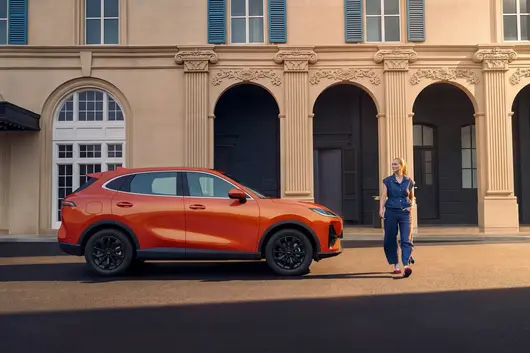

2026 年 8 月 26 日,奇瑞風雲品牌喺北京舉辦「穩穩嘅幸福」主題發布會,全球品質純電 SUV 風雲 T7 正式於國內上市。新車共推出 600km 悅享版、600km 舒享版、600km 智享版三款車型,上市指導價 9.79 萬元—11.89 萬元,搶先置換價 9.49 萬元—11.59 萬元。發布會現場同步開啟交車,真正實現「上市即交付」。


三年磨一劍,「慢功」打磨全球品質
喺行業「唯快不破」嘅造車浪潮中,風雲 T7 選擇咗一條唔同嘅路。新車歷經 3 年正向研發週期,依托奇瑞全球「1+7+N」研發體系打磨。設計階段,全球十大設計中心、百餘名設計師協同創作,匯聚 5000 餘名全球用戶深度共創。整車按 2026 版 E-NCAP 五星安全標準開發,功能安全達到 ASIL-D 最高等級。
驗證環節同樣「慢」得紮實。81 台專屬耐久試驗車同步路試,整車累計測試里程超 600 萬公里,耐久專項實測達 145 萬公里。從巴西高減速坎、墨西哥鵝卵石路,到德國高速大曲率彎道、南非非鋪裝泥路,足跡覆蓋全球 100 多個極限路況環境與 -40℃至 55℃超寬溫域。

四大核心價值,解鎖「穩穩嘅幸福」
發布會上,知名音樂人吳克群以「幸福體驗官」身份亮相,與奇瑞汽車執行副總裁李學用圍繞「穩穩嘅幸福」展開對話,並共同啟動風雲 T7「幸福共創計劃」。雙方認同「慢工造好車」嘅理念,將風雲 T7「超能跑、美全球、更安全、好智慧」四大核心價值與家庭用戶嘅真實出行訴求深度綁定。
超能跑——全系標配 65.05kWh 犀牛電池,CLTC 續航統一為 600km,實測可達 681.6km,實現「反向虛標」。30%-80% 快充僅需 20 分鐘,一杯咖啡時間即可補充約 300 公里續航。全系標配雙源寬溫域熱泵空調 + 高壓 PTC,零下 10℃環境下續航可提升 30%。搭載 12 合 1 鯤鵬超能電驅,峰值功率 178kW、最大扭矩 275N·m、最高車速 180km/h。

美全球——全球十大設計中心聯合打造「馭風美學」設計語言。6 款東方雅韻車色中,熾焰橙採用豪華車級 Tri-coat 三層工藝。內飾提供溫暖黑棕、極夜黑曜兩種配色,雲翼環抱座艙搭配 15.6 吋 2.5K 高清大屏。車內得房率高達 84%,後排座椅放倒可形成 1955mm×1310mm 同級最大純平大牀模式。
更安全——九橫五縱籠式磐石車身,高強度鋼佔比 80%、熱成型鋼佔比 18.84%。同級獨有 Shotgun 結構、同級首發雙框副車架+Pack 防撞梁。全系標配 9 安全气囊,含 48L 雙腔遠端氣囊。電池搭載 6D 鎖子甲 31 層立體防護,IP68 防水達國標 96 倍,側邊抗擠壓達國標 2 倍。底盤由瑪莎拉蒂前底盤調校專家領銜團隊打磨,50.8:49.2 黃金軸荷比。

好智慧——同級首發 4nm 製程 8775 座艙駕一體芯片,72 TOPS 算力,系統響應低至 80ms。搭載靈犀智艙 2.0×豆包大模型,22 顆高精度傳感器支持 300+ 全場景自動泊車、高速領航輔助。全系標配 AGS 智能進氣格柵。

十萬級嘅價格,全球車嘅底氣
風雲 T7 同源車型 Lepas L6 已喺南非、泰國成功上市,8 月登陸印尼,9 月進入歐盟,10 月登陸澳新、英國、以色列、馬來西亞等市場。奇瑞連續 23 年位居中國品牌乘用車出口第一,全球用戶突破 2000 萬。
發布會上,風雲 T7 同步推出兩項「兜底」權益:動力電池因自身原因導致熱失控損毀,奇瑞賠付同款新車;購車一年內因智駕系統原因喺泊車或智能領航場景造成事故,最高賠償 500 萬元。此外還有整車終身質保、終身保養套餐等 8 重禮包。


從全球研發、全球標準、全球驗證到全球上市,風雲 T7 用「慢功」兌現咗一台十萬級純電 SUV 應有嘅品質底線。「全球車 10 萬級嘅價格,真 20 萬嘅價值」——呢句 slogan 背後,係奇瑞對「穩穩嘅幸福」最樸素嘅詮釋。
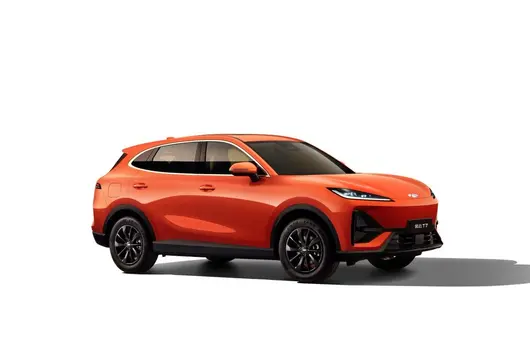

On August 26, Chery Fengyun T7 was officially launched. The new car offers three trim levels, official guide price 97,900-118,900 Yuan, priority trade-in price 94,900-115,900 Yuan. This price is significantly lower than the previous pre-sale price of 109,900-129,900 Yuan. Orders in the previous 9 days of pre-sale had already exceeded 16,787 units, market heat speaks for itself.

The 100,000-yuan level pure electric SUV market has a common issue: entry-level range shrinks, safety features cut, smart driving costs extra. Fengyun T7 does the opposite—standard across all trims is 65.05kWh Rhino battery, CLTC range 600km, actual test reversed rating with a run of 681.6km. Range is consistent across three versions, no extra charge for long range. 30%-80% fast charge in 20 minutes, dual-source wide temperature range heat pump AC + High-voltage PTC, stable operation in ultra-wide temperature range of -30℃ to 55℃, range in minus 10℃ can improve by 15%-20%.

Safety features are also maxed out across all trims. Developed according to 2026 E-NCAP 5-star standard, 80% high-strength steel nine horizontal five vertical cage body, dual-frame subframe + PACK anti-collision beam. 9 airbags across all trims, includes 48L dual-chamber far-end airbag and 1778mm integrated side air curtain. Battery 6D Lock Armor 31-layer protection, IP68 waterproofing reaches 96 times national standard, press conference on-site cell crushing and soaking demonstration, squeezed flat and thrown into water, still safe.
Fengyun T7's confidence lies in its 'Native Global Car' identity. Same-source model Lepas L6 has landed in overseas markets such as South Africa, Thailand. Invested 81 endurance vehicles, 1.45 million kilometers of real vehicle verification, covering 21 countries, run 6 million kilometers globally first before coming back to launch. 178kW motor, four-wheel independent suspension, 80km/h Moose test, 500mm wading depth, chassis and power performance margins are left very sufficient.

Intelligence has also kept up with the mainstream rhythm. 8775 Cockpit-Driving Integrated Chip, 4nm process, 72TOPS computing power. 15.6-inch 2.5K large screen, Lingxi Smart Cockpit 2.0 integrates Doubao Large Model. Falcon 500 Intelligent Driving System composed of 22 sensors, supports 300+ scenarios for automatic parking and highway navigation. SONY audio, front seat heating and ventilation, panoramic sunroof, comfort features are also in place.
What Fengyun T7 does is simple: Range equality, safety maxed out, global verification guarantee. Price starting from 97,900, gives 200,000-level value logic. Chery has walked the path of 'Slow work builds good cars', leave the rest to the market.
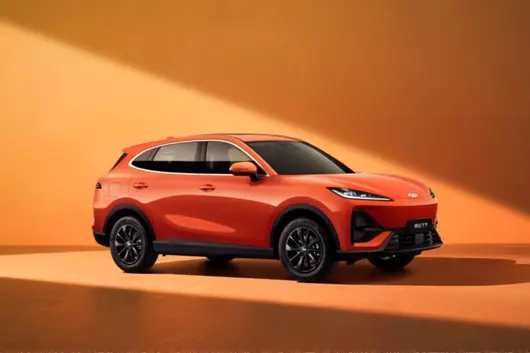

August 26, Chery Fengyun T7 officially launched. The new car offers 3 trim levels, official launch price ranges from 97,900 to 118,900 yuan, exclusive trade-in price ranges from 94,900 to 115,900 yuan, standard range for the entire series is 600km.

Photo/Phoenix WEEKLY Auto
The Fengyun T7 adopts an "Oriental Wind-Riding Aesthetics" design language, with a wind-riding front face paired with wind-blade headlights. The side of the body uses wind-sculpted satin lines to outline light and shadow, while the rear features a horizon sunset tailgate and wing-style brake lights, with a drag coefficient of 0.286Cd. The new car dimensions are 4570×1852×1694mm, with a wheelbase of 2700mm.
The interior adopts a Cloud Wing Cocoon Cockpit design, equipped with a 15.6-inch 2.5K central control screen, featuring Lingxi Smart Cockpit 2.0 and Doubao Large Model, supporting all-scenario fuzzy voice interaction and scenario modes such as Power Nap, Wake Up, Sentry, Baby, Pet, Camping, etc.
The vehicle seats are 9-layer composite structure cloud-feel comfortable seats, supporting 3-level heating and ventilation, with a flat large bed mode size of 1955×1310mm. The trunk has a standard volume of 450L, maximally expandable to 1550L, with 38 storage spaces throughout the car.
The high-spec models of Fengyun T7 are equipped with the Falcon 500 Assist Driving System, adopting the 8775 Cockpit-Driving Integrated Chip, and integrating 3 mmWave radars, 7 high-performance cameras, 12 ultrasonic radars totaling 22 high-precision sensors. It supports over 300 all-scenario automatic parking functions, covering remote parking in, off-vehicle parking, multi-floor intelligent parking, and 100-meter track back-up; High-speed pilot assistance can predict lane changes and ramp merging 500 meters in advance.
In terms of power, the Fengyun T7 adopts a 12-in-1 Kunpeng Super Electric Drive, with a peak power of 178kW, max torque of 275N·m, top speed of 180km/h, and overall efficiency of 90.8%. The entire series is equipped with dual-source wide-temperature-range heat pump AC and high-voltage PTC, which can operate stably in a temperature range of -30°C to 55°C, with a range increase of 30% at -10°C. The new car series is standardly equipped with a 65.05kWh Rhino Battery, CLTC range of 600km, 30% to 80% fast charging takes only 20 minutes.
According to official introduction, the Fengyun T7 overseas sibling model Lepas L6 has already been launched in South Africa and Thailand, with Indonesia in August, EU in September, and Australia/New Zealand, UK, Israel, Malaysia in October continuing to advance the launch schedule.
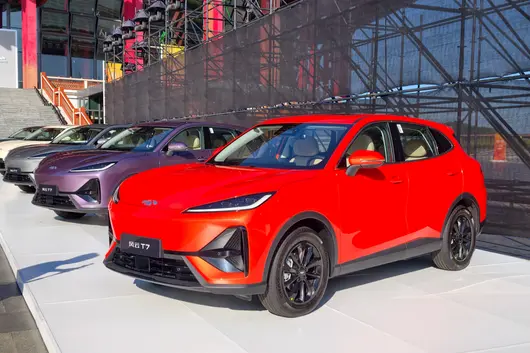

August 26, Chery Fengyun T7 officially launched. The new car is positioned as a compact pure electric SUV, offering 3 versions, with a launch guidance price ranging from 97,900 RMB to 118,900 RMB, and an early trade-in price from 94,900 RMB to 115,900 RMB.

Body dimensions are 4570/1852/1694 mm, wheelbase 2700 mm, cargo volume 450L to 1550L.

Fengyun T7 Chengdu Auto Show Real Car Photos - Body 
T7 Actual Vehicle - Rear Seat Space

Fengyun T7 Actual Vehicle - Trunk Space
Range Equality: Balance of Power and Energy Efficiency
All three versions of the Fengyun T7 are equipped with a Rhino Lithium Iron Phosphate battery with a capacity of 65.05 kWh. The CLTC cycle range is unified at 600 km, with fast charging from 30% to 80% taking approximately 20 minutes.
Regarding power, the new car adopts a front-mounted single motor layout with a maximum power of 178 kW, peak torque of 275 N·m, and a top speed of 180 km/h. The drag coefficient is 0.286 Cd, paired with AGS Active Grille Shutter and 14 low wind resistance design features, with official energy consumption of 12.9 kWh/100 km. The chassis uses front MacPherson and rear multi-link independent suspension, with front and rear axle load ratio 50.8:49.2.
Configuration Gradient: Differences in Cockpit and Smart Driving

Fengyun T7 Actual Vehicle - Cockpit
The core differences among the three versions focus on the smart cockpit and driving assistance levels.
600km Enjoyment Edition: As the entry-level version, it provides a 15.6-inch 2.5K central screen, equipped with Qualcomm Snapdragon 8155 chip, rearview camera, 6-way electric driver seat adjustment, SONY 8-speaker audio system, and Level 2 basic smart driving features.
600km Comfort Edition: Compared to the entry-level, it adds panoramic sunroof with electric sunshade, electric tailgate, front seat heating/ventilation, 50W wireless phone charging, 540° surround view, and BSD blind spot monitoring, etc., comfort and safety configurations.
600km Intelligent Edition: Equipped with Falcon 500 driving assistance system (Qualcomm 8775 Integrated Cockpit-Driving Chip and 22 sensors), supporting Highway NOA Piloting, 300+ scenario auto parking, cross-floor memory parking, and trail reversing functions.

Global Standards and Safety Configurations

Fengyun T7 Thailand Launch
Fengyun T7 is designed according to the 2026 version E-NCAP Five-Star Safety Standard. The body uses 80% high-strength steel and 18.84% hot-formed steel, equipped with 9 airbags, including 48L dual-chamber far-side airbags and 1778 mm one-piece side curtain airbags. The battery pack uses a 31-layer protection structure. Officially claimed to pass IP68 waterproofing, 200 kN side squeeze resistance, and other tests, waterproofing and squeeze resistance indicators are higher than national standard requirements.
Chery side stated that the new car is developed based on the global 1+7+N R&D system. The homologous overseas model Lepas L6 has launched previously in markets such as South Africa and Thailand. The whole vehicle has completed 1.45 million km durability verification, covering 21 countries and 100+ extreme road conditions.
Market Positioning and Version Recommendations

The Fengyun T7 is positioned in the 100,000 class pure electric compact SUV segment, which has fierce competition. Models such as Changan Qiyuan Q05, BYD Yuan PLUS, and Leapmotor B10 have occupied certain market shares. The new car enters competition with full-series 600 km range and starting price of 94,900 RMB, featuring body safety configurations and global verification standards. However, the 2700 mm wheelbase is at a middle level among the same class, and high-end smart driving hardware such as LiDAR is not equipped.
Regarding version selection, users with limited budget and home charging conditions, the entry Enjoyment Edition can meet daily commuting needs; the Comfort Edition added comfort configurations are more suitable for family users; users who frequently drive on highways or value smart driving experience, the Intelligent Edition's Highway NOA and auto parking functions have certain practical value. (Editor: Xiao Zhou)
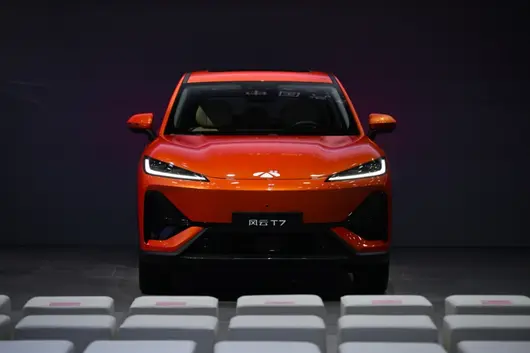

8 月 26 日,奇瑞風雲 T7 正式上市,共推出 600km 悅享版、舒享版和智享版三款版型,上市指導價 9.79 萬元至 11.89 萬元,搶先置換價為 9.49 萬元至 11.59 萬元。同步公佈的上市政策包含價值 6000 元的限時免費個性車色、2 年 6 萬零息或 5 年 10 萬三年免息的金融方案,以及不分品牌的 3000 元置換補貼等八重禮遇。

發布會上,音樂人吳克群以「幸福體驗官」身份到場,與奇瑞汽車執行副總裁李學用就「穩穩的幸福」話題展開交流,並共同啟動了風雲 T7「幸福共創計劃」。但拋開發佈會的氛圍營造,聚焦於產品本身,風雲 T7 呈現出一種「慢工出細活」的研發思路,這與當前行業內追求「唯快不破」的節奏形成對比。

這款車的研發週期達 3 年,依托奇瑞全球 1+7+N 研發體系,由全球 10 大設計中心的百餘名設計師協同,並匯集了超過 5000 名用戶的深度共創。其開發標準直接對標 2026 版 E-NCAP 五星安全,這一標準甚至高於當前歐洲市場的法規要求。在上市之前,風雲 T7 的同源車型 Lepas L6 已先行在南非、泰國等海外市場上市,後續在 8 月印尼、9 月歐盟、10 月澳新等市場也將陸續跟進。這種先經海外多元路況與法規驗證,再回歸國內市場的路徑,構成了其「全球車」的底色。

在安全層面,風雲 T7 的高強度鋼佔比達到 80%,其中熱成型鋼佔比 18.84%,採用九橫五縱籠式車身結構。同級獨有的 Shotgun 結構以及首發雙框副車架與 Pack 防撞梁,為乘員艙和電池包提供了額外防護。安全氣囊配置為同級最多的 9 個,包含 48L 雙腔遠端氣囊和 1778mm 一體式側氣簾。針對電池安全,其犀牛電池採用 6D 鎖子甲 31 層防護,防水能力達 IP68 級別,為國標 96 倍,側邊抗擠壓能力為國標 2 倍,並完成了 1008 小時鹽霧測試和 105 秒火燒測試。

續航與能耗管理是風雲 T7 的技術重點。全系標配 65.05kWh 犀牛電池,CLTC 續航 600km,但在實測中達到 681.6km,呈現「反向虛標」。30% 至 80% 快充時間為 20 分鐘,電池循環壽命超過 2500 次。全系標配的 AGS 智能進氣格柵、雙源寬溫域熱泵空調與高壓 PTC,可在 -30℃ 至 55℃ 超寬溫域內工作,在零下 10℃ 環境下續航可提升 15%-20%。12 合 1 鯤鵬電驅綜合效率 90.8%,峰值功率 178kW,最高車速 180km/h。

智能化配置方面,風雲 T7 同級首發了 4nm 製程的 8775 艙駕一體芯片,擁有 72TOPS 的 NPU 算力,系統響應延遲低至 80ms。基於此芯片,靈犀智艙 2.0 搭載豆包大模型,支持全場景模糊語音交互。駕駛輔助方面,由 3 顆毫米波雷達、7 個攝像頭和 12 個超聲波雷達組成的感知硬件,支持超過 300 種場景的自動泊車,包含遠程泊入、離車泊車及跨樓層泊車,以及 100 米循跡倒車和高速領航輔助功能。

為驗證整車耐久與可靠性,奇瑞同步投入 81 台耐久性試驗車,整車累計測試里程超 600 萬公里,其中耐久專項實測 145 萬公里。驗證覆蓋了歐洲、澳新、中東、南非、巴西等全球 100 多種極限路況環境,以及 -40℃ 至 55℃ 的極端溫域。針對不同市場,風雲 T7 進行了 80 多項本地化習慣適配,例如針對泰國右舵偏好調校轉向力,針對澳新、南非強光環境使用低反光材質,針對歐洲車頭入庫習慣設定 70cm 自動顯示前攝像頭畫面等。

上市發布會現場同步舉行了交車儀式,實現了上市即交付。風雲 T7 以十萬級的價格區間,提供了基於全球標準研發和驗證的產品品質,其核心在於將車輛在真實複雜環境下的耐久性与安全性置於優先考量。
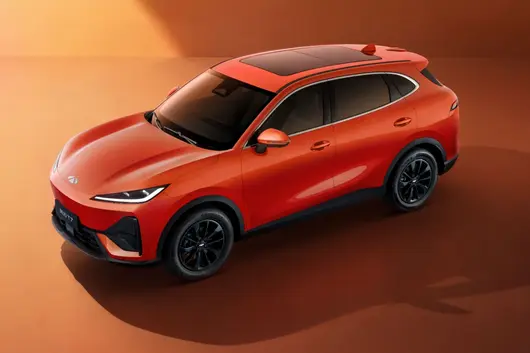

經全球嚴苛驗證!原生全球車風雲 T7 高品質上市
8 月 26 日,全球品質純電 SUV 風雲 T7 正式上市。作為奇瑞正向研發的原生全球車,風雲 T7 拒絕“國內改款出海”模式,依托前置全球法規研發、全球極限工況驗證,以超能跑、美全球、更安全、好智慧四大核心價值,實現上市即交付,以十萬級定價落地全球標準品質,彰顯中國新能源汽車出海硬實力。

依托奇瑞連續 23 年中國品牌乘用車出口第一的積澱,品牌全球用戶突破 2000 萬,產品覆蓋 130 餘個海外市場。風雲 T7 從研發之初便立足全球市場,提前 2 年預研全球法規,對標 2026 版 E-NCAP 安全標準,完成 5000+ 全球用戶調研,覆蓋 15 個典型國家用車場景,將全球多元用車需求前置融入產品定義。其同源海外車型 Lepas L6 已登陸南非、泰國,陸續落地印尼、歐盟、澳新、英國等市場,並亮相米蘭設計周斬獲國際認可,獲得美聯社權威報道與海外用戶、工程師真實證言。

市場端,風雲 T7 自 8 月 12 日開啟預售,72 小時大定鎖單 10937 台,9 天預售突破 16787 台。成都車展海外達人實地看車下單、海外用戶頻繁偶遇全球路試實車,本次上市同步開啟交付,外籍在華用戶躋身首批車主,徹底打通“全球驗證、全球認可、上市即交付”的產品閉環。

為夯實全球品質,風雲 T7 開展超高標準全域嚴苛驗證。整車投入 81 台耐久試驗車,累計完成 145 萬公里耐久測試,覆蓋 100+ 極限路況環境、-40℃至 55℃全球極端溫域,適配全球 95% 道路類型。累計完成 10000 餘次制動、19000 餘次滿打轉向、400 餘次底盤衝擊專項測試,所有試驗問題 100% 閉環整改。針對全球差異化工況,完成 7 大類極限環境專項驗證、50+ 項高頻用車場景強化、80+ 項海外本地化適配,覆蓋多國氣候路況與用戶用車習慣,真正實現全球全場景可靠適配。
超能跑:長續航、高效能、大空間兼顧實用舒適
風雲 T7 全系標配 65.05kWh 犀牛電池,CLTC 純電續航 600km,實測續航可達 667km 以上;支持 20 分鐘完成 30%—80%SOC 快充,可補充 300km 續航里程。電池支持 -40℃至 60℃超寬溫域穩定工作,循環壽命超 2500 次,設計使用壽命可達 15 年。全系搭載雙源寬溫域熱泵空調 + 高壓 PTC,-10℃低溫環境續航提升 30%,可在 -30℃-55℃全域穩定運轉。整車通過 14 項低風阻優化,有效降低行駛風阻、提升能耗表現。

車型搭載 12 合 1 鯤鵬超能電驅,峰值功率 178kW、最大扭矩 275N·m,最高車速 180km/h,電驅綜合效率達 90.8%。車身軸距 2700mm,車內得房率 84%,後排純平地板空間寬裕;後排座椅放倒可形成 1955mm×1310mm 超大純平拓展空間。配備 9 層複合結構雲感舒適座椅,支持雙區加熱與通風功能,溫控高效、運行低噪。後備箱常規容積 450L,最大拓展 1550L,搭配多層分區儲物、車載外接鉚環、專屬充電接口等實用配置,適配家庭出行、自駕露營等多元場景。
美全球:全球共創設計,解鎖國際化審美
風雲 T7 由全球十大設計中心、百餘名設計師協同打造,結合 5000+ 全球用戶共創打磨,同源車型 Lepas L6 亮相米蘭設計周收獲國際好評。

整車採用馭風前臉、風刃大燈、風塑綢緞車身、天際霞光尾門等美學設計,風阻係數低至 0.286Cd。提供熾焰橙、山煙紫、雲粉米等 6 款東方雅韻專屬車色,其中熾焰橙採用豪車級 Tri-coat 塗裝與 2K 八層油漆工藝,抗紫外線、耐刮擦性能優異。

內飾採用雲翼環抱座艙,搭配菱格縫紉工藝、鵝卵石懸浮揚聲器,提供溫暖黑棕、極夜黑曜兩大配色,兼容全球多元審美體系。
更安全:全域立體防護,構建全球級安全壁壘
車身採用九橫五縱籠式結構,高強度鋼佔比 80%、熱成型鋼佔比 18.84%,搭載同級獨有 Shotgun 結構、同級首發雙框副車架+Pack 防撞梁,配備 1088mm 貫穿式門檻加強梁,通過前碰 6 條、側碰 9 條傳力路徑高效化解撞擊能量。整車搭載 9 安全氣囊,實現全域乘員防護。電池採用 6D 鎖子甲 31 層立體防護,擁有 IP68 防水、200kN 國標兩倍抗擠壓能力,通過 1008 小時鹽霧測試、國標 1.5 倍時長火燒測試,極端工況安全穩定。

底盤搭載 70mm 大尺寸襯套、One-Box 線控制動系統,136ms 極速建壓,動能回收率提升 60%。依托 50.8:49.2 黃金軸荷比與 560mm 低重心設計,配合國際化底盤團隊高級調校,經過全溫域、全路況模擬驗證,高速行駛穩定、操控質感優異。
好智慧:高級智能座艙,全場景便捷出行
風雲 T7 同級首發搭載 4nm 工藝 8775 艙駕一體芯片,算力強勁、系統集成度提升 60%,開機速度提升 33%,交互延遲低至 80ms。配備 15.6 英寸 2.5K 高清防眩大屏,支持全品牌手機無線投屏。搭載靈犀智艙 2.0,可 OTA 升級接入豆包大模型,擁有多類 AI 趣味交互體驗,內置小憩、醒神、寶寶、哨兵等場景模式,露營、寵物模式支持 OTA 迭代升級。

車輛配備獵鷹 500 駕駛輔助系統,搭載 22 顆高精度感知硬體,實現艙行泊一體端到端算法。支持 300+ 全場景自動泊車、100 米循跡倒車、高速提前 500 米領航變道,全系標配 AGS 智能進氣格柵,動態平衡散熱與風阻性能,大幅降低用戶出行操作負擔。
從全球嚴苛路試、海外市場熱銷,到外籍用戶首批提車、上市即交付,風雲 T7 以實打實的全球驗證、全球用戶認可,詮釋“原生全球車”硬核實力。以十萬級親民定價落地全球高端品質,風雲 T7 不僅為國民用戶帶來安心可靠的純電出行新選擇,更以硬核產品力,持續輸出中國汽車的全球製造實力。
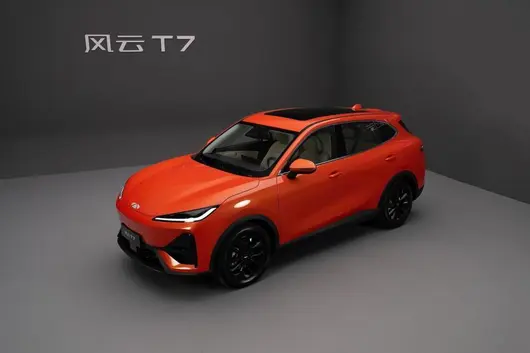

The auto market has been quite lively recently. On August 26, Chery launched the new global quality pure electric SUV — Fengyun T7.
Once this car came out, the buzz was not low. On one hand, the price is indeed sincere. On the other hand, its main focus on the 'Global Car' concept and 'Steady Happiness' theme resonates well with us ordinary family users. Today, let's put aside those technical terms and talk about how this car really is and whether it's worth buying.
First, let's talk about hard power: What 'tricks' does this car have?
The most practical point of Fengyun T7 is that the entire series starts with CLTC range of 600 km, without 'cutting corners' on the entry-level version. Media tests show it can run over 680 km, this kind of 'reverse false labeling' makes people feel reassured. Plus, the heat pump air conditioning standard on the entire series means the range in winter won't crash too fast.
 Safety aspects are done quite well. The body has 80% high-strength steel, standard 9 airbags, and battery protection is built according to the 'chainmail armor' standard, with waterproofing and anti-crushing capabilities far exceeding national standards. Driving this car out, that feeling of security really adds points.
Another impressive point is the 'Flat Bed Mode' displayed at the launch event. Once the rear seats are folded down, it becomes a flat 'big bed'. For friends who like to go camping with family on weekends, this design is very practical.
Compared to rivals, where are the advantages?
In the 100,000-level pure electric SUV market, the main rivals are BYD Yuan PLUS, Geely Galaxy E5, etc. The most prominent advantage of Fengyun T7 is 'Range Equality' — regardless of which configuration you buy, the range is not compromised.
Many competitors' entry-level versions often have only 400 to 500 km range, in contrast, Fengyun T7 is friendlier to family users with limited budgets who want long range.
 Additionally, its 'Global Car' identity is also a unique selling point. The same model (called Lepas L6 overseas) has already been sold in markets like South Africa, Thailand, etc., undergoing tests on various complex road conditions. This 'go overseas for experience first, then return home' model makes people feel its quality is more durable.
Where exactly is the 'Global Car' standard good?
At the launch event, Chery's boss Zhang Guozhong had a sentence that impressed everyone: 'A truly good car must not be fast-moving consumer goods, but durable goods.' This is quite practical and points out the confidence of Fengyun T7 — Chery has been ranked first in exports for 23 consecutive years, and this year it became a board member of the International Automotive Task Force (IATF), directly participating in the formulation of global quality standards.
This 'Global Standard' applied to the car means over 6 million kilometers of global road tests, with footprints spreading from scorching deserts to freezing polar regions. These 'slow works' we can't see are actually laying the foundation for 'Steady Happiness'.
Purchase Suggestions and Prospects
 If you are a family user with a budget of 100,000-120,000, planning to change cars, especially if there are elderly and children at home, and prioritizing safety and range, Fengyun T7 is worth serious consideration. Currently placing an order also includes trade-in subsidies, lifetime warranty, and other benefits, with very prominent cost-performance ratio.
As for market prospects, Chery's global sales have entered the top 10 in the world. Fengyun T7, as a true 'Global Car', has laid the foundation in overseas markets.
Domestically, with its differentiated 'Global Quality' and 'Range Equality' strategies, it should be able to carve out its own space in the fierce 100,000-level market.
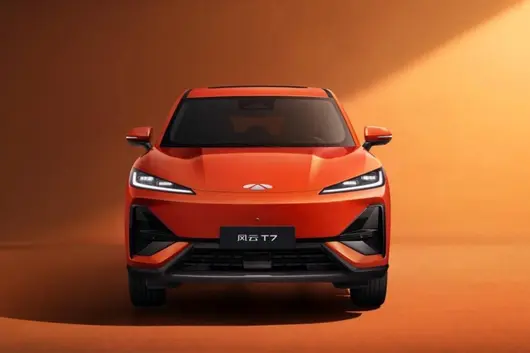

Lotus Group (a wholly-owned subsidiary of Geely Holding Group) H1 2026 financial report is now out, this financial report has some highlights; as the enterprise clarified the narrowing of loss area, and simultaneously clarified the sales performance of the brand in different markets, let's take a look at the detailed data below.

Key data includes:
On August 21, 2026, Geely Holding completed 100% equity acquisition of Lotus UK; at this point its UK Hethel factory and Lotus Engineering consulting business are all completed internal integration; before this, Geely Holding only held 51%, Etika held 49%, such a joint venture state would affect Lotus development decisions, because Etika has veto rights on important decisions. Conversely, after full acquisition can completely break free from Etika's interference.
Believe the future will no longer have Lotus Engineering team handle tuning of certain group brand direct competitors situation, knowing that Xiaomi SU7 Ultra Nürburgring version was tuned by Lotus Engineering team.

The previous 'Lutess' is the current Lotus Automobile.
Clearly Lotus Car's name sounds better, why call it 'Lutess' before?
Lotus translates to Lotus (flower), Lutess is the phonetic translation of the word; and the reason for using Lutess this phonetic translation name was 'Lotus' trademark was already grabbed registered, then Lutess Car negotiated trademark transfer with the company unsuccessfully, so could only use phonetic translation name. But what belongs to who is belongs to who, Lotus Car is very important to the brand; subsequently Lotus launched rights protection via litigation, finally obtained 'Lotus' trademark, later changed brand name.

Believe old drivers still remember another car brand related to Lotus, this brand is 'Youth Lotus.'
However the one who grabbed this trademark was not Youth Lotus Car, but an auto parts company, now unnecessary to mention this company again; just need to explain, otherwise might wrongly accuse Youth Lotus Car. However Youth Lotus Car might not care, because Youth Lotus Car was a sub-brand launched by Zhejiang Youth Auto Group in 2006 in cooperation with Malaysia's Proton Group, Proton Car acquired the Lotus parent company in 1996, but purchased only 'Lotus Engineering' chassis tuning service.
Subsequently the Youth Auto Group wanted to register and use the Lotus Car brand, but also because of trademark registration issues could not use it; later could only use the 'Youth Lotus' brand name which was borderline.

The car products built by Youth Lotus Car were actually Proton GEN-2, not Lotus whole vehicles, technology aspect also had no deep Lotus participation; so product competitiveness was actually relatively limited, Youth Lotus brand name also seemed slightly strange in Chinese context, brand appeal was obviously not strong enough.
So in 2012 the cooperation between the two parties broke down, Youth Auto went bankrupt and liquidated in 2017.
Thus Youth Lotus Car became a thing of the past, however recently happened to encounter one by chance, it already looks quite aged. As for the future, naturally there is only one Lotus Car, no need to use the Lutess name anymore.



Penulis|Ding Dang
Editor|Zhang Nan
Reka Bentuk|Li Yue
Susun Atur|Che Bian Xiao Ling Dang
▼
Watak Edisi Ini


「Kami berharap, tidak ada sebarang bahagian plastik pada kereta yang dilepaskan.」
Pada pagi 18 Julai 2026, di kilang Wanlong Auto Parts Co., Ltd. Suzhou yang terletak di Changzhou, Jiangsu, Yin Xiaolin dan Li Chao bergilir-gilir berdiri di hadapan pentas Forum Pemikiran Xuan Yuan Tong Xue. Keduanya adalah Timbalan Pengurus Besar syarikat, dan juga pengurus generasi muda yang kembali ke pengeluar tradisional ini selama lebih dua tahun.
Mereka membuat gurauan kepada rakan-rakan dari Edisi 6 Gabungan Ju Lang-Ling Xuan Xuan Yuan Tong Xue yang duduk di bawah pentas: Pengenalan ini agak seperti「perbualan lawak」: satu orang membincangkan produk, satu lagi meneruskan mengenai teknik pembuatan.
Di pameran di sebelah, papan pemuka, panel pintu, bemper, saluran udara, penutup kompartmen depan dan bagasi depan, hampir membentuk kontur dalaman dan luaran sebuah kereta.
Nampaknya, mereka hanyalah bahagian plastik. Tetapi satu papan pemuka mesti memenuhi keperluan keselamatan, kesunyian, rupa dan rasa serentak, di sebalik satu bemper, ia disambungkan dengan penempaan suntikan, bahan, coating, kelestarian alam sekitar dan kawalan kos. Pembangunan kenderaan baru dan kabin pintar sedang membolehkan komponen tradisional ini memikul lebih banyak fungsi.
Produk semakin rumit dibuat, namun harga semakin sukar dirunding.
Dalam sistem pembelian kilang kereta, hiasan dalaman dan luaran masih sering dianggap perkakasan matang. Bahan, motor dan setiap proses dikira secara berasingan, ruang harga pembekal sentiasa ditekan. Seseorang di lokasi menggambarkan, walaupun keluaran udara elektrik, motor dan komponen mesti dikira satu persatu, akhir sekali masih seperti「menimbang mengikut berat」.
Ini membentuk pertentangan paling langsung dalam industri bahagian plastik automotif: kompleksiti kejuruteraan tidak meningkat, nilai yang diperoleh pembekal mungkin tidak meningkat serentak.

►
Yin Xiaolin (kiri), Li Chao (kanan), Timbalan Pengurus Besar Wanlong Auto Parts Co., Ltd. Suzhou, memberi perkongsian di kelas Modul 3 Edisi 6 Gabungan Ju Lang-Ling Xuan.
Bagi Yin Xiaolin dan Li Chao, masalah sebenar bukan lagi sama ada Wanlong boleh menghasilkan lebih banyak bahagian plastik, tetapi adakah setiap bahagian plastik boleh mempunyai nilai yang lebih tinggi.
Inilah soalan ujian nyata selepas dua orang peneraju muda kembali ke kilang, juga merupakan perubahan industri yang sedang dialami oleh syarikat automotif tradisional China. Tentu saja, ini juga sebab mengapa mereka menjemput kursus Modul 3 Edisi 6 Gabungan Ju Lang-Ling Xuan Xuan Yuan Tong Xue ke kilang mereka.

Wanlong Auto Parts Co., Ltd. Suzhou ditubuhkan pada tahun 1981, cawangan sebelumnya adalah kilang bahan plastik, pada mulanya memproduksikan komponen plastik dalam penyaman udara, peti sejuk dan mesin basuh.
Pada dekad 1990-an, syarikat mula memasuki trek automotif, pelanggan awal terutamanya termasuk syarikat kenderaan komersial seperti JAC, JMC. Kini, peratusan perniagaan automotif sudah melebihi 90%, produk meliputi papan pemuka, panel pintu, papan pemuka sisi, bemper, pelindung roda, saluran udara, pemegang tangan, penutup kompartmen depan dan bagasi depan.
Struktur pelanggan juga berkembang daripada kereta tradisional kepada jenama gabungan dan jenama kenderaan baru, termasuk FAW, Dongfeng, Nissan, Mazda, serta Li Auto, Zeekr, XPeng, dan lain-lain.
Untuk mendekati pelanggan kereta penuh, Wanlong telah membina pangkalan pengeluaran di Suzhou, Changchun, Hefei, Mengcheng, Wuhan, Baoji, Chongqing, Nanchang, Changzhou, dan lain-lain, dan merancang untuk mengembangkan perancangan di Qingdao.

►
Untuk mendekati pelanggan kereta penuh, Wanlong telah menyusun laman pengeluaran di banyak lokasi di dalam negara. Gambar di atas ialah pangkalan pengeluaran Changzhou Wanlong Auto Parts Suzhou.
Laluan pembangunan ini mempunyai ciri unik industri automotif China.
Pada masa pertumbuhan tinggi pasaran automotif, kilang kereta terus mengembangkan pengeluaran, syarikat komponen mengikuti pelanggan memasuki bandar berbeza. Peralatan penempaan suntikan yang lebih besar, talian produk yang lebih lengkap dan lebih banyak pangkalan pengeluaran, sering bermakna lebih banyak pesanan.
Peralatan penempaan suntikan terbesar Wanlong mencapai 3200 tan, proses juga berkembang daripada suntikan warna tunggal dan ganda ke pelapis, penanaman udara, pembungkusan, pematerian dan penyepuhan. Objektif yang dikemukakan syarikat sangat langsung: tidak melepaskan sebarang bahagian plastik pada kereta.
Tetapi apabila pasaran automotif beralih daripada persaingan tambahan ke persaingan stok,「melakukan lebih banyak」tidak lagi sememangnya bermaksud「mencari lebih banyak」.
Yin Xiaolin dan Li Chao yang kembali ke Wanlong dua tahun lalu, mengambil alih tepat syarikat yang mempunyai pengumpulan pembuatan, tetapi mesti mencari semula kedudukan nilai.

Industri hiasan plastik dalaman dan luaran wujud satu pertentangan jangka panjang: kompleksiti kejuruteraan produk meningkat, namun nilai yang diperoleh pembekal mungkin tidak meningkat serentak.
Satu papan pemuka bukan sahaja mengambil keluar dari mesin suntikan sudah selesai. Ia perlu dipasang dengan tiub, saluran udara, saluran angin dan bahan kedap bunyi, permukaan telah melalui pelapisan dan jahitan, kawasan beg udara perlu dilakukan pelembutan laser, memastikan semasa berlaku perlanggaran boleh dibuka mengikut kedudukan reka bentuk.
Penutup penambah jarak jauh tidak sekadar menutup mesin. Untuk mengurangkan bunyi bising masuk ke dalam kabin, lapisan penanaman udara perlu ditambah di dalam, memikul fungsi pengurangan bunyi NVH.
Kabin pintar membolehkan papan pemuka, panel pintu dan saluran udara memikul lebih banyak fungsi interaktif, penerangan dan keselesaan. Keperluan kenderaan baru terhadap kesunyian, pengurangan berat dan bahan lestari alam sekitar juga semakin meningkat.
Tetapi nilai kereta penuh semakin banyak berpusat pada perisian, cip, data dan kawalan sistem. Perkakasan tradisional walaupun fungsi lebih kompleks, tidak bermaksud pembekal boleh memperoleh nilai tambahan yang sepadan.
Nilai perkakasan ditekan, pelaburan R&D tidak boleh dikurangkan; harga produk terus menurun, pelaburan peralatan, acuan dan alam sekitar masih meningkat.
Jika pembekal hanya boleh membuktikan bahawa mereka boleh menghasilkan satu bahagian plastik, ia akan sukar melepaskan diri daripada harga pemprosesan. Penyelesaian yang diberikan oleh Wanlong adalah bergerak ke hulu pembangunan produk.
Syarikat mempunyai syarikat acuan sendiri, telah selesai kira-kira 10,000 set acuan besar; pusat teknologi mempunyai kira-kira 120 pembangun. Selepas projek dimulakan, syarikat boleh menghantar orang masuk ke pejabat kilang kereta, bekerja sama dengan pelanggan untuk reka bentuk produk, reka bentuk acuan dan analisis aliran acuan. Projek biasa sekurang-kurangnya menghantar dua orang, projek kecemasan mungkin mencapai lebih daripada enam orang.
Makmal sendiri menanggung ujian asas seperti mekanikal, bau dan ketahanan, membuat reka bentuk, acuan, pembuatan ujian dan pengesahan membentuk kitaran lengkap relatif.
Ini bermakna, Wanlong tidak lagi menunggu pelanggan menyerahkan pelan lengkap sebelum memulakan pengeluaran, tetapi terlibat pada awal reka bentuk produk dalam penilaian struktur, bahan, proses dan kos.
Song Hanming merumuskan perubahan hubungan antara kilang utama dan pembekal dalam industri automotif dalam perkongsian: sistem bekalan tradisional lebih seperti satu piramid, kilang utama mentakrifkan produk, pembekal menghantar mengikut pelan; model kerjasama baru memerlukan kilang utama dan pembekal merancang serentak, membangun serentak, mengawal kualiti dan kos serentak.
Bagi Wanlong, apa yang benar-benar perlu diperjuangkan bukan lagi lebih banyak bahagian plastik pada kereta, tetapi kedudukan semasa proses mentakrifkan setiap bahagian plastik.
Daripada「memproduksi mengikut gambar」ke「terlibat dalam takrifan」, mungkin langkah pertama bagi pembekal komponen tradisional untuk melepaskan diri daripada「menimbang mengikut berat」.

Komponen hiasan dalaman dan luaran automotif mempunyai satu atribut istimewa: saiz besar, berat ringan.
Ini menjadikannya「kargo volum tinggi」yang tipikal. Pengangkutan jarak jauh tidak memerlukan banyak pembungkusan dan perlindungan, masih akan mengambil ruang logistik yang mahal. Walaupun produk itu sendiri tidak berat, dari China ke Eropah atau Amerika, sukar membentuk struktur kos yang wajar.
Oleh itu, Wanlong di dalam negara mengambil cara pembinaan pangkalan pengeluaran mengelilingi pelanggan. Cawangan anak syarikat di wilayah lain berfungsi utama adalah mendekati kilang kereta, memproduksi, menghantar dan menangani masalah kualiti dalam jejari yang lebih pendek.

►
Xuan Yuan Tong Xue melawat pameran Suzhou Wanlong.
Tetapi apabila jenama automotif China bergerak ke luar negara, logik tempatan ini juga menolak syarikat komponen ke hadapan satu pilihan yang lebih sukar.
Wanlong pernah berbincang dengan syarikat Eropah tertentu mengenai projek Slovenia. Jangkaan skala yang dikemukakan pihak lain adalah kira-kira 50,000 kenderaan setahun, serentak itu berharap membeli dengan harga hampir pasaran China.
Penilaian Li Chao sangat langsung: harga seperti ini tidak boleh diterima.
Jika di China pengeluaran kemudian diangkut ke Eropah, kos logistik terlalu tinggi; jika membina kilang terus di Eropah, buruh, tanah, alam sekitar dan kos operasi adalah sepenuhnya berbeza. Skala projek 50,000 kenderaan mungkin tidak cukup untuk menyangga sebuah kilang baru, dan pelanggan masih berharap mendapat harga pembelian yang hampir rantaian bekalan China.
Pembekal hiasan dalaman dan luaran skala besar terjerat dalam paradoks keluar ke laut: produk tidak sesuai untuk eksport jarak jauh, hanya pengeluaran tempatan; tetapi tanpa pesanan yang cukup stabil, tidak boleh menyokong pelaburan tempatan.
Fikiran semasa Wanlong agak berhati-hati: bukan membina kilang dahulu kemudian mencari pelanggan, tetapi menunggu kilang kereta yang kerjasama stabil meminta keperluan jelas, dan menggunakan skala projek yang mencukupi sebagai penyokong pelaburan.
Yin Xiaolin dan Li Chao telah分别 pergi ke Eropah, Thailand, Vietnam dan lain-lain untuk tinjauan. Mereka mengiktiraf ekspansi luar negara adalah arah jangka panjang, tetapi di mana kilang luar negara pertama dibina, pelanggan mana diikuti, menggunakan model pembinaan sendiri atau kerjasama, sekarang tiada jawapan.
Bagi syarikat komponen, keupayaan globalisasi sebenar mungkin bukan mempunyai berapa banyak alamat luar negara, tetapi sama ada boleh menyalin kecekapan, kualiti dan kelajuan respons kilang China, ke dalam persekitaran kos, sistem dan budaya lain.

Jika harga luar sementara tidak boleh diubah, keuntungan hanya boleh dicari dari dalaman dahulu.
Selepas kembali ke Wanlong, Yin Xiaolin dan Li Chao masing-masing masuk ke anak syarikat berbeza. Mereka tidak serta-merta membahagikan siapa bertanggungjawab teknologi, siapa bertanggungjawab pasaran, tetapi mula belajar daripada proses operasi lengkap salah satu anak syarikat.
Satu anak syarikat yang dipilih Yin Xiaolin, pada mulanya gudang pun berada dalam keadaan kacau. Dia menggambarkan, ketika pertama kali masuk, bahkan「tidak boleh masuk」.

►
Yin Xiaolin menceritakan pemikiran amalan pembaikan talian pengeluaran fleksibel, perubahan pengurusan dalaman.
Pembaikan bermula dari lokasi gudang, proses dan tatanama stok, kemudian memperkenalkan sistem pengurusan gudang WMS. Selepas percubaan mencapai kesan, kaedah ini disebarkan ke anak syarikat lain.
Perubahan lebih besar berlaku di talian pengeluaran.
Projek yang diterima Wanlong banyak model kereta, saiz lot berbeza, tetapi jarang bertemu dengan「super hit」yang boleh menyokong peralatan khas untuk tempoh lama. Jika setiap papan pemuka dan panel pintu dikonfigurasikan dengan satu talian pengeluaran bukan piawai, segera apabila jualan model tidak mengikut jangkaan, banyak peralatan akan terbiar.
Dua orang muda ini mereka semula cara sambungan talian pengeluaran fleksibel dan peralatan pembongkaran pantas. Produk saiz berbeza, struktur berbeza, hanya perlu menukar peralatan kos beribu yuan, boleh ditukar di talian pengeluaran yang sama.
Yin Xiaolin mencadangkan, lebih baik daripada membeli sepuluh talian khas untuk produk berbeza, lebih baik menggunakan talian fleksibel yang lebih sedikit untuk merangkumi lebih banyak projek. Melalui mengira semula kekuatan struktur logam, mengurang kelebih reka bentuk, kos pengenalan talian keseluruhan boleh menurun lebih 20%.
Mengikut perkongsian tapak syarikat, sebahagian workshop setahun dengan ini mengurangkan perbelanjaan jutaan yuan bahkan dua jutaan yuan.
Pembaikan ini tidak mencipta satu produk baru, tetapi mengubah cara kilang menanggung lencongan pasaran.
Di zaman「super hit」tidak dapat diramalkan, kitaran hayat model dipendekkan, perusahaan pembuatan mungkin tidak memerlukan kapasiti tetap yang lebih besar, tetapi kos penukaran model yang lebih rendah dan keupayaan pelarasan yang lebih cepat.
Nilai pembuatan fleksibel, bukan sahaja meningkatkan kecekapan, juga mengurangkan kos tebak model yang salah.

Di luar pembaikan teknologi, Wanlong juga cuba mengubah bahasa pengurusan kilang.
Di workshop, terdapat beberapa slogan yang tidak cantik:
「Pengurusan mengikut proses, jangan gunakan fikiran aku.」
「Pekerjaan teliti, selepas jualan kurang berdebat.」
「Tahap pengurusan menentukan berapa banyak stok.」
「Mesin adalah katil sendiri.」
Kalimat-kalimat ini bukan direka oleh agensi profesional yang didelegasikan oleh pengurusan, melainkan daripada pekerja garis depan, pekerja forklift dan pengurus workshop.
Seorang pekerja forklift berpendapat, berapa banyak stok akhirnya bergantung pada tahap pengurusan. Jika syarikat boleh menguasai awal permintaan pelanggan, merancang pengeluaran dengan tepat, dan menghantar pada masa selesai produk, stok boleh ditekan berterusan.
Selain itu, seorang pengurus workshop membandingkan mesin dengan katil sendiri:「Melihat sampah di katil, anda boleh tidur?」

►
Peralatan binaan hembusan bahan besar workshop Wanlong Suzhou, digunakan untuk menghasilkan penutup kompartmen depan, bagasi depan dan komponen plastik automotif berongga besar lainnya.
Bahasa dengan emosi workshop ini, kemudian dilekatkan ke tapak.
Ia mencerminkan sisi lain penggerak reformasi pengurus muda: bukan menekan konsep yang dipelajari di luar negara terus ke kilang, tetapi cuba mengubah pemahaman pekerja garis depan terhadap masalah menjadi peraturan yang dikongsi.
Reformasi pada mulanya juga mengalami rintangan. Menghadapi pekerja yang bekerja bertahun-tahun dan cara yang sudah beroperasi bertahun-tahun, orang muda hanya dengan identiti dan kelayakan akademik, sukar membuat semua orang yakin.
Hingga cara gudang dan talian pengeluaran yang baru benar-benar menjimatkan masa, mengurangkan kos, suara penentangan asal secara beransur berubah menjadi「melakukan demikian benar-benar memudahkan」.
Bagi perusahaan pembuatan tradisional, digitalisasi bukan sekadar memasang satu sistem. Lebih sukar adalah membiarkan semua orang menyerahkan「aku rasa」「aku fikirkan」, mula bekerja mengikut proses yang boleh ditjejak, disahkan dan disalin.

Penyepuhan tradisional ialah satu tekanan nyata lain yang dihadapi Wanlong.
Perniagaan penyepuhan mempunyai nilai tambah tinggi, pelaburan alam sekitar juga tinggi. Talian penyepuhan besar bukan sahaja kos pembinaan tinggi, tetapi juga perlu menanggung peralatan alam sekitar, bahan habis pakai dan perbelanjaan operasi berterusan. Oleh kerana keperluan alam sekitar, keupayaan penyepuhan Wanlong terutamanya di Suzhou, tidak disalin di setiap pangkalan luar.
Syarikat sedang menilai menggunakan permukaan PUR coating menggantikan sebahagian cat tradisional: selepas komponen plastik dibentuk suntikan, kemudian membentuk dan mengeras satu lapisan coating pada permukaan, untuk mengurangkan pembaziran bahan dan tekanan pelepasan.
Sebelum ini, Wanlong telah mencuba suntikan bersinar tinggi dan bahan penyepuhan bebas dengan efek logam. Dengan menambah bahan dengan efek logam dalam zarah plastik, membolehkan produk selepas terbentuk terus memperoleh rupa hampir penyepuhan.
Arah jangka panjang yang lebih adalah pengurangan berat, gentian tumbuhan dan bahan kitar semula.
Rakan sekerja di lokasi menyatakan, bahan gentian baru dan integrasi proses bukan sahaja boleh mengurangkan berat, juga boleh mengurangkan langkah pengeluaran dan kos pembangunan. Ini menolak syarikat hiasan dalaman dan luaran tradisional ke hadapan masalah lebih tajam: masa depan akhirnya bergantung kepada produksi produk asal kos lebih rendah, atau melalui inovasi bahan mentakrif semula produk?
Yin Xiaolin tidak mengelak jurang. Dia mengakui secara jujur, dalam gentian tumbuhan, bahan alam sekitar dan pengurangan berat dalaman, Wanlong masih ketinggalan berbanding sebahagian rakan sekerja.
Satu bahan baru bukan sahaja ganti set zarah plastik. Ia bermaksud acuan baru, peralatan, tingkapan proses, pengesahan kualiti dan pengesahan pelanggan. Satu mana-mana elemen memerlukan pelaburan jangka panjang.
Bagi pembekal yang tertekan keuntungan, yang paling sukar bukan mengetahui pengurangan berat pasti datang, tetapi dalam keadaan tidak dapat menentukan kitaran pulangan, masih bersedia bertaruh berterusan.

Perubahan satu bahagian plastik, akhirnya akan jatuh pada perubahan manusia.
Yin Xiaolin dan Li Chao adalah pengurus generasi muda Wanlong. Keduanya membesar dalam persekitaran kilang, kemudian pergi belajar di luar negara, juga pernah melalui kerja luar, penubuhan syarikat dan proses menjual syarikat. Dua tahun lebih lalu, mereka kembali semula ke Wanlong.
Li Chao belajar kejuruteraan mekanikal dan kejuruteraan pengurusan, lebih dekat dengan pembuatan, peralatan dan penilaian pelaburan; Yin Xiaolin belajar kecerdasan buatan dan reka bentuk pintar, lebih menekankan pengoptimuman autonomi talian pengeluaran, peralatan dan sistem pengurusan.
Dari perkongsian kali ini, Li Chao lebih membincangkan laluan proses, keupayaan peralatan dan akaun ekonomi projek luar negara, Yin Xiaolin lebih rela membincangkan gudang, pekerja dan tapak pengeluaran.
Generasi sebelumnya telah membentuk pembahagian kerja jelas: satu menjadi Presiden, satu bertanggungjawab jualan. Satu berada di pusat tadbir urus dan keputusan syarikat, satu lama berada di hadapan pasaran dan pelanggan.
Tetapi adakah generasi akan datang mengikuti struktur ini, sekarang tidak jelas.
Adakah dua orang akan menerima tempat bapa masing-masing? Atau mengikut keupayaan profesional masing-masing, membahagikan semula teknologi, pembuatan, operasi, pasaran dan perniagaan luar negara?
Apabila ada yang mengejar soalan ini di tapak, Yin Xiaolin gurau, dia sebaliknya berharap kedua-dua orang suatu hari boleh「berdebat」.
Sebab pengalaman dan penilaian kedua-dua orang sekarang terlalu serupa. Setiap kali satu orang mencadangkan idea, orang lain sering menjawab:「Ya, begitulah」.
Kesepakatan ini memudahkan mendorong reformasi hadapan, namun tidak boleh menggantikan mekanisme tadbir urus masa depan.

►
Li Chao menganalisis cabaran nyata pemilihan peralatan dan proses, kesulitan keluar laut komponen automotif.
Li Chao berkata, bapa mereka masih muda, masih membimbing kedua-dua orang. Oleh itu, Wanlong sedang melalui bukan sekali peralihan jawatan tiba-tiba, tetapi satu tempoh peralihan di mana dua generasi berbisnes bersama.
Penerusan sebenar bukan menukar dua kad nama「Presiden」dan「Pegawai Jualan」kepada nama muda, tetapi membina satu struktur keputusan baru yang boleh menangani pelaburan teknologi, ekspansi luar negara dan pendapat berbeza.
Bolehkah Wanlong menyiapkan transformasi, bukan sahaja bergantung pada ada bahan dan peralatan baru, juga bergantung pada generasi muda boleh mengubah kesepakatan peribadi menjadi keupayaan organisasi.

Wanlong merumuskan misi syarikat sebagai「Teliti setiap bahagian plastik」.
Pada zaman pertumbuhan tinggi automotif, ayat ini boleh difahami sebagai memperluas talian produk: dari papan pemuka buat panel pintu, dari dalaman buat luaran, dari besar buat komponen fungsi.
Tetapi hari ini, ia memerlukan penjelasan yang sepenuhnya berbeza.
「Teliti」bermaksud mengkaji satu bahagian plastik bagaimana mengurangkan berat, mengurangkan penyepuhan dan mengurangkan pelepasan; bermaksud terlibat dalam pembangunan struktur dan acuan pada peringkat reka bentuk; bermaksud menggunakan talian fleksibel untuk menghadapi jualan model yang tidak dapat diramalkan; juga bermaksud apabila pelanggan menuju luar negara, boleh menentukan di mana kilang sepatutnya dibina.
Satu bahagian plastik tidak akan secara aktif menceritakan naratif besar industri automotif, tetapi perubahan industri akhirnya akan jatuh padanya.
Satu langkah proses kurang, kurangkan satu gram berat, pendekkan satu penukaran model, kurangkan satu set stok, semuanya boleh menjadi keuntungan tambahan; satu keputusan laluan bahan salah, satu kilang luar negara kurang sokongan pesanan, boleh menghabiskan akumulasi syarikat bertahun-tahun.
Dari komponen plastik peralatan rumah ke hiasan dalaman dan luaran automotif, dari pembuatan mengikut pelan ke terlibat pembangunan bersama, dari penyediaan tempatan domestik ke meninjau kilang luar negara, perubahan Wanlong adalah satu sisi transformasi syarikat komponen China.
Ia tidak menghadapi hanya masalah teknikal tunggal, tetapi perubahan yang berlaku serentak kecekapan pembuatan, inovasi bahan, hubungan pelanggan, perancangan global dan tadbir urus generasi.
Nampaknya, Wanlong masih mengkaji setiap plastik pada kereta.
Sebenarnya, ia sedang mengkaji semula bagaimana sebuah perusahaan pembuatan tradisional harus bertahan.
© 2024 Bitauto.com. All Rights Reserved.
Bitauto (www.yiche.com and www.bitauto.com) is one of the most visited automotive websites in China. We provide detailed info on Chinese car brands available in your area. Please note that the information provided on this website is based on publicly available data and is for reference only. It may not be fully updated or accurate at all times.

Help us improve our website


