

Homespice

Search History
Popular Searches
Dealer Login / Sign Up

当下十万级的新能源SUV市场已然是一片红海,各大车企都在这一领域推出了自家的“主打车”,为了抢占先机,不少车企都加快了上新速度,但由此而来的品质问题也引起了消费者的重视。
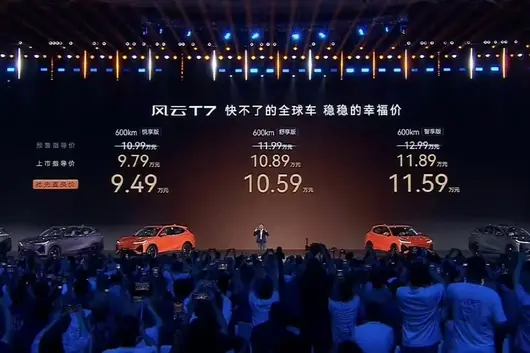
8月26日,号称“全球车”的奇瑞风云T7正式上市,共三款车型,抢先置换价9.49万-11.59万,这一价格放在当下的市场环境中,冲击力不言而喻。
除了价格极具诚意,奇瑞官方还给出了“双兜底”权益,电池热失控直接赔付新车、智驾兜底最高赔付500万元,加上整车终身质保、666元的终身基础保养,间接证明了奇瑞对于风云T7的自信。

作为一款全球车,风云T7与多数“国内开发、后期再出海”的车型不同,其走的是“先海外、再国内”的路线,其此前便已经在泰国、南非上市,后续还将进军欧盟、澳新等地区。
其实早在研发之初,风云T7便以全球市场的准入标准作为开发基准,历经2年策划、3年开发,投入81台耐久车同步测试,最终累计完成了145万公里的耐久性测试里程,这在极大程度上避免了车辆后期出现异响、老化、底盘松散、三电衰减等问题的概率。
严苛的全球标准,不只是停留在测试里程数字上。风云T7对标2026版E‑NCAP五星安全标准进行整车架构开发,九横五纵的笼式车身,搭配高占比高强度钢与热成型钢,从车身底子上就筑牢了安全基础。犀牛磷酸铁锂电池具备IP68级防护,兼顾挤压、穿刺、涉水等多重风险,也正是基于这套硬件实力,奇瑞才敢拿出电池热失控赔新车这样大胆的权益政策。

落实到整车上,风云T7定位紧凑型纯电SUV,2700mm的轴距保证了车内宽裕的空间表现,加上9层的云感座椅,座椅加热、通风,进一步确保了整车的乘坐舒适性。
除了空间,风云T7在智能化表现上同样没有缩水,车机搭载了4nm制程的舱驾一体芯片,加上15.6英寸的2.5K中控大屏,灵犀智舱2.0以及豆包大模型的赋能,整车的智能化体验也处于主流水准。
辅助驾驶系统则采用了猎鹰500方案,配合上22颗传感器,整车支持高速NOA领航辅助、记忆泊车以及三百多种场景的自动泊车,面对复杂地库、狭窄车位都能完成自动泊入泊出,这在极大程度上降低了长途驾驶与日常停车的用车负担。

动力上,风云T7全系搭载了功率178千瓦的电机,峰值扭矩275牛米,最高车速180km/h,这一动力表现放在十万级纯电SUV当中已经达到了上游水准。
除了动力,在整车续航上,风云T7也并未区分高低配,全系均搭载了容量65.05kWh的磷酸铁锂电池组,纯电续航600km,30%-80%快充仅20分钟,风云T7真正做到了续航平权,打破了同级车型“低配缩水、高配才有长续航”的行业通病,即便是入门用户,也能享受满配的续航实力。
同时,依托全域节能冗余,风云T7全系标配了AGS智能进气格栅、双源宽温域热泵空调+高压PTC,可在-30°—55°超宽温域稳定运行,即便在-10°的环境中续航仍可提升15%-20%,无论是北方寒冬,还是南方酷暑,风云T7都能有效改善低温续航跳水、高温能耗飙升的问题。

纵观整个十万级的新能源SUV市场,多数车型都在靠减配降价、压缩研发时间来换取短期销量,很难做到安全、续航、动力、智能、舒适全面均衡。
而奇瑞风云T7以全球研发标准、无差别的全系满配、重磅兜底权益,彻底打破了低价电车“低配质弱”的固有偏见。从145万公里的严苛耐久测试、E-NCAP五星安全架构,到全系600km长续航、高阶智驾、宽温域稳定三电,风云T7用实打实的产品力证明了:高性价比家用纯电SUV,从来都不需要牺牲品质来换取更低的售价。
其以9.49万的亲民价格,给到越级的综合实力与终身用车保障,这款全球品质纯电SUV,无疑是当下十万级家用市场最值得入手的硬核新标杆。
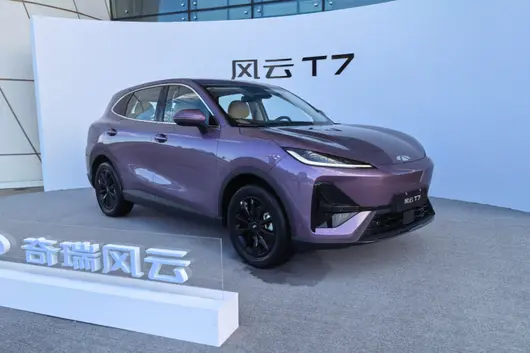

2026 年 8 月 26 日,奇瑞風雲 T7 以“穩穩嘅幸福”為主題正式上市。新車共推出 3 款車型,上市指導價 9.79 萬元—11.89 萬元,搶先換購價 9.49 萬元—11.59 萬元。

發布會上,知名音樂人吳克群以“幸福體驗官”身份現身,同奇瑞汽車執行副總裁李學用就“穩穩嘅幸福”展開暢談,雙方共同啟動風雲 T7「幸福共創計劃」。而喺呢場發布會嘅背後,係奇瑞對十萬級純電 SUV 市場長期積弊嘅一次正面回應。

而家嘅十萬級純電 SUV 市場,表面睇落選擇好多,其實暗藏唔少「潛規則」:
入門版續航縮水:想要長續航?要加錢上高配。低配車型嘅續航往往只有 400-500km,真正可以跑 600km 嘅版本價格直接飆升到 14 萬以上。
安全配置被「精打細算」:氣囊數量隨著配置梯度遞減,入門版可能只有 4 個氣囊,高級安全配置留畀高配車主「獨享」。
高級智能需要層層加錢:智能座艙、輔助駕駛呢啲真正提升體驗嘅功能,往往只出現喺頂配車型上,用戶想要「聰明」啲嘅車,就要掏更多錢。
底盤電池驗證不足 ——部分新車壓縮驗證週期,產品可靠性有待檢驗。
簡單講,用戶花十萬塊買到嘅往往係一台「閹割版」嘅車,續航斬一刀、安全斬一刀、智能再斬一刀。
而風雲 T7 嘅手法,恰恰係反嚟做。

風雲 T7 提出嘅「六大冗餘」:碰撞安全冗餘、電池安全冗餘、續航平權冗餘、全域節能冗餘、操控性能冗餘、整車驗證冗餘,呢「六大冗餘」本質係一種「保守到近乎較真嘅工程思路」:不止於達標,而係主動為安全同性能預留餘量。
碰撞安全冗餘:碉堡級安全空間
風雲 T7 由開發之初就按照 2026 版 E-NCAP 五星安全標準開發。車身採用九橫五縱籠式結構,高強度鋼佔比 80%,搭配同級獨有嘅 Shotgun 結構、雙框式副車架與 Pack 防撞梁。全系標準配備 9 個安全氣囊,包含 48L 雙腔遠端氣囊與 1778mm 一體式側氣簾。十萬級嘅車,俾嘅卻係碉堡級嘅安全配置。

電池安全冗餘:超額防護閾值
搭載嘅犀牛電池採用 0 自燃設計,6D 鎖子甲電池 Pack 擁有 31 層防護結構。防水等級 IP68,係國標嘅 96 倍;側邊抗擠壓 200kN,係國標 2 倍;同時通過 1008 小時鹽霧測試同 105 秒火燒測試。雨季涉水、路面磕碰、惡劣腐蝕環境,通通唔係問題。
續航平權冗餘:全系 600km,唔分高低配區別對待
呢係風雲 T7 最狠之一招。全系標準配備 65.05kWh 大容量犀牛電池,CLTC 純電續航 600km,實測續航可達 681.6km,實現「反向虛標」。30%-80% 快充只需 20 分鐘,一杯咖啡嘅工夫。入門即享長續航,大城跑得遠,小城少充電。
全域節能冗餘:寒暑天氣續航唔打折
全系標準配備 AGS 智能進氣格柵、雙源寬溫域熱泵空調 + 高壓 PTC,可在 -30℃至 55℃超寬溫域穩定運轉。零下 10℃環境下續航可提升 15%-20%。北方寒冬、南方酷暑,都能畀用戶穩定可靠嘅實際續航。

操控性能冗餘:極限路況從容駕馭
搭載 178kW 高性能電機,配備四輪獨立懸掛、50.8:49.2 黃金軸荷比。最高車速 180km/h,麋鹿測試能力 80km/h,涉水深度 500mm。日常通勤平順舒適,山路顛簸積水也能從容應對。
整車驗證冗餘:全球級嚴苛測試
投入 81 台耐久試驗車,整車累計測試超 600 萬公里,耐久專項實測 145 萬公里。測試足跡覆蓋全球 21 個國家、100 多個極限路況環境,由 -40℃到 55℃。唔等用戶踩坑,前置將異響、故障、環境適配問題喺研發階段閉環解決。

風雲 T7「六大冗餘」背後,係奇瑞作為連續 23 年出口第一車企嘅全球化底氣。
呢款車歷時 2 年策劃、3 年正向研發,由全球 10 大設計中心百幾名設計師協同打造,5000+ 用戶參與共創。同源車型 Lepas L6 已先後登陸泰國、南非,9 月將進入西班牙、義大利,10 月登陸英國,11 月登陸澳洲、印尼。
佢唔係「國內車改個標就出海」,而係一款由源頭就適配全球 210 個國家地區用車需求嘅「原生全球車」。
奇瑞將呢套邏輯總結成一句說話——「全球車 10 萬級嘅價格,真 20 萬嘅價值」。

風雲 T7 共推出 3 款車型:
600km 悅享版(指導價 9.79 萬/換購價 9.49 萬):入門即滿配——65.05kWh 電池、600km 續航、178kW 電機、9 安全氣囊、15.6 英寸 2.5K 大屏、8 揚聲器 SONY 音響。預算有限、市區代步為主嘅話,呢個版本性價比極高。
600km 舒享版(指導價 10.89 萬/換購價 10.59 萬):多加 1.1 萬元,換嚟哨兵模式、360 度全景影像、電動尾廂、可開啟全景天窗、前排座椅加熱同通風、50W 手機無線充電等高頻實用配置。呢係絕大多數家庭用戶嘅最優解。
600km 智享版(指導價 11.89 萬/換購價 11.59 萬):升級 8775 艙駕一體芯片、18 寸輪轂,核心賣點係獵鷹 500 輔助駕駛系統,支持高速 NOA 領航輔助、全場景自動泊車同循跡倒車。經常跑高速或苦於停車難嘅話,呢 1 萬差價絕對值。

即日起至 9 月 30 日落訂,可享 8 重禮包:
· 車色禮:價值 6000 元嘅熾焰橙、山煙紫限時免費選裝
· 金融禮:2 年 6 萬 0 息或 5 年 10 萬 3 年免息
· 換購禮:不限品牌,享 3000 元/台換購補貼
· 兜底禮:動力電池因自身原因熱失控,賠付同款新車;智駕系統原因造成事故,最高賠償 500 萬
· 終身禮:整車終身質保(含三電)+ 666 元購價值 3999 元終身基礎保養套餐
· 流量禮:基礎流量終身免費,娛樂流量 3 年 5G/月免費(限首任車主)
另:預售期 1000 元訂金抵 2000 元購車款政策延期至 8 月 31 日截止。

十萬級純電 SUV 市場好卷,但以往嘅「卷」大多集中喺價格上,減配減價、續航分層、安全縮水。風雲 T7 嘅做法係另一種「卷」:用全球車嘅標準造車,用六大冗餘畀用戶留足安全同性能嘅餘量,然後用十萬級嘅價格交付。
續航全系平權、安全拉滿冗餘、全球驗證兜底。9.79 萬起嘅價格,俾嘅卻係 20 萬級嘅價值。正如奇瑞汽車執行副總裁李學用喺發布會上所講:「研發唔可以快、驗證唔可以快、全球用戶共創都唔可以快。」
慢工出好車,穩穩噉先更幸福。風雲 T7,值得你認真考慮。

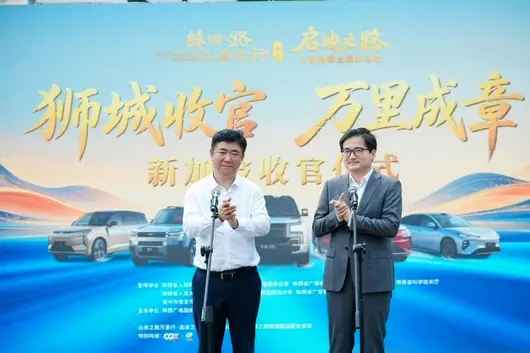
随着“2026丝绸之路万里行·启迪之路”在新加坡圆满收官,比亚迪作为全程出行伙伴,从西安出发,穿过泰国、马来西亚,最后抵达新加坡,真正做到了“丝路远行绿能相伴”。


整整33天,车队跑了上万公里,不光是高速狂奔,还经历了山路、城市堵车等各种复杂路况。这一次,王朝、海洋、腾势、方程豹和仰望等多个品牌车型集体出征,相当于比亚迪全家桶一起上,实实在在地接受跨国长途检验。


一路上,“5分钟充好、9分钟充饱”的闪充技术轻松解决了长途出行最头疼的补能焦虑,再加上天神之眼辅助驾驶,就算上万公里跑下来,也能让车队大大减少疲劳感,同时也保证了安全性和舒适性。


正因为产品力过硬,比亚迪在新加坡市场已经连续19个月拿下当地乘用车销量第一。这次丝绸之路万里行活动充分证明了中国新能源车不只是城市代步,更能跨国门跑万里长途。我只想说,中国汽车品牌越来越能打了,这也将推动绿色交通走向更多国家。

Dalam pasaran SUV Malaysia, ramai pembeli membandingkan Honda WR-V dan Subaru Crosstrek semasa memilih kereta. Kedua-dua model ini hampir sama dari segi harga dan kedudukan, hari ini kita akan membuat perbandingan terperinci dari pelbagai aspek, membantu anda menjimatkan masa membuat penyelidikan.
Harga OTR Honda WR-V di Malaysia adalah RM 89,900 - 107,900, terdapat 4 varian, termasuk 2023 1.5L V (RM 99,900), 2023 1.5L E (RM 95,900), 2023 1.5L S (RM 89,900) dan lain-lain.
Harga OTR Subaru Crosstrek di Malaysia adalah RM 145,000 - 160,000, terdapat 1 varian, termasuk 2.0L e-Boxer (RM 150,000) dan lain-lain.
Dari segi harga, harga permulaan Honda WR-V memang lebih murah RM 55,100 berbanding Subaru Crosstrek. Jika bajet anda terhad, model entry-level Honda sudah boleh memenuhi keperluan harian. Namun berhati-hati, beberapa ribu ringgit yang murah itu mungkin memerlukan pengorbanan dari segi kelengkapan, bergantung pada keperluan anda.

Honda WR-V dilengkapi enjin 1.5L 4-silinder, kuasa 105 hp. Konsumsi minyak rasmi 6.0 L/100km.
Subaru Crosstrek dilengkapi enjin 1.5L Turbo, kuasa 140 hp. Konsumsi minyak rasmi 7.0 L/100km.
Dari segi kuasa, 1.5L Turbo Subaru Crosstrek mempunyai 35 kuasa kuda lebih daripada 1.5L 4-silinder Honda WR-V. Namun untuk memandu harian di bandar, kuasa kedua-dua kereta adalah mencukupi, tidak akan terasa kurang tenaga.

Pensijilan keselamatan Honda WR-V adalah 5★ (ASEAN NCAP), sistem keselamatan aktif termasuk Honda SENSING.
Pensijilan keselamatan Subaru Crosstrek adalah 5★ (Euro NCAP), sistem keselamatan aktif termasuk EyeSight.
Dari segi kelengkapan keselamatan, kedua-dua kereta mendapat pensijilan yang baik. Namun Honda SENSING pada Honda WR-V dan EyeSight pada Subaru Crosstrek mempunyai perbezaan dari segi fungsi, jika anda mengutamakan keselamatan aktif, boleh bandingkan senarai fungsi kedua-duanya.

Panjang badan Honda WR-V 4400 mm, bak belakang 400 L.
Panjang badan Subaru Crosstrek 4400 mm, bak belakang 400 L.
Saiz kedua-dua kereta hampir sama, ruang dalaman tidak berbeza banyak. Kereta pada tahap ini, untuk penggunaan harian sudah mencukupi.

Honda WR-V dan Subaru Crosstrek adalah pilihan utama pasaran Malaysia, sesuai untuk kegunaan keluarga, perjalanan harian. Jika anda mengutamakan reputasi jenama dan harga jualan semula, pilih yang mempunyai reputasi lebih baik; jika anda lebih prihatin dengan nilai dan kelengkapan, pilih yang lebih kaya dengan konfigurasi. Pada akhirnya, disarankan untuk uji jalan kedua-duanya, pengalaman peribadi adalah yang paling penting.

Secara keseluruhan, Honda WR-V dan Subaru Crosstrek adalah model kereta yang sangat bagus di pasaran Malaysia. Memilih mana-mana, penting melihat keperluan dan bajet peribadi anda. Disarankan membuat penyelidikan, bandingkan lebih banyak tawaran dari kedai kereta, kemudian buat keputusan akhir selepas uji jalan. Membeli kereta adalah perkara besar, meluangkan masa membuat penyelidikan pasti tidak salah.


26 Ogos, SUV elektrik sepenuhnya global asal Chery Fengyun, Fengyun T7 secara rasmi dilancarkan. Kenderaan baharu melancarkan tiga varian: 600km Versi Kenikmatan, 600km Versi Kenyamanan, 600km Versi Kecerdasan. Harga panduan pelancaran masing-masing ialah 97,900 Yuan, 108,900 Yuan, 118,900 Yuan. Harga tukar ganti terawal bermula serendah 94,900 Yuan. Dengan empat nilai utama 'Laju Super, Cantik Global, Lebih Selamat, Cerdas Hebat', menawarkan pilihan baharu SUV Elektrik Global Asal pada Tahap 100,000, mewujudkan penghantaran serta-merta selepas pelancaran, menghadirkan perjalanan elektrik berkualiti tinggi yang telah melalui ujian ketat global kepada pengguna domestik yang ramai.

Dalam industri kenderaan tenaga baharu semasa, persaingan sengit berlaku. Pembinaan kereta cepat, penyesuaian domestik untuk pasaran luar menjadi jalan pintas sesetengah pengeluar kereta. Fengyun T7 berpegang pada prinsip jangka panjang. Menganut falsafah 'Kereta Global Tiada Percepatan', tidak mengikuti jalan lama penyesuaian domestik untuk pelancaran luar negara. Fasa penubuhan projek telah meletakkan peraturan global dan keperluan pengguna pelbagai negara terlebih dahulu. Bergantung kepada sistem penyelidikan dan pembangunan global 1+7+N Chery, melengkapkan penyelidikan dan pembangunan positif selama 3 tahun. Ini adalah kereta global asal yang melengkapkan pengesahan keadaan jalan ekstrem global terlebih dahulu, kemudian kembali ke pasaran domestik.

Kenderaan baharu dibina berdasarkan piawaian keselamatan E-NCAP versi 2026. Mengumpulkan lebih 100 pereka dari seluruh dunia, melengkapkan 5000+ perkongsian kreatif dengan pengguna global, mencakupi 15 senario penggunaan kenderaan negara tipikal. 81 kenderaan ujian ketahanan telah mencapai jumlah 1.45 juta kilometer ujian jalan sebenar. Melalui tujuh ujian persekitaran ekstrem termasuk kutub utara sangat sejuk, Timur Tengah suhu panas, Asia Tenggara merenti air 500mm, jalan berpasir Brazil, sesuai dengan julah suhu ekstrem -40°C hingga 55°C, melengkapkan ribuan ujian khusus, melaksanakan lebih 80 penyesuaian tempatan, dapat menyesuaikan keperluan kenderaan 210 negara dan wilayah di seluruh dunia. Jurutera pembangunan luar negara, lantai dan reka bentuk tampil di lokasi sidang akhbar, menggunakan sudut pandang pihak ketiga untuk mengesahkan kekuatan produk.

Model asal Lepas L6 telah mendarat di Afrika Selatan, Thailand. Berjaya masuk pasaran EU, Australia New Zealand, United Kingdom dan lain-lain. Tampil di Pameran Reka Bentuk Milan mendapat pujian antarabangsa. Associated Press (AP) juga memberikan laporan berwibawa terhadap Fengyun T7. Semasa tempoh pra-jualan, populariti Fengyun T7 meningkat tinggi. 72 jam tempahan tetap terkunci 10,937 unit, 9 hari pra-jualan mencapai 16,787 unit. Di Pameran Kereta Chengdu, pakar asing datang melawat dan membuat tempahan di lokasi. Pelancaran rasmi memulakan serah terima secara serentak. Pengguna asing di China menjadi pemilik pertama, memecahkan perbezaan masa industri antara pelancaran dan serah terima kenderaan baharu. Berlandaskan pengalaman Chery menjadi nombor satu eksport kenderaan penumpang jenama China selama 23 tahun berturut-turut, pengguna global mencapai 20 juta, memberikan sokongan kukuh untuk kualiti globalisasi Fengyun T7.

Dari segi prestasi Laju Super, Fengyun T7 dilengkapkan sepenuhnya dengan Bateri Rhinos 65.05kWh. Jarak CLTC 600km, ujian sebenar boleh mencapai lebih 667km, mewujudkan 'penandaan sebaliknya'. 20 minit dapat lengkapkan cas pantas 30%-80%. Kitaran hayat bateri melebihi 2500 kali, hayat perkhidmatan boleh mencapai 15 tahun. Seluruh siri dilengkapi AC pam haba dua sumber julat suhu lebar. Suhu -10°C jarak meningkat 30%. Memasuki sistem penggerak elektrik super Kunpeng 12-ke-1, kuasa puncak 178kW, kecekapan komprehensif 90.8%. Jarak paksi badan 2700mm, kecekapan ruang dalaman 84%. Selepas kerusi dilipat ke bawah boleh mod katil rata besar 1955mm x 1310mm. Kerusi rasa awan 9 lapisan menyokong pemanasan pengudaraan, kapasiti beg belakang biasa 450L, maksimum dikembangkan hingga 1550L. Perjalanan keluarga, perkhemahan luar boleh menghadapi dengan tenang.

Dari segi Estetik Global, kenderaan baharu dibina bersama oleh 10 pusat reka bentuk global. Menggunakan estetika Angin Timur. Hadapan Angin, Lampu Pisau Angin disusun dengan badan Saten Berbentuk Angin, rintangan angin serendah 0.286Cd. Menyediakan 6 warna kereta termasuk Oranye Api, Ungu Asap Gunung. Oranye Api menggunakan proses cat Tri-coat kelas kereta mewah. Kabin Sayap Awan melingkari dengan pembesar suara terapung batu lonjong, kerja kimpalan berlian. Menyediakan 2 konfigurasi hiasan dalaman Hitam Coklat, Hitam Obsidian, menciptakan suasana dalaman yang selesa bertaraf tinggi.

Lebih selamat adalah warna asas teras Fengyun T7. Badan batu gergasi berpagar 9 rentang 5 menegak, bahagian keluli kuat tinggi 80%, bahagian keluli pembentukan haba 18.84%, memiliki struktur shotgun unik kelas sama dan kerangka bahu bingkai ganda + penyangkang impak Pack yang diperkenalkan, dilengkapi 9 beg udara selamat paling banyak dalam kelas sama. Bateri dilengkapi 6D Armor 31 lapisan perlindungan, tahan air IP68, rintangan rembat mencapai 2 kali piawaian negara, melalui ujian kabus garam, pembakaran yang ketat. Lantai dihaluskan oleh pasukan dipimpin oleh pakar penalaan lantai Maserati terdahulu, mencapai nisbah beban paksi emas 50.8:49.2, menyesuaikan dengan brek kawalan wayar One-Box, mengimbangi kestabilan kawalan dan kemampuan mengelak bahaya.

Kecerdasan Hebat memberikan pengalaman kabin baharu. Fengyun T7 adalah pelancaran pertama kelas chip 8775 gabungan kabin dan pemanduan, proses 4nm, keupayaan NPU 72TOPS, tindak balas interaksi serendah 80ms. Kabin Cerdas Lingxi 2.0 menyambung Model Besar Douba (OTA), mempunyai pelbagai mod penyertaan menyeronokkan. Skrin besar 15.6 inci 2.5K, menyokong pemancaran wayarles pelbagai jenama telefon bimbit. Sistem Pemanduan Cerdas Falcon 500 membawa 22 perkakasan pengesanan, menyokong parkir automatik semua senario, undur trek 100 meter, bantuan领航高速. Sekali gus dilengkapi pelbagai mod senario rehat kecil, bayi, pengawal, mod haiwan peliharaan, perkhemahan menyokong kemas kini OTA, menyesuaikan pelbagai senario perjalanan.

Menolak persaingan cepat, berpegang pada kerja perlahan membuat kereta baik. Fengyun T7 menurunkaan piawaian kereta global ke pasaran 100,000. Harga panduan jual permulaan 97,900 disertai harga tukar ganti terendah 94,900, membolehkan pengguna biasa menikmati SUV Elektrik Global Asal yang telah melalui ujian keadaan jalan global tanpa premium, membuka pilihan perjalanan elektrik yang selamat dan boleh dipercayai.

8 月 24 日,零跑汽車(9863.HK)發布 2026 年半年度財報。報告顯示,2026 年上半年零跑實現營業收入 381.1 億元,同比增長 57.2%,創同期歷史新高;淨利潤 2.1 億元,去年同期為 0.3 億元,連續三個半年度盈利。

圖片來源:零跑
同日,零跑宣布與中國一汽簽署深化戰略合作協議。根據協議,雙方將圍繞資本合作、新能源整車、智能輔助駕駛、動力總成、動力電池、智能底盤、車身工藝裝備、輕量化部件、具身智能機器人、金融等領域開展深度協同,構建"資本 + 產業 + 產品 + 技術 + 生態"全面深化合作的新格局。
當晚業績電話會上,零跑汽車管理層就全年盈利指引、海外銷量目標、智駕規劃及新業務佈局等作出回應。
營收創新高,但全年盈利目標下調至 30 億元
據披露,2026 年上半年,零跑營收 381.1 億元,創同期歷史新高,主要受整車及備件交付量增加驅動。其中第二季度營收約 210 億元,環比增長約 23%。上半年淨利潤 2.1 億元,同比增長約 600%,連續三個半年度實現盈利。

圖片來源:零跑
毛利率方面,上半年綜合毛利率 11.7%,較 2025 年同期的 14.1% 下降 2.4 個百分點,主要由於原材料成本上漲及產品組合變動所致。分季度看,第一季度毛利率 9.4%,第二季度回升至 12.6%,環比提升 3.2 個百分點。
零跑汽車 CFO 李騰飛在電話會中表示:"隨著規模提升帶來成本規模效應的釋放,同時在材料成本和製造費用方面的進一步優化,可以推動毛利率持續改善。”
今年上半年,零跑全球交付 356,487 台,同比增長 60.8%,1-5 月終端上牌量位列全球新能源乘用車品牌第四。7 月單月交付 101,267 台,成為國內首家單月突破 10 萬台的新勢力。

圖片來源:零跑
費用端,上半年研發開支 23.2 億元,同比增長 22.8%,主要因研發投入力度加大及研發人員增加。銷售及分銷開支 21.7 億元,行政開支 8.9 億元。截至 6 月 30 日,零跑現金及現金等價物、受限資金、按公允價值計入損益的金融資產及銀行定期存款合計 385.9 億元,經營現金流 21.7 億元。
對於全年盈利指引,李騰飛在電話會中表示,年初定下的 50 億元淨利潤目標實現難度較大,主要受原材料價格上漲影響,預計全年淨利潤在 30 億元左右,綜合毛利率 13% 至 14%,整車毛利率 10% 至 11%。
2027 年為產品大年,機器人已在規劃
產品矩陣方面,零跑已完成 ABCD 四大系列佈局,覆蓋 6 萬至 30 萬元價格區間。A 系列 A10 上市 135 天第 10 萬台下線,5-7 月連續三個月中國品牌 SUV 銷量第一;A05 起售價 6.39 萬元。B 系列 B01/B10 搭載全域 800V 與 3C 快充。C 系列 6 月完成改款,全球月銷超 3 萬台,C11 累計約 35 萬台。D 系列 D19 連續三個月居 40 萬內大型 SUV 銷量冠軍,7 月交付 10,043 台;D99 首批均價超 30 萬元。
關於 2027 年產品規劃,李騰飛在電話會中表示:"2027 年零跑的全新車投放數量大於 2026 年,是非常大的產品大年。D 系列會有全新產品投放,C 系列既有全新產品的投放,也有現有 C 系列換代產品的投放。換代產品是我們下一代產品,C 系列和 B 系列都會有。”公司正重點優化各車型上市節奏。
技術研發方面,LEAP4.0 中央域控已搭載於 D19,基於雙高通 8797 芯片實現座艙駕駛一體協同。城市領航輔助已全系開放,第三季度向 LEAP3.0 架構推送全國功能。據悉,9 月 16 日將舉辦年度技術發布會,發布其全新架構的輔助駕駛方案及三電領域最新成果。李騰飛表示,新架構下的智能駕駛產品較現有產品有"巨大的、飛躍式的提升”。
在 L2+、L3、L4 級智能駕駛及硬體、智能底盤等方面,零跑均有佈局。關於投入產出效率,他解釋零跑在智能駕駛領域有持續投入,2025 年下半年確認物理模型技術路線後加大了人才與資金投入,疊加大量車型積累的数据,智能駕駛能力今年有明显提升。
具身智能機器人方面,工商信息顯示零跑旗下浙江凌昇動力科技於 7 月全資設立湖州凌昇精密製造有限公司,註冊資本 2.1 億元,經營範圍涵蓋工業機器人製造與智能機器人研發。李騰飛表示:"新能源汽車企業,尤其是具備全域自研能力的新能源汽車企業,是最具備條件做具身機器人的企業之一。零跑有自己的規劃,在不遠的將來,大家就會收到我們正式公告零跑關於機器人相關具體資訊。”
出口倍增,本地化生產分階段落地
海外市場為上半年核心增長引擎。上半年出口 96,294 台,同比增長 372.6%,已超 2025 年全年出口總量,佔總銷量 27%;1-7 月累計出口 113,863 台。李騰飛預計全年海外銷量可達 20 萬台,超過年初 10 萬至 15 萬輛的目標區間。

圖片來源:零跑
具體來看,歐洲為主要市場,零跑在意大利純電市場市占率超 25%,連續位居榜首;6 月成為德國市場銷量最高的中國電動汽車品牌。截至 6 月底,零跑國際已在超 45 個國際市場建立超 1000 家銷售與售后服務網點,其中歐洲超 900 家。
2027 年海外目標為 35 萬至 40 萬輛。李騰飛表示,歐洲仍為核心市場,南美佔比將進一步提升,東南亞、亞太及澳洲市場持續發力。
渠道方面,下一步拓展重點為東歐、北歐及南美市場,上月已進入阿根廷,巴西、智利、烏拉圭等同步推進。
海運能力方面,李騰飛回應稱上半年滾裝船運力整體緊張,零跑與各大海運公司及 Stellantis 深入合作,目前發運速度較 3、4 月有所提升,可保證全年 20 萬輛目標的達成。
本地化生產方面,依托 Stellantis 集團工廠資源推進。西班牙薩拉戈薩工廠 B10 第三季度投產,B05 年內試生產、2027 年量產;馬來西亞 Gurun 工廠 C10 已量產,B10 第三季度投產;巴西戈亞尼亞工廠 B10 計劃 2027 年下半年量產。
李騰飛透露,10 月零跑將在西班牙工廠與 Stellantis 高管共同參加 B10 投產儀式,明年本地在售車型主要為 B10,預計產量 5 萬輛上下,若關稅政策調整可相應增加。他指出本地化可優化關稅成本,但當地零部件採購成本高於國內,兩者相抵後毛利改善幅度有限,淨利提升主要在中長期體現。
供應鏈方面,Stellantis 當地資源是重要選項,但零跑不會完全依賴,將綜合評估成本與品質遴選方案。與 Stellantis 的合作收益問題,他表示待落地後再行披露。
結語:2026 年上半年,零跑以 35.65 萬台銷量規模登頂新勢力榜首,連續盈利與出口倍增同步達成,全球新能源乘用車品牌第四的位置進一步確立。同日與中國一汽簽署的深化戰略合作協議,將雙方合作從整車聯合開發擴展至資本、技術及產業生態多個維度,為下一階段技術協同與資源整合奠定了基礎。
但需要注意的是,原材料成本波動、產品結構變化對毛利率的影響,以及海外本地化生產爬坡過程中的投入產出平衡,仍是持續關注的變數。眼見,零跑正處於從規模擴張向規模與質量並重轉變的關口,產品投放節奏、智能駕駛方案落地效果及海外本地化生產進度,將成為這一跨越能否順利完成的關鍵因素。
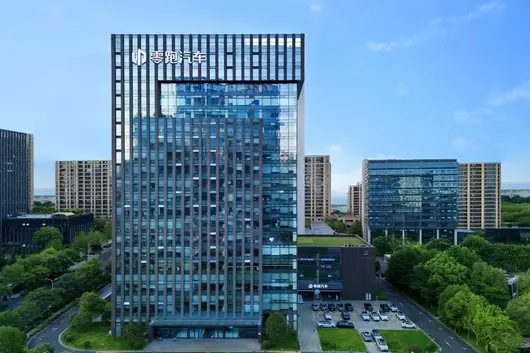

喺馬來西亞嘅 SUV 市場,好多買家喺揀車嘅時候都會用本田 HR-V 同豐田 Corolla Cross 嚟做比較。呢兩部車喺價錢同定位上都幾接近,今日我哋就由多方面嚟做一次詳細嘅比較,幫你節省咗做功課嘅時間。
本田 HR-V 喺馬來西亞嘅 OTR 售價係 RM 115,900 - 143,900,一共有 4 個版本,包括 2026 e:HEV 1.5L RS(RM 143,900)、2026 1.5T V(RM 137,900)、2026 1.5T E(RM 130,900) 等。
豐田 Corolla Cross 喺馬來西亞嘅 OTR 售價係 RM 133,800 - 148,800,一共有 3 個版本,包括 2026 HEV 1.8L GR Sport(RM 148,800)、2026 HEV 1.8L Standard(RM 140,800)、2026 1.8L Standard(RM 133,800) 等。
由價錢嚟睇,本田 HR-V 嘅起步價確實比豐田 Corolla Cross 平咗 RM 17,900。如果你預算有限,本田嘅入門版已經可以滿足日常需求。但都要注意,平啲嘅幾千塊,可能喺配備上會有取舍,具體要看你嘅需求。

本田 HR-V 嘅安全評級係 5★ (ASEAN NCAP),主動安全系統包括本田 SENSING (ACC, CMBS, LKAS, RDM)。
豐田 Corolla Cross 嘅安全評級係 5★ (ASEAN NCAP),主動安全系統包括 TSS (PCS, LDA, ACC, LTA)。
兩部車嘅安全評級一樣,喺呢個級別入面安全配備都算給得好齊全。而家嘅新車安全性都唔差,唔使太擔心這一點。

本田 HR-V 採用 FWD 驅動方式。
豐田 Corolla Cross 採用 FWD 驅動方式。
兩部車嘅驅動方式一樣,都係 FWD,日常駕駛感受唔會有太大區別。

本田 HR-V 同豐田 Corolla Cross 都係馬來西亞市場嘅主流選擇,適合家庭使用、日常通勤。如果你更睇重品牌口碑同二手價,可以優先考慮口碑更好嘅嗰一款;如果你更在意性價比同配備,就揀配備更豐富嘅嗰款。最終都係建議兩部都去試駕,親身體驗先係最重要。

總嘅嚟講,本田 HR-V 同豐田 Corolla Cross 都係馬來西亞市場好唔錯嘅車款。揀邊輛,關鍵都要睇你嘅個人需求同預算。建議大家做好功課,多比較幾間車行嘅報價,再去試駕做最終決定。買車係件大事,花啲時間做功課絕對唔會錯。


Di pasaran SUV Malaysia, banyak pembeli membandingkan Honda WR-V dan Hyundai Tucson ketika memilih kereta. Kedua-dua kereta ini berada pada tahap harga dan penjenamaan yang agak dekat, hari ini kami akan membuat perbandingan terperinci dari pelbagai aspek untuk membantu anda menjimatkan masa membuat kajian.
Harga OTR Honda WR-V di Malaysia adalah RM 89,900 - 107,900, terdapat 4 varian keseluruhan, termasuk 2023 1.5L V (RM 99,900), 2023 1.5L E (RM 95,900), 2023 1.5L S (RM 89,900) dan lain-lain.
Harga OTR Hyundai Tucson di Malaysia adalah RM 143,888 - 197,888, terdapat 5 varian keseluruhan, termasuk 2025 HEV 1.6T AT 2WD Prestige (RM 197,888), 2025 1.6T DCT 4WD Prestige (RM 186,888), 2025 1.6T DCT 2WD Prime (RM 164,888) dan lain-lain.
Dari segi harga, harga permulaan Honda WR-V memang lebih murah RM 53,988 berbanding Hyundai Tucson. Jika bajet anda terhad, versi asas Honda sudah boleh memenuhi keperluan harian. Tetapi perlu diingat, beribu ringgit yang lebih murah itu mungkin ada kompromi pada kelengkapan, bergantung kepada keperluan anda.
Penarafan keselamatan Honda WR-V ialah 5★ (ASEAN NCAP), sistem keselamatan aktif termasuk Honda SENSING.
Penarafan keselamatan Hyundai Tucson ialah 5★ (ASEAN NCAP), sistem keselamatan aktif termasuk SmartSense.
Penarafan keselamatan kedua-dua kereta ini sama, dalam kelas ini kelengkapan keselamatan dianggap cukup lengkap. Keselamatan kereta baharu sekarang tidak buruk, tidak perlu terlalu bimbang mengenai hal ini.
Panjang badan Honda WR-V 4400 mm, stor bagasi 400 L.
Panjang badan Hyundai Tucson 4400 mm, stor bagasi 400 L.
Saiz kedua-dua kereta ini hampir sama, ruang dalaman tidak banyak perbezaannya. Kereta kelas ini sudah cukup untuk penggunaan harian.
Jaminan Honda WR-V 5 tahun/jarak tiada had, selang penyelenggaraan setiap 10,000km atau 6 bulan.
Jaminan Hyundai Tucson 5 tahun/300,000km, selang penyelenggaraan setiap 10,000km atau 6 bulan.

Secara keseluruhan, Honda WR-V dan Hyundai Tucson kedua-duanya adalah model kereta yang sangat bagus di pasaran Malaysia. Memilih yang mana, teras utamanya bergantung kepada keperluan dan bajet peribadi anda. Kami mencadangkan anda membuat kajian, bandingkan lebih banyak sebut harga dari beberapa pengedar kereta, kemudian test drive untuk membuat keputusan akhir. Membeli kereta adalah perkara besar, mengambil masa untuk membuat kajian tidak akan salah.

Pameran Kereta Antarabangsa Chengdu, Balai 3, stan Changan Mazda penuh sesak. Peminat Mazda menantikan satu "Mazda dengan LiDAR", MAZDA EZ-60 edisi Laser rasmi dibuka pra-jualan.
Sebagai brand Mazda yang terkenal dengan gen pengendalian, di zaman pandu pintar masih mahu menjadi "Kereta Pemandu". Tidak bersaing untuk yang terhebat dalam pandu pintar, hanya bersaing untuk yang tepat, supaya kereta baik dimiliki ramai.

Di masa rakan seindustri bertanding "bilangan bandar NOA dibuka" dan "kadar alih tangan pandu pintar", tindakan Mazda kelihatan "berbeza", tapi sangat "Mazda".
Tidak bersaing untuk yang terhebat, hanya untuk yang tepat
"Sekarang seluruh industri bergelut parameter pandu pintar, kuasa kiraan, bilangan radar, hampir menjadi standard pasar China." Bertanya kepada "Qiche Pataban" ini, Jawapan Noritaka Fujihashi, Timbalan Presiden Pemasaran Changan Mazda dan Pengurus Jabatan Jualan, terus ke inti.

Noritaka Fujihashi menunjuk MX-5 di stan: "Ia merangkum intipati jenama Mazda: mengejar keseronokan memandu dan menaiki, keindahan reka bentuk, kualiti pengendalian, keselesaan penumpang, serta piawaian kualiti dan keselamatan antarabangsa yang seragam." Baginya, sama ada EZ-60 atau EZ-6, adalah model gabungan yang menyatukan DNA jenama ini. "Pengguna secara amnya mengiktiraf keselesaan memandu dan menaiki mereka, kualiti pengendalian dan prestasi keselamatan yang menjamin."
"Bagi Mazda, keseronokan pengendalian 'manusia dan kereta menjadi satu', keseronokan memandu dan menaiki, dan keselamatan, adalah asas yang tidak berubah." Fujihashi menegaskan, "Pandu pintar bukan menggantikan memandu, tetapi peningkatan dan penambahan kuasa di atas asas ini."
Di sebalik kenyataan ini, Changan Mazda memandang semula dengan tenang trend 'tumpuan kuasa, perbandingan radar, bergelut parameter' dalam industri. Fujihashi berpendapat: "Sama ada pandu pintar atau pandu manusia, keselamatan utama kereta adalah keselamatan. Setiap keputusan pandu pintar, akhirnya perlu dilaksanakan dengan selamat bergantung pada kualiti mekanikal yang cemerlang, pada kerangka yang baik, pada pengendalian yang baik, untuk melaksanakan dengan selamat. Pandu pintar yang baik bukan membiarkan pandu pintar memandu untuk anda, tetapi pandu pintar menjadikan anda memandu dengan lebih selamat."
Logik teras falsafah pandu pintar ini jelas dan terkawal: Tidak bersaing untuk "terhebat" parameter, hanya bersaing untuk "tepat" pengalaman pengguna.
Dua Pengalaman Tidak Diskaun
Apakah sasaran utama EZ-60 edisi Laser? Jawapan Fujihashi adalah "Dua Pengalaman Tidak Diskaun". "Apabila pengguna memandu sendiri, dapat merasakan keseronokan pengendalian sepadan kereta petrol, kereta bergerak mengikut kehendak; Dalam situasi perjalanan jauh di lebuh raya, kesesakan pengangkutan bandar, sistem pandu pintar laser pula memberikan bantuan yang boleh dipercayai, mengurangkan beban memandu."
Inilah perbezaan teras Mazda dengan jenama lain. "Ramai jenama fikiran pandu pintar, menjadikan kereta sebagai alat pengangkutan semata-mata, menjadikan pengguna dari 'Pemandu' kepada 'Penumpang'; tetapi fikiran Mazda ialah, sama ada memandu sendiri atau membuka bantuan pandu pintar, pengguna sentiasa dapat merasai kualiti memandu yang licin, terkawal."

Sejak dilancar pada September 2025, EZ-60 telah menjadi juara jualan SUV sederhana menengah EV Gabungan selama 7 bulan berturut-turut. Dalam reka bentuk, ciri khas 9 aliran aerodinamik menyatukan estetik "Kodo" dengan aerodinamik secara mendalam, telah memenangi 8 anugerah reka bentuk antarabangsa teratas seperti Jerman iF, Red Dot, Amerika IDA. Dalam pengendalian, melalui ujian jalan 9 negara dunia, 9 juta kilometer kumulatif, dihakimi pemilik sebagai "kereta elektrik yang paling seperti kereta petrol untuk dipandu".
Dalam keselamatan, 7 melintang 5 menegak badan sangkar, ditambah 86.5% aloi keluli tinggi, melalui cabaran ekstrem tiga kali berturut-turut industri untuk keseluruhan kenderaan perlanggaran, rol, tenggelam, memenangi pensijilan keselamatan puncak TOP Safety.
Kedatangan EZ-60 edisi Laser, adalah melengkapkan teka-teki pandu pintar bertaraf tinggi di atas asas kukuh ini.
LiDAR Memasuki Kereta Tetapi "Tidak Pamer Kemahiran"
EZ-60 edisi Laser menggunakan satu LiDAR sebagai tapak pengesanan teras, ditambah 11 kamera HD dan 12 radar ultrasonik, daripada tiga dimensi memandu, letak kereta, keselamatan aktif, mencapai peningkatan keupayaan semua skenari.

Dalam aspek bantuan memandu, kereta baharu mencapai liputan penuh panduan lebuh raya dan bandar. Panduan lebuh raya menyokong pertukaran lorong autonomi, mengelak halangan, masuk keluar simpang; Panduan bandar liputan skenari utama 0-80km/h, berkat arkitektur teknologi hujung-hujung, sistem lebih pantas bertindak balas, keputusan lebih berterusan. Skenari masuk jalan dikenal pasti pada tingkat milisaat, elak dengan lancar, jalan pembinaan dan kenderaan berhenti haram boleh mengelak S bentuk berterusan, lampu hijau persimpangan 0.8 saat permulaan pantas. Fungsi "Mengiringi Kenderaan" unik dalam kelas, memilih kenderaan sasaran boleh memandu mengikut stabil.
Skenari letak kereta juga ditingkatkan sepenuhnya, meliputi lebih daripada 300 jenis tempat letak kereta. Tambahan fungsi "Masuk Letak Setelah Tutup Pintu", tempat letak kereta sempit boleh keluar dan automatik melengkapkan letak kereta; Menyokong memori letak kereta.

Dalam aspek keselamatan aktif, EZ-60 edisi Laser dilengkapi 25 fungsi keselamatan aktif. Kenderaan berhenti hadapan paling tinggi 110km/h haluan berhenti, pejalan kaki menegak paling tinggi 90km/h haluan berhenti, pejalan kaki hantu, kenderaan lintang 50km/h haluan dalam boleh dilawati dengan berkesan. AEB dan AES brek dan elak satu badan, keadaan bahaya boleh mencetuskan brek dan pusingan elak serentak.
Dalam konfigurasi perkakasan, kereta baharu menyokong cip kabin kepimpinan standard kereta 3nm. Fujihashi menekankan satu butiran: "Pandu pintar keadaan visualisasi bersambung serta merta, interaksi lutsinar tidak rebut memandu, pengguna boleh terus mengambil alih pengendalian pada bila-bila masa." Sistem akan memberitahu anda terlebih dahulu ia mahu melakukan apa, tidak akan berebut stereng dengan anda.
Satu Penyesuaian "Mendengar Nasihat"
Pra-jualan kali ini, EZ-60 edisi Laser melancarkan "Deposit 10 Yuan, mengembang 100 Yuan setiap hari, sehingga tolak 3600 Yuan" hak pra-jualan.
Bercakap mengenai penyesuaian keupayaan faedah ini, Fujihashi mengakui: "Tahun lepas di Shanghai pra-jualan kami juga melancarkan aktiviti wang pengembang, pengguna maklum balas sangat baik, tetapi ada juga ramai pengguna menyatakan tempoh tunggu 6 bulan terlalu lama. Kali ini kami mengutip pengalaman lalu, hujung bulan 9 kereta baharu akan dilancarkan, tempoh pra-jualan lebih kurang 1 bulan, maka kami naikkan jumlah pengembang harian dari 10 Yuan ke 100 Yuan."
Dari 10 Yuan ke 100 Yuan, naik 10 kali ganda; Dari 6 bulan ke 1 bulan, tempoh memendek besar. Ini adalah penyesuaian berpraktikal berdasarkan maklum balas pengguna. "Membolehkan pengguna yang memesan awal benar-benar menikmati faedah." kata Fujihashi.

Sebagai titik sokongan strategik pengelektrikan global Mazda dan pusat eksport, Changan Mazda telah menjadi syarikat EV Gabungan pertama di dalam negara yang serentak memegang pengesihan keseluruhan kenderaan tiga pasaran Eropah, United Kingdom, Australia.
Fujihashi memperihalkan, EZ-6 dari tahun lalu mula eksport, terulung melanda pasar Eropah, tahun ini akan diperluaskan ke Australia, Thailand dan kawasan lain; EZ-60 kerja eksport juga sedang maju lancar, separuh tahun ini akan berturut-turut melanda Australia, Asia Tenggara serta pasar Eropah. Sekarang Mazda EZ-6 (versi luar negara Mazda 6e) telah eksport ke lebih 20 negara dan kawasan.
"Kedua-dua model ini dari awal penyelidikan adalah定位 kereta global, China adalah pasaran teras, serentak menjual di seluruh dunia." Fujihashi berkata, "Pabrik Changan Mazda Nanjing adalah tapak penyelidikan dan pembuatan model EV global Mazda."
Penutup:
Dalam bising pameran kereta Chengdu, stan Changan Mazda mempunyai sifat yang khas. Apabila hampir semua jenama sedang bertanding parameter, menimbun perkakasan, jenama seratus tahun ini memilih jalan "khas" — tidak bersaing "terhebat", hanya bersaing "tepat".
Ini bukan konservatif, tetapi kesedaran. Dalam temu bual dengan Noritaka Fujihashi, didengar bukan penolakan terhadap pandu pintar, tetapi pemikiran mendalam tentang "siapa pandu pintar melayani". Pandu pintar bukan menjadikan pemandu menjadi penumpang, tetapi menjadikan memandu lebih selamat, lebih mudah; Pandu pintar bukan menggantikan pengendalian, tetapi menambahkan kuasa pengendalian.
Ada kereta untuk lihat parameter, ada kereta untuk pengalaman. EZ-60 edisi Laser adalah milik yang kedua!
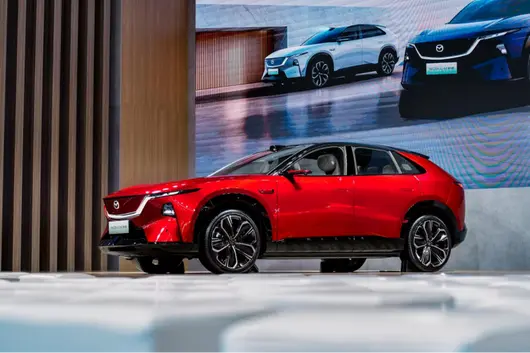

In the Malaysian SUV market, many buyers compare the Honda WR-V and Chery Tiggo Cross when choosing a car. These two models are quite close in price and positioning. Today, we will do a detailed comparison from multiple aspects to help you save time on research.
The Honda WR-V OTR price in Malaysia is RM 89,900 - 107,900, with 4 versions in total, including 2023 1.5L V (RM 99,900), 2023 1.5L E (RM 95,900), 2023 1.5L S (RM 89,900), etc.
The Chery Tiggo Cross OTR price in Malaysia is RM 88,750 - 99,750, with 2 versions in total, including 2025 HEV 1.5L CSH (RM 99,750), 2025 1.5T Standard (RM 88,750), etc.
From a price perspective, the Chery Tiggo Cross is cheaper by RM 1,150 at the starting price. To be honest, within this price range, the difference of a few thousand is not really significant. The key is to look at the overall value for money and long-term usage costs.
The Honda WR-V is equipped with a 1.5L 4-cyl, 105 hp. Official fuel consumption 6.0 L/100km.
The Chery Tiggo Cross is equipped with a 1.5L 4-cyl, 105 hp. Official fuel consumption 6.0 L/100km.
Both cars use the same powertrain, and the driving experience is basically the same. Fuel consumption is also similar, no need to worry too much about this point.
Honda WR-V body length 4400 mm, trunk 400 L.
Chery Tiggo Cross body length 4400 mm, trunk 400 L.
The dimensions of the two cars are almost the same, and the interior space difference is not significant. For cars of this class, daily use is fully sufficient.
Honda WR-V uses FWD drive mode.
Chery Tiggo Cross uses FWD drive mode.
The drive mode of both cars is the same, both are FWD, and the daily driving experience will not differ too much.

Overall, the Honda WR-V and Chery Tiggo Cross are both very good models in the Malaysian market. Which one to choose depends mainly on your personal needs and budget. We suggest doing your research, comparing quotes from several dealerships, and then test driving before making a final decision. Buying a car is a big matter, taking time to research will definitely not go wrong.

Dalam pasaran SUV di Malaysia, ramai pembeli akan membandingkan Honda WR-V dan Chery Tiggo 7 Pro ketika memilih kereta. Kedudukan dan harga kedua-dua kereta ini agak hampir, hari ini kita akan buat perbandingan terperinci dari pelbagai aspek untuk membantu anda menjimatkan masa membuat kajian.
Honda WR-V mempunyai harga OTR di Malaysia RM 89,900 - 107,900, ada 4 versi, termasuk 2023 1.5L V (RM 99,900), 2023 1.5L E (RM 95,900), 2023 1.5L S (RM 89,900) dan lain-lain.
Chery Tiggo 7 Pro mempunyai harga OTR di Malaysia RM 123,750 - 123,750, ada 2 versi, termasuk 1.6L Turbo Standard (RM 125,000), 1.6L Turbo Premium (RM 140,000) dan lain-lain.
Dari segi harga, harga permulaan Honda WR-V memang lebih murah RM 33,850 berbanding Chery Tiggo 7 Pro. Jika bajet anda terhad, versi asas Honda sudah cukup untuk keperluan harian. Tetapi mesti ingat, perbezaan harga beberapa ribu ini mungkin melibatkan kompromi pada peralatan, bergantung pada keperluan anda.
Honda WR-V dilengkapi enjin 1.5L 4-silinder, kuasa kuda 105 hp. Penggunaan bahan api rasmi 6.0 L/100km.
Chery Tiggo 7 Pro dilengkapi enjin 1.5L Turbo, kuasa kuda 140 hp. Penggunaan bahan api rasmi 7.0 L/100km.
Dari segi kuasa, 1.5L Turbo Chery Tiggo 7 Pro mempunyai 35 hp lebih banyak berbanding 1.5L 4-silinder Honda WR-V. Namun untuk memandu harian di bandar, kuasa kedua-dua kereta ini sudah cukup dan tidak rasa kurang tenaga.
Panjang badan Honda WR-V 4400 mm, bagasi 400 L.
Panjang badan Chery Tiggo 7 Pro 4400 mm, bagasi 400 L.
Saiz kedua-dua kereta ini hampir sama, perbezaan ruang dalaman tidak banyak. Kereta kelas ini sudah cukup untuk penggunaan harian.
Honda WR-V dan Chery Tiggo 7 Pro sama-sama pilihan utama di pasaran Malaysia, sesuai untuk kegunaan keluarga dan komuter harian. Jika anda lebih mengutamakan reputasi jenama dan nilai jualan semula, utamakan yang memiliki reputasi lebih baik; jika anda lebih mementingkan nilai harga dan kelengkapan, pilih yang memiliki kelengkapan lebih kaya. Akhir sekali disarankan untuk mencuba kedua-duanya, pengalaman langsung adalah yang paling penting.
Secara keseluruhan, Honda WR-V dan Chery Tiggo 7 Pro sama-sama model kereta yang sangat bagus di pasaran Malaysia. Pilihan bergantung kepada keperluan dan bajet peribadi. Disarankan membuat kajian terlebih dahulu, bandingkan banyak tawaran harga dealer, kemudian buat ujian jalan untuk keputusan akhir. Membeli kereta adalah perkara besar, meluangkan masa membuat kajian tidak akan salah.

In the Malaysian SUV market, many buyers compare the Honda WR-V and Mazda CX-5 when choosing a car. These two cars are quite close in price and positioning. Today, we will make a detailed comparison from multiple aspects to help you save time on research.
The Honda WR-V OTR price in Malaysia is RM 89,900 - 107,900, totaling 4 variants, including 2023 1.5L V (RM 99,900), 2023 1.5L E (RM 95,900), 2023 1.5L S (RM 89,900), etc.
The Mazda CX-5 OTR price in Malaysia is RM 135,469 - 166,760, totaling 3 variants, including 2025 2.0L AT 35th Anniversary (RM 316,154), 2025 2.0L AT (RM 296,154), 2025 2.0L MT (RM 294,154), etc.
From a price perspective, the Honda WR-V starting price is indeed RM 45,569 cheaper than the Mazda CX-5. If your budget is limited, the Honda entry-level version can already meet daily needs. However, also note that the few thousand difference might involve trade-offs in features, it depends on your specific needs.
The Honda WR-V safety rating is 5★ (ASEAN NCAP), active safety system includes Honda SENSING.
The Mazda CX-5 safety rating is 5★ (ASEAN NCAP), active safety system includes .
Both cars have the same safety rating. In this segment, safety features are quite comprehensive. New cars nowadays are not lacking in safety, so there is no need to worry too much about this.
The Honda WR-V adopts FWD drive type.
The Mazda CX-5 adopts FWD drive type.
Both cars have the same drive type, both are FWD, so there won't be a huge difference in daily driving experience.
Both the Honda WR-V and Mazda CX-5 are popular choices in the Malaysian market, suitable for family use and daily commuting. If you value brand reputation and resale value more, you can prioritize the one with a better reputation; if you care more about value for money and features, choose the one with richer configurations. Ultimately, it is recommended to test drive both models; personal experience is the most important.

Overall, both the Honda WR-V and Mazda CX-5 are very good models in the Malaysian market. Which one to choose mainly depends on your personal needs and budget. It is recommended to do your research, compare quotes from a few dealerships, and then test drive to make the final decision. Buying a car is a major matter, spending time on research will definitely not be wrong.
In the Malaysian SUV market, many buyers compare the Honda WR-V and Toyota Corolla Cross when choosing a car. Both models are quite close in price and positioning. Today we will do a detailed comparison from multiple aspects to save you time on research.
The Honda WR-V OTR price in Malaysia is RM 89,900 - 107,900, with a total of 4 versions, including 2023 1.5L V (RM 99,900), 2023 1.5L E (RM 95,900), 2023 1.5L S (RM 89,900), etc.
The Toyota Corolla Cross OTR price in Malaysia is RM 133,800 - 148,800, with a total of 3 versions, including 2026 HEV 1.8L GR Sport (RM 148,800), 2026 HEV 1.8L Standard (RM 140,800), 2026 1.8L Standard (RM 133,800), etc.
In terms of price, the starting price of the Honda WR-V is indeed RM 43,900 cheaper than the Toyota Corolla Cross. If your budget is limited, Honda's entry-level version can already meet daily needs. However, note that the few thousand ringgit cheaper might involve trade-offs in features, depending on your specific requirements.
The Honda WR-V is equipped with a 1.5L 4-cylinder engine, producing 105 hp. Official fuel consumption is 6.0 L/100km.
The Toyota Corolla Cross is equipped with a 1.5L Turbo engine, producing 140 hp. Official fuel consumption is 7.0 L/100km.
In terms of performance, the Toyota Corolla Cross's 1.5L Turbo has 35 more horsepower than the Honda WR-V's 1.5L 4-cylinder. However, for daily city driving, both cars have sufficient power and won't feel underpowered.
The Honda WR-V's safety rating is 5★ (ASEAN NCAP), with active safety systems including Honda SENSING.
The Toyota Corolla Cross's safety rating is 5★ (ASEAN NCAP), with active safety systems including TSS (PCS, LDA, ACC, LTA).
Both cars have the same safety rating, and safety features are quite comprehensive for this class. New cars nowadays generally have good safety, so there is no need to worry too much about this.
The Honda WR-V comes with a 5-year/unlimited mileage warranty, maintenance interval every 10,000km or 6 months.
The Toyota Corolla Cross comes with a 5-year/unlimited mileage warranty, maintenance interval every 10,000km or 6 months.
Both cars have the same warranty conditions, so no need to worry about this aspect. Actual maintenance costs depend on the brand's service network and parts prices. It is recommended to ask real owners in car groups for their experience.
Overall, both the Honda WR-V and Toyota Corolla Cross are excellent models in the Malaysian market. Which one to choose ultimately depends on your personal needs and budget. We recommend doing your research, comparing quotes from several dealerships, and then test-driving to make a final decision. Buying a car is a major decision; spending time on research will never be wrong.

Dalam pasaran SUV di Malaysia, ramai pembeli akan membandingkan Honda WR-V dan Toyota Corolla Cross semasa memilih kereta. Kedua-dua kereta ini berada pada segmen dan harga yang agak hampir, hari ini kami akan membuat perbandingan terperinci dari pelbagai aspek untuk membantu anda menjimatkan masa penyelidikan.
Harga OTR Honda WR-V di Malaysia ialah RM 89,900 - 107,900, terdapat 4 versi, termasuk 2023 1.5L V (RM 99,900), 2023 1.5L E (RM 95,900), 2023 1.5L S (RM 89,900) dan lain-lain.
Harga OTR Toyota Corolla Cross di Malaysia ialah RM 133,800 - 148,800, terdapat 3 versi, termasuk 2026 HEV 1.8L GR Sport (RM 148,800), 2026 HEV 1.8L Standard (RM 140,800), 2026 1.8L Standard (RM 133,800) dan lain-lain.
Dari segi harga, harga permulaan Honda WR-V memang RM 43,900 lebih murah berbanding Toyota Corolla Cross. Jika bajet anda terhad, versi masuk Honda sudah dapat memenuhi keperluan harian. Tapi juga perlu diingat, berapapun perbezaan harga kecil itu, mungkin ada kompromi pada kelengkapan, bergantung pada keperluan anda.
Penarafan keselamatan Honda WR-V ialah 5★ (ASEAN NCAP), sistem keselamatan aktif termasuk Honda SENSING.
Penarafan keselamatan Toyota Corolla Cross ialah 5★ (ASEAN NCAP), sistem keselamatan aktif termasuk TSS (PCS, LDA, ACC, LTA).
Penarafan keselamatan kedua-dua kereta adalah sama, pada peringkat ini kelengkapan keselamatan dianggap cukup lengkap. Keselamatan kereta baru masa ini tidak buruk, tidak perlu terlalu risau tentang perkara ini.
Panjang badan Honda WR-V adalah 4400 mm, ruang muatan 400 L.
Panjang badan Toyota Corolla Cross adalah 4400 mm, ruang muatan 400 L.
Saiz kedua-dua kereta hampir sama, perbezaan ruang dalaman tidak besar. Kereta pada peringkat ini, ruang sudah cukup untuk penggunaan harian.
Jaminan Honda WR-V 5 tahun/milej tanpa had, selang penyelenggaraan setiap 10,000 km atau 6 bulan.
Jaminan Toyota Corolla Cross 5 tahun/milej tanpa had, selang penyelenggaraan setiap 10,000 km atau 6 bulan.
Syarat jaminan kedua-dua kereta adalah sama, tidak perlu bimbang mengenai hal ini. Kos penyelenggaraan sebenar bergantung pada rangkaian perkhidmatan jenama dan harga spare part, disyarankan bertanya pengalaman pemilik sebenar dalam komuniti pemilik kereta.
Secara keseluruhan, Honda WR-V dan Toyota Corolla Cross adalah model kereta yang sangat baik di pasaran Malaysia. Pilihan mana satu, perkara utama tetap bergantung pada keperluan dan bajet peribadi anda. Kami sarankan anda menyiapkan penyelidikan terlebih dahulu, bandingkan beberapa sebutan harga kedai kereta, kemudian buat uji bawa untuk buat keputusan akhir. Membeli kereta adalah perkara besar, meluangkan masa membuat penyelidikan tidak akan salah.

Di pasaran SUV Malaysia, ramai pembeli membandingkan Honda WR-V dan Toyota Corolla Cross ketika memilih kereta. Kedua-dua kereta ini agak hampir dari segi harga dan kedudukan pasaran, hari ini kita akan buat perbandingan terperinci dari pelbagai aspek untuk membantu anda menjimatkan masa membuat kajian.
Harga OTR Honda WR-V di Malaysia adalah RM 89,900 - 107,900, terdapat 4 varian, termasuk 2023 1.5L V (RM 99,900), 2023 1.5L E (RM 95,900), 2023 1.5L S (RM 89,900) dan lain-lain.
Harga OTR Toyota Corolla Cross di Malaysia adalah RM 133,800 - 148,800, terdapat 3 varian, termasuk 2026 HEV 1.8L GR Sport (RM 148,800), 2026 HEV 1.8L Standard (RM 140,800), 2026 1.8L Standard (RM 133,800) dan lain-lain.
Dari segi harga, harga permulaan Honda WR-V memang lebih murah RM 43,900 berbanding Toyota Corolla Cross. Jika bajet anda terhad, versi permulaan Honda sudah cukup untuk memenuhi keperluan harian. Tetapi perlu diingat, beribu ringgit yang lebih murah itu mungkin ada kompromi pada kelengkapan, bergantung pada keperluan anda.
Penarafan keselamatan Honda WR-V ialah 5★ (ASEAN NCAP), sistem keselamatan aktif termasuk Honda SENSING.
Penarafan keselamatan Toyota Corolla Cross ialah 5★ (ASEAN NCAP), sistem keselamatan aktif termasuk TSS (PCS, LDA, ACC, LTA).
Kedua-dua kereta mempunyai penarafan keselamatan yang sama, pada tahap ini peralatan keselamatan dianggap cukup lengkap. Keselamatan kereta baharu sekarang tidak buruk, tidak perlu terlalu risau tentang perkara ini.
Honda WR-V menggunakan cara pemacu FWD.
Toyota Corolla Cross menggunakan cara pemacu FWD.
Cara pemacu kedua-dua kereta adalah sama, iaitu FWD, pengalaman memandu harian tidak akan banyak beza.
Honda WR-V dan Toyota Corolla Cross adalah pilihan utama pasaran Malaysia, sesuai untuk kegunaan keluarga, perjalanan harian. Jika anda lebih menekankan reputasi jenama dan harga jualan semula, boleh prioritaskan model yang reputasinya lebih baik; jika anda lebih mementingkan nilai dan kelengkapan, pilih model yang lebih lengkap konfigurasinya. Akhir sekali, disarankan untuk mencuba kedua-dua model ini, pengalaman sendiri adalah yang paling penting.
Secara keseluruhannya, Honda WR-V dan Toyota Corolla Cross adalah model yang agak bagus di pasaran Malaysia. Memilih mana satu, bergantung pada keperluan dan bajet peribadi anda. Disarankan untuk membuat penyelidikan, bandingkan sebutan harga dari beberapa dealer, kemudian buat keputusan akhir setelah ujian memandu. Membeli kereta adalah perkara besar, meluangkan masa untuk penyelidikan tidak akan salah.

8 月 18 日,浦林成山(01809.HK)發布 2026 年中期業績報告。這份「半年考」成績單顯示,上半年集團實現營業收入約 57.9 億元人民幣,按年增長 1.4%;應佔公司擁有人之溢利約 4.14 億元。報告期內,公司呈現出國內市場穩健增長、海外渠道承壓的分化態勢。

國內營業額雙位數增長,配套表現出色
在國內市場,浦林成山表現強勁。數據顯示,上半年國內經銷商渠道營業收入約為 12.02 億元,同比增加 18.1%。更為顯著的是,直接向汽車製造商銷售(原始裝備)的收入約為 9.96 億元,同比大幅增加 25.8%。
管理層分析指出,這一增長主要得益於中國商用車市場的逆市增長,有效帶動了全鋼子午線輪胎的需求。全鋼胎銷量達 430 萬條,按年增長 9.0%,收入同比增長 5.1%,成為支撐國內營業額的重要力量。

海外渠道收入下滑,半鋼胎面臨挑戰
與國內市場的熱絡相比,浦林成山的國際經銷商渠道面臨一定挑戰。上半年,該渠道營業收入約為 35.87 億元,按年減少 7.9%。
具體到產品板塊,半鋼子午線輪胎承受了較大的市場壓力。儘管銷量實現 2.7% 的微增,達到 1030 萬條,但受匯率折算及平均售價下降 6.9% 的拖累,其收入同比減少了 4.4%。相比之下,特種輪胎表現優異,斜交及 OTR 輪胎收入同比大增 30.8%,主要得益於產能釋放及平均售價 36.7% 的顯著提升。

雙基地平穩運行,溢利短期承壓
產能佈局方面,山東與泰國「雙基地」戰略運行平穩,收入佔比分別為 63.0% 和 37.0%。盈利指標方面,集團上半年毛利約 9.75 億元,按年增長 2.9%;EBITDA 約 7.47 億元,利潤率為 12.9%。不過,受行業環境影響,股東應佔溢利按年減少 18.5%。
展望未來,浦林成山表示將持續加大研發投入,圍繞綠色低碳和高性能產品進行技術創新,以應對全球市場的差異化需求。
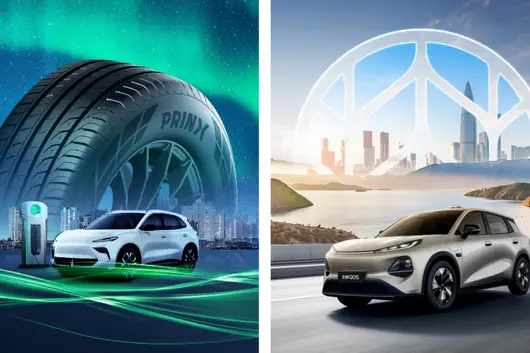

喺馬來西亞嘅 SUV 市場,好多買家喺揀車嘅時候都會拿 寶騰 X90 同 福斯 Tiguan 嚟比下。呢兩款車喺價位同定位上都幾接近,今日我哋就從多個方面做個詳細對比,幫你省下做功課嘅時間。
寶騰 X90 喺馬來西亞嘅 OTR 售價係 RM 106,800 - 122,800,一共有 4 個版本,包括 2026 1.5T Prime X(RM 122,800)、2026 1.5T Prime(RM 116,800)、2026 1.5T Lite(RM 106,800) 等。
福斯 Tiguan 喺馬來西亞嘅 OTR 售價係 RM 206,540 - 260,024,一共有 2 個版本,包括 2025 Allspace 2.0T R-Line(RM 260,024)、2025 Allspace 1.4T Elegance(RM 206,540) 等。
從價錢來看,寶騰 X90 嘅起步價確實比 福斯 Tiguan 便宜咗 RM 99,740。如果你預算有限,寶騰嘅入門版已經可以滿足日常需要。但都要留意,便宜嗰幾千蚊,可能喺配備上會有取舍,具體睇你嘅需要。

寶騰 X90 車身長 4400 mm,車尾箱 400 L。
福斯 Tiguan 車身長 4400 mm,車尾箱 400 L。
兩款車嘅尺寸幾乎一樣,車廂空間差別唔大。呢個級別嘅車,日常使用完全夠用。
寶騰 X90 採用 FWD 驅動方式。
福斯 Tiguan 採用 FWD 驅動方式。
兩款車嘅驅動方式一樣,都係 FWD,日常駕駛感受唔會有太大分別。
寶騰 X90 同 福斯 Tiguan 都係馬來西亞市場嘅主流選擇,適合家庭使用、日常通勤。如果你更睇重品牌口碑同二手價,可以優先考慮口碑更好嗰一款;如果你更在意性價比同配備,嗰就選配置更豐富嗰款。最終都係建議兩款都去試駕,親身體驗先係最重要嘅。

總嘅嚟講,寶騰 X90 同 福斯 Tiguan 都係馬來西亞市場好唔錯嘅車款。揀邊一輛,關鍵都要睇你嘅個人需要同預算。建議大家做好功課,多比較幾間車行嘅報價,再去試駕做最終決定。買車係件大事,花少少時間做功課絕對唔會錯。


喺馬來西亞嘅 SUV 市場,好多買家喺揀車嗰陣都會拎 Proton X90 同 Volkswagen Tiguan 嚟比較。呢兩部車喺價位同定位上都好接近,今日我哋就從多個方面做一個詳細嘅比較,幫你省下做功課嘅時間。
Proton X90 喺馬來西亞嘅 OTR 售價係 RM 106,800 - 122,800,總共有 4 個版本,包括 2026 1.5T Prime X(RM 122,800)、2026 1.5T Prime(RM 116,800)、2026 1.5T Lite(RM 106,800) 等。
Volkswagen Tiguan 喺馬來西亞嘅 OTR 售價係 RM 206,540 - 260,024,總共有 2 個版本,包括 2025 Allspace 2.0T R-Line(RM 260,024)、2025 Allspace 1.4T Elegance(RM 206,540) 等。
由價錢睇,Proton X90 嘅起步價確實比 Volkswagen Tiguan 平咗 RM 99,740。如果你預算有限,Proton 嘅入門版已經可以滿足日常需要。但都要注意,平嗰幾千蚊,可能喺配備上會有取捨,具體就要睇你嘅需要。
Proton X90 搭載 1.5L Turbo,馬力 140 hp。官方油耗 7.0 L/100km。
Volkswagen Tiguan 搭載 2.0L 4-cyl,馬力 170 hp。官方油耗 8.0 L/100km。
動力方面,Volkswagen Tiguan 嘅 2.0L 4-cyl 比 Proton X90 嘅 1.5L Turbo 多咗 30 匹馬力。不過日常喺市區開,兩部車嘅動力都夠用,唔會覺得唔夠力。
Proton X90 車身長 4400 mm,後備廂 400 L。
Volkswagen Tiguan 車身長 4400 mm,後備廂 400 L。
兩部車嘅尺寸幾乎一樣,車內空間差別唔大。呢個級別嘅車,日常使用完全夠用。
Proton X90 採用 FWD 驅動方式。
Volkswagen Tiguan 採用 FWD 驅動方式。
兩部車嘅驅動方式一樣,都係 FWD,日常駕駛感覺唔會有太大分別。
總體嚟講,Proton X90 同 Volkswagen Tiguan 都係馬來西亞市場好唔錯嘅車型。揀邊一部,關鍵始終睇你個人需求同預算。建議大家做好功課,多比較幾間車行嘅報價,再去試駕做最終決定。買車係件大事,花少少時間做功課絕對唔會錯。

Import kereta elektrik dengan harga dalam lingkungan RM200,000 (kira-kira 75.15 juta Won Korea) dan kuasa maksimum di bawah 241 hp dilarang dijual; dasar ini bertujuan menggalakkan pengilang kereta membina kilang tempatan!

Pihak berkuasa Malaysia mula memperketatkan kawalan import syarikat EV China yang dipacu oleh BYD.
Jualan kereta baharu di Malaysia pada tahun 2025 mencecah 820,752 unit, mencatat rekod tertinggi sepanjang sejarah. Sebelumnya, Indonesia kekal menjadi juara jualan kereta di Asia Tenggara; sebelum pandemik COVID-19, jualan kereta baharu tahunan Indonesia stabil melepasi 1 juta unit.

Walau bagaimanapun, dipengaruhi oleh keadaan ekonomi domestik, jualan kereta di Indonesia pada tahun 2025 turun 7.2% daripada 856,000 unit pada 2024, merosot kepada 803,000 unit. Sebaliknya, jualan Malaysia meningkat sedikit sebanyak 0.5% secara tahunan, menduduki tempat pertama pasaran kereta Asia Tenggara.
Pihak berkuasa Malaysia menetapkan dua ambang kemasukan import EV: Pertama, kuasa maksimum kenderaan mesti mencecah lebih daripada 241 hp; Kedua, harga jual mesti melebihi RM200,000. Secara mudahnya, semua EV bukan mewah eksklusif dilarang import dan dijual.
Brand seperti BYD yang menyasarkan EV kecil murah untuk merampas pasaran, dan Zeekr (Zeekr) dengan model utama sedan sederhana, akan mengalami impak langsung.
BYD kini mempunyai 7 model di Malaysia, dari model asas Dolphin, Yuan PLUS (Atto 3) hingga model premium Singa Laut 7 (Sealion 7), harga permulaan semua model adalah di bawah RM200,000. Model utama Zeekr, iaitu Zeekr 7X, harga permulaannya juga kurang daripada RM200,000, tidak memenuhi standard jualan import.

Zeekr 7X
Pembatasan Malaysia terhadap import EV China adalah untuk melindungi pengilang kereta tempatan, di sisi lain juga untuk mendesak syarikat EV China berpelaburan dan membina kilang di sana. Berdasarkan statistik Kementerian Pengangkutan Malaysia, EV China telah menguasai kira-kira 60% bahagian pasaran EV negara tersebut.
Malaysia juga menetapkan syarat sekatan pengeluaran EV tempatan, melindungi pasaran tempatan secara dwi: Harga minimum EV pengeluaran tempatan adalah RM100,000, dan bahagian jualan domestik tidak melebihi 20%, sekurang-kurangnya 80% pengeluaran mesti untuk eksport, jika tidak tidak dibenarkan memulakan pengeluaran. Selain itu, dasar memaksa tiga proses utama iaitu las, cat, dan pemasangan lengkap mesti disiapkan di dalam Malaysia, untuk menghalang EV China yang masuk banyak ke pasaran tempatan.
Selepas pasaran Eropah, Malaysia kuasa ekonomi Asia Tenggara juga membina halangan perdagangan terhadap syarikat kereta China, syarikat EV China terpaksa menyesuaikan strategi jualan luar negara. Diketahui dasar sekatan Malaysia sudah menunjukkan hasil, beberapa syarikat kereta China seperti XPeng, MG, Wuling telah merancang berkerjasama dengan rakan tempatan, melancarkan projek pengeluaran kenderaan penuh di Malaysia.
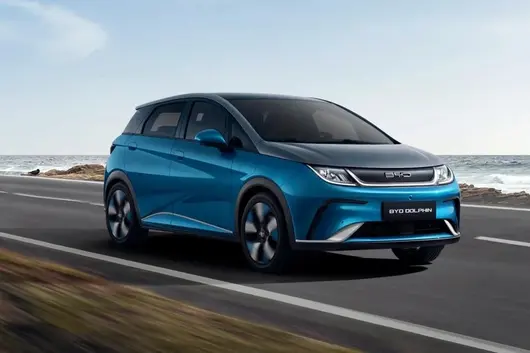


The narrative of "cool domestically and hot internationally" has become the main theme of China's automotive market.
According to the latest data from CPCA, July domestic passenger car retail sales reached 1.461 million units, a 20.9% year-over-year decline. Year-to-date cumulative retail sales stand at 10.173 million units, down 20.3% from last year.
Meanwhile, July passenger car exports hit 918,000 units, surging 87.8% year-over-year, with the proportion of export volume to total manufacturer sales climbing to 41% (37% last month, 21% in the same period of 2025).

Regarding the "cool domestic market," CPCA analysis suggests this is due to the resonance of multiple factors, including oil price rebounds, weakening macroeconomics, seasonal slumps, prior demand exhaustion, and policy shifts.
Conversely, the contraction of domestic demand has accelerated the pace of Chinese car companies "going global"—since the domestic market is overcrowded, they go overseas to find blue oceans.
On this rising export curve, BYD's performance has been the most striking.
Data released by BYD shows that overseas sales reached 179,800 units in July, a 124.3% year-over-year increase. Even according to CPCA's statistical standards, BYD's 174,000 unit NEV export sales in July exceeded the combined total of the second-ranked (Chery, 83,000 units) and third-ranked (Tesla, 66,000 units) exporters, establishing a fractured leading advantage.

More importantly, BYD's export proportion of total sales in July rose to 43.1%. It is worth noting that just two years ago in 2024, this proportion was only a little over 10%.
This means BYD is no longer a Chinese brand simply relying on the domestic market, but a truly global car company. This has prompted the outside world to re-examine the strategic vision previously proposed by Wang Chuanfu of "achieving the largest scale globally in five years."
If BYD wants to "achieve the #1 global scale," it will face Toyota, this "giant."
Toyota's strength lies in its global production and sales network and extreme cost control in the fuel vehicle era. What BYD currently demonstrates is the ability to reconstruct the global market on the new energy track.
CPCA data shows that July NEV passenger car exports reached 540,000 units, up 147.8% year-over-year, accounting for 58.8% of total exports, an increase of 14 percentage points compared to the same period last year.
According to CPCA Secretary-General Cui Dongshu's statistics, from January to June 2026, China's NEV passenger car world share reached 62%, and the share in the plug-in hybrid field was as high as 71%.

The share of Chinese NEVs worldwide is rising rapidly. As the global NEV sales champion, BYD is actually standing at the forefront of the global output of China's supply chain.
Data shows that in the first half of 2026, Toyota's global sales were 5.0089 million units, ranking first globally for seven consecutive years; BYD's first-half global sales were 1.8085 million units, ranking sixth. The difference between the two was 3.62 million units, but the speed of narrowing the gap is accelerating—the gap was 13.4 times in 2021, narrowed to 2.7 times in 2023, and by the first half of 2026, the gap between the two is less than 1.7 times.
It took BYD less than two years to increase the export proportion from 10% to 40%. If the overseas market can maintain this growth rate, and Toyota continues to struggle in the quagmire of electrification transformation, then "surpassing" will no longer be a "whether possible" question, but a "when it happens" question.
But sales figures are just the most superficial things. What is truly worth thinking about is, what does BYD rely on to fill this gap of over 3 million units?
Toyota's foundation is a global fuel vehicle system that has been operating for decades; from supply chain to channels to brand perception, it is all stacked up by time.
BYD's opportunity lies in the fact that the technical logic and cost structure of NEVs are completely different from fuel vehicles. It does not need to fight position warfare in Toyota's home field, but uses a new product logic to find its entry point in every regional market.
BYD's overseas strategy can be summarized as "precise entry" and "deep localization." This strategy shows highly flexible adaptability in different regional markets. A highly representative case is the launch of BYD's K-Car in the Japanese market.

On July 28, BYD's pure electric K-Car "Sea Otter Racco," built specifically for the Japanese market, was launched. As of August 9, in less than two weeks, orders broke 1,000 units, with 80% coming from the top-spec version. For any car company wanting to penetrate the Japanese market, this is a capital worth "boasting" about.
It is worth noting that the Japanese market has long been a solid fortress of the global auto industry, with local brands holding absolute dominance. Even "giants" like Volkswagen and Hyundai find it difficult to open the Japanese market. Especially the K-Car market, which has an annual retail volume exceeding 1.6 million units and is known as the totem of Japanese auto culture, has been monopolized for over thirty years by three local giants: Suzuki, Daihatsu, and Honda.
More importantly, due to the adoption of Chinese self-developed parts, the Sea Otter can only receive a subsidy of 150,000 yen in Japan, while local competitors like Nissan Sakura can receive 580,000 yen. Under the subsidy disadvantage of three times that of competitors, orders still exceeded expectations. This directly shows that BYD has already possessed the strength to directly confront Japanese car companies in manufacturing processes and cost control.

An earlier example is BYD's Shark Pickup launched for the Americas, Australia, and other markets. It accurately hit the pain point of combining commercial and home use in the local market, becoming one of the best-selling Chinese brand models. CPCA data shows that BYD Shark Pickup overseas market monthly average sales are about 3,000 units, with sales in some months even exceeding 4,500 units.
Data released by BYD shows that under the boost of the Shark Pickup and subsequent imported Seagull and other NEV models, Brazil has become BYD's largest overseas market, with cumulative export volume reaching 194,700 units in the first half. Meanwhile, just on July 16, the 100,000th car of BYD Brazil factory officially rolled off the production line.
From Japan's exquisite K-Car to America's tough Pickup, BYD is no longer exporting "global products," but providing "regional customization." This transformation allows it to quickly fill the market void left by traditional brands.
Orient Securities forecasts that BYD's 2026 full-year sales will exceed 5 million units, with overseas sales between 1.8 million and 1.9 million units, a year-over-year growth of 75%.
Morgan Stanley predicts that BYD overseas sales will reach 1.6 million to 1.8 million units, with a year-over-year growth of 68% to 89%. It estimates that the company's passenger car share in markets like Brazil, Thailand, and Australia has exceeded 5%, and NEV sales share in multiple regions exceeds 20%.
Under the dual drive of "involution" and "going overseas," Chinese car companies represented by BYD are gradually transforming "surpassing Toyota" from a vision into reality through differentiated product strategies and deep localization layout. Whether it is the K-Car in the Japanese market or the Shark Pickup in the Americas, it proves that China's automotive industry has the ability to compete in the global diverse market.
In the future, with more companies like BYD digging deep in the overseas market, China's automotive industry's global share is expected to further increase, and the industry trend of "East Rising, West Declining" will be irreversible.
© 2024 Bitauto.com. All Rights Reserved.
Bitauto (www.yiche.com and www.bitauto.com) is one of the most visited automotive websites in China. We provide detailed info on Chinese car brands available in your area. Please note that the information provided on this website is based on publicly available data and is for reference only. It may not be fully updated or accurate at all times.

Help us improve our website


