On 4 August, Investment, Trade and Industry Minister Johari Abdul Ghani raised a crucial point during a question-and-answer session in the Dewan Negara that deserves the attention of EV sellers and prospective buyers in Malaysia.
The government is studying a new mechanism to impose a levy on every EV sold in Malaysia, channeling the funds into a dedicated pool to build public charging stations.
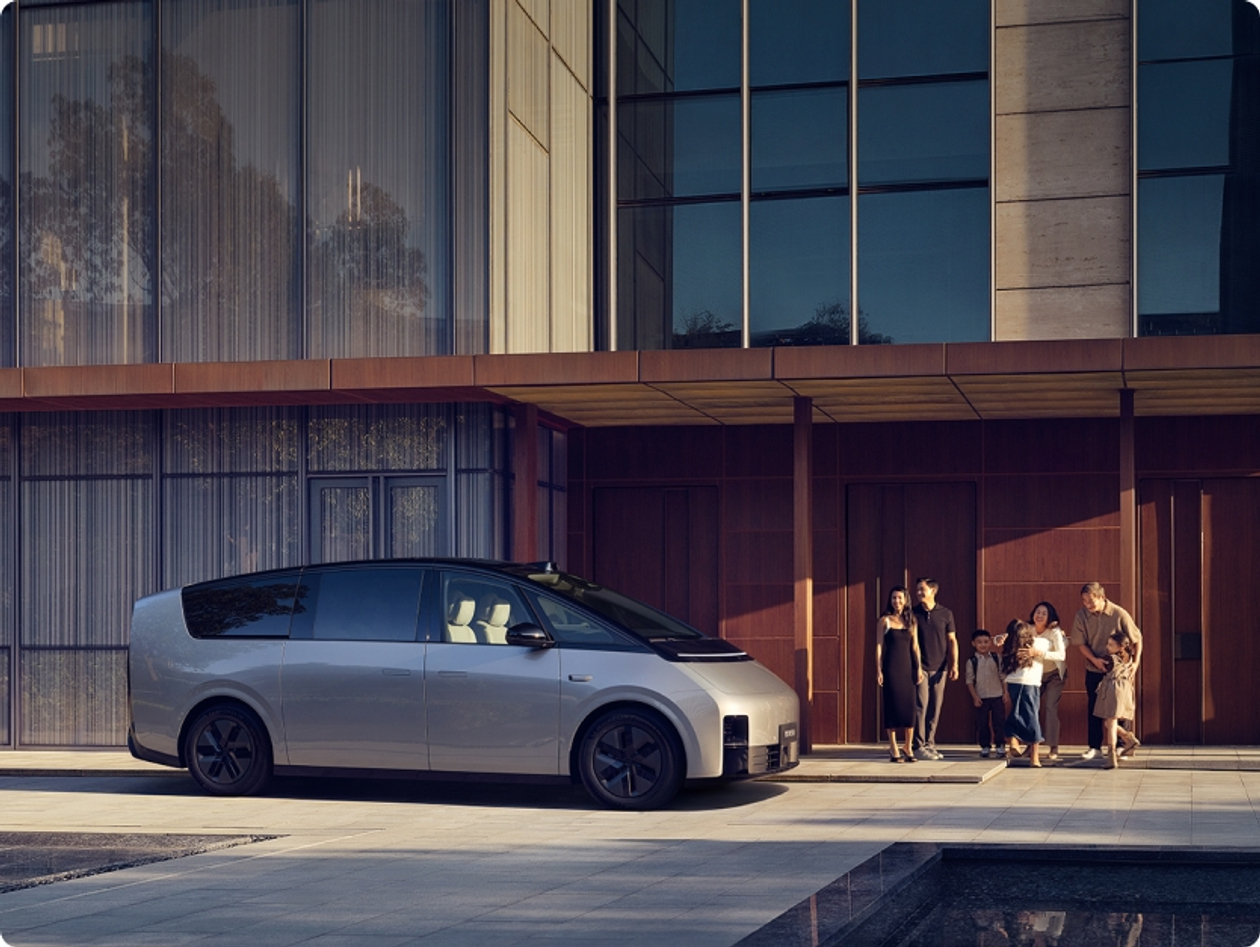
Johari was quoted as saying: “We might need to introduce a mechanism where a fee is collected for every EV sold and put into a fund to build public charging points”. He said something similar when answering another question: “We cannot rely solely on car manufacturers or distributors to make these investments”.
Johari gave a very direct reason.
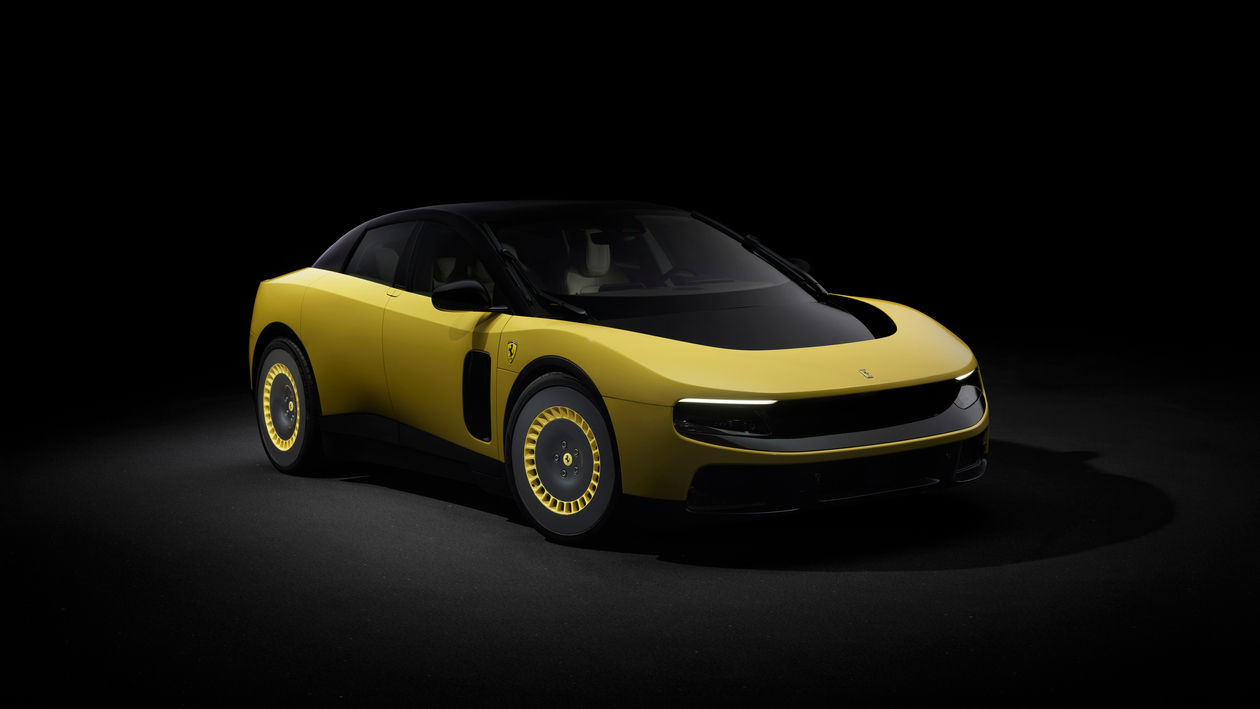
For four years, from 2022 to 2025, the government provided full import duty, excise duty, and sales tax exemptions for completely built-up (CBU) EVs to stimulate market growth and attract investments.
This yielded results, with Malaysia's EV market growing from virtually zero to over 40,000 units by 2025. However, this came at a significant cost. Johari revealed that the government forewent RM3,300,000,000 in tax revenue over those four years.
The crux of the matter is that despite the forgone revenue, the planned charging infrastructure has not caught up.
As of 31 May 2026, Malaysia has installed 6,416 public EV charging points nationwide, comprising 2,143 DC fast chargers and 4,273 AC chargers. This is still far from the government's target of 30,000 public charging points by 2030.
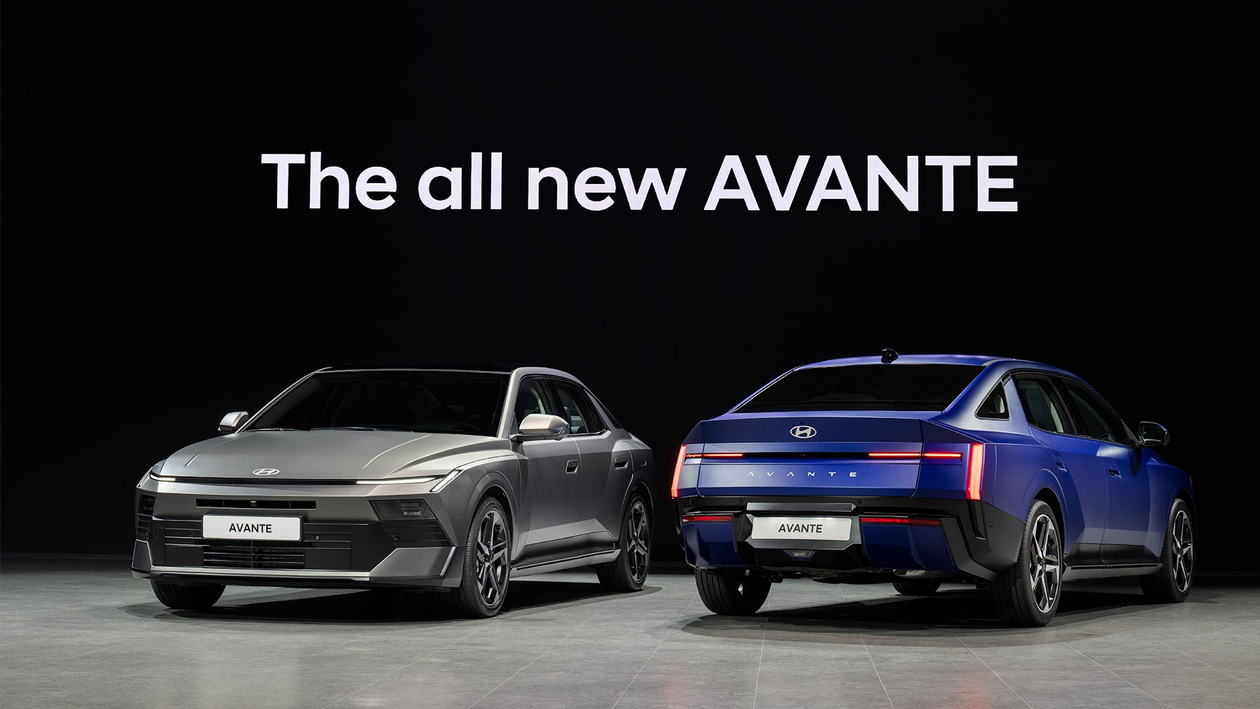
Speaking in Parliament, Johari was blunt: “We gave them tax exemptions because they had the capacity to build charging points. But today, we have only slightly over 1,000.”. The minister's mention of "slightly over 1,000" likely refers to DC fast chargers. Regardless of the metric, EV charging density remains a far cry from that of conventional petrol stations.
Johari added: “Four years have passed, and when we look for public charging points, the operators have not invested in them”. The government offered tax incentives hoping carmakers and distributors would fund the charging infrastructure, but the outcome fell short of expectations.
Since the tax exemptions did not yield the expected investment in charging facilities, the government decided not to extend the tax exemption policy for CBU EVs.
However, there is an exception: locally assembled (CKD) EVs will continue to enjoy import duty, excise duty, and sales tax exemptions until 31 December 2027.
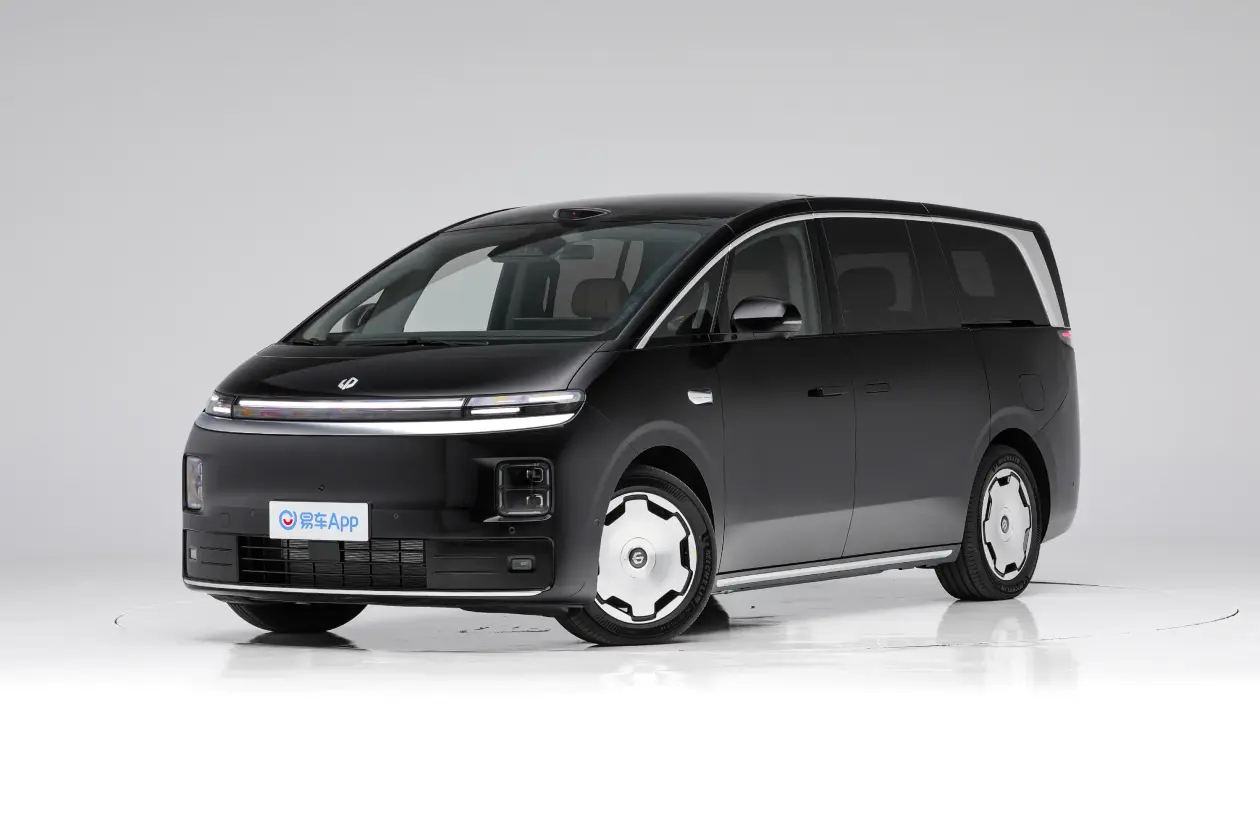
Johari reiterated this in his replies, stating that the government will continue supporting local EV assembly by maintaining import duty, excise duty, and sales tax exemptions for CKD models.
The policy direction is clear: fully imported (CBU) EVs will lose their tax-free status, but tax exemptions remain for those assembled locally.
Should this levy go live, new EV buyers will bear the brunt as the cost will likely be passed down, raising the final purchase price.
For now, Johari has not detailed the levy amount or the collection mechanism, as it is still in the study phase. However, buyers of CKD EVs are unlikely to be spared, given Johari's reference to "every EV sold". Whether CBU or CKD, any EV sold in the Malaysian market will likely be subject to the levy.
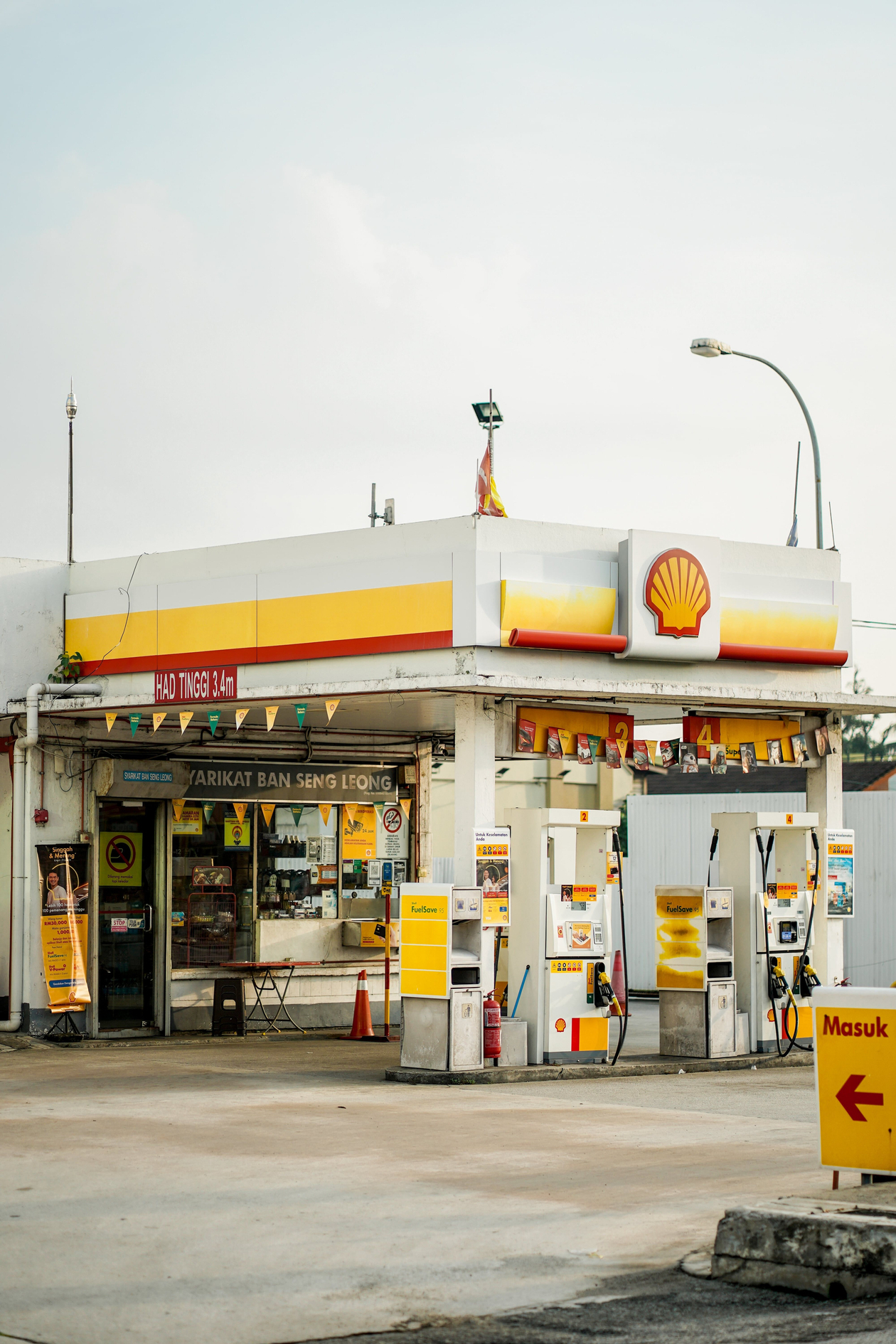
Does the government's push for CKD assembly contradict this blanket EV levy?
From a consumer's standpoint, it feels contradictory——being urged to buy a locally assembled CKD EV, only to be slapped with an extra fee. From the government's perspective, however, the logic is distinct: the CKD tax exemption is an industrial policy, while the EV levy is a dedicated infrastructure funding mechanism. The former aims to attract manufacturers to set up local factories, build local supply chains, and create jobs, while the latter addresses the lack of chargers. Since the levy applies to all EV buyers, it does not specifically target CKD models.
Both initiatives serve different purposes and utilize different policy tools.
In the parliamentary Q&A session on 4 August, Johari also made another noteworthy statement.
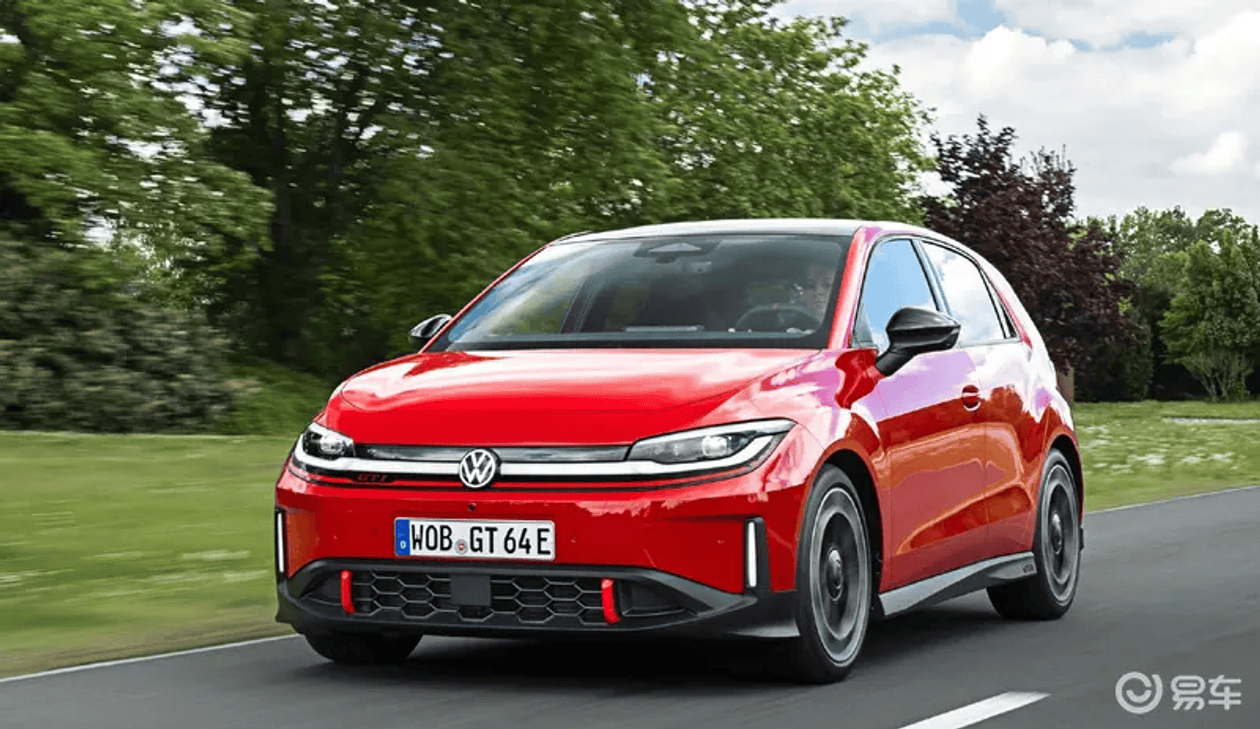
When asked by a senator how the government ensures EV investments benefit local vendors, encourage the use of local components, and facilitate technology transfer, Johari was clear: incentives will only be granted to companies that genuinely contribute to the local automotive ecosystem.
He stressed: “If they just bring in all components from abroad, assemble and sell them in our country, yet hope to obtain incentives, we will not do so, because this will affect the automotive industry ecosystem we have built over the past 30 to 40 years”.
He pointed to national carmakers Proton and Perodua, which have established a network of around 733 Tier 1, Tier 2, and Tier 3 vendors, contributing between 72% and 82% of local automotive component manufacturing.
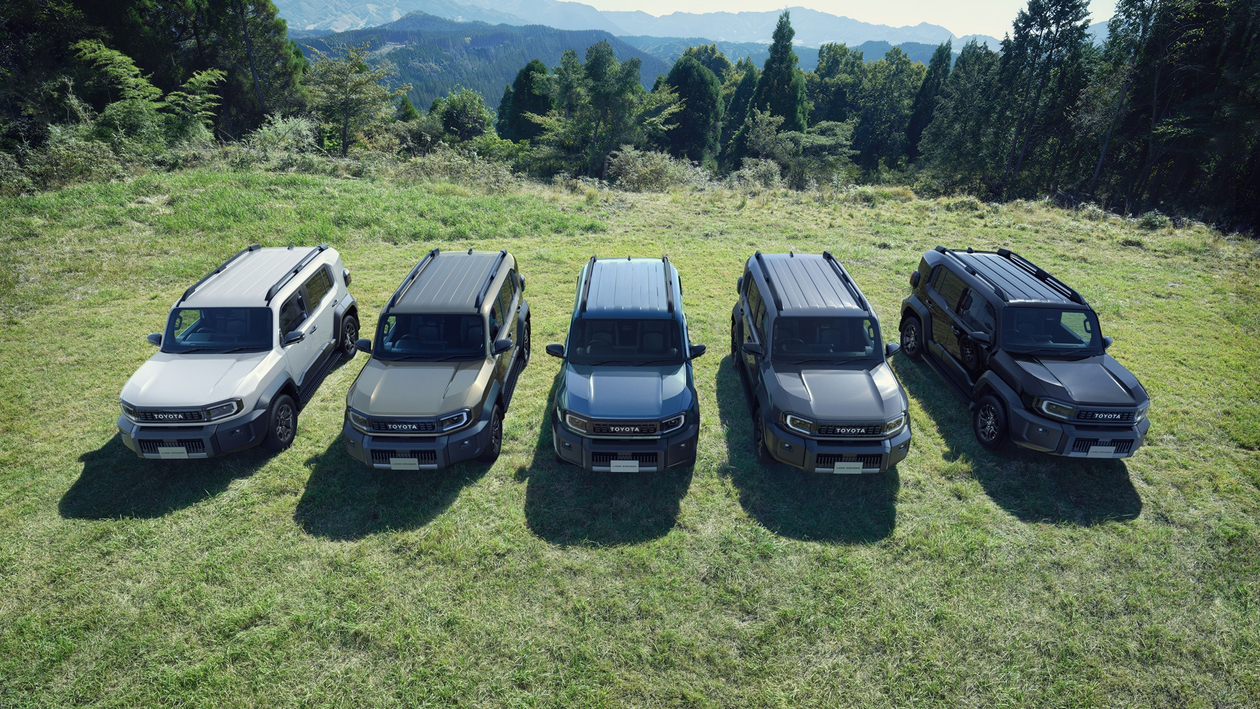
The writing is on the wall: foreign carmakers seeking CKD tax breaks in Malaysia cannot just import completely knocked-down kits and bolt them together. They must source components from local vendors, facilitate technology transfer, and create high-skilled jobs.
From the expiry of CBU tax exemptions and the proposed EV levy to stricter localization rules for CKD tax breaks, Malaysia's EV policy landscape is undergoing a major structural shift.
The "honeymoon period" of tax-free EVs is drawing to a close. The government is willing to support the EV market, but it comes with strings attached: manufacturers must assemble locally, source local parts, transfer technology, and help build the charging infrastructure.
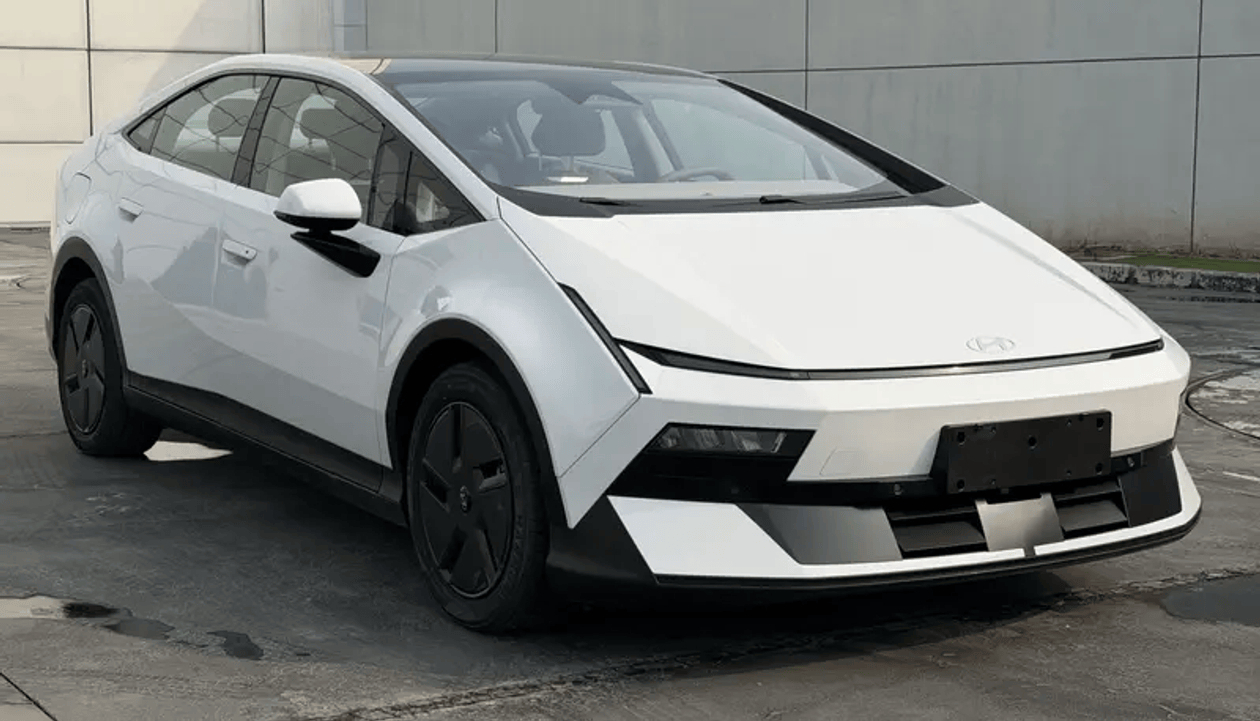
While the implementation date and exact quantum of this EV levy remain undecided as the proposal is still under study, prospective EV buyers should keep this potential extra cost in mind.
The government's stance is clear: incentives are on the table, but carmakers must play their part. If you do not build charging points, integrate local vendors, or share technology, then expect to pay the taxes in full.

Your go-to source for all things automotive in Malaysia. 🚗 Latest reviews, breaking news, launches & industry trends.
+ Follow This weekend is your chance to own a Volvo Selekt Certified Used Car, priced from just RM 148,000.
What are you waiting for?
#volvo 1 minute ago
This weekend is your chance to own a Volvo Selekt Certified Used Car, priced from just RM 148,000.
What are you waiting for?
#volvo 1 minute ago  We saw this accident this morning, and here’s a reminder to everyone: please drive safe. 2 days ago
  The G50 BMW 3 series is now here, adopting much of the i3's design elements.
So, where's the BMW M3?
#bmw #BMW3Series 4 days ago
The G50 BMW 3 series is now here, adopting much of the i3's design elements.
So, where's the BMW M3?
#bmw #BMW3Series 4 days ago Get the latest car news first!
Your go-to source for all things automotive in Malaysia. 🚗 Latest reviews, breaking news, launches & industry trends.
This weekend is your chance to own a Volvo Selekt Certified Used Car, priced from just RM 148,000.
What are you waiting for?
#volvo 1 minute ago We saw this accident this morning, and here’s a reminder to everyone: please drive safe. 2 days ago The G50 BMW 3 series is now here, adopting much of the i3's design elements.
So, where's the BMW M3?
#bmw #BMW3Series 4 days ago  ProtonGWMVolkswagenJAECOOVolvoPeroduaToyotaHondaTESLAMitsubishiMazdaJetourCheryBYDLexusBMWMercedes-BenziCAURZeekrIsuzuNissanLeapmotorPorscheFordOMODAMINIMGSuzukiXPengHyundaiWulingKiaSubaruDenzaGACLand RoverDongfengCAMAudiPeugeotFotonMAXUSsmartDaihatsuJACJMCMaseratiLotusAlfa RomeoRenaultGolden DragonKaiceneSeresLamborghiniFerrariJeepRolls-RoyceLepasAston MartinMcLarenChevroletBentleyFiatBAICForthingGeelyRoeweAeolusChanganARCFOXDeepalExeedHongqiVoyahJaguarKGMBuforiAcuraCadillacDodgeAbarthINEOSMHEROJMEVFreelander
© 2024 Bitauto.com. All Rights Reserved.
Bitauto (www.yiche.com and www.bitauto.com) is one of the most visited automotive websites in China. We provide detailed info on Chinese car brands available in your area. Please note that the information provided on this website is based on publicly available data and is for reference only. It may not be fully updated or accurate at all times.
Help us improve our website


