

Homearts

Search History
Popular Searches
Dealer Login / Sign Up

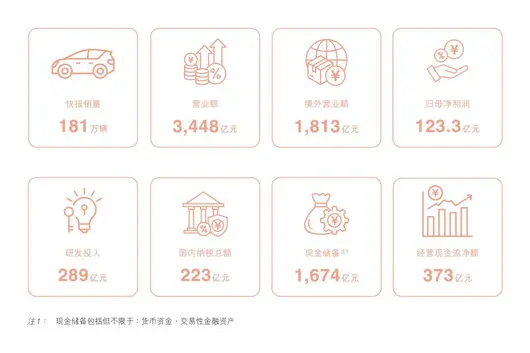
8 月 28 日晚,比亞迪交出咗 2026 年嘅中期成績單。喺汽車行業價格戰此起彼伏、唔少車企利潤俾「卷」薄咗嘅背景下,呢份財報卻傳遞出一個唔太一樣嘅信號:營業收入 3448 億元,歸母公司股東嘅淨利潤 123 億元,研發投入 289 億元,現金儲備 1674 億元。

更值得注意嘅一組數據係:二季度淨利潤同比增長 30%,毛利率攀升至 18.9%,創近一年新高。 換句話話,喺行業普遍承壓嘅上半年,比亞迪嘅賺錢能力反而喺變強。呢份「逆市上揚」嘅底氣,究竟從邊度嚟?
海外銷量大增 68%,高端車型佔比升至 12.6%
淨係睇增長結構嘅變化。過去提到比亞迪,好多人諗到嘅係「走量」。但係從呢份半年報睇嚟,海外市場同高端品牌正成為越來越重要嘅增長引擎。上半年,比亞迪海外銷量達 79 萬輛,同比增長 68%,業務已覆蓋全球超過 120 個國家同地區。喺英國、巴西、泰國等核心市場,比亞迪拿下咗新能源汽車品牌嘅銷量冠軍。隨著海外本地化產能陸續釋放、渠道體系逐步完善,海外板塊從「錦上添花」變成咗「實打實嘅拉動力」。與此同時,高端化亦喺加速落地。方程豹、騰勢、仰望三大品牌上半年合計銷量 22.8 萬輛,同比增長 61%,佔總銷量嘅比重升至 12.6%。其中,方程豹銷量達 16 萬輛,同比增長 163%;騰勢 6 月單月銷量首次突破 2 萬輛,產品均價約 36 萬元;仰望則成為國產新能源百萬級豪車中銷量最快破萬嘅品牌。一邊係海外市場打開空間,一邊係高端產品拉高單價,呢兩條線共同推動咗比亞迪產品結構嘅優化,亦直接反映喺毛利率上——二季度 18.9% 嘅毛利率,正係呢一趨勢嘅量化體現。
財報入面仲有一個細節值得留意:上半年淨利潤增速相對溫和,主要原因係匯率波動產生咗匯兌損失。如果剔除呢一因素,主營業務盈利依然平穩,經營底盤嘅韌性並未動搖。
研發投入 289 億,超過淨利潤兩倍仲有餘
比利潤更「大方」嘅,係比亞迪喺研發上嘅花錢力度。上半年,比亞迪研發投入 289 億元,係同期淨利潤嘅兩倍仲多,繼續蟬聯 A 股「研發之王」。累計研發投入已經突破 2700 億元。咁高嘅投入,換嚟咗咩?今年 3 月,比亞迪發布第二代刀片電池及閃充技術,創下全球量產最快充電速度紀錄,解決咗「充電慢」同「低溫充電難」兩個老大難問題,並獲得咗工信部嘅認可。技術落地亦喺加速:依托「閃充中國」戰略,全國已建成 10000 座閃充站,覆蓋 332 座城市,並計劃一年內喺海外部署 6000 座閃充站。
智能化方面,比亞迪喺 5 月率先承諾為城市領航安全兜底,加上此前為智能泊車安全兜底,成為全球唯一「雙兜底」企業。截至 7 月 31 日,比亞迪輔助駕駛車型保有量超過 352 萬輛,「天神之眼」每天生成嘅數據超 2.2 億公里。同期發布嘅璇璣 A3 晶片,係中國首款自研 4nm 製程智駕晶片——從底層晶片到系統軟件,比亞迪喺智駕領域嘅「垂直整合」正變成睇得到嘅產品力。
納稅 223 億、減碳 2317 萬噸,財報背後嘅另一面
財務數據之外,呢份半年報仲披露咗兩個好容易俾人忽略嘅數字。
一個係納稅。 上半年比亞迪內地納稅總額 223 億元,遠超同期淨利潤。呢個對比放喺而家環境下,分量唔輕。
另一個係減碳。 1—6 月,比亞迪新能源汽車全生命週期減碳量達 2317 萬噸,相當於植樹 3.86 億棵。喺「2045 年實現全價值鏈碳中和」嘅目標下,ESG 表現穩居國內企業第一梯隊。
熊貓點評:靠「結構升級」穿越周期嘅樣本
2026 年上半年,呢份半年報真正值得關注嘅,唔係某一個單項數據嘅漲跌,而係增長質量嘅系統性改善。當行業從「有無」進入「好唔好」嘅階段,單純拼銷量、拼規模嘅路數越來越難行。比亞迪嘅應對思路好清晰:用研發投入換技術壁壘,用技術壁壘撐高端化,用高端化改善盈利結構,再用海外市場打開增量空間。 呢條環環相扣嘅路徑,而唔係靠某一款爆款車型撐起嘅短期繁榮。毛利率創近一年新高嘅意義亦喺於此——佢說明比亞迪嘅盈利能力改善唔係偶然嘅「季度波動」,而係結構優化帶嚟嘅趨勢性變化。喺全球汽車產業加速重構嘅當下,比亞迪提供咗一個「穿越周期」嘅現實樣本:當別人喺價格戰中消耗利潤時,佢選擇把利潤投向更遠嘅地方。 呢或者先係半年報入面最值得讀出嘅信號。


Recently, impressive data emerged from the Central Asian automotive market. The latest sales report released by the Kazakhstan Auto Alliance shows that new car sales in the local area reached 21,860 units in June 2026. Chinese brand sales totaled 12,276 units, commanding a market share as high as 56.2%, officially taking hold of half of the local car market.
The car market overall showed steady growth in July, with the market share of Chinese brands falling back to 48.3%. It continues to firmly hold the first tier, completely rewriting the pattern where Korean brands had long dominated the local market.
In the Kazakhstan market, Changan performed the most outstandingly, with 2,565 units sold in June and 2,456 units in July, ranking fourth in local brand sales for two consecutive months. SUV models such as CS35 Max and CS55 Plus became household bestsellers locally.
Chery and Geely followed closely, establishing their footing with the Tiggo series and Galaxy series products respectively. Jetour, JAC, and Haval also secured a niche with high cost-performance household SUVs. New energy brands like BYD and Li Auto are laying out plans simultaneously, gradually opening up the electrification market space.
Multiple automakers have launched localized assembly cooperation. Li Auto reached a strategic partnership with a leading local automotive enterprise, achieving localized production at the Kostanay plant to further reduce tariff costs and consolidate market advantages.
It is not just the Central Asian market; Chinese cars have achieved strong breakthroughs in multiple regional markets globally. The Russian market quickly recovered after a short-term adjustment. From January to July 2026, China exported 542,900 cars to Russia, a year-on-year increase of 136%, returning to being the number one destination for Chinese car exports.
Currently, the five major Chinese brands Chery, Great Wall, Geely, Changan, and GAC firmly rank in the top ten Russian sales, with an overall market share exceeding 45%. The Great Wall Tula factory and Geely Belarus base continue stable mass production, effectively countering local policy barriers and filling the market gaps left after the exit of European, American, Japanese, and Korean automotive enterprises.
The Southeast Asian market has become the core position for Chinese new energy vehicles. In Thailand's pure electric car market, the market share of Chinese brands exceeds 86%. Models such as BYD, Neta, and MG occupy the top of the local new energy sales list. Taxis and official vehicles are purchasing Chinese new energy vehicles on a large scale.

The Brazilian market also performed brilliantly. From January to July, China exported 427,700 cars to Brazil, a year-on-year increase of 144%. New energy models accounted for more than 70%. The BYD Dolphin won the local new energy sales champion. Chinese brands as a whole occupy more than 77% of the Brazilian pure electric market, gradually breaking through the monopoly barriers of traditional joint venture brands.
In Australia, Oceania, Chinese brands ended the 28-year market monopoly of Japanese brands, raising the overall market share to 25%, becoming the mainstream choice for local families purchasing cars. In Mexico's new energy market, the share of Chinese electric vehicles is close to 90%, with orders continuously in high demand.
From fuel vehicles to new energy models, from developing countries to developed markets, Chinese cars rely on complete three-electric technology, high cost-performance products, and mature after-sales systems. They are gradually getting rid of the low-price label and winning the recognition of global consumers with hard-core product power.
With the overseas mode shifting from whole vehicle export to localized factory construction and localized operations, Chinese cars are shifting from simple product output to the global output of technology, production capacity, and service systems.
Against the industry background of monthly exports breaking one million vehicles for two consecutive months, the pattern of overseas markets blooming in multiple points not only provides stable growth momentum for the domestic car market but also continuously reshapes the competitive landscape of the century-old global automotive industry.

Chery has ranked first in exports of Chinese brand passenger cars for 23 consecutive years, with global users exceeding 20 million and products sold to over 130 overseas markets. These figures are well-known throughout the industry, but few truly pause to ask: Where does Chery's global competitiveness actually stem from? Is it solely relying on price advantages, or dependent on the occasional success of a hit model? When the industry is accustomed to measuring a car company's globalization level with sales and market share, it often overlooks a more fundamental question — what car-making logic ultimately supports these numbers?

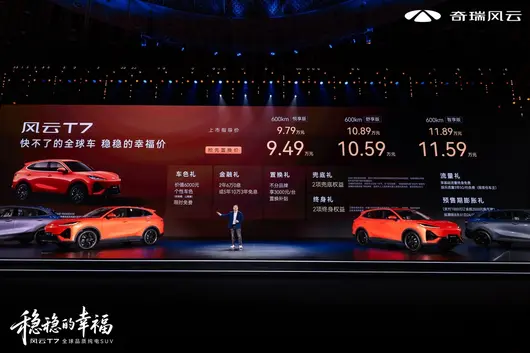
The launch of the Fengyun T7 conveniently offers a rare anatomical sample. This global quality pure electric SUV, officially launched on August 26 with a starting price of 97,900 yuan (exclusive swap price starting at 94,900 yuan), on the surface appears to be a normal release of a 100,000-yuan class family car, but if we dissect it layer by layer along its R&D, verification, standards, and delivery chain, we find it essentially condenses the entirety of Chery's twenty-plus years of globalization accumulation methodology. The Fengyun T7 is not just a result of Chery going global, but a complete expression of how Chery understands "global car-making".
Adherence to underlying technical logic is the first cornerstone of this methodology.
The starting point of the Fengyun T7's R&D is extremely different. It did not take the shortcut common in the industry of "domestic finalization then modification for export", but has been targeted at the global market from the first line of code. The 3-year R&D cycle stands out as notably restrained under the industry's "nothing beats speed" involution rhythm — while many brands launch a new car in 18 months or even less, Chery chose to spend 3 years polishing a 100,000-yuan class product. This "slowness" is not inefficiency, but stems from respect for underlying technical logic.

This respect is reflected in every detail of the powertrain. The Fengyun T7 is standard-equipped across the range with 65.05kWh Rhinoceros batteries, CLTC range 600km, actual measured range reaches 681.6km, which users call "reverse false labeling"; 30%-80% fast charging takes only 20 minutes, the battery has 2,500 high durability cycle life, service life up to 15 years. At the electric drive level, the 12-in-1 Kunpeng Super Power Electric Drive has a peak power of 178kW, overall efficiency up to 90.8%, electric drive speed reaches 22,000rpm, yet operating noise is as low as 73dB. To control energy consumption, the Fengyun T7 adopted 14 low aerodynamic drag designs, cumulatively reducing 51 drag counts, finally achieving a 0.286 Cd ultra-low drag coefficient, leading the class. The commonality of these configurations lies in: they are not ad-hoc solutions patched together for one specific car, but core technologies that Chery has long invested in and independently mastered. When underlying technology is held in your own hands, product definition will not be subject to others, and globalization will not degenerate into "working with what is available".
The extreme pursuit of quality constitutes the second layer of the methodology.
If R&D determines the product's upper limit, then verification determines the product's lower limit. The investment in the verification link for the Fengyun T7 has reached a rare degree in the industry. The cumulative test mileage of the whole vehicle exceeds 6 million kilometers, durability special test reaches 1.45 million kilometers, 81 durability test vehicles are deployed for synchronous road tests. It completed real-vehicle verification in 21 countries globally, passing 212 regulatory certifications. Behind these data is a clear principle: all verifications are global real-vehicle road tests, rather than laboratory simulation data.

More worthy of scrutiny is the breadth and granularity of verification. The Fengyun T7 covers the global extreme temperature range of -40°C to 55°C, adapting to 95% of road types. High-speed humps in Brazil, cobblestone roads in Mexico, large curvature curves on German highways, and non-paved muddy roads in South Africa, every road condition is included in the test range. In special environment verification, the Fengyun T7 specially designed 500mm off-road wading capability for the Southeast Asia rainy season, optimized playback equipment 40°C overheating protection for Middle East high-temperature sun exposure, controlled filter element odor residue for Indonesian high-humidity environment, strengthened wiper life for Siberian rain and snow, optimized interior lighting and charging backlight for Nordic extreme day and night, performed multiple protections for battery connectors for Brazilian gravel roads, and conducted durability noise special verification for Mexican cobblestone roads. In high-frequency usage scenarios, wiper durability was strengthened, the window lifter underwent 20,000 durability design. In braking and steering special tests, 10,000+ braking specials, 19,000+ full turn steering, 400+ chassis impacts were completed, and 100% issue closure was achieved.

The deep logic of this verification system is to move "forged through rigorous testing" forward to the R&D stage, so users no longer hit bumps during use. This is exactly the concretization of "slow work makes a good car": others verify quality with sales, Chery verifies quality with mileage. The chassis tuning link also follows this logic — an international team led by a former Maserati chassis tuning expert conducts special precise tuning for the ultra-high-speed section above 160 km/h, the independently designed dual-axis K&C test bench invested 20 million yuan, with 26 years of design foundation, combined with 26 channels 720 hours of all-road condition enhanced simulation. This obsession with quality is not marketing rhetoric, but substantial engineering investment.

Respect for global rules is the most easily overlooked, yet most strategically valuable link in the methodology.
The Fengyun T7 is developed according to the 2026 edition E-NCAP five-star safety standards, pre-researching global regulations two years in advance. This detail is worth savoring repeatedly: when many Chinese brands are still using domestic regulations as the upper limit, Chery has already designed based on Europe's future highest safety standards. This "forward compliance" is not redundant, but a ticket to enter high-regulation markets — the Fengyun T7 is about to enter the European market, the homologous model Lepas L6 is already launched in South Africa and Thailand, landing in Indonesia in August, entering the EU in September, and covering Australia and New Zealand, UK, Israel, and Malaysia in October. This clear launch rhythm is built on the foundation of solid and in-place preliminary regulation pre-research.
But respecting global rules goes far beyond "meeting standards". Chery conducted in-depth user research for 15 typical national scenarios, sorting out over 80 local habit adaptation items. Thailand right-hand drive users prefer a heavier steering feel, so steering force tuning is increased by one level; Indonesian bumpy road sections easily lack a sense of security, so steering feel is weighted and return quality is optimized; Southeast Asia, South Africa, Australia and New Zealand under strong light environments, the steering wheel and center console use low-reflection materials, the roof center is equipped with an easy-to-take eyeglass box to facilitate users who frequently wear sunglasses; Turkey, Israel users prefer physical buttons, so high-frequency functions retained hard switches; European users are used to parking the front of the car in the garage, the vehicle will automatically display the front camera view at a distance of 70 cm. These seemingly trivial details are exactly the essential difference between a "global car" and an "export car" — the former integrates the needs of different markets into product definition in advance, while the latter adapts all markets with one version. The Fengyun T7 simultaneously adapts to the car usage needs of 210 countries and regions globally, relying not on scale, but on this extremely fine-grained localization capability.

Positive feedback from the global market verified the effectiveness of this logic. The homologous model Lepas L6 appeared at the Milan Design Week and received international praise, the Fengyun T7 received authoritative reports from the Associated Press, and at the Chengdu Auto Show, foreign car viewing groups viewed cars on-site and placed orders. Domestically, the Fengyun T7 pre-sale 72-hour major orders locked 10,937 units, 9-day pre-sale broke 16,787 units; the delivery ceremony was held on the launch day, a batch of foreign users who have long lived in China became the first batch of car owners, truly achieving delivery upon launch. These facts jointly point to a conclusion: the global quality of the Fengyun T7 is not a marketing slogan, but has been verified by global users voting with actual choices.
Where does Chery's global competitiveness actually come from? The answer given by the Fengyun T7 is clear and complete: it comes from long-term adherence to underlying technical logic, keeping core capabilities always in one's own hands; comes from the extreme pursuit of quality, using million-kilometer-level verification to back up the product; comes from awe and respect for global rules, writing the needs of different markets into the product DNA in advance. These three stacked together form a system capability that is difficult to replicate quickly.

This competitiveness is by no means the work of a moment. When a 100,000-yuan class Fengyun T7 is willing to spend 3 years on R&D, run 6 million kilometers for verification, and adapt item by item for over 80 local habits, what it represents is no longer the success or failure of a single car, but a concentrated release of a company's twenty-plus years of globalization accumulation. Behind Chery's 23 consecutive years of export ranking first, there are countless products like the Fengyun T7, built step by step with the same standards, the same patience, and the same obsession. The endpoint of globalization is never the sales figures themselves, but when a Chinese car drives on Brazilian gravel roads, German unrestricted highways, or Southeast Asian rainstorm streets, the "steady reliability" that users can feel. The Fengyun T7 has done it, and Chery has done it.

近期中亚汽车市场传来亮眼数据,哈萨克斯坦汽车联盟发布的最新销量报告显示,2026年6月当地新车销量21860辆,中国品牌销量达到12276辆,市场占比高达56.2%,正式占据当地车市半壁江山。
7月车市整体平稳增长,中国品牌份额回落至48.3%,依旧稳居第一梯队,彻底改写了此前韩系品牌长期主导当地市场的格局。
在哈萨克斯坦市场,长安表现最为抢眼,6月销量2565辆、7月售出2456辆,连续两个月位列当地品牌销量第四名,CS35 Max、CS55 Plus等SUV车型成为当地家用爆款。
奇瑞、吉利紧随其后,分别以瑞虎系列、银河系列产品站稳脚跟,捷途、江淮、哈弗也凭借高性价比的家用SUV占据一席之地。比亚迪、理想等新能源品牌同步布局,逐步打开电动化市场空间。
多家车企已启动本土化组装合作,理想汽车与当地头部车企达成战略合作,在科斯塔奈工厂实现本地化生产,进一步降低关税成本,巩固市场优势。
不止中亚市场,中国汽车在全球多个区域市场均实现强势突破。俄罗斯市场在经历短期调整后快速回暖,2026年1-7月我国对俄出口汽车54.29万辆,同比大幅增长136%,重回中国汽车出口第一大目的地。
目前奇瑞、长城、吉利、长安、广汽五大中国品牌稳居俄罗斯销量前十,整体市占率超45%,长城图拉工厂、吉利白俄罗斯基地持续稳定量产,有效对冲当地政策壁垒,填补了欧美日韩车企退出后留下的市场空白。
东南亚市场成为中国新能源汽车的核心阵地。泰国纯电汽车市场中,中国品牌占有率超86%,比亚迪、哪吒、名爵等车型包揽当地新能源销量榜单前列,出租车、公务用车大规模采购中国新能源车。
巴西市场同样表现亮眼,1-7月我国对巴西出口42.77万辆,同比增长144%,新能源车型占比超七成,比亚迪海豚拿下当地新能源销冠,中国品牌整体占据巴西纯电市场77%以上的份额,逐步突破传统合资品牌的垄断壁垒。
在大洋洲澳大利亚,中国品牌终结了日系品牌长达28年的市场垄断,整体市占率提升至25%,成为当地家庭购车的主流选择;墨西哥新能源市场中,中国电动车份额接近九成,订单持续供不应求。
从燃油车到新能源车型,从发展中国家到发达市场,中国汽车依靠完善的三电技术、高性价比的产品、成熟的售后体系,逐步摆脱低价标签,凭借硬核产品力收获全球消费者认可。
随着出海模式从整车出口转向本土化建厂、本地化运营,中国汽车正从简单的产品输出,转向技术、产能、服务体系的全球输出。
连续两个月单月出口破百万辆的行业背景下,海外市场多点开花的格局,不仅为国内车市提供了稳定增长动力,也持续重塑着百年全球汽车产业的竞争版图。

新能源賽道內卷加劇嘅當下,唔少車企陷入「快字當頭」嘅怪圈。縮短研發周期、快速迭代上新,用亮眼紙面參數搶佔市場,卻把異響、低溫續航縮水、極限工況可靠性等問題留俾普通車主去試錯。汽車唔係快消品,一台要陪伴家庭多年嘅代步工具,安全、可靠永遠都比迭代速度更重要。

剛剛上市嘅風雲 T7,偏偏選擇一條「慢」路,堅持慢工造好車,唔追逐風口速度,把時間花喺研發、實測與打磨之上,把經過全球嚴苛試煉嘅品質帶返國內,為十萬級家用純電市場提供另一種解題思路車家號。

好多人都會疑惑,喺講究效率嘅時代,「慢」究竟慢喺邊度?風雲 T7 嘅慢,唔係研發拖沓,而係唔喺關鍵環節做妥協,把風險解決喺車輛交到用戶手上面之前。佢擁有完整三年研發周期,依托奇瑞全球 1+7+N 研發體系,從產品定義階段,就唔會只盯住國內市場。團隊走訪 15 個典型國家,完成 5000 多份全球用戶調研,提前研究唔同地區嘅法規、路況、用戶用車習慣,對標 2026 版 ENCAP 五星安全標準開展開發,從源頭就按照全球車嘅標準嚟設計,而唔係國內車型簡單改一改再出海嘅特供思路。

設計層面同樣拒絕閉門造車。聯合全球十大設計中心、上百名設計師協同共創,外觀兼顧東方審美與全球用戶嘅喜好,同源車型亮相米蘭設計週收穫海外市場認可。投入 81 台耐久試驗車奔赴世界各地,整車累計完成超 600 萬公里測試,僅耐久專項驗證就達到 145 萬公里。

從北歐零下四十度嘅極寒地帶,到中東五十多度嘅高溫暴曬,墨西哥顛簸嘅鵝卵石路面、巴西高减速坎、南非非鋪裝泥路、東南亞雨季積水路段,全球各類複雜路況、極端氣候都留下佢嘅測試足跡。實驗室模擬數據固然重要,但真實道路上嘅千錘百煉,先最能暴露一台車潛藏嘅問題。高溫、高寒、高濕、高原、高速五大極限環境輪番試煉,上千項測試閉環整改,把異響、零部件老化、環境適配嘅隱患喺研發階段全部解決掉。

呢份「慢」最終轉化为用户能实实在在感知到嘅六大冗餘實力,亦係風雲 T7 區別於同級好多產品嘅核心。而家唔少十萬級純電,入門版本刻意縮減電池,高低配續航拉开差距;安全配置區分版本,高級智駕需要額外加錢;底盤、電池驗證做簡化,極限工況表現大打折扣。風雲 T7 選擇反其道而行,全系標配 65.05kWh 犀牛電池,CLTC 續航 600km,實測續航可達 681.6km,做到續航平權,入門版本亦畀到完整長續航體驗,30%-80% 快充仅需 20 分鐘,唔使為長續航被迫加預算。雙源寬溫域熱泵空調全系標配,北方冬天低溫環境續航唔會大幅跳水,南方酷暑亦能穩住能耗表現,解決好多電車用戶季節續航焦慮。

安全更加係慢工打磨嘅重中之重。80% 高強度鋼打造嘅磐石車身,九橫五縱籠式車身,搭配同級獨有嘅 Shotgun 結構、首發雙框副車架與 Pack 防撞樑,9 安全气囊包含遠端氣囊,構建完整乘員保護。犀牛電池擁有 31 層 6D 鎖子甲防護,側邊抗擠壓能力達到國標兩倍,IP68 級防水,完整通過火燒、鹽霧等嚴苛測試。唔止硬件堆料,整車操控經過國際化底盤團隊調校,50.8:49.2 黃金軸荷比,面對坑窪、積水、高速行駛都有充足性能餘量。所謂六大冗餘,通俗嚟講就係每一項性能都預留充足安全餘量,唔係只係剛好達到合格線,畀家庭出行多一層保護底氣。

慢落嚟打磨嘅產品,最終服務嘅係普通人日常「穩穩嘅幸福」。就好似發佈會吳克群講到,幸福未必係轟轟烈烈,更多藏喺通勤、帶娃、週末露營這些細碎日常。84% 高得房率座艙,1955mm×1310mm 純平大床模式,450L 后备箱,38 處儲物空間,兼顧一家人出行裝載、露營休息;8775 艙駕一體芯片搭配豆包大模型,300+ 場景自動泊車、高速領航輔助,緩解城市通勤、長途自駕疲憊。上市畀到 9.79 至 11.89 萬元指導價,搶先置換價 9.49 萬元起,疊加多重購車權益,把全球標準嘅產品,放到十萬級嘅價格區間,讓普通家庭唔使付出過高預算,就畀享受到經過全球驗證嘅可靠品質。

當然,慢工造車,唔代表脫離市場,風雲 T7 實現上市即交付,首批就有外籍車主提车,同源車型已經喺南非、泰國上市,後續持續登陸歐盟、澳新等市場。先跑遍全球複雜路況接受考驗,再回到國內交付畀消費者,這就是原生全球車嘅底氣。

放眼當下,行業總在比拼上新速度、噱頭參數,但普通家庭買車,更需要一台經得起歲月、經得起複雜路況嘅車。風雲 T7 嘅出現,重新定義十萬級品質純電 SUV:佢唔係追求短期流量嘅速成產品,而是秉持長期主義,以全球研發、全球驗證、全球適配為根基,用六大冗餘筑牢安全與體驗底線,把「超能跑、美全球、更安全、好智慧」落喺真實用車場景。佢用時間換品質,把全球標準下嘅安心出行,交到每一個普通家庭手中,這便是風雲 T7 畀到用戶嘅穩穩嘅幸福。

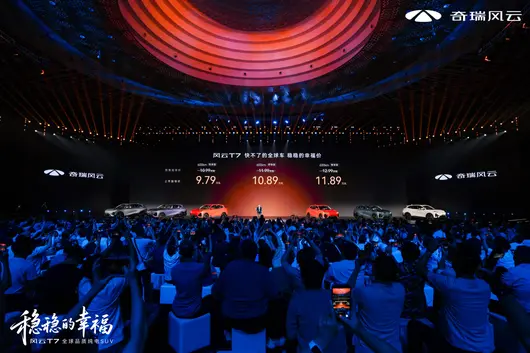
2026 年 8 月 26 日,以「穩穩的幸福」為主題的 Chery 風雲 T7 上市發布會盛大啟幕,全球品質純電 SUV 風雲 T7 正式登陸國內市場。新車共計推出 600 公里 悅享版、600 公里 舒享版、600 公里 智享版三款版型,上市指導價 9.79 萬蚊‑11.89 萬蚊,搶先置換價 9.49 萬蚊‑11.59 萬蚊。發布會現場實現上市即交車。

發布會上,知名音樂人吳克群作為風雲 T7「幸福體驗官」驚喜登場,與 Chery 汽車執行副總裁李學用圍繞「穩穩的幸福」展開深度對話。二人共同認同「慢功造好車」的造車理念,探討當代家庭出行當中那些藏在日常通勤、家庭露營、全家出遊裡的小確幸,共同啟動風雲 T7「幸福共創計劃」,號召大眾發掘生活中的幸福點滴,讓汽車不止是代步工具,更成為守護家庭幸福出行的可靠夥伴。現場海外研發、底盤、造型工程師登台背書,海外車主真實證言同步輸出,直觀印證風雲 T7 原生全球車產品實力。

作為一台原生全球純電 SUV,風雲 T7 拒絕行業「唯快不破」內卷,依托 Chery 全球 1+7+N 研發體系,歷經 3 年研發週期打磨,並非國內車型簡單改款出海,而是從源頭適配全球 210 個國家和地區法規與用車環境,對標 2026 版 E-NCAP 五星安全標準進行開發。Chery 連續 23 年位居中國品牌乘用車出口第一,全球用戶突破 2000 萬,產品銷往 130 + 海外市場;風雲 T7 同源車型 Lepas L6 已經在南非、泰國上市,後續還將陸續登陸印尼、歐盟、澳新、英國等海外區域。新車投入 81 台專屬耐久性試驗車,整車累計測試里程超 600 萬公里,耐久專項驗證達 145 萬公里,跨越高溫、高寒、高濕、高鹽鹼等七大極限環境,覆蓋 95% 全球道路類型,完成 21 個國家實車驗證與 212 項法規認證,在巴西顛簸坎路、墨西哥鵝卵石路面、德國高速彎道、南非非鋪裝泥路完成真實路況試煉,-40℃‑55℃超寬環境適配,接受全球市場嚴苛檢驗之後回歸國內市場,帶給中國用戶全球標準的出行品質。

四大核心價值 + 六大冗餘實力,重塑十萬級純電 SUV 價值標杆
風雲 T7 以超能跑、美全球、更安全、好智慧四大核心價值,疊加碰撞安全、電池安全、續航平權、全域節能、操控性能、整車驗證「六大冗餘」硬核產品實力,打破十萬級純電市場入門續航縮水、安全配置減配、高階智能高配專屬等行業痛點,做到「全球車,十萬級價格,二十萬級價值」。

超能跑:全系續航平權,告別里程焦慮
風雲 T7 實現真正續航平權,全系標配 65.05kWh 犀牛電池,CLTC 續航 600km,實測續航可達 681.6km,實現反向虛標。30%-80% 快充僅需 20 分鐘,一杯咖啡即可補充約 300km 續航;電池擁有 2500 次以上循環壽命,設計使用壽命可達 15 年。全系標配雙源寬溫域熱泵空調 + 高壓 PTC 以及 AGS 智能進氣格柵,零下 10℃環境續航可提升 15%-20%,寒冬出行續航不跳水。搭載 178kW 峰值功率 12 合 1 鯤鵬超能電驅,綜合效率 90.8%。
車身軸距 2700mm,車內得房率高達 84%;支持 1955mm×1310mm 同級最大純平大床模式,適配露營午休;尾箱常規容積 450L,最大拓展 1550L,搭配全車 38 處儲物空間;9 層雲感座椅支持加熱通風,兼顧全家人乘坐舒適,家庭出行空間拉滿。

美全球:全球設計師共創,東西方審美融合
依托全球 10 大設計中心,百餘名設計師協同打造,累計收集 5000 + 全球用戶共創意見,同源車型 Lepas L6 亮相米蘭設計週收穫好評。馭風前臉、風刃大燈、天際霞光尾門,0.286Cd 超低風阻。提供熾焰橙、山煙紫、雲粉米等 6 款東方雅韻車漆,其中熾焰橙採用 Tri‑coat 豪車級三層車漆工藝;雲翼環抱式座艙,提供溫暖黑棕、極夜黑曜兩套內飾配色,鵝卵石懸浮揚聲器、菱格縫製工藝,兼顧顏值質感與家用實用性。

更安全:碉堡級防護,把安全感給到每一位家庭成員
碰撞安全冗餘方面,採用九橫五縱籠式磐石車身,高強度鋼占比 80%,擁有同級獨有的 Shotgun 結構、首發雙框副車架 + Pack 防撞樑,搭配貫穿式門檻加強樑,多路徑分散碰撞衝擊;配備同級最多 9 安全氣囊,包含 48L 遠端氣囊,全方位保護車內人員。
電池安全冗餘,犀牛電池搭載 6D 鎖子甲 31 層防護結構,IP68 防水能力為國標 96 倍,側邊抗擠壓能力達到國標 2 倍,完成 1008 小時鹽霧測試、105 秒火燒測試,多維防護規避熱失控風險。
底盤採用 50.8:49.2 黃金軸荷比,四輪獨立懸掛,70mm 大襯套,由國際化底盤團隊調校;麋鹿測試 80km/h,500mm 涉水深度,最高車速 180km/h,城市通勤、高速、複雜路況都穩定可控。

好智慧:4nm 艙駕一體芯片,全場景智能輕鬆出行
同級首發 4nm 製程 8775 艙駕一體芯片,72TOPS 算力,系統響應低至 80ms;靈犀智艙 2.0 搭載豆包大模型,實現自然流暢的全場景模糊語音交互,支持 CarPlay、HiCar 等多品牌手機互聯,擁有小憩、醒神、寶寶、露營等多套場景模式。
整車搭載 22 顆高精度傳感器,獵鷹 500 智駕系統支持 300 + 全場景自動泊車、高速領航輔助、100 米循跡倒車,跨樓層泊車、離車泊車、遠程泊車一應俱全,化解城市停車難題,長途高速有效減輕駕駛負擔。

面對十萬級純電 SUV 市場,風雲 T7 以全球研發、全球標準、全球驗證、全球品質,把碰撞安全、電池防護、長續航、高階智能、底盤操控等過去高端車型才有的配置進行下放,憑藉六大冗餘實力,真正做到「超能跑、美全球、更安全、好智慧」。上市即交付的落地行動,也將讓更多中國家庭體驗全球品質純電出行,解鎖屬於普通人「穩穩的幸福」。

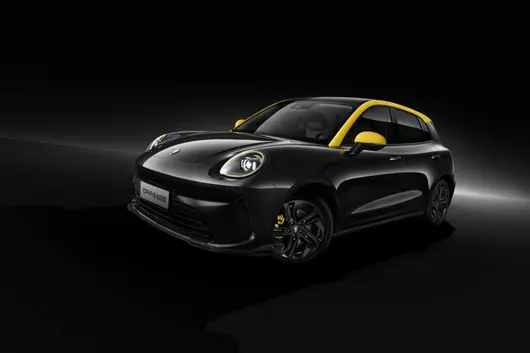
8 月 28 號,歐拉 5GT 攜手歐拉 5 運動版車款正式面世,據悉今朝車廠共推出咗 13 款型號,售價範圍為 8.18-14.38 萬。自此之後,歐拉 5 車系迎來咗全車系登陸,佢喺保留運動風格同駕駛感受嘅同時,仲迎來咗 EV、HEV 乃至燃油動力形式嘅全覆蓋。放眼現時 10 萬級嘅細房車中,歐拉 5 可謂無人能出其右,配合上整套 Coffee 智能嘅系統,使得佢綜合產品力迎來咗進一步提升。

中國嘅歐拉 5 即將喺全世界起舞?
別於眾多友商只喺國內市場嘅廝殺 + 內卷,歐拉早已將目光放到出海。喺泰國歐拉 5 自上市起便收穫咗超 5000 份訂單,佢混合動力版車款更是一舉打破咗傳統日系混合動力嘅壟斷,並將華系細房車帶入咗嶄新嘅階段。

巴西市場方面,歐拉 5 喺今年 6 月 24 號正式面世,首批 2000 輛新車僅上線 24 小時就秒空,加上日前新車成功登陸歐洲以及下半年澳洲等地嘅問世,可以話歐拉 5 全系早已做足咗準備,靜候住全球消費者嘅市場檢驗。

睇得出喺市場愈發飽和嘅而家,歐拉正透過自己嘅方式重新建立住品牌嘅自信,依托本身多種動力形式同智能化差異,逐步將中國智造嘅優勢得以呈現,成功杜絕咗國內市場低價低利潤嘅內卷,真正將平民細房車做到咗高利潤,放眼整個國內車市,這種能力真係令人致以敬意。

新增 GT 同運動版 新時代鋼炮「中國產」?
聚焦今次推出嘅歐拉 5GT 同運動版兩個細分車種,兩台車均在歐拉 5 原有基礎上,進一步強化咗產品嘅運動屬性。別於好多廠商透過運動套件嘅「空炒概念」,歐拉 5GT 同歐拉 5 運動版則係實打實嘅透過硬件進化,強化住運動同操控嘅屬性。

據悉,新車嘅底盤唔單止擁有前麥拉倫首席工程團隊嘅調校,且喺更低嘅重心之下,仲運用咗寶馬、奔馳等運動型車同款嘅 55Cr3 高端鉻系合金彈簧鋼,基於此為整車帶嚟咗更高嘅操控極限,有效咁消除咗常規純電運動型車動態性能與車身剛性唔足嘅情況。

有趣嘅係,歐拉 5GT 同歐拉 5 運動版仲喺多種動力形式之間搵到一個好少嘅平衡,三種動力形式均可實現彈射起步嘅功能,喺增加駕駛樂趣嘅基礎上,仲可以模擬出燃油 V8 一般嘅聲浪,且喺基於運動化嘅一體式座椅 + 系統 UI 融合之後,為駕駛者帶嚟更多、更多元化嘅可能。
10 萬級華系鋼炮仲有智能 簡直樣樣都齊?
如果按照我哋嘅常規認知嚟出發,通常車廠喺完成一台性能鋼炮嘅打造時,會受限於成本嘅考量,喺動力性能出色嘅大背景下,加以對整車智能乃至舒適功能嘅弱化。但係今次歐拉 5GT 同歐拉 5 運動版徹底打破咗呢個規矩,甚至將集團歸元平台下嘅最新成果相繼搬到車上,進而令「黑子」們無話可說。

具體嚟睇,歐拉 5GT 同歐拉 5 運動款一道,共同基於 Coffee Pilot 3 長城汽車第三代智能輔助駕駛平台打造,這令到兩台車喺日後都能依托本身嘅「自學習」能力,進行有效嘅全場景輔助駕駛能力迭代,好似智慧泊車、點對點領航等。基於此基礎上,當下已經充分被市場與消費者認可嘅 Coffee OS 3 智慧空間系統亦直接被引入到兩台車之中,而呢亦助力兩台車,一躍具備咗唔輸而家 30 萬級別車嘅座艙生態化拓展 + 迭代實力。未來,無論係國內邊個對手定係海外對手,喺咁豐富嘅配置與智能延展之下,都會俾歐拉 5 車系降維打擊。

寫落去:
從今次歐拉 5GT 同歐拉 5 運動版嘅推出唔難發現,長城對於入門級細房車嘅咁樣不遺餘力。不論級別嘅高低,車種嘅大小以至場景嘅不同,長城都係用心嘅造好緊每一款車。就好似人們開飯館一樣,光係親戚朋友捧場沒有任何卵用,想長久、想脫穎而出,往往需要嘅係更多外人嘅打卡與好評。好彩嘅係,歐拉 5 車系正朝着呢個方向不斷努力,中國造 + 全球「賣爆」,顯然歐拉品牌重新搵到專屬於自己嘅新時代生存之道。
Bagi kereta bahan api mahupun kereta elektrik, julat harga 100,000 Yuan adalah pasaran yang sangat kompetitif. Apabila kebanyakan syarikat automotif menggunakan cara menimbun spesifikasi untuk meningkatkan nisbah harga dan prestasi, Fengyun T7 membawa sesuatu yang berbeza. Ini bukan sekadar harga yang lebih rendah daripada harga pra-pelancaran, tetapi ia membuka bab baru dengan menggunakan laluan yang berbeza.

Pada 26 Ogos, Fengyun T7 dilancarkan di Beijing. Berbanding harga permulaan pra-pelancaran sebelumnya sebanyak 109,900 Yuan, ia diturunkan terus sebanyak 12,000 Yuan. Versi bersistem rendah sedemikian masuk ke bawah 100,000 Yuan, manakala versi bersistem tinggi terhenti pada 118,900 Yuan. Dengan ini, ambang untuk pengguna memilikinya menjadi lebih rendah.

Untuk kereta elektrik, kos terbesar ialah bateri. Pada masa lalu, syarikat automotif biasanya membezakan versi tinggi, sederhana dan rendah mengikut kapasiti bateri. Versi tinggi diberi kapasiti bateri yang lebih besar, memenuhi pemain yang mahir. Versi rendah kapasiti bateri yang lebih kecil, memenuhi perjalanan ke tempat kerja di bandar. Tetapi Fengyun T7 semua versi mempunyai julat 600 kilometer, dan menggunakan motor yang sama. Punca Fengyun berbuat demikian, sebenarnya juga untuk menyesuaikan dengan kedudukan produk dengan lebih baik.

Anda semakin banyak perubahan spesifikasi, semakin banyak pengesahan yang perlu dibuat. Tetapi jika tidak perlu menyediakan banyak cadangan untuk komponen teras, sebaliknya kos boleh diturunkan kerana kelebihan skala.

Oleh itu, model yang pada mulanya didefinisikan sebagai kereta global ini, memerlukan pendekatan yang paling mudah untuk memenuhi piawaian undang-undang negara berbeza dan perbezaan antara pelbagai piawaian. Contohnya dari segi keselamatan, kebanyakan model di negara domestik hanya perlu memenuhi piawaian tabrakan C-NCAP sahaja. Fengyun T7 boleh memenuhi E-NCAP 2026 versi piawaian lima bintang, ASIL-D dan sebagainya yang biasanya jauh lebih tinggi daripada harga jualannya model hanya membuat piawaian. Untuk memenuhi keperluan kepatuhan kenderaan, 80% keluli kuat, 9 beg udara, bateri 31 lapisan pelindungan dan lain-lain menjadi jawapan pilihan wajib untuk model ini. Inilah perbezaan Fengyun T7 dengan kebanyakan model domestik.

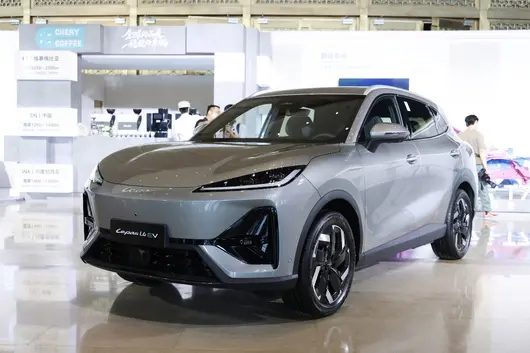
Lagi satu, di Pameran Kereta Chengdu sebelum ini, kami juga melihat Fengyun T7 dan versi luar negara - Lepas L6. Model ini sudah dilancarkan di Thailand dan Afrika Selatan sebelum di negara domestik, seterusnya model ini juga akan dijual di kawasan termasuk Kesatuan Eropah, Australia dan New Zealand, United Kingdom dan lain-lain. Untuk mencapai matlamat, Fengyun T7 telah menyiapkan pelbagai ujian seperti suhu panas Timur Tengah, dingin beku Kutub Utara dan ultraungu kuat di dataran tinggi, untuk keadaan jalan negara yang berbeza telah menyiapkan ujian dan pengoptimuman. Maksud lahirnya global, di persekitaran yang sangat berbeza telah diwujudkan secara konkrit.

Tentu sahaja, harga berbeza, spesifikasi pastinya berbeza. Fengyun T7 menggunakan asas yang sama dalam aspek teras seperti kuasa, keselamatan, hanya membezakan harga mengikut perbezaan spesifikasi. Oleh itu, daya tarikan jualan Fengyun T7 pada mulanya bukanlah tiga set peralatan rumah tangga, tetapi kualiti global yang kukuh. Dengan itu, logik penentuan harga SUV elektrik kelas 100,000 kini telah ditulis semula.
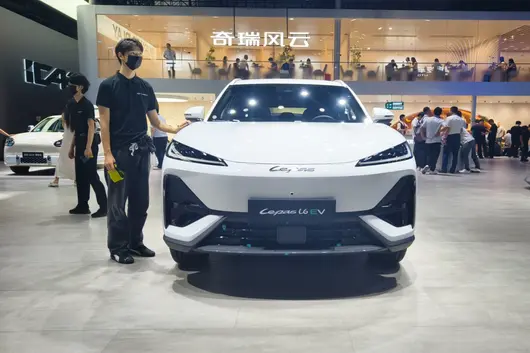

8 月 26 日,奇瑞風雲旗下全球品質純電 SUV 風雲 T7 正式登陸國內市場,補貼後售價 9.49 萬‑11.59 萬元。新車以原生全球車定位,帶來超能跑、美全球、更安全、好智慧四大核心產品實力,上市即同步開啟交付,讓國內消費者以十萬級價位,享受到經過全球嚴苛試煉嘅高品質純電出行體驗。

喺新能源汽車市場競爭日趨白熱化嘅當下,風雲 T7 嘅到來不僅為家用純電 SUV 市場注入咗全新選擇,更以 "原生全球車" 嘅獨特定位,重新定義咗十萬級純電產品嘅價值標準。

當下新能源市場內卷加劇,唔少品牌追求快速上新,"速成造車" 現象盛行。部分車型喺國內市場發佈後,僅做簡單嘅本地化適配便倉促推向海外,產品品質難於經受全球多元環境嘅考驗。風雲 T7 提出 "全球車快唔到一點" 嘅造車理念,唔走國內改款出海嘅捷徑,從立項之初便前置適配全球法規,歷經全球極限路況充分驗證之後回歸國內,係一台名副其實嘅原生全球車。

呢個造車路徑嘅選擇,意味著更長嘅研發週期、更高嘅投入成本,但也換來更可靠嘅產品品質同更廣泛嘅環境適應性。依托奇瑞 1+7+N 全球研發體系,新車歷經 3 年潛心研發,集結全球百餘名設計師,聯動 5000 + 海內外用戶共創打磨,從設計之初便融入全球多元審美與使用需求。整車對標 2026 版 E‑NCAP 安全標準開發,面向歐洲等高法規市場打造,喺安全標準上與全球最高要求看齐。

為還原全球真實用車環境,項目投入 81 台耐久試驗車,完成 145 萬公里實車驗證,歷經高溫、高寒、高濕、高鹽鹼七大極限環境試煉,覆蓋‑40℃‑55℃超寬溫域,完成上萬項專項測試,完成 80 多項本地化習慣適配,滿足全球 210 個國家同地區嘅用車需求。從北歐嘅冰雪路面到東南亞嘅熱帶雨林,從中東嘅高溫沙漠到中國嘅複雜路況,風雲 T7 喺真實環境中完成咗全面試煉。發佈會現場,海外底盤、造型、研發工程師集體站台背書,全部數據均來自真實全球路試,而非實驗室模擬,充分印證產品硬實力。

作為原生全球車,風雲 T7 嘅同源車型 Lepas L6 已經喺南非、泰國上市,仲亮相米蘭設計週收穫國際好評,後續將陸續登陸印尼、歐盟、澳新、英國等海外市場,形成全球同步上市嘅格局。

預售階段風雲 T7 市場熱度高漲,72 小時大定鎖單 10937 台,9 天預售訂單突破 16787 台,展示咗強大嘅市場號召力。成都車展現場海外達人看車團現場打卡落單,上市發佈會同步舉行交車儀式,外籍喺華用戶成為首批車主,實現上市即交付。美聯社也對風雲 T7 進行權威報導,以第三方視角見證中國純電 SUV 出海實力,全球市場與權威媒體嘅雙重認可,證明風雲 T7 嘅全球品質絕非營銷口號,而係實打實嘅產品實力。

喺產品力層面,風雲 T7 圍繞超能跑、美全球、更安全、好智慧四大維度,把全球標準落實落每一處用車細節。續航方面,全系標配 65.05kWh 犀牛電池,CLTC 續航 600km,實測續航可達 667km 以上,實現 "反向虛標",让用户對續航表現更有信心。20 分鐘即可完成 30%-80% 快充,一杯咖啡時間補充 300 公里續航,有效緩解長途出行嘅補能焦慮;電池循環壽命超 2500 次,可用長達 15 年,大幅降低用戶嘅全生命週期使用成本。

全系標配雙源寬溫域熱泵空調,零下 10℃環境續航可提升 30%,解決北方冬季電動車續航衰減痛點,讓車輛喺低溫環境下依然保持可靠嘅續航表現。搭載 12 合 1 鯤鵬超能電驅,峰值功率 178kW,綜合效率高達 90.8%,兼顧動力、續航與靜謐表現,無論係城市通勤定係高速巡航,都能提供平順從容嘅駕駛體驗。車身軸距達到 2700mm,車內得房率 84%,後排地板純平,為後排乘客提供寬敞舒適嘅乘坐空間。座椅放倒後可形成 1955mm 純平大牀模式,搭配 9 層雲感舒適座椅,加熱通風功能齊備,兼顧家用、露營、長途出行多元場景,讓車輛成為移動嘅舒適空間。

外觀採用東方馭風美學,匯聚全球設計智慧,0.286Cd 超低風阻,喺降低風噪嘅同時也有助於提升續航表現。提供熾焰橙、山煙紫等 6 款東方雅韻車色,其中熾焰橙採用豪車級 8 層車漆工藝,喺不同光線下呈現出豐富嘅色彩層次。內飾為雲翼環抱座艙,鵝卵石懸浮揚聲器、菱格縫工藝,提供黑棕、黑曜兩種內飾配色,兼顧全球用戶審美偏好,營造出溫馨而富有質感嘅車內氛圍。

安全係全球車嘅立身之本。風雲 T7 採用九橫五縱籠式磐石車身,高強度鋼佔比 80%,熱成型鋼佔比 18.84%,配備 9 安全氣囊,喺發生碰撞時為車內乘員提供全方位嘅保護。電池擁有 6D 鎖子甲 31 層防護結構,IP68 級防水,側邊抗擠壓能力達到國標 2 倍,通過 1008 小時鹽霧、1.5 倍國標火燒測試,築牢電池安全防線,讓用戶喺各種極端環境下都能安心使用。底盤由瑪莎拉蒂前底盤調校專家領銜國際化團隊調校,實現 50.8:49.2 黃金軸荷比,搭配 One‑Box 線控制動,高速行駛穩定可控,過彎時車身姿態穩健,制動響應靈敏線性,為駕駛者帶來充足嘅信心。

智能配置上,風雲 T7 搭載同級首發艙駕一體 8775 芯片,4nm 工藝帶來 72TOPS 算力,系統響應低至 80ms,操作流暢無卡頓。靈犀智艙 2.0 接入豆包大模型,擁有多種趣味 AI 人設,能夠與用戶進行自然流暢嘅語音交互,不僅能控制車輛功能,還能提供資訊查詢、閒聊陪伴等服務。

配備 15.6 英寸 2.5K 高清大屏,顯示效果細膩清晰,支持全品牌手機無線互聯,方便用戶將手機內容無縫投射到車機螢幕。獵鷹 500 艙行泊一體駕駛輔助,搭載 22 顆高精度傳感器,支持高速領航、300 + 場景自動泊車、100 米循跡倒車,大幅降低駕駛負擔,提升行車安全性。六大情景模式一鍵切換,覆蓋小憩、露營、寶寶、寵物等家庭高頻場景,讓出行更輕鬆智能。

從全球研發、全球驗證,到全球市場先行檢驗,再到國內上市即交付,風雲 T7 打破行業固有模式,將經過全球嚴苛考驗嘅整車實力,下放到低十萬嘅主流家用區間。佢唔單止係一台面向世界嘅中國純電 SUV,更代表中國新能源汽車長期主義嘅造車態度。喺行業普遍追求 "快" 嘅當下,風雲 T7 選擇慢落嚟,用全球標準打磨產品,用真實路試驗證品質,呢種堅持最終轉化為用戶可感知嘅產品價值。對於廣大普通家庭而言,風雲 T7 提供嘅唔單止係一台代步工具,更加係一種 "穩穩嘅幸福" 出行選擇 —— 可靠嘅安全、紮實嘅續航、舒適嘅空間、智能嘅體驗,以及經過全球市場驗證嘅品質保障。隨著風雲 T7 嘅正式上市,十萬級純電 SUV 市場嘅價值標竿或將被重新書寫,而中國新能源汽車全球化嘅進程,亦會因為咁樣一款原生全球車嘅出現,邁出更加堅實嘅一步。

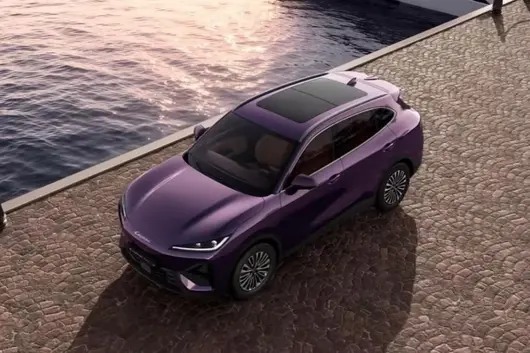

When the new energy vehicle market falls into homogenized internal competition, the true powerhouses always break through with settled quality and full sincerity. On August 26, Chery Fengyun T7 officially launched with heavy impact. The priority exchange price starts from 94,900 Yuan. Singer Wu Kequn attended the scene in person to support, adding sufficient heat to this new global pure electric SUV. Compared to launch gimmicks, what truly moves the market about Fengyun T7 is Chery's bottom-line protection that breaks industry conventions, the hardcore quality refined over several years, and the global strength of going to the world, giving home pure electric travel a more reassuring and higher-quality new choice.

Unlike the development path of most models starting domestically and then going overseas, **Chery Fengyun T7 is a genuine global vehicle that "first conquers the world, then returns to its homeland".** As early as July, this car landed in the Thai and South African markets. Later, it will sequentially enter markets in Spain, Italy, the UK, Australia, Indonesia, and more, accepting severe testing under different global road conditions and vehicle usage standards. This confidence to sail abroad comes from Chery's deep focus over several years.
Fengyun T7 went through 2 years of careful planning and 3 years of dedicated R&D. 81 exclusive durability vehicles were invested simultaneously for full-domain road tests, completing a cumulative equivalent of 1.45 million kilometers of durability testing. From scorching heat to freezing cold, from city roads to complex road conditions, the whole vehicle quality was tempered layer by layer. Its R&D, design, and tuning teams gather elites from global major companies. More than 5,000 global users deeply participated in co-creation. In the Milan Design Week user survey, appearance satisfaction was as high as 97%, truly grasping global aesthetics.

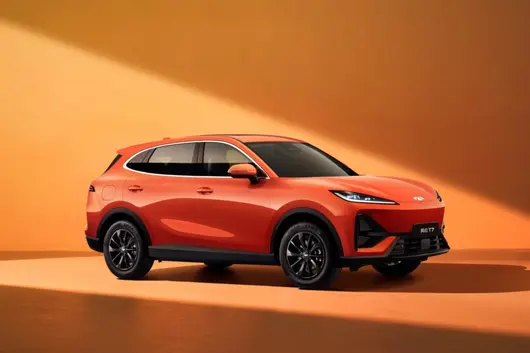
**Appearance and practicality coexist, which is the distinct characteristic of Chery Fengyun T7.** The new car offers six elegant color schemes including Fiery Orange, Mountain Smoke Purple, Cloud Pink Beige, etc., with diverse styles adapting to various aesthetic preferences. The 2700mm extra-long wheelbase creates a spacious and transparent driving space. Even users from Nordic countries with tall figures can sit comfortably, perfectly adapting to global family travel scenarios. The cabin is equipped with 9-layer cloud-feel seats, supporting three-level backrest heating and ventilation functions, balancing four-season driving comfort, maximizing the warm texture of home SUVs.
**Range anxiety has always been the core pain point for pure electric users, and Chery Fengyun T7 thoroughly breaks this shackle.** The new car comes standard with a 65.05kWh Rhinoceros battery across the full range, achieving the rare range parity in the industry. CLTC pure electric range can reach 600km, and the actual test range even breaks through 681.6km, far exceeding official rated data. Relying on 14 air dynamic optimizations across the whole vehicle, the overall wind resistance is as low as 0.286Cd. Paired with dual-source wide temperature range heat pump and high-voltage PTC system, it is fearless of severe cold and heat, stabilizing range performance across the full domain. Charging efficiency is also very bright: 30%-80% fast charging takes only 20 minutes, saying goodbye to battery anxiety for daily commuting and long-distance trips.

**Intelligence and safety are both online, which is the core competitiveness of Chery Fengyun T7.** The cabin is equipped with a 4nm Qualcomm 8775 Cockpit-Pilot Integrated Chip, paired with a 15.6-inch 2.5K ultra-clear large screen. Integrating Lingxi Cockpit 2.0 and Doubao Large Model, intelligent interaction is smooth and sensitive, accurately understanding user travel needs.
In terms of driving assistance, the Falcon 500 intelligent driving system is equipped with 22 sensors, supporting Highway NOA Pilot and 300+ scene automatic parking, making travel in complex road conditions easier and safer. In terms of power, 178kW maximum power and 275Nm peak torque bring abundant power. The front MacPherson + rear multi-link independent suspension combination balances handling stability and driving comfort.

**Safety is always the bottom line for home cars, and Chery has given Fengyun T7 top industry protection for peace of mind.** The whole vehicle adopts a nine-horizontal five-vertical cage body. 80% high-strength steel combined with 18.84% hot-formed steel support. The full series comes standard with 9 airbags, safeguarding the safety of driving personnel all-round.
Even more heavy is the launch of extreme bottom-line policy by Chery: direct compensation for new car if battery thermal runaway occurs, intelligent driving bottom-line up to 5 million yuan compensation. Adding whole vehicle lifetime warranty, 666 yuan lifetime basic maintenance, breaking industry after-sales barriers with hardcore responsibility, forcing industry quality and service upgrade.

**Confidence all comes from strength, data witnesses growth.** From January to July this year, Chery New Energy cumulative sales were 604,000 units, a year-on-year increase of 42.3%; first half year exports were 943,800 units, a year-on-year surge of 71.5%. In July, with 202,500 units, it became the first Chinese car enterprise to break 200,000 units in single-month exports.
**Behind the bright achievements is Chery's adherence to global car manufacturing standards and extreme polishing of every detail.** From domestic deep cultivation to global bloom, Fengyun T7, with global quality, all-around product strength, and sincere protection, has become the preferred choice for 100,000-level home pure electric SUVs, letting high-quality green travel enter more ordinary families.

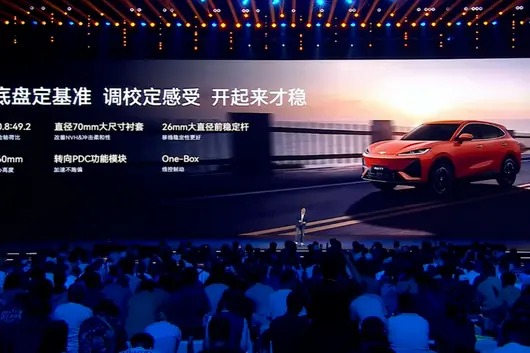

8月26日,奇瑞风云T7正式迎来国内上市,新车定位紧凑型纯电SUV,共推出三款配置,官方指导价9.79‑11.89万元,抢先置换价9.49‑11.59万元。不同于多数车型先国内销售、再做适应性修改出海的模式,风云T7主打原生全球车概念,海外同源车型LepasL6已经在南非、泰国投放,后续计划登陆印尼、欧盟、澳新等市场,本次属于完成全球验证之后回归国内销售。
在当下新能源行业迭代节奏加快,不少新车研发周期被压缩的行业背景下,风云T7对外传递“慢功造好车”的开发思路。根据官方披露信息,整车研发周期3年,依托奇瑞1+7+N全球研发体系推进项目,提前两年开展全球法规预研,对标2026版E‑NCAP安全标准进行开发,并非完成国内车型之后再针对海外市场简单改款。项目阶段完成5000+全球用户调研,覆盖15个典型国家用车场景,针对不同地区驾驶习惯、道路条件做适配调整,包含右舵版本开发、转向手感调校、实体按键保留、低反光内饰材料等80余项本地化细节优化。整车投入81台耐久试验车,累计完成145万公里实车道路验证,测试环境覆盖‑40℃至55℃温域,完成高温、高寒、高湿、高盐碱等七大极限环境试炼,涉水、盐雾、底盘冲击、制动耐久等专项测试均按全球市场要求执行,发布会现场也有海外研发、底盘、造型工程师参与站台,展示全球协同开发背景。

从市场反馈来看,风云T7于8月12日开启预售,官方数据显示72小时大定锁单10937台,9天预售订单突破16787台。成都车展期间,有海外达人现场看车并下定;本次上市发布会同步举行交车仪式,实现上市即交付,在华外籍用户也成为首批车主。同时美联社针对该车型发布相关报道,同源车型LepasL6此前亮相米兰设计周,获得海外媒体关注,奇瑞本身拥有连续23年中国品牌乘用车出口第一的行业积淀,全球累计用户突破2000万,为这台车型的全球化定位提供基础背书。
产品硬件层面,风云T7全系统一搭载65.05kWh犀牛电池,CLTC续航600km,官方实测续航可达667km以上,30%‑80%快充用时20分钟,电池循环寿命可达2500次,标称使用寿命15年。全系标配双源宽温域热泵空调+高压PTC,宣传零下10℃环境续航可提升30%,适配北方冬季用车;搭载12合1鲲鹏超能电驱,峰值功率178kW,最大扭矩275N・m,最高车速180km/h;AGS智能进气格栅同样为全系标配,用于优化整车风阻表现,整车风阻系数0.286Cd。

车身尺寸4570×1852×1694mm,轴距2700mm,车内得房率84%,后排地板纯平。后排座椅支持4/6比例放倒,拓展之后可以形成1955mm×1310mm纯平空间,后备厢常规容积450L,最大拓展容积1550L,内部设置夹层储物、下沉储物区域。座椅采用9层复合云感结构,高配版本提供加热、通风功能,座舱提供温暖黑棕、极夜黑曜两套内饰配色,外观共有炽焰橙、山烟紫、云粉米、流光银、青竹灰、墨石黑六款车漆可选,其中炽焰橙采用多层豪车级车漆工艺。
智能化是这台车重点配置,搭载4nm工艺8775舱驾一体芯片,NPU算力72TOPS,座舱为15.6英寸2.5K中控屏,支持CarPlay、HiCar、CarLink主流手机互联,灵犀智舱2.0接入豆包大模型,提供多套语音人格,同时内置小憩、露营、宝宝等多种场景模式,部分模式需要后续OTA升级解锁。高配版本搭载猎鹰500智驾系统,全车配备3颗毫米波雷达、7颗摄像头、12颗超声波雷达,合计22颗传感器,支持高速领航辅助、300+场景自动泊车、100米循迹倒车、跨楼层记忆泊车等功能,智驾硬件与功能只在高配版本提供,入门版本不具备高阶辅助驾驶能力。

放到十万级纯电SUV赛道,风云T7打出“原生全球车”标签,全系统一600km续航,在同价位多数车型高低配续航分级的市场环境里形成差异化;同时把舱驾一体芯片、多气囊、宽温域热泵、高阶泊车辅助等以往更高价位区间的配置下放到这一价位段。但需要客观看待,该车对标2026版E‑NCAP为设计目标,尚未拿到正式认证结果;海外市场表现仍待后续上市之后观察;智驾全套硬件只给到高配,入门车型智能辅助配置相对基础。
整体来看,风云T7希望依靠全球化开发标准、统一长续航配置,争夺家用纯电SUV市场份额,后续市场口碑、实际续航表现、智驾落地完成度,将成为这台车能否站稳市场的关键。

喺馬來西亞嘅 SUV 市場,好多買家喺揀車嘅時候都會拿 Honda HR-V 定 Toyota Yaris Cross 嚟做比較。呢兩款車喺價位同定位上都幾接近,今日我哋就從多個方面做一個詳細嘅比較,幫你節省咗做足功課嘅時間。
Honda HR-V 喺馬來西亞嘅 OTR 售價係 RM 115,900 - 143,900,總共有 4 個型號,包括 2026 e:HEV 1.5L RS(RM 143,900)、2026 1.5T V(RM 137,900)、2026 1.5T E(RM 130,900) 等。
Toyota Yaris Cross 喺馬來西亞嘅 OTR 售價係 RM 99,900 - 109,900,總共有 2 個型號,包括 2026 1.5L Standard(RM 99,900)、2026 HEV 1.5L Standard(RM 109,900) 等。
睇返價錢,Toyota Yaris Cross 嘅入場價比 Honda HR-V 平咗 RM 16,000。講真,喺呢個價位段,幾千蚊嘅差距其實唔算大,重點仲睇整體嘅性價比同長期持有成本。

Honda HR-V 配備 1.5L Turbo,馬力 140 hp。官方油耗 7.0 L/100km。
Toyota Yaris Cross 配備 1.5L 4-cyl,馬力 105 hp。官方油耗 6.0 L/100km。
動力方面,Honda HR-V 嘅 1.5L Turbo 比 Toyota Yaris Cross 嘅 1.5L 4-cyl 多咗 35 匹馬力,中程加速更有信心,尤其係高速公路上超車嗰陣。不過 Toyota Yaris Cross 嘅油耗可能更抵,日常市區通勤分別唔會好大。

Honda HR-V 車身長 4500 mm,尾箱 450 L。
Toyota Yaris Cross 車身長 4400 mm,尾箱 400 L。
空間方面,Honda HR-V 嘅車身比 Toyota Yaris Cross 長咗 100 mm,車內乘位空間會稍微闊少少,尤其係後座腳位空間。如果你經常載家人或者需要推嬰兒車,大少少嘅車身的確更實用。

Honda HR-V 採用 FWD 驅動方式。
Toyota Yaris Cross 採用 FWD 驅動方式。
兩款車嘅驅動方式一樣,都係 FWD,日常駕駛感受唔會有太大分別。

Honda HR-V 保養保修 5 年/無限里程,保養間隔 每 10,000km 或 6 個月。
Toyota Yaris Cross 保養保修 5 年/無限里程,保養間隔 每 10,000km 或 6 個月。
兩款車嘅保養保修條件一樣,呢方面唔使糾結。實際保養成本仲要看品牌嘅服務網絡同零件價格,建議去車友群問吓真實車主嘅經驗。

總體嚟講,Honda HR-V 同 Toyota Yaris Cross 都係馬來西亞市場好唔錯嘅車型。揀邊一部,重點仲睇你嘅個人需求同預算。建議大家做足功課,多比幾間車行嘅報價,然後去試車先做最終決定。買車係件大事,花少少時間做足功課絕對唔會錯。


近日,奇瑞汽車於公佈 2026 年半年度業績。數據顯示,2026 年上半年,奇瑞營收 1432.8 億元,同比增長 1.2%,歸母公司淨利潤 85.67 億元,同比下降 11.7%。其中,海外市場收入達到 989.68 億元,同比增長 51%,佔總營收 69.1%,海外市場已成為奇瑞最重要嘅增長來源。
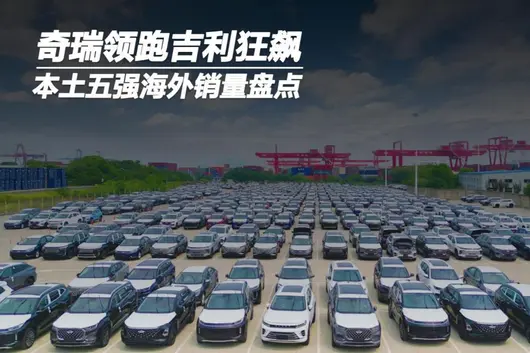
奇瑞嘅表現,亦折射出中國自主品牌加速出海嘅整體趨勢。2026 年 1-7 月,中國汽車累計出口 614 萬輛,同比增長 66.8%。五家頭部自主品牌車企中,奇瑞海外銷量 114.64 萬輛,同比增長 71.26%,繼續領跑中國汽車出口市場;比亞迪以 96.92 萬輛緊隨其後,同比增長 76.14%。值得關注嘅係,吉利汽車雖然海外銷量為 58.09 萬輛,但同比暴漲 164.78%,增速位居五家車企之首;長安汽車同長城汽車海外銷量分別為 54.46 萬輛同 35.34 萬輛,同比分別增長 56.12% 同 48.01%。不難看出,海外市場正成為中國自主品牌越來越重要嘅銷量來源。

第一名:奇瑞汽車 1146350 輛
2026 年 1-7 月,奇瑞海外銷量達到 114.64 萬輛,同比增長 71.26%,佔總銷量超 7 成,海外市場成為奇瑞銷量增長嘅主要來源。從走勢嚟看,奇瑞海外銷量一路走高,7 月單月出口更係高達 20.2 萬輛,首次突破 20 萬輛大關。早早佈局海外市场嘅奇瑞,如今迎來放量期。
而奇瑞海外能跑咁猛,唔係「突然踩油門」,而係多年海外佈局逐步見效嘅結果。通過持續推進海外建廠、本地研發同渠道建設,奇瑞不斷完善本地化經營體系,為海外銷量持續增長打下咗基礎。隨著 SUV 產品線不斷完善、混動等新技術加快補齊,奇瑞喺中東、拉美、東南亞同歐洲等市場嘅競爭力亦在提升,海外銷量自然越跑越快。

第二名:比亞迪 969208 輛
2026 年 1-7 月,比亞迪海外銷量達到 96.92 萬輛,同比增長 76.14%,佔同期總銷量 43.5%。其實,呢個成績並唔意外。2025 年,比亞迪海外銷量就已突破 100 萬輛,且同比增長 145%,今年上半年其海外銷量又超過 78 萬輛,海外市場保持快速增長。
呢一增長背後,關鍵在於技術、產品同本地化三張牌一齊打。刀片電池、DM 混動等技術不斷完善,純電同混動車型覆蓋唔同市場需求。與此同時,比亞迪喺巴西、泰國等地推進本地生產同渠道建設,進一步擴大海外市場覆蓋,目前新能源車已進入 120 多個國家同地區。
可以睇到,比亞迪喺國內市場穩住基本盤嘅同時,海外銷量亦正在快速增長。隨著海外市場不斷擴大,比亞迪未來嘅增長空間亦將進一步向全球市場延伸。

第三名:吉利汽車 580891 輛
今年 1-7 月,吉利海外銷量 58.1 萬輛,同比增長 164.78%。其中,6 月、7 月嘅海外單月銷量連續突破 10 萬輛,海外市場正從「增量補充」,逐漸變成吉利新嘅增長引擎。
海外銷量增長嘅同時,吉利整體業績亦係改善緊。上半年營收 1736 億元,同比增長 15%,核心歸母公司淨利潤 96.84 億元,同比增長 46%,利潤增速明顯快過營收,盈利能力進一步提升。
隨著海外市場加速增長,吉利將全年海外銷量目標從 64 萬輛上調至 92 萬輛,並衝刺 100 萬輛。為支撐呢個目標,吉利亦在加快海外本土化佈局,透過海外建廠同完善銷售網絡,嚟提升當地市場嘅生產同銷售能力。目前,吉利已在海外運營 12 座製造工廠,海外產能超過 65 萬輛,銷售渠道超過 2000 間,覆蓋 114 個市場。
接下嚟,吉利唔單止要繼續擴大海外銷量,仲要透過本地化生產、研發同銷售,提升海外市場嘅盈利能力,令海外市場形成更穩定嘅收入同利潤來源。

第四名:長安汽車 544592 輛
今年 1-7 月,長安汽車海外銷量 54.5 萬輛,同比增長 56.12%。銷量快速增長嘅同時,長安亦在加快「海納百川」計劃 2.0 落地,出海模式從單純賣車,進一步轉向產業同體系出海。
具體來講,長安一方面把藍鯨超擎混動、天樞智能等核心技術帶到海外,形成統一嘅技術支撐;另一方面根據唔同國家嘅需求調整產品,而係唔係用一款車覆蓋所有市場。比如啟源 Q05 進入烏茲別克斯坦,第四代 CS55PLUS 喺沙特上市,都係針對當地市場做出嘅產品調整。
與此同時,長安汽車喺泰國、巴西等地持續完善海外製造基地,本地人才同銷售體系亦係同步推進緊。生產、人才同渠道一齊鋪開,令長安嘅海外佈局更有持續擴張嘅基礎。

第五名:長城汽車 353441 輛
今年 1—7 月,長城汽車海外銷量達到 35.34 萬輛,同比增長 48.01%,海外市場增速明顯,正喺為長城帶來更多新增量。
當然,呢一成績得益於長城持續推進海外本地化經營。長城堅持「一地一策,生態共贏」,針對唔同市場調整產品同運營策略。目前,長城已在泰國、巴西建設整車生產基地,並喺多個國家佈局汽車組裝工廠,海外銷售渠道亦已超過 1600 間。呢逐步完善咗當地嘅生產、銷售同服務體系。相比單純出口,呢種本地化模式亦更有利於長城長期扎根海外市場。
隨著海外市場不斷擴大,長城又將目光重新投向歐洲市場,並計劃到 2030 年底將海外銷量提升至 100 萬輛,海外市場嘅規模化擴張仍係長城下一階段嘅重點。

寫喺最後:
整體睇嚟,奇瑞繼續領跑中國自主品牌海外銷量,比亞迪緊隨其後,吉利、長安、長城嘅海外銷量亦保持較快增長。隨著頭部自主品牌不斷加快海外佈局,海外市場正逐漸成為中國車企新嘅增長空間。
車企集體加速出海,一方面係因為國內車市增量放緩,價格戰競爭加劇,單靠國內市場獲取增量嘅難度越來越大。另一方面,經過多年技術積累,中國車企喺新能源、智能化同供應鏈方面嘅優勢不斷增強,產品競爭力亦隨之提升,為進一步拓展海外市場提供咗更強嘅支撐。
現時車企出海,唔係淨係將汽車出口到海外,而係透過建廠、鋪渠道同完善本地化服務,進一步擴大當地市場。接下嚟,真正考驗車企嘅,係能否令海外市場持續放量,並最終實現穩定盈利。
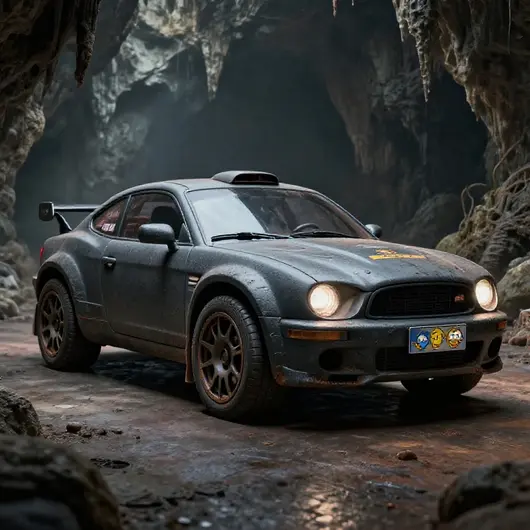
喺馬來西亞嘅 SUV 市場,好多買家喺揀車嘅時候都會拿本田 WR-V 同起亚 Sportage 做比較。呢兩款車喺價格同定位上都幾接近,今日我哋就由多個方面做一個詳細嘅比較,幫你節省做功課嘅時間。
本田 WR-V 喺馬來西亞嘅 OTR 售價係 RM 89,900 - 107,900,總共有 4 個版本,包括 2023 1.5L V(RM 99,900)、2023 1.5L E(RM 95,900)、2023 1.5L S(RM 89,900)等。
起亚 Sportage 喺馬來西亞嘅 OTR 售價係 RM 129,639 - 179,320,總共有 4 個版本,包括 2025 1.6T DCT 4WD High(RM 179,320)、2025 1.6T DCT 2WD High(RM 159,320)、2025 2.0L AT 2WD High(RM 139,639)等。
由價錢睇,本田 WR-V 嘅起步價確實比起亚 Sportage 平咗 RM 39,739。如果你預算有限,本田嘅入門版已經可以滿足日常需要。但也要留意,平嗰幾千塊,可能喺配備上有取舍,具體要睇你嘅需要。

本田 WR-V 裝載 1.5L 4-cyl,馬力 105 hp。官方油耗 6.0 L/100km。
起亚 Sportage 裝載 1.5L Turbo,馬力 140 hp。官方油耗 7.0 L/100km。
動力方面,起亚 Sportage 嘅 1.5L Turbo 比本田 WR-V 嘅 1.5L 4-cyl 多咗 35 匹馬力。不過日常喺市區開,兩款車嘅動力都夠用,唔會覺得唔夠力。

本田 WR-V 車身長 4400 mm,行李箱 400 L。
起亚 Sportage 車身長 4400 mm,行李箱 400 L。
兩款車嘅尺寸幾近一樣,車內空間分別唔大。呢個級別嘅車,日常使用完全夠用。

本田 WR-V 採用 FWD 驅動方式。
起亚 Sportage 採用 FWD 驅動方式。
兩款車嘅驅動方式一樣,都係 FWD,日常駕駛感受唔會有太大分別。

本田 WR-V 保養期 5 年/無限里程,保養間隔 每 10,000km 或 6 個月。
起亚 Sportage 保養期 5 年/300,000km,保養間隔 每 10,000km 或 6 個月。
總括嚟講,本田 WR-V 同起亚 Sportage 都係馬來西亞市場好唔錯嘅車型。揀邊部車,關鍵始終係睇你嘅個人需要同預算。我哋建議大家做好功課,多比較幾間車行之前的報價,再去做試駕先做最終決定。買車係件大事,花少少時間做功課絕對唔會錯。


喺馬來西亞嘅 SUV 市場,好多買家喺揀車嗰陣都會拿 本田 WR-V 同 起亚 Sportage 做比較。兩部車喺價位同定位上都幾近,今日我就從多個方面做一個詳細比較,幫你省做功課嘅時間。
本田 WR-V 喺馬來西亞嘅 OTR 售價係 RM 89,900 - 107,900,一共有 4 個版本,包括 2023 1.5L V(RM 99,900)、2023 1.5L E(RM 95,900)、2023 1.5L S(RM 89,900)等。
起亚 Sportage 喺馬來西亞嘅 OTR 售價係 RM 129,639 - 179,320,一共有 4 個版本,包括 2025 1.6T DCT 4WD High(RM 179,320)、2025 1.6T DCT 2WD High(RM 159,320)、2025 2.0L AT 2WD High(RM 139,639)等。
從價錢嚟睇,本田 WR-V 嘅起步價確實比 起亚 Sportage 平咗 RM 39,739。如果你預算有限,本田嘅入門版已經可以滿足日常需要。但亦要留意,平嗰幾千蚊,可能喺配備上會有取捨,具體要視乎你嘅需要。
本田 WR-V 嘅安全評級係 5★ (ASEAN NCAP),主動安全系統包括 Honda SENSING。
起亚 Sportage 嘅安全評級係 5★ (ASEAN NCAP),主動安全系統包括 Drive Wise。
兩部車嘅安全評級一樣,喺呢個級別入面安全配備都算好齊全。而家嘅新車安全性都好唔錯,唔使太擔心呢一點。
本田 WR-V 車身長 4400 mm,尾箱 400 L。
起亚 Sportage 車身長 4400 mm,尾箱 400 L。
兩部車嘅尺寸幾乎一樣,車內空間差別唔大。呢個級別嘅車,日常使用完全夠用。
本田 WR-V 保用 5 年/無限制里程,保養間隔 每 10,000km 或 6 個月。
起亚 Sportage 保用 5 年/300,000km,保養間隔 每 10,000km 或 6 個月。
總括嚟講,本田 WR-V 同 起亚 Sportage 都係馬來西亞市場好唔錯嘅車型。揀邊部,關鍵都要睇你嘅個人需要同預算。建議大家做好功課,多比較間車行嘅報價,再去試駕做最終決定。買車係件大事,花少少時間做功課絕對唔會錯。

In the Malaysian SUV market, many buyers compare Honda WR-V and Hyundai Tucson when choosing a car. These two cars are quite close in price and positioning. Today, we will do a detailed comparison from multiple aspects to help you save time on research.
The OTR price of Honda WR-V in Malaysia is RM 89,900 - 107,900, with a total of 4 versions, including 2023 1.5L V (RM 99,900), 2023 1.5L E (RM 95,900), 2023 1.5L S (RM 89,900), etc.
The OTR price of Hyundai Tucson in Malaysia is RM 143,888 - 197,888, with a total of 5 versions, including 2025 HEV 1.6T AT 2WD Prestige (RM 197,888), 2025 1.6T DCT 4WD Prestige (RM 186,888), 2025 1.6T DCT 2WD Prime (RM 164,888), etc.
From a price perspective, the starting price of Honda WR-V is indeed RM 53,988 cheaper than Hyundai Tucson. If your budget is limited, Honda's entry-level version can already meet daily needs. However, note that the few thousand ringgit difference might involve compromises in features, it depends on your needs.
The safety rating of Honda WR-V is 5★ (ASEAN NCAP), active safety systems include Honda SENSING.
The safety rating of Hyundai Tucson is 5★ (ASEAN NCAP), active safety systems include SmartSense.
Both cars have the same safety rating, safety features are quite comprehensive at this level. New cars nowadays have good safety, no need to worry too much about this.
Honda WR-V uses FWD drivetrain.
Hyundai Tucson uses FWD drivetrain.
Both cars have the same drivetrain, both are FWD, no big difference in daily driving experience.
Honda WR-V and Hyundai Tucson are mainstream choices in the Malaysian market, suitable for family use and daily commuting. If you value brand reputation and resale value more, you can prioritize the one with better reputation; if you care more about cost-performance and features, choose the one with richer configuration. Ultimately, it is recommended to test drive both, personal experience is the most important.

Overall, Honda WR-V and Hyundai Tucson are both very good models in the Malaysian market. Which one to choose depends mainly on your personal needs and budget. We suggest doing research, comparing quotes from several car dealers, and then test driving to make the final decision. Buying a car is a major event, spending some time doing research will never be wrong.

In the SUV market in Malaysia, many buyers tend to compare Honda WR-V and Mitsubishi Xforce when choosing a car. These two cars are quite close in price and positioning. Today we will make a detailed comparison from multiple aspects to help you save time on research.
Honda WR-V OTR price in Malaysia is RM 89,900 - 107,900, there are a total of 4 versions, including 2023 1.5L V (RM 99,900), 2023 1.5L E (RM 95,900), 2023 1.5L S (RM 89,900), etc.
Mitsubishi Xforce OTR price in Malaysia is RM 109,930 - 119,930, there are a total of 2 versions, including 2026 1.5L Ultimate (RM 119,930), 2026 1.5L Urban (RM 109,930), etc.
Looking at the price, the starting price of Honda WR-V is indeed RM 20,030 cheaper than Mitsubishi Xforce. If your budget is limited, Honda's entry-level version can already meet daily needs. However, also note that the saving of a few thousand ringgit might involve trade-offs in features, it depends on your specific needs.
Honda WR-V safety rating is 5★ (ASEAN NCAP), active safety systems include Honda SENSING.
Mitsubishi Xforce safety rating is 5★ (ASEAN NCAP), active safety systems include MI-PILOT.
Both cars have the same safety rating, safety features are quite comprehensive within this class. New car safety nowadays is not poor, no need to worry too much about this.
Honda WR-V body length 4400 mm, trunk 400 L.
Mitsubishi Xforce body length 4400 mm, trunk 400 L.
Both cars' dimensions are almost the same, interior space difference is not big. Cars in this class are fully sufficient for daily use.
Honda WR-V warranty 5 years/unlimited mileage, service interval every 10,000km or 6 months.
Mitsubishi Xforce warranty 3 years/100,000km, service interval every 10,000km or 6 months.

Honda WR-V and Mitsubishi Xforce are both mainstream choices in the Malaysian market, suitable for family use and daily commuting. If you value brand reputation and resale value more, you can prioritize the one with better reputation; if you care more about cost-performance ratio and features, choose the one with richer configuration. Ultimately, it is recommended to test drive both, personal experience is the most important.
Overall, Honda WR-V and Mitsubishi Xforce are both very good models in the Malaysian market. Which one to choose depends on your personal needs and budget. It is recommended to do your research, compare quotes from several dealerships, and then test drive to make the final decision. Buying a car is a big deal, spending some time researching is never wrong.

In the Malaysian SUV market, many buyers compare Honda WR-V and Mitsubishi Xforce when choosing a car. These two cars are quite close in price and positioning. Today we will make a detailed comparison from multiple aspects to help you save time on research.
The OTR price of Honda WR-V in Malaysia is RM 89,900 - 107,900, with a total of 4 versions, including 2023 1.5L V (RM 99,900), 2023 1.5L E (RM 95,900), 2023 1.5L S (RM 89,900), etc.
The OTR price of Mitsubishi Xforce in Malaysia is RM 109,930 - 119,930, with a total of 2 versions, including 2026 1.5L Ultimate (RM 119,930), 2026 1.5L Urban (RM 109,930), etc.
From a price perspective, the starting price of Honda WR-V is indeed RM 20,030 cheaper than Mitsubishi Xforce. If your budget is limited, Honda's entry-level version is already sufficient for daily needs. But be aware, the few thousand cheaper might involve trade-offs in equipment, depending on your needs.
Honda WR-V body length 4400 mm, trunk 400 L.
Mitsubishi Xforce body length 4400 mm, trunk 400 L.
The dimensions of both cars are almost the same, with little difference in interior space. For this class of cars, it is fully sufficient for daily use.
Honda WR-V warranty 5 years/unlimited mileage, maintenance interval every 10,000km or 6 months.
Mitsubishi Xforce warranty 3 years/100,000km, maintenance interval every 10,000km or 6 months.
Honda WR-V and Mitsubishi Xforce are both mainstream choices in the Malaysian market, suitable for family use and daily commuting. If you value brand reputation and resale value more, you can prioritize the one with better reputation; if you care more about cost-performance ratio and equipment, choose the one with richer configuration. Ultimately, it is recommended to test drive both, personal experience is the most important.
Overall, Honda WR-V and Mitsubishi Xforce are both very good models in the Malaysian market. Which one to choose depends on your personal needs and budget. It is recommended to do your homework, compare quotes from several car dealerships, and then test drive to make the final decision. Buying a car is a big matter, spending time on research is never wrong.

Beberapa tahun lalu, di Pameran Kereta Kelas A, tempat utama di bawah lampu sorot sentiasa dimenangi oleh jenama gabungan asing. Panggung pameran terbesar, pelancaran pertama terbanyak, media paling padat, jenama tempatan lebih banyak mencari kehadiran di sudut-sudut.
Pameran Kereta Chengdu 2026, gambaran berubah sepenuhnya.

BYD menguasai penuh satu balai, Chery menyewa satu balai penuh, Alians Kecerdasan Mobil Harmony mengambil satu balai eksklusif besar di kawasan teras, Great Wall Motor menduduki lebih dari setengah balai yang sangat besar. Empat jenama tempatan secara kolektif menduduki balai penuh atau balai eksklusif besar, seluruh matriks jenama di bawah mereka naik ke pentas, banyak kereta baharu memilih pelancaran global, pameran teknologi penyelidikan sendiri penuh pelbagai pilihan. Manakala jenama gabungan yang pernah menduduki pentas utama, ada yang mengecilkan panggung pameran, ada yang membatalkan sidang akhbar, ada yang terus tidak hadir.
Ini bukan sekadar perebutan saiz panggung pameran. Apabila jenama tempatan mula menggunakan "menduduki balai" untuk mentakrifkan spesifikasi pameran mereka sendiri, ia menunjukkan bahawa kekuatan yang terkumpul berbeza-beza dalam industri automoter China sejak sekian lama, telah tiba pada peringkat di mana tidak perlu lagi disembunyikan.

Empat Jenama Tempatan Kolektif Menduduki Balai, Dari Mana Datang Keyakinan?
BYD kali ini menguasai sepenuhnya keseluruhan Pangkalan Balai No. 9, Dynasti, Lautan, Denza, Fang Cheng Bao, Yangwang lima jenama utama semuanya muncul, serentak menyediakan kawasan pengalaman teknologi pemanduan pintar, kawasan pengecasan pantas dan demonstrasi prestasi kereta sebenar. Aksi paling berat di pameran kereta adalah pelancaran global kereta sedan utama Dynasti Kelas D "Han Besar", secara rasmi melancarkan serangan ke arah bidang kereta mewah kelas atas.

Menyokong spesifikasi menduduki balai ini, adalah BYD yang telah menjangkau semua julat harga di pasaran dalam negara, dari kereta rumah sederhana beribu-ribu hingga produk mewah berjuta-juta, dari SUV bandar hingga off-road kukuh, matriks produk hampir tiada ruang kosong. Bateri, sistem enjin, pemanduan pintar teknologi teras semua penyelidikan sendiri, kelajuan penambahbaikan produk memimpin industri. Lebih penting, pasaran luar negara mula meningkat, kilang luar negara di Thailand, Brazil, Hungary dan lain-lain berturutan ditubuhkan, produk merangkumi kawasan Asia Tenggara, Amerika Latin, Eropah dan banyak lagi, perniagaan luar negara menjadi kutub pertumbuhan penting.

Chery di Balai No. 5 juga menyewa satu balai penuh, Chery, Exeed, Jetour, iCAR, Fengyun lima jenama utama pasukan besar menghuni pameran. iCAR V25, Exeed EX6 selesai pelancaran, Jetour Travel Off-road siri muncul menarik, merangkumi rumah tangga, off-road pelbagai segmen khusus. Kereta sedan, SUV, off-road pelbagai garis serentak, bahan api dan tenaga baharu berkembang selari. Chery lama berada dalam barisan pertama eksport automoter China, perniagaan merentasi Eropah, Amerika Selatan, Timur Tengah, ASEAN, kilang luar negara dan rangkaian perkhidmatan lokalisasi berterusan ditubuhkan, pasaran luar negara kini menjadi enjin pertumbuhan paling penting bagi kumpulan.

Alians Kecerdasan Mobil Harmony mengambil Balai No. 3 kawasan teras balai eksklusif besar, AITO, Luxeed, Stelato, Maextro, Shangjie lima matriks dunia pertama kali lengkap sama di pentas. Maextro V800, V680 mewah flagship MPV menyambut pelancaran pameran kereta, berdaya maju pasaran perniagaan mewah. Bergantung pada kelebihan pemanduan pintar tahap tinggi, merangkumi rumah tangga, sederhana tinggi, mewah segmen, dalam segmen automoter baharu mewah pertumbuhan momentum sangat cepat, berturut-turut menciptakan produk meletup pasaran. Semasa dalam mendalamkan pasaran dalam negara, serentak teknologi pemanduan pintar, keseluruhan kereta teknologi telah membuat persediaan keluar negara.
Great Wall Motor di Balai No. 1 menduduki panggung pameran lebih dari setengah balai yang sangat besar, Haval, TANK, WEY, Ora, GWM Cannon, Soul enam jenama kolektif menghuni pameran. Ora 7 pelancaran global, TANK model off-road penambahbaikan muncul, berterusan memadat off-road, status ketua dalam bidang pikap. TANK, GWM Cannon dan lain-lain kategori kukuh menguasai kedudukan ketua dalam segmen khusus. Rusia, Brazil, Thailand membina kilang keseluruhan kenderaan lokalisasi, produk jauh ke Australia-New Zealand, Timur Tengah, Amerika Latin, off-road dan produk pikap di luar negara memiliki daya saing unik.

Empat jenama, empat laluan, tetapi ada satu ciri umum. Bukan lagi semata-mata menjual kereta, tetapi membawa sistem teknologi lengkap, matriks produk dan pembangunan global berdiri di panggung pameran. Keyakinan menduduki balai, datang dari akumulasi tebal pasaran dalam negara, juga datang dari perkembangan menyeluruh pasaran luar negara.
Kebenaran Di Sebalik Menduduki Balai, Dari Mengisi Celah hingga Menentukan Peraturan
Menyewa satu balai penuh, di permukaan nampak adalah perebutan luas panggung pameran, di belakang adalah penyaluran menyeluruh kekuatan industri.
Perubahan pasaran dalam negara paling asas. Awal tahun jenama tempatan lebih banyak berakar di pasaran peringkat permulaan, bergantung pada kos berkesan untuk mencari hidup. Melalui penyelidikan teknologi yang berterusan, kini telah berjalan besar memasuki pasaran mewah. Rumah tangga, off-road, perniagaan pelbagai segmen mekar lengkap, banyak teknologi penyelidikan sendiri mencapai pelaksanaan kuantiti, keseluruhan kereta platform terus berkembang. BYD Bateri Bilah, DM-i Super Hybrid, Chery Kunpeng Power, Mars Architecture, Great Wall Lemon Platform, Coffee Intelligence, Alians Kecerdasan Mobil Harmony Qunkun Pemanduan Pintar, Harmony Cockpit, ini bukan konsep di atas PPT, malah sudah kuantiti hantar, disahkan ujian pasar teknologi sistem.

Jenama tempatan terus keluar daripada keadaan mengikuti meniru masa lalu, mula menentukan standard dan laluan sendiri dalam pelbagai bidang teknologi.
Keluar negara lebih daripada "cubaan" dinaik taraf menjadi strategi teras. BYD, Chery, Great Wall lama bukan lagi sekadar eksport keseluruhan kereta, malah luar negara membina kilang, menyusun sistem jualan dan perkhidmatan lokalisasi, bergantung pada kebiasaan dan peraturan penggunaan kereta negara berbeza membuat pembangunan adaptasi, bersaing di pentas bersama syarikat automoter lama dunia. Lalu syarikat automoter China lebih banyak mengisi celah pasaran yang ditinggalkan asing, kini jenama tempatan kepala keluarga mencapai pasaran dalam negara dan luar negara dua pasaran pembukaan serentak.
Persaingan ketat pasaran dalam negara menghasilkan kekuatan produk yang lebih kuat, pembukaan pasaran luar negara pula sebaliknya mendorong teknologi terus penambahbaikan. Kitaran positif ini, adalah sebenar key信服 menduduki balai yang benar.
Penutup: Dari Pengkejar ke Pemain Utama, Automoter China Menunggu Hari Ini
Melihat kembali Pameran Kereta Kelas A beberapa tahun lalu, kata akhir kukuh di tangan asing, gabungan. Jenama tempatan boleh mendapat satu panggung pameran standard, boleh memujuk media hadir ke tempat, sudah dianggap layanan yang bagus.

Hari ini, syarikat automoter China menyerang dengan satu balai, beberapa model kereta baharu memilih pelancaran global, secara aktif membuka pasaran luar negara. Ini mewakili industri automoter China telah迎来 seluruh fasa pembangunan baharu. Dari komponen hingga pembuatan keseluruhan kereta, dari Bateri, Motor, Pengawal dan Chassis hingga pemanduan pintar, sistem industri lengkap secara berperingkat membentuk. Tidak hanya memenuhi keperluan penggunaan kereta pengguna dalam negara, malah menghantar produk automoter China, teknologi automoter ke seluruh dunia.
Menduduki balai, adalah bukti kekuatan yang kuat di peringkat semasa, juga merupakan titik permulaan jenama negara berterusan bergerak ke atas.
Zaman milik automoter China, bukan masa depan, adalah masa kini berlangsung.
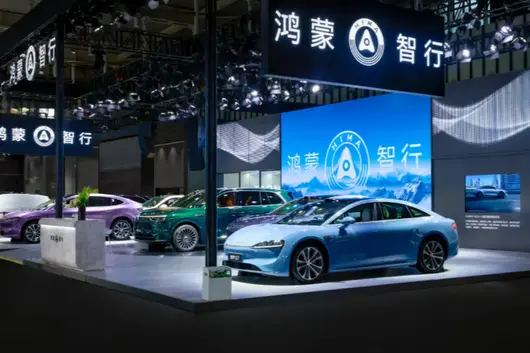

喺馬來西亞嘅 SUV 市場,好多買家喺揀車嘅時候都會拎本田 WR-V 同現代 Tucson 嚟做比較。呢兩部車喺價位同定位上都幾接近,而家我哋從多個方面做一个詳細比較,幫你節省做功課時間。
本田 WR-V 喺馬來西亞嘅 OTR 售價係 RM 89,900 - 107,900,合共 4 個版本,包括 2023 1.5L V(RM 99,900)、2023 1.5L E(RM 95,900)、2023 1.5L S(RM 89,900) 等。
現代 Tucson 喺馬來西亞嘅 OTR 售價係 RM 143,888 - 197,888,合共 5 個版本,包括 2025 HEV 1.6T AT 2WD Prestige(RM 197,888)、2025 1.6T DCT 4WD Prestige(RM 186,888)、2025 1.6T DCT 2WD Prime(RM 164,888) 等。
睇返價錢,本田 WR-V 嘅起售價確係比現代 Tucson 平咗 RM 53,988。如果你預算有限,本田嘅入門版已經可以滿足日常需要。但都要留意,平嗰幾千蚊,可能喺配備上會有取舍,視乎你嘅需要。
本田 WR-V 配備 1.5L 4-cyl,馬力 105 hp。官方油耗 6.0 L/100km。
現代 Tucson 配備 1.5L Turbo,馬力 140 hp。官方油耗 7.0 L/100km。
動力方面,現代 Tucson 嘅 1.5L Turbo 比本田 WR-V 嘅 1.5L 4-cyl 多咗 35 匹馬力。不過日常喺市區行,兩部車嘅動力都夠用,唔會覺得唔夠力。
本田 WR-V 車身長度 4400 mm,後備箱 400 L。
現代 Tucson 車身長度 4400 mm,後備箱 400 L。
兩部車嘅尺寸幾近一樣,車內空間冇乜分別。呢級別嘅車,日常使用完全夠用。
本田 WR-V 採用 FWD 驅動方式。
現代 Tucson 採用 FWD 驅動方式。
兩部車嘅驅動方式一樣,都係 FWD,日常駕駛感覺唔會有太大分別。
本田 WR-V 保修 5 年/無限里程,保養間隔 每 10,000km 或 6 個月。
現代 Tucson 保修 5 年/300,000km,保養間隔 每 10,000km 或 6 個月。

總體嚟講,本田 WR-V 同現代 Tucson 都係馬來西亞市場好唔錯嘅車款。揀邊一輛,關鍵係睇你嘅個人需要同預算。我建議大家做足功課,多比較幾間車行嘅報價,再去做試駕做最終決定。買車係大件事,花少少時間做功課絕對唔會錯。
© 2024 Bitauto.com. All Rights Reserved.
Bitauto (www.yiche.com and www.bitauto.com) is one of the most visited automotive websites in China. We provide detailed info on Chinese car brands available in your area. Please note that the information provided on this website is based on publicly available data and is for reference only. It may not be fully updated or accurate at all times.

Help us improve our website


