Porsche AG has posted strong financial results for the first half of 2026, proving that selling fewer cars doesn't necessarily mean making less money.
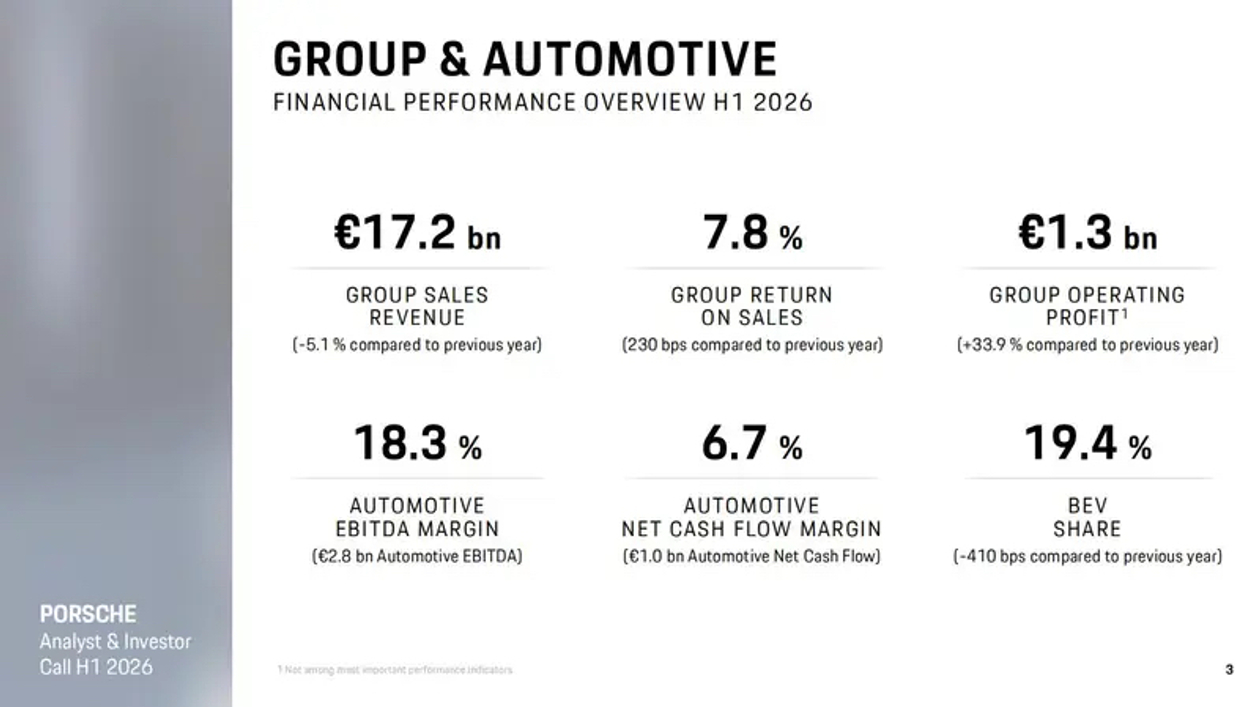
Despite lower deliveries, the company's "value over volume" strategy helped keep revenue resilient. Its operating profit climbed 33.9% and return on sales improved.
For Malaysia's premium automotive market, Porsche's latest results provide another example of how luxury brands are focusing on profitability rather than chasing market share.
Although delivering fewer vehicles in the first half of 2026, Porsche improved profitability through tighter cost control and a more disciplined sales strategy.
|
Key Metrics |
H1 2026 |
H1 2025 |
YoY |
|
Sales Revenue |
€17.23 billion |
€18.16 billion |
- 5.1% |
|
Operating Profit |
€1.35 billion |
€1.01 billion |
+ 33.9% |
|
Return on Sales |
7.8% |
5.5% |
|
|
Automotive Net Cash Flow |
€1.02 billion |
€394 million |
Strong Increase |
|
Global Vehicle Deliveries |
122,306 units |
146,391 units |
- 16.5% |
|
BEV Share |
19.4% |
23.5% |
|
Porsche CEO Dr Michael Leiters and CFO Dr Jochen Breckner attributed the stronger financial performance to disciplined cost management, an improved product mix and pricing measures.
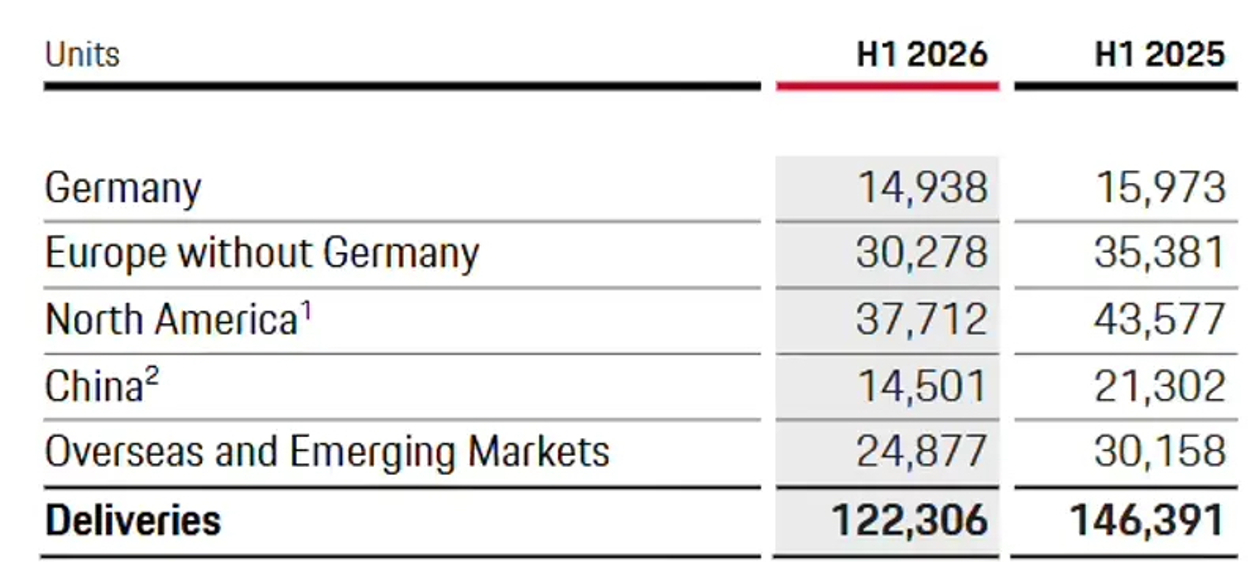
Although global vehicle deliveries fell from 146,391 to 122,306 units year-on-year, the company achieved higher profitability.
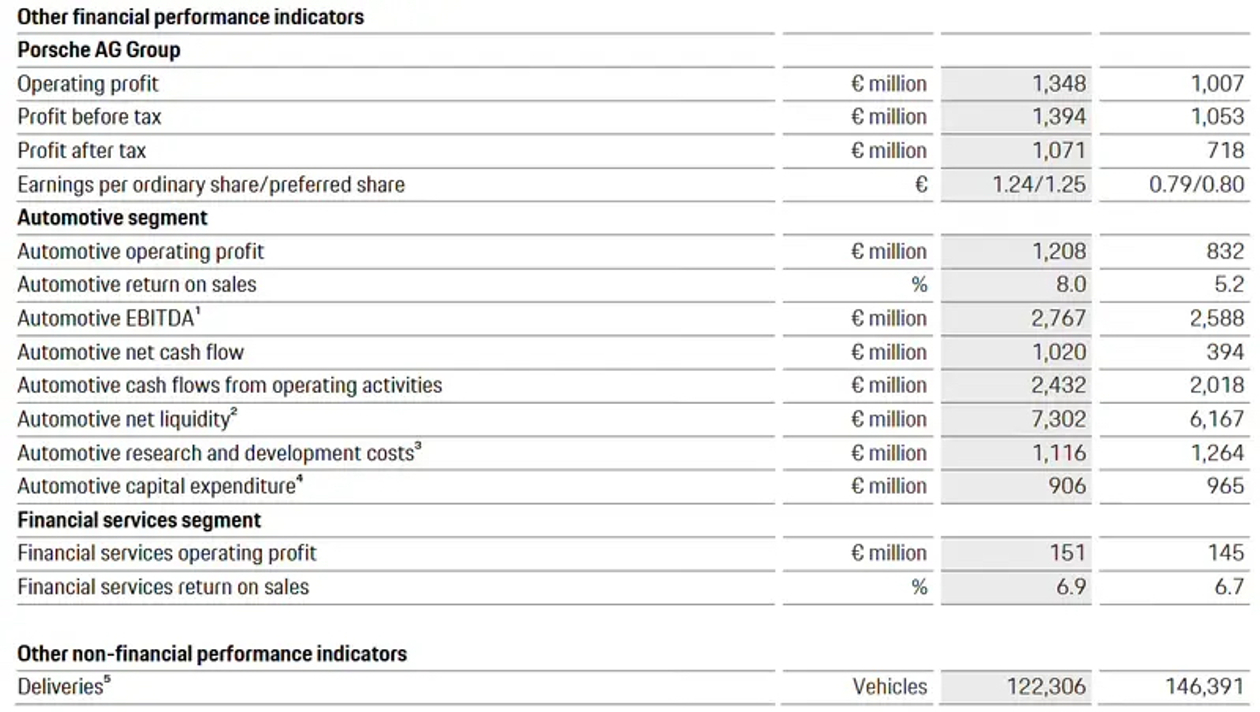
Porsche also generated more than €1 billion in automotive net cash flow during the period, and automotive net liquidity stood at €7.3 billion.
Against a backdrop of continued market uncertainty and geopolitical challenges, Porsche is pressing ahead with its "Sportwagenschmiede 35" strategy, a company-wide transformation programme aimed at streamlining operations and reinforcing its core sports car business.
A leaner organisation: Porsche has reduced the number of Executive Board divisions from eight to seven. Effective 1 July 2026, the Car-IT division was integrated into the R&D organisation to simplify the management structure and accelerate decision-making.
Sharper focus on efficiency: The company is tightening control over capital expenditure and operating costs and advancing its Future Package to strengthen long-term resilience and competitiveness.
2026 outlook unchanged: Porsche has reaffirmed its full-year guidance. The company expects revenue of between €35 billion and €36 billion, with return on sales projected at 5.5% to 7.5%.
Porsche's latest results also offer an interesting perspective for Malaysia's premium automotive market, where competition has intensified amid the rapid expansion of EVs and the arrival of more Chinese brands.
Protecting brand value over chasing volume
Rather than pursuing market share through aggressive discounting, Porsche continues to prioritise profitability and brand value. For buyers, this helps support stronger resale values by avoiding the steep price cuts that can quickly erode used car prices.
A measured approach to electrification
While EV adoption continues to grow in Malaysia, Porsche's BEV share declined from 23.5% to 19.4% in the first half of the year. The figures suggest that even premium manufacturers are adjusting their product mix in line with market demand, rather than pushing electrification at any cost.
Staying true to the brand
Porsche's ongoing restructuring is centred on strengthening its identity as a sports car manufacturer. Instead of chasing higher production volumes, the company is focusing on engineering, product quality and long-term brand value. These are qualities that continue to define the marque.
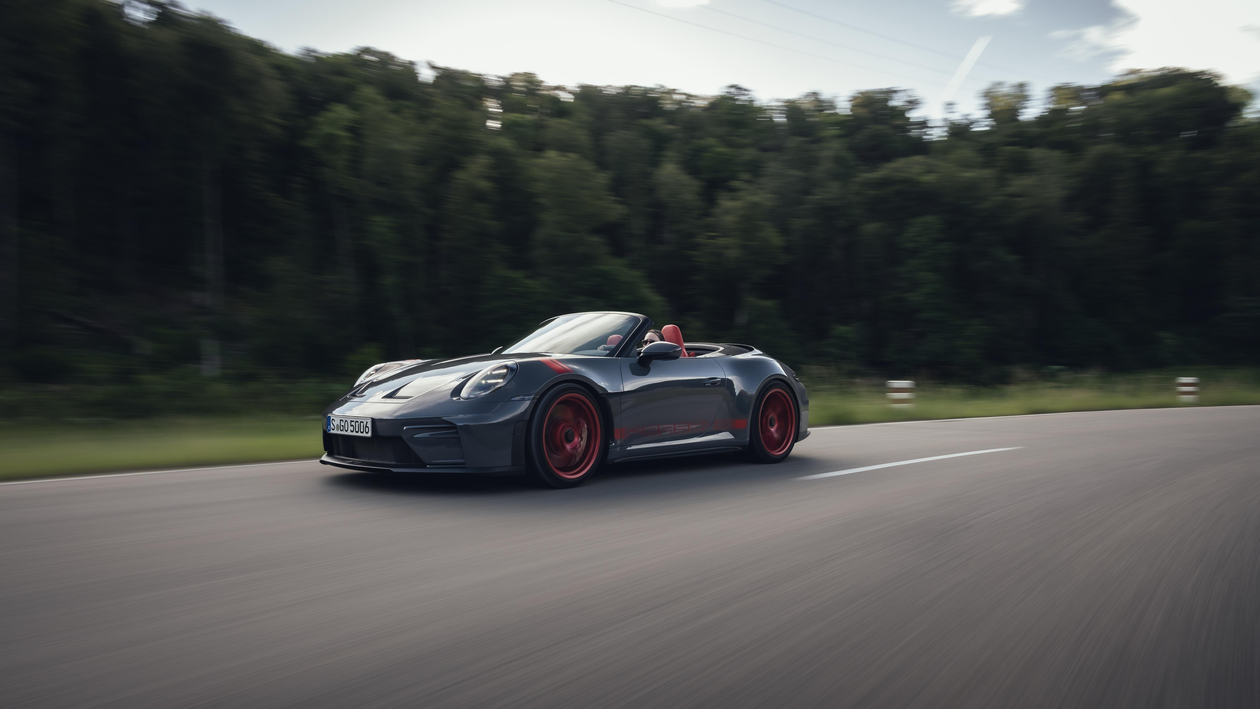
Porsche's first-half 2026 results show that the next phase of the automotive industry will not be defined by growth at any cost, but by how effectively companies can balance transformation, profitability and long-term resilience.
Porsche’s focus on value over volume serves as a masterclass in risk management and sustainable growth for the wider industry.

Your go-to source for all things automotive in Malaysia. 🚗 Latest reviews, breaking news, launches & industry trends.
+ Follow This weekend is your chance to own a Volvo Selekt Certified Used Car, priced from just RM 148,000.
What are you waiting for?
#volvo 1 minute ago
This weekend is your chance to own a Volvo Selekt Certified Used Car, priced from just RM 148,000.
What are you waiting for?
#volvo 1 minute ago  We saw this accident this morning, and here’s a reminder to everyone: please drive safe. 2 days ago
  The G50 BMW 3 series is now here, adopting much of the i3's design elements.
So, where's the BMW M3?
#bmw #BMW3Series 4 days ago
The G50 BMW 3 series is now here, adopting much of the i3's design elements.
So, where's the BMW M3?
#bmw #BMW3Series 4 days ago Get the latest car news first!
Your go-to source for all things automotive in Malaysia. 🚗 Latest reviews, breaking news, launches & industry trends.
This weekend is your chance to own a Volvo Selekt Certified Used Car, priced from just RM 148,000.
What are you waiting for?
#volvo 1 minute ago We saw this accident this morning, and here’s a reminder to everyone: please drive safe. 2 days ago The G50 BMW 3 series is now here, adopting much of the i3's design elements.
So, where's the BMW M3?
#bmw #BMW3Series 4 days ago  ProtonGWMVolkswagenJAECOOVolvoPeroduaToyotaHondaTESLAMitsubishiMazdaJetourCheryBYDLexusBMWMercedes-BenziCAURZeekrIsuzuNissanLeapmotorPorscheFordOMODAMINIMGSuzukiXPengHyundaiWulingKiaSubaruDenzaGACLand RoverDongfengCAMAudiPeugeotFotonMAXUSsmartDaihatsuJACJMCMaseratiLotusAlfa RomeoRenaultGolden DragonKaiceneSeresLamborghiniFerrariJeepRolls-RoyceLepasAston MartinMcLarenChevroletBentleyFiatBAICForthingGeelyRoeweAeolusChanganARCFOXDeepalExeedHongqiVoyahJaguarKGMBuforiAcuraCadillacDodgeAbarthINEOSMHEROJMEVFreelander
© 2024 Bitauto.com. All Rights Reserved.
Bitauto (www.yiche.com and www.bitauto.com) is one of the most visited automotive websites in China. We provide detailed info on Chinese car brands available in your area. Please note that the information provided on this website is based on publicly available data and is for reference only. It may not be fully updated or accurate at all times.
Help us improve our website


